
 Pin It
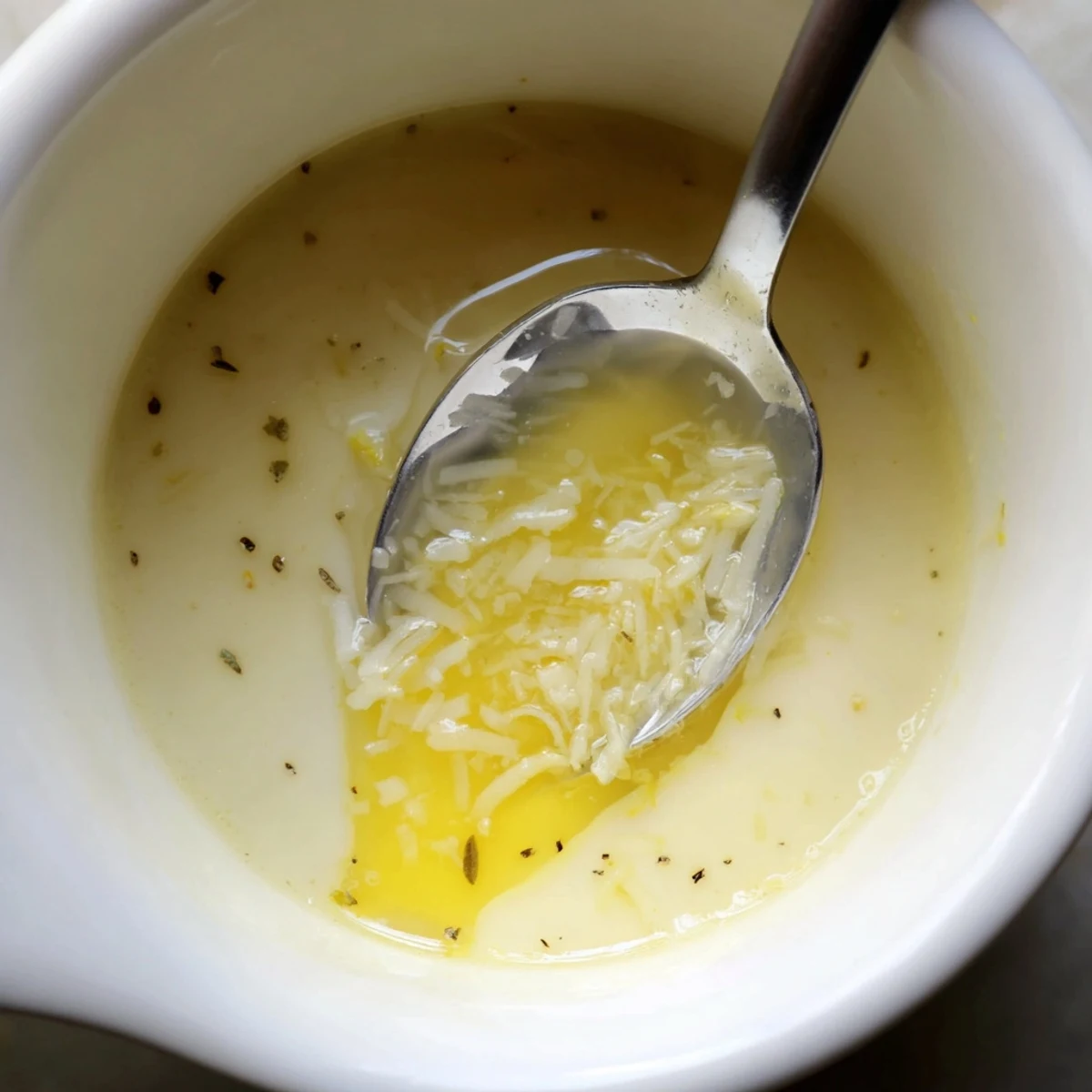
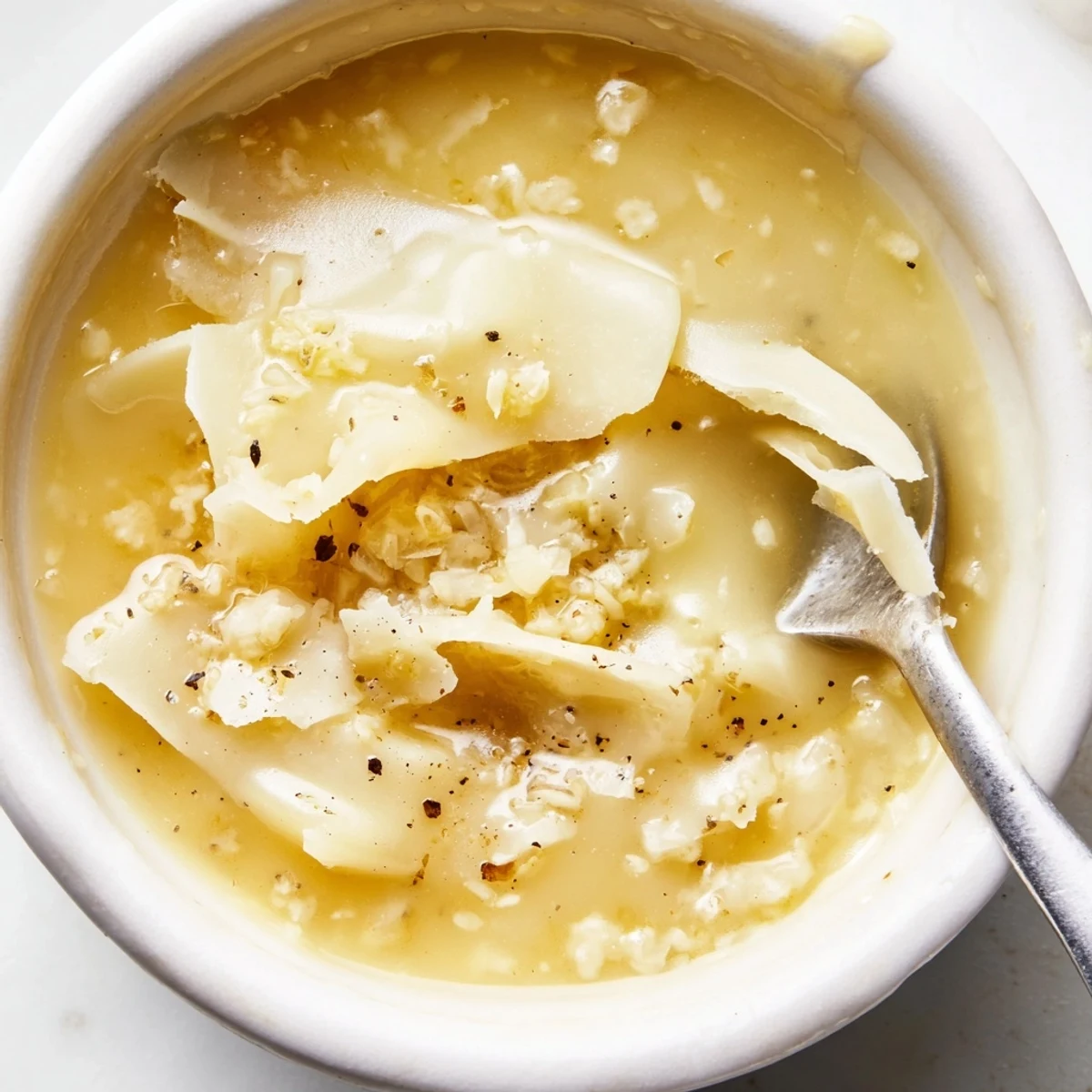
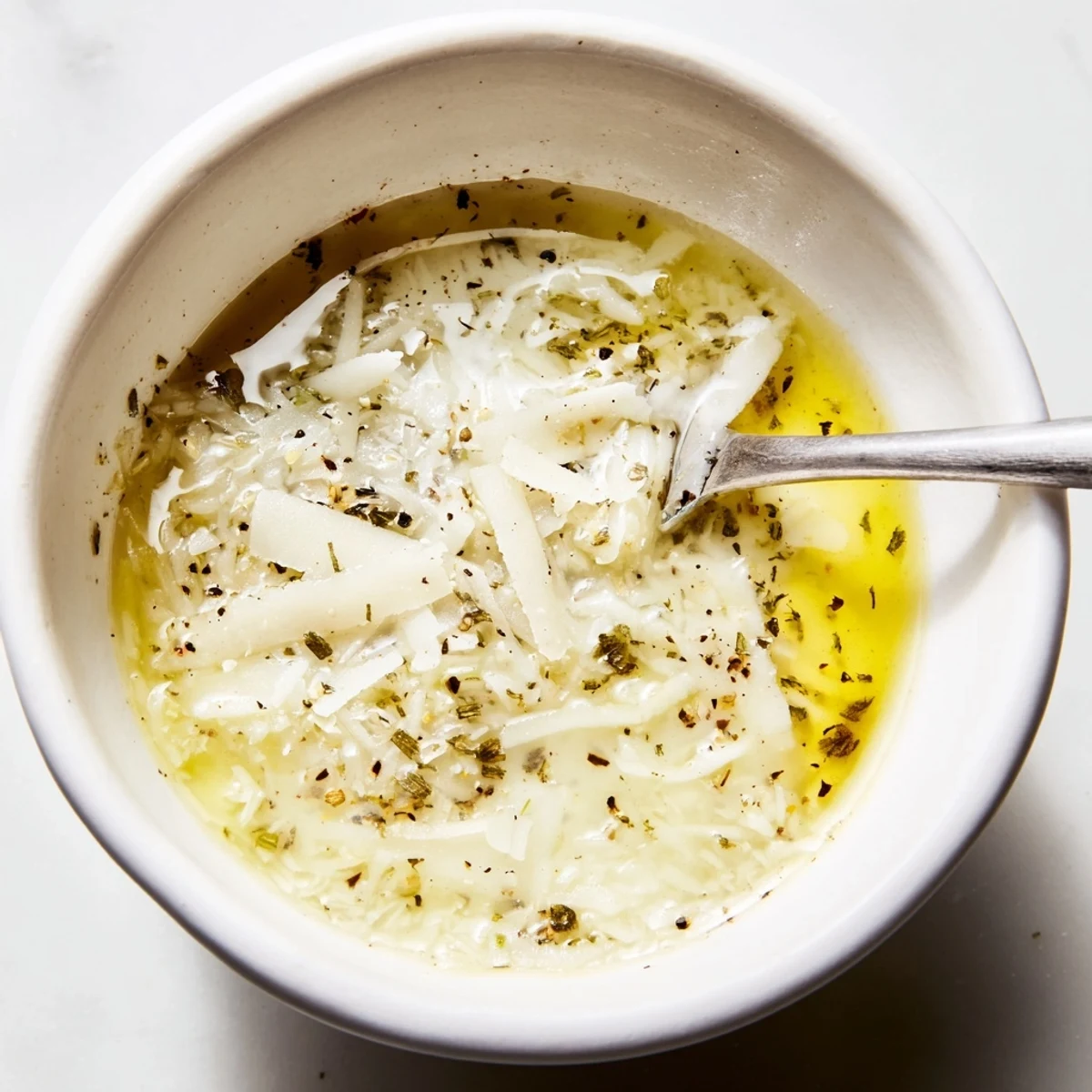
 A tangy, creamy Parmesan vinaigrette combines freshly grated Parmesan, extra-virgin olive oil, white wine vinegar, lemon, Dijon and minced garlic. Whisk the acid, mustard, honey and aromatics, then slowly stream in oil until emulsified; fold in cheese to thicken. For a silkier finish, blend briefly. Keeps up to 1 week refrigerated; shake or whisk before serving. Finish with fresh herbs or red pepper flakes to brighten flavors.
The smell of garlic hitting vinegar is one of those small kitchen moments that stops me in my tracks every single time. It is sharp and alive and promises something wonderful is about to happen. This Parmesan vinaigrette came together on a Tuesday when my crisper drawer was full of sad greens that desperately needed rescuing. Ten minutes later I had a dressing so good I was eating it off a spoon standing over the sink.
My friend Laura watched me make this once and declared she was throwing away every bottle of store bought dressing she owned. We stood in my kitchen dipping carrot sticks into the bowl and talking until the dressing was gone and the carrots were too.
Ingredients
- 1/3 cup freshly grated Parmesan cheese: Please do not use the green can for this because the pre shredded stuff has anti caking agents that prevent it from melting smoothly into the dressing.
- 1/4 cup extra virgin olive oil: A fruity good quality oil makes a huge difference here since there are so few ingredients and each one shines.
- 2 tablespoons white wine vinegar: This provides a mellow acidity that lets the Parmesan be the star rather than fighting it.
- 1 tablespoon lemon juice: Freshly squeezed only because the bottled version tastes flat and metallic in a dressing this simple.
- 1 teaspoon Dijon mustard: Acts as the emulsifier that holds everything together and adds a subtle heat.
- 1 clove garlic finely minced: One clove is enough to give it personality without taking over the whole bowl.
- 1 teaspoon honey: Optional but a tiny touch of sweetness rounds out the sharp edges beautifully.
- 1/4 teaspoon freshly ground black pepper: Freshly cracked makes a real difference you can taste.
- 1/2 teaspoon kosher salt: Add gradually and taste as you go because the Parmesan brings its own saltiness.
Instructions
- Build the flavor base:
- In a medium bowl whisk together the white wine vinegar, lemon juice, Dijon mustard, honey, minced garlic, salt, and pepper until the mixture looks unified and the mustard is fully dissolved. Take a moment to smell it because that tangy aroma is your roadmap for what is coming.
- Emulsify with oil:
- Slowly drizzle in the olive oil while whisking constantly and aggressively until the dressing looks glossy and thickened. This slow pour is the secret to a vinaigrette that holds together instead of separating into an oily mess.
- Fold in the Parmesan:
- Stir in the freshly grated Parmesan and watch the dressing transform into something creamy and luxurious as the cheese begins to soften into the liquid. Give it a full thirty seconds of stirring to let the cheese work its magic.
- Taste and adjust:
- Dip a leaf of whatever greens you are planning to use into the dressing and taste it directly on the lettuce rather than from a spoon. The salad leaf gives you a much more honest read on whether you need more salt, acid, or pepper.
- Store for later:
- Transfer to a jar with a tight lid and refrigerate until you are ready to use it, giving it a vigorous shake before each serving. The flavors deepen and improve after a few hours in the cold.
 Pin It
 There is something deeply satisfying about making your own dressing when the alternative is so easy to buy. This small act of care turns a throwaway side salad into the thing everyone at the table talks about.
What to Drizzle It On
Beyond the obvious green salad, try this over roasted carrots still warm from the oven, spoon it generously over grilled chicken breasts, or use it as a marinade for vegetables before they hit the grill. The Parmesan clings to everything it touches and makes each bite richer.
Making It Your Own
A pinch of red pepper flakes adds a gentle warmth that plays beautifully against the tangy acidity. Chopped fresh basil or parsley stirred in at the end makes it taste like summer even in February. The recipe forgives experimentation so follow your instincts.
Storage and Shelf Life
Kept sealed in the refrigerator this vinaigrette stays good for up to one week, though in my house it never lasts more than three days. The garlic flavor intensifies over time so on day four you may notice it has grown bolder and more assertive.
- Always use a clean spoon when dipping into the jar to avoid introducing bacteria.
- If the dressing seizes up too much in the cold, stir in a tiny splash of warm water to loosen it.
- Shake the jar like you mean it before every single use.
 Pin It
 A good vinaigrette is one of those quiet kitchen skills that pays you back forever, and this one is worth memorizing. Your salads will thank you and so will everyone you feed.
Recipe Questions
- → How do I achieve a smooth, emulsified vinaigrette?
-
Whisk the acidic ingredients, mustard and aromatics first. Slowly drizzle in the olive oil while whisking constantly until the mixture thickens and glossy emulsification forms. Using a steady stream of oil and a vigorous whisk or blender helps lock the emulsion.
- → Can I make the dressing silkier?
-
Yes. Blend briefly in a food processor or with an immersion blender for a very smooth texture. The cheese will incorporate more evenly, creating a creamier mouthfeel than hand-whisking alone.
- → How should I store it and how long does it last?
-
Transfer to an airtight jar and refrigerate. The vinaigrette keeps up to 1 week. Separation is normal—shake or whisk before each use to recombine the oil and acids.
- → Can I substitute the Parmesan with another cheese?
-
Pecorino Romano or finely grated aged Asiago work well for a sharper flavor. If you need a vegetarian-friendly option, check labels for rennet sources or choose a cheese labeled vegetarian.
- → How can I adjust the seasoning or acidity?
-
Taste after combining and adjust salt, pepper or lemon to preference. Parmesan adds saltiness, so reduce added salt if using a very salty cheese. A touch of honey balances high acidity if needed.
- → What are good pairings for this vinaigrette?
-
It dresses leafy greens, complements roasted vegetables, and brightens grilled meats or vegetables. Try finishing bowls, grain salads, or warm potato salads with a drizzle.