
 Pin It
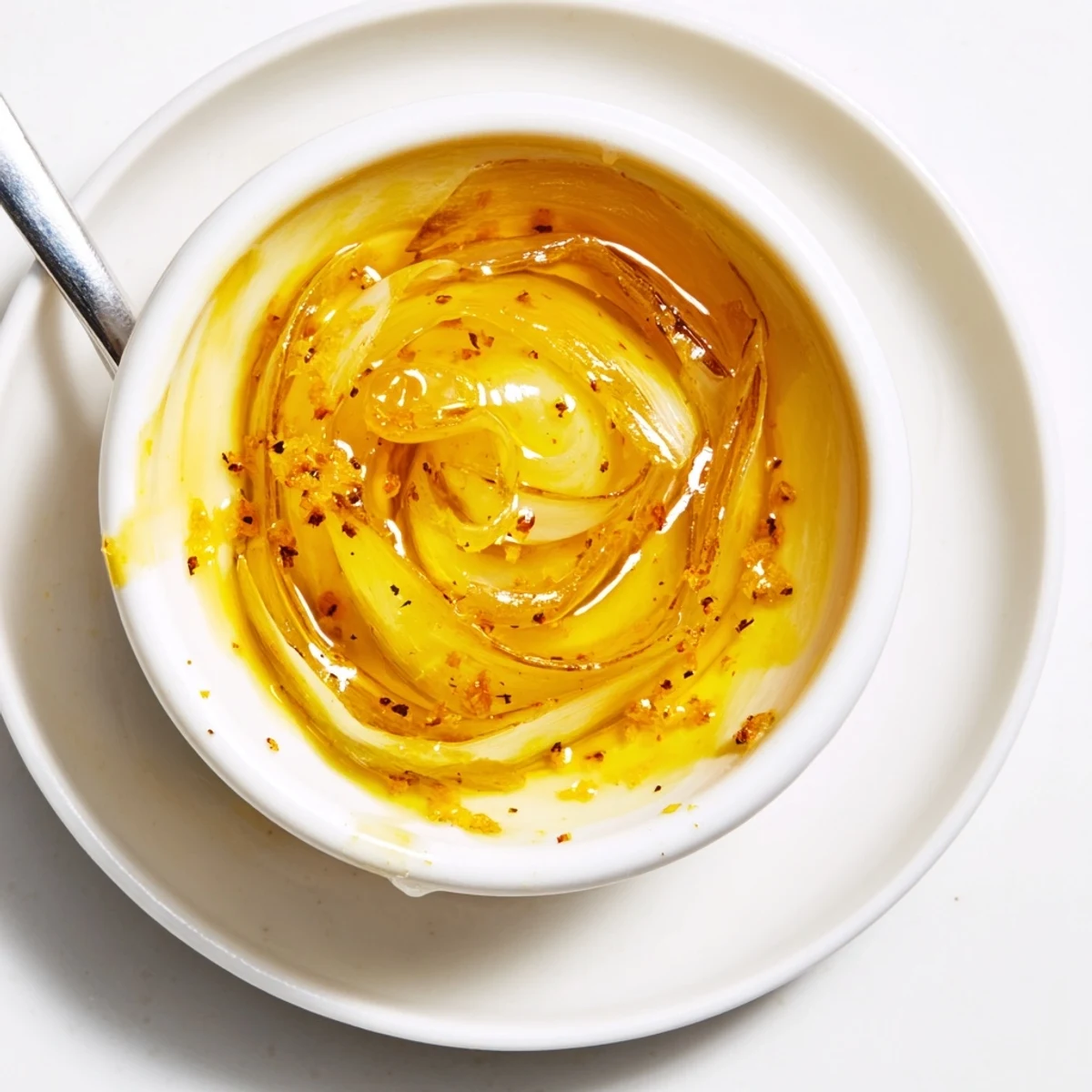
 In a medium bowl, whisk together fresh orange juice, finely grated orange zest, white wine vinegar, Dijon mustard, honey, salt, and freshly ground black pepper until combined. Continue whisking while adding extra-virgin olive oil in a slow steady stream to form a silky emulsion. Taste and adjust seasoning; refrigerate up to five days and shake or whisk before serving. Try with mixed greens, grilled asparagus, or as a marinade for fish; add minced shallot or a squeeze of lemon to vary the acidity.
The window was open and a warm breeze kept fluttering the recipe card propped against my cutting board the afternoon I stumbled onto this dressing.
My neighbor Lisa brought over a bag of backyard oranges one Saturday and stood in my kitchen watching me whisk this together, dipping her finger in for a taste before I even finished pouring the oil.
Ingredients
- 1/3 cup freshly squeezed orange juice (1 large orange): Fresh is nonnegotiable here because bottled juice tastes flat and metallic against the vinegar.
- 2 tablespoons white wine vinegar or champagne vinegar: Either works beautifully but champagne vinegar gives a softer edge.
- 1 teaspoon finely grated orange zest: This is where the perfume lives so grate only the bright outer layer and stop before hitting the bitter white pith.
- 1 teaspoon Dijon mustard: It acts as the bridge holding everything together while adding a gentle heat.
- 1 tablespoon honey or maple syrup: Maple syrup makes it vegan and adds a lovely earthy depth.
- 1/2 teaspoon sea salt: Salt wakes up every note so do not skimp.
- 1/4 teaspoon freshly ground black pepper: Freshly cracked pepper brings a subtle warmth you cannot get from preground.
- 1/2 cup extra virgin olive oil: Use a good fruity oil because it carries the entire body of the vinaigrette.
Instructions
- Build the flavor base:
- Pour the orange juice into a medium bowl and add the zest, vinegar, Dijon mustard, honey, salt, and pepper, then whisk until the honey dissolves and everything looks unified.
- Stream in the oil:
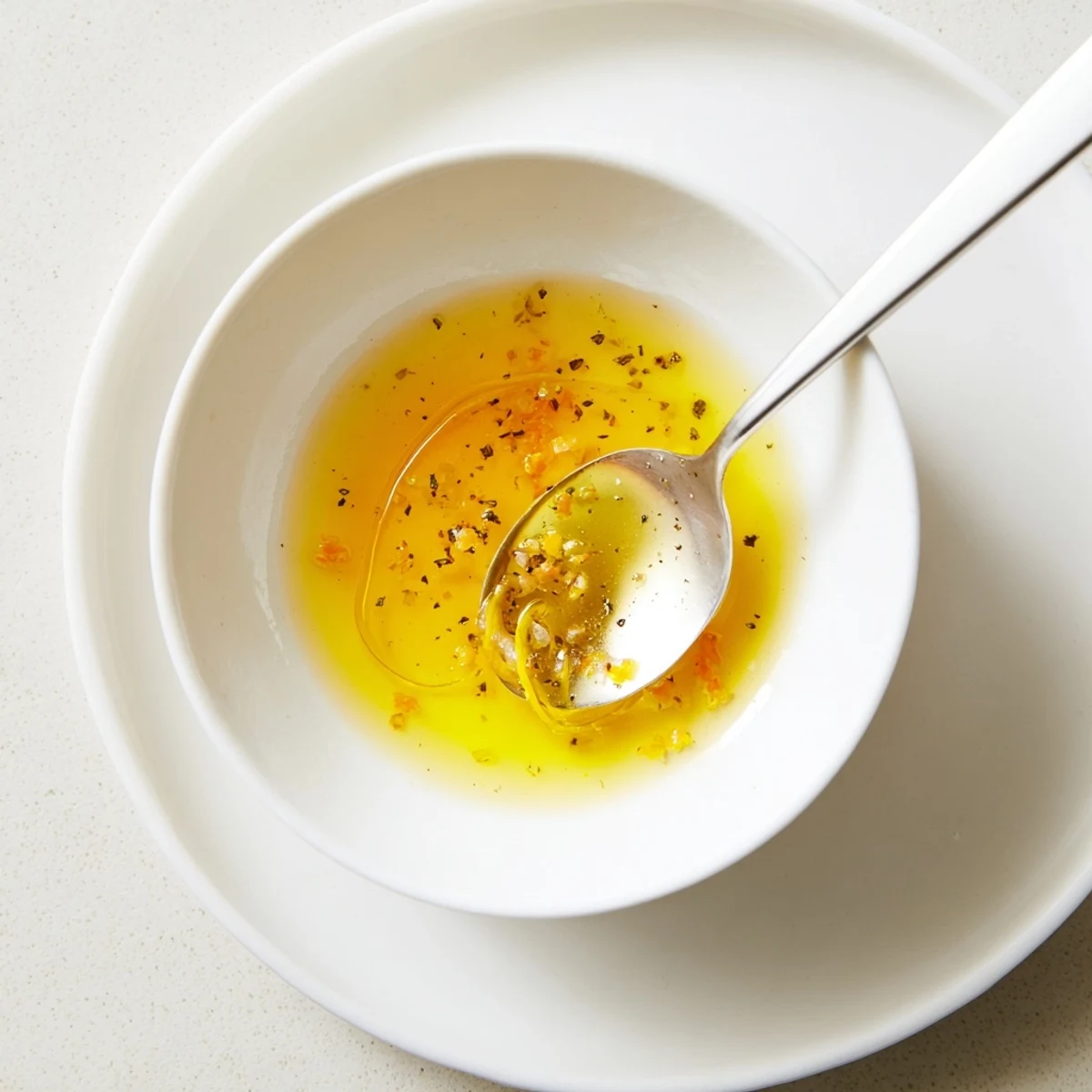
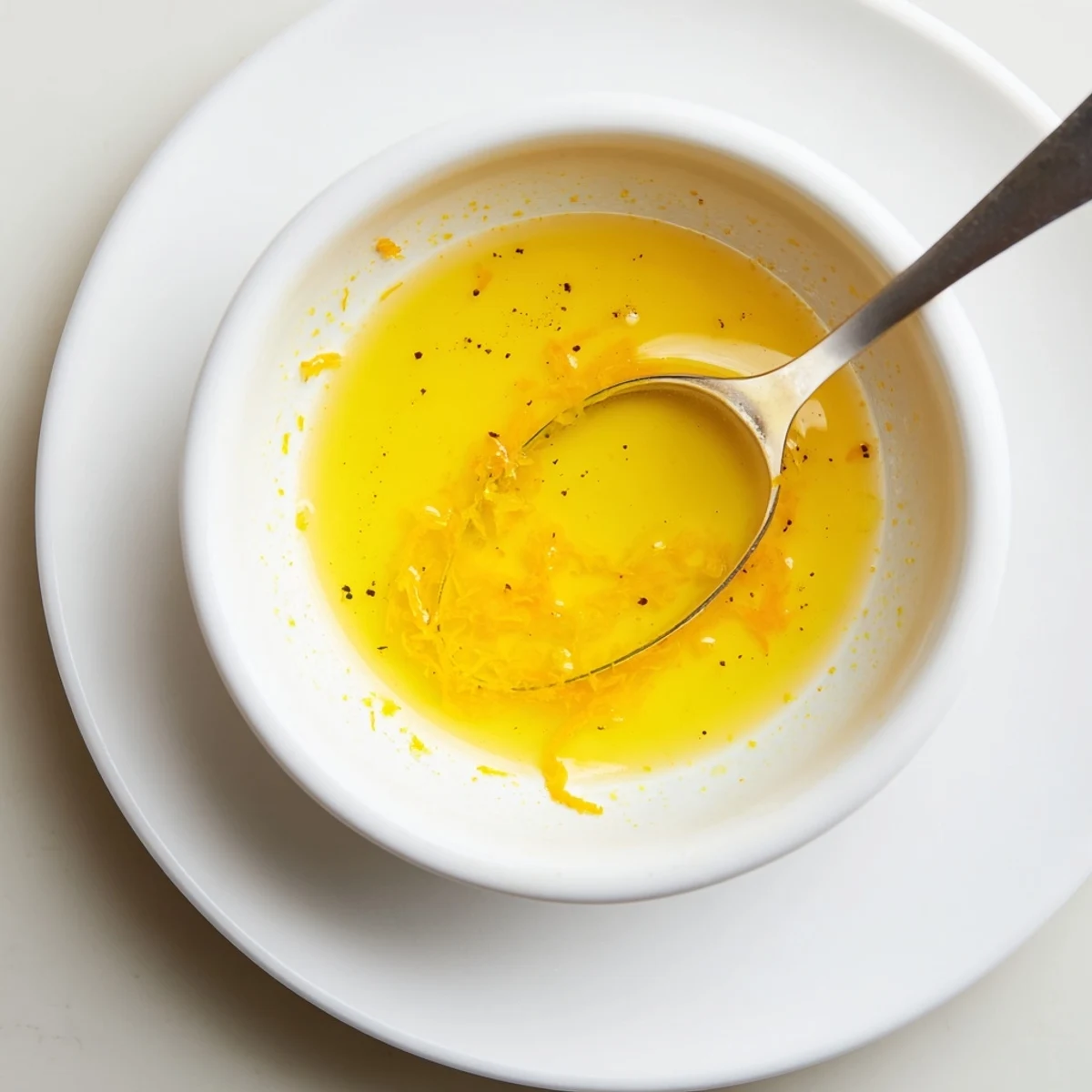
- Whisking constantly, pour the olive oil in a thin slow stream so the dressing gradually thickens into a silky cream that coats the back of a spoon.
- Taste and adjust:
- Dip a small piece of lettuce in, chew, and decide if it needs another pinch of salt or a squeeze more honey to suit your palate.
- Store or serve:
- Use it right away over salad or decant into a jar and refrigerate for up to five days, shaking well before each use.
 Pin It
 A drizzle of this over grilled asparagus turned a random Tuesday dinner into the meal my family still talks about months later.
Best Pairings for Orange Vinaigrette
I have tossed it with peppery arugula and toasted pecans, used it as a quick marinade for salmon fillets, and even spooned it over roasted carrots when I had nothing else on hand.
Making It Your Own
Swap half the orange juice for lemon if you want sharper acidity, or stir in a teaspoon of chopped fresh tarragon when you are feeling ambitious.
Storage and Freshness
The dressing holds beautifully in a mason jar in the refrigerator though the olive oil will solidify slightly at cold temperatures.
- Let it sit on the counter for ten minutes before serving.
- Give it a vigorous shake and it will come back together.
- Discard any leftovers after five days because the citrus loses its brightness.
 Pin It
 Keep a jar of this in your fridge and you will find yourself looking for excuses to make salad.
Recipe Questions
- → How do I get a stable emulsion?
-
Start by whisking the acidic ingredients and mustard together, then add the olive oil in a thin, steady stream while whisking vigorously. Dijon acts as an emulsifier to help bind oil and juice into a silky dressing.
- → Can I swap the sweetener?
-
Yes. Maple syrup or agave work well in place of honey, especially for a vegan option. Adjust the amount to taste if you prefer less sweetness.
- → How long will it keep?
-
Stored in a sealed container in the refrigerator, the vinaigrette keeps for up to five days. Oil may solidify slightly when cold—shake or whisk to recombine before using.
- → What citrus substitutions work?
-
Lemon or grapefruit can replace some or all of the orange for brighter acidity or a different citrus profile. If swapping, taste and tweak the sweetener to balance the acidity.
- → Is Dijon mustard necessary?
-
Dijon adds both tang and emulsifying power; omitting it will make the dressing less stable and more prone to separation. You can substitute whole-grain mustard for texture or reduce the amount if preferred.
- → What dishes pair best with this vinaigrette?
-
It brightens mixed green salads, complements grilled vegetables like asparagus, and makes a lively marinade or finishing sauce for fish and seafood. A little zest and shallot can elevate grain bowls and roasted vegetables as well.