
 Pin It
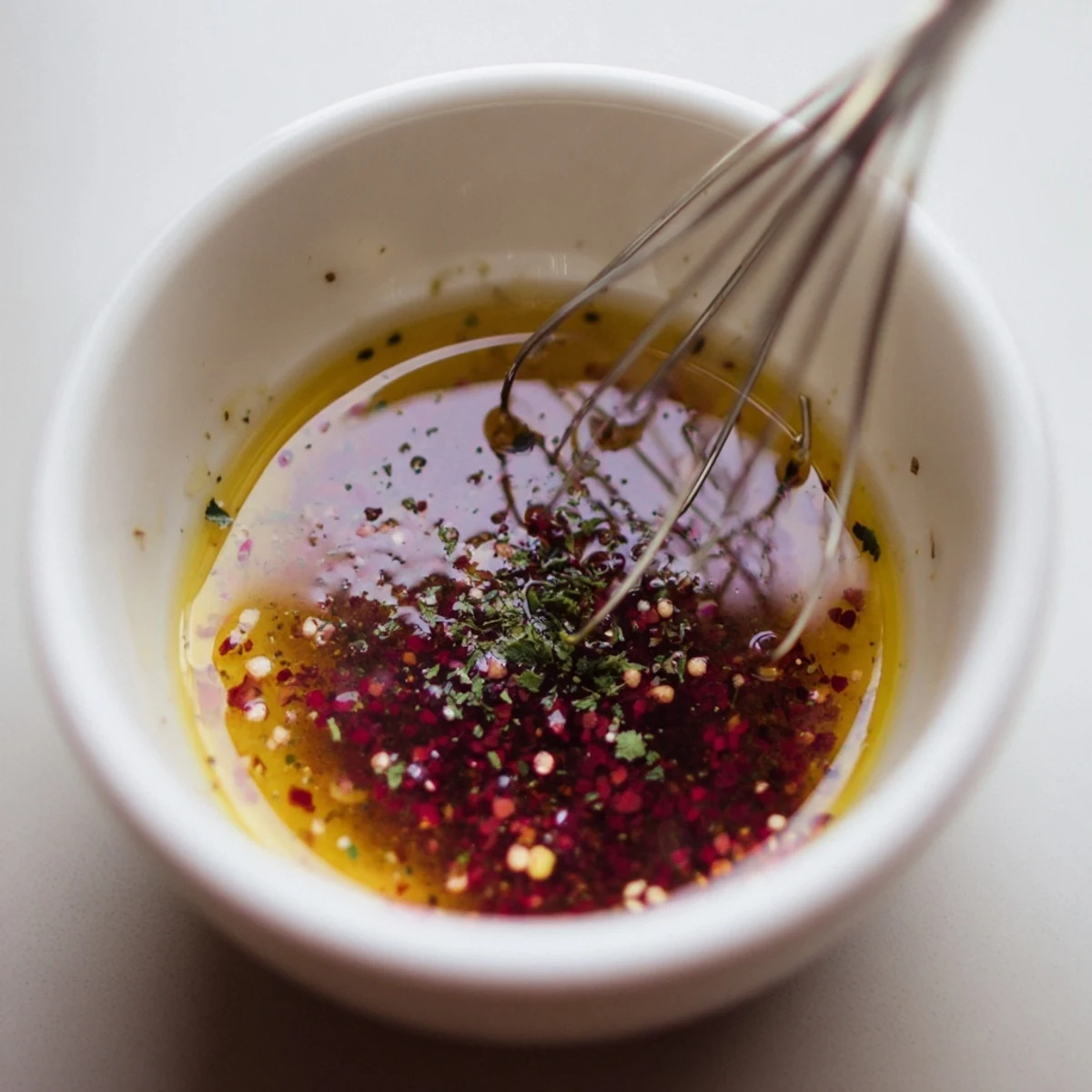
 In minutes, whisk red wine vinegar, Dijon, minced garlic, honey (optional), salt and pepper, then slowly stream in extra virgin olive oil until bright and emulsified. Use about a 3:1 oil-to-vinegar ratio (6 tbsp oil to 2 tbsp vinegar) and tweak acidity or sweetness to taste. Stir in chopped herbs for freshness. Store chilled up to a week; shake before using. Swap half the oil for broth for a lighter pourable finish. Excellent on greens, grain bowls, or as a quick marinade for chicken or fish.
My grandmother never measured anything for her vinaigrette, she just poured and tasted and poured again, and somehow it was perfect every single time.
I once brought this to a potluck and three people pulled me aside to ask for the recipe, expecting something complicated, and I almost felt guilty revealing how simple it was.
Ingredients
- Extra virgin olive oil (6 tbsp): Use the good stuff here since it is the backbone of the whole dressing, a fruity, grassy oil makes all the difference.
- Red wine vinegar (2 tbsp): The classic pairing with olive oil, but honestly you can swap in balsamic or apple cider vinegar depending on your mood.
- Dijon mustard (1 tsp): This is the secret emulsifier that holds everything together and adds a subtle heat that wakes up the whole dressing.
- Garlic, finely minced (1 clove): One clove is enough, you want a whisper of garlic not a shout, so mince it as finely as you possibly can.
- Honey or maple syrup (1/2 tsp, optional): Just a tiny pinch rounds out the acidity and makes the flavors sit together more comfortably on your tongue.
- Sea salt (1/2 tsp): Salt opens up every other flavor in the bowl, so do not skip it even if you think you do not need it.
- Freshly ground black pepper (1/4 tsp): Always grind it fresh, the pre ground stuff tastes like dust compared to the real thing.
- Fresh herbs, chopped (1 tbsp, optional): Parsley, chives, or tarragon each give the vinaigrette a completely different personality, so experiment freely.
Instructions
- Build the flavor base:
- In a medium bowl or a jar with a lid, combine the red wine vinegar, Dijon mustard, minced garlic, honey if you are using it, salt, and pepper, and whisk them together until the mustard dissolves into a smooth paste.
- Stream in the oil slowly:
- Start drizzling the olive oil in a thin, steady stream while whisking with purpose and energy, and watch as the mixture transforms from separated and watery into something thick, glossy, and unified.
- Add your finishing touches:
- Stir in any fresh herbs you are using, then dip a finger or a spoon in and taste it, adjusting salt or vinegar until it sings exactly the way you want it to.
- Store or serve right away:
- Use it immediately over your favorite salad, or seal it in a jar and keep it in the refrigerator for up to one week, shaking vigorously before each use to bring it back together.
 Pin It
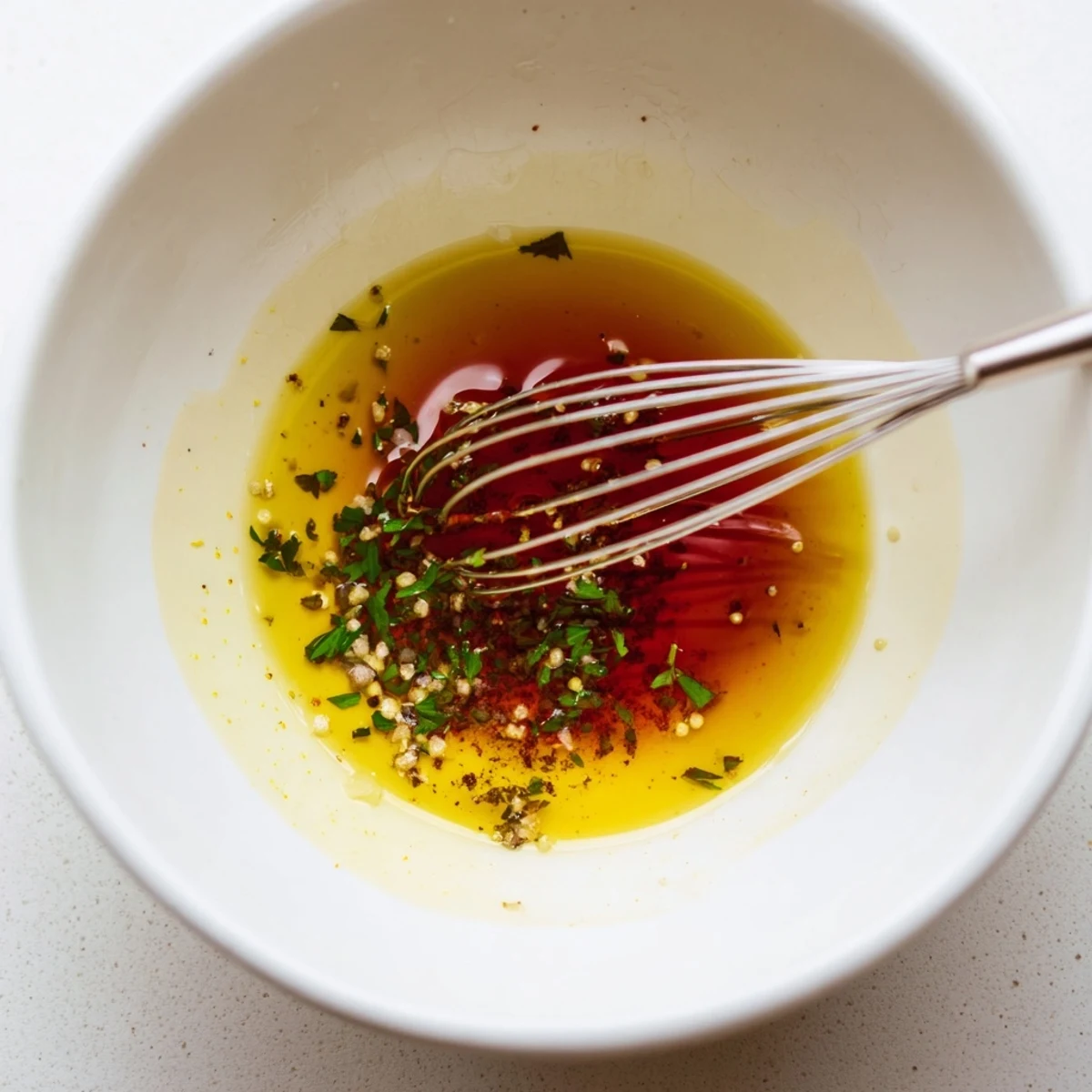
 There is something quietly satisfying about shaking a jar of your own vinaigrette and hearing it come back to life before dinner.
Picking the Right Vinegar
Red wine vinegar is the traditional choice and it delivers a sharp, clean tang that pairs beautifully with bitter greens and roasted vegetables. Sherry vinegar adds a nutty depth, while apple cider vinegar brings a friendly fruitiness.
What to Drizzle It Over
This dressing is far too good to limit to salads alone. Try it spooned over warm roasted carrots, grain bowls, or even as a quick marinade for chicken thighs before grilling.
Tools You Actually Need
A fork works if you do not have a whisk, and a repurposed jam jar with a tight lid is honestly the best vessel for both mixing and storing.
- Shaking in a jar often emulsifies better than whisking in a bowl.
- Let the garlic sit in the vinegar for five minutes before adding oil to mellow its bite.
- Always label your jar with the date so you know when the week is up.
 Pin It
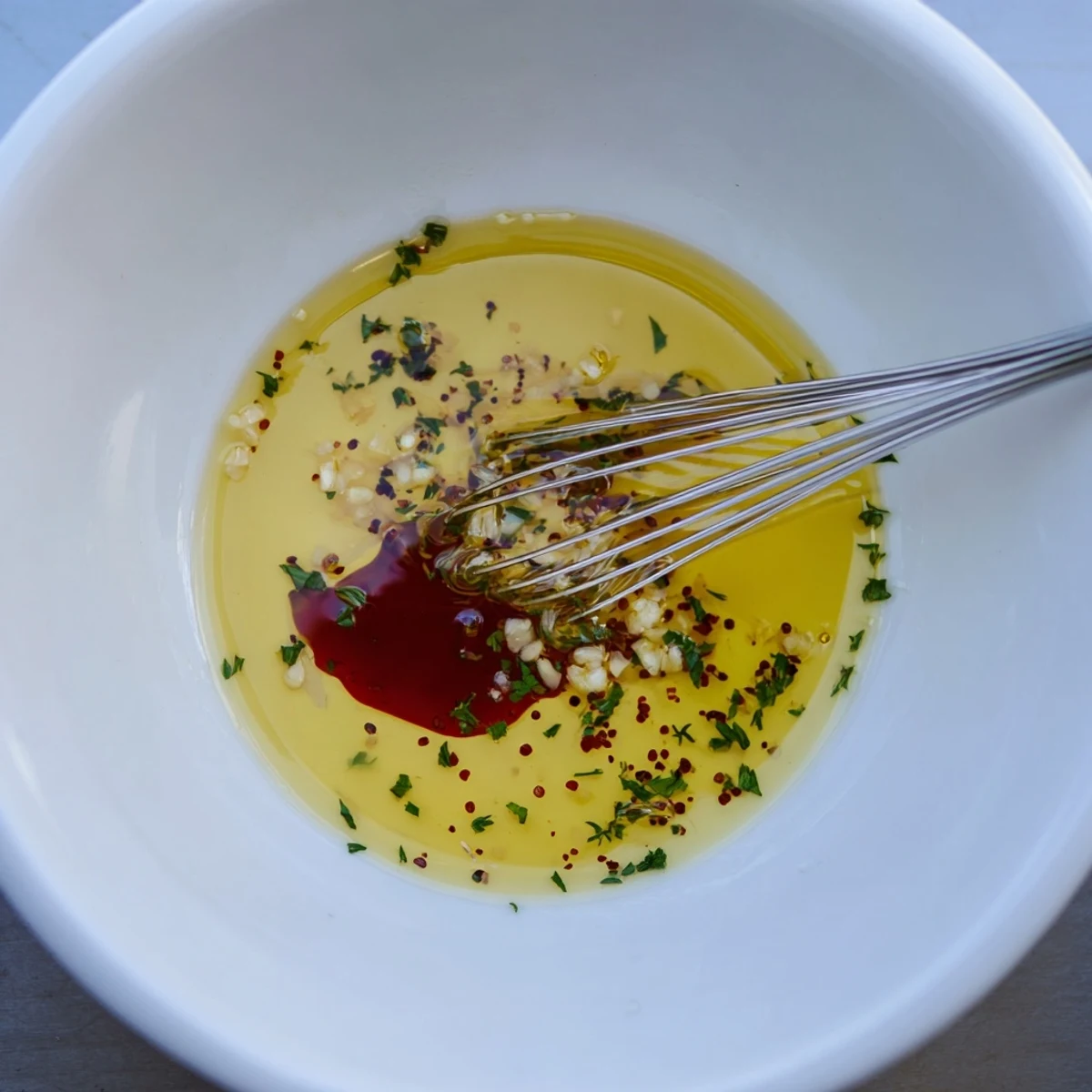
 Keep a jar of this in your fridge and you will find yourself reaching for it constantly, drizzling it over things you never thought needed dressing.
Recipe Questions
- → How do I get a smooth, stable emulsion?
-
Whisk the vinegar, mustard and seasonings first, then add the oil in a slow, steady stream while whisking vigorously. Dijon acts as an emulsifier; using a jar with a tight lid and shaking or a quick blender pulse helps stabilize the mixture.
- → Can I make a lighter version?
-
Yes. Substitute up to half the oil with water or a light vegetable broth to reduce fat while keeping body. Adjust seasoning after diluting to maintain flavor balance.
- → What vinegars work well besides red wine vinegar?
-
Try balsamic for sweetness, apple cider for bright fruitiness, or sherry for a nutty depth. Each vinegar shifts acidity — taste and adjust the oil and sweetener accordingly.
- → How long will it keep in the fridge?
-
Stored in a sealed container, the dressing keeps up to one week. Flavors meld over time; always shake or whisk before using to recombine the separated oil and vinegar.
- → Is this good as a marinade?
-
Yes. The acid tenderizes proteins—use the vinaigrette as a quick marinade for chicken or fish for 15–60 minutes. For longer marinating, reduce the acid slightly to avoid over-tenderizing delicate proteins.
- → How do I adjust the flavor balance?
-
Taste and tweak: add more vinegar for brightness, more oil for richness, a pinch more salt to enhance flavors, or a little honey/maple to soften sharpness. Fresh herbs add a finishing lift.