
 Pin It
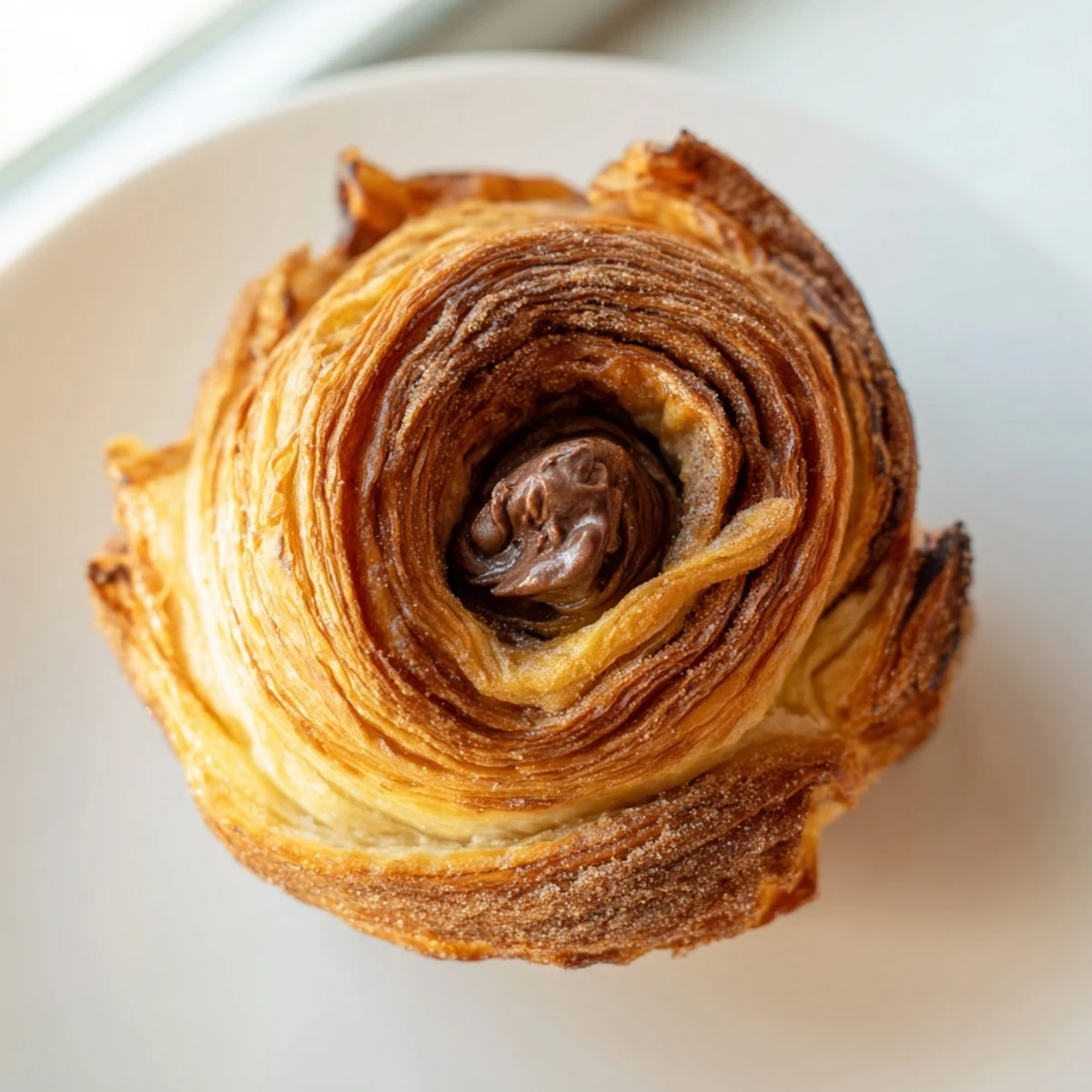
 Cruffins bring together the best of croissants and muffins in one irresistible pastry. Made by laminating a rich yeasted dough with generous layers of butter, then rolling, twisting, and baking in a muffin tin, they deliver shatteringly flaky results.
Once baked to deep golden brown, they can be brushed with melted butter and rolled in cinnamon sugar, or filled with chocolate spread, fruit preserves, lemon curd, or pastry cream using a piping bag.
Plan ahead for resting and chilling time — the lamination process requires patience but rewards you with professional-quality pastries straight from your home oven.
My kitchen counter was dusted white with flour at seven in the morning, and the smell of butter browning in a skillet nearby nearly derailed the whole project before it started. I had bookmarked a cruffin recipe months ago and somehow convinced myself a rainy Saturday was the perfect time to attempt laminated dough. Three hours later, golden spiraled pastries emerged from the oven looking like they came from a Parisian bakery, and my family descended on them before they even cooled.
I brought a batch of cinnamon sugar cruffins to a friends brunch potluck and watched three people freeze mid conversation when they bit into the flaky layers. Someone asked which bakery I had secretly ordered from, and I honestly felt like a kitchen magician for the rest of the afternoon.
Ingredients
- 500 g all purpose flour: Gives the dough enough structure to hold all those buttery layers without tearing during rolling.
- 60 g granulated sugar: A modest amount that sweetens the dough gently without interfering with the yeast.
- 10 g instant dry yeast: Instant yeast saves time because you can mix it straight into the flour without proofing first.
- 10 g fine sea salt: Salt strengthens the gluten network and balances the sweetness beautifully.
- 250 ml warm milk: Warm but not hot, around body temperature, so it wakes the yeast without killing it.
- 1 large egg: Adds richness and helps bind the dough together into a smooth elastic ball.
- 50 g unsalted butter, softened: Mixed directly into the dough for tenderness before the lamination butter goes in.
- 200 g unsalted butter, room temperature: This is your laminating butter, so use the best quality European style butter you can find for maximum flavor.
- 100 g sugar and 2 tsp cinnamon: The classic coating that turns plain cruffins into something reminiscent of a churro.
- 120 g chocolate spread: My go to filling when I want something indulgent without extra effort.
- 100 g fruit preserves or jam: Raspberry or apricot jam cuts through the butteriness with a bright fruity note.
- Lemon curd, Nutella, or pastry cream: Pipe these into the finished cruffins for a bakery worthy presentation.
Instructions
- Mix and knead the dough:
- Combine the flour, sugar, yeast, and salt in a large bowl, then pour in the warm milk mixed with the egg. Stir until a shaggy dough forms, add the softened butter, and knead for about 8 to 10 minutes until the dough feels smooth and springs back when you press it with your finger.
- Prepare the butter block:
- Place the butter between two sheets of parchment paper and use your rolling pin to shape it into a neat rectangle about 20 by 25 cm. Pop it into the fridge until it is firm but still bendable, which usually takes about 15 minutes.
- Laminate with patience:
- Roll the risen dough into a large rectangle, set the butter block over one half, and fold the other half on top like closing a book. Roll it out gently and fold into thirds like a letter, then chill for 20 minutes before repeating this roll and fold two more times.
- Cut and fill the strips:
- Roll the laminated dough into a large rectangle and trim the edges so they are clean and even. Cut the dough into 12 long strips and spread a thin layer of your chosen filling along each one.
- Shape into cruffins:
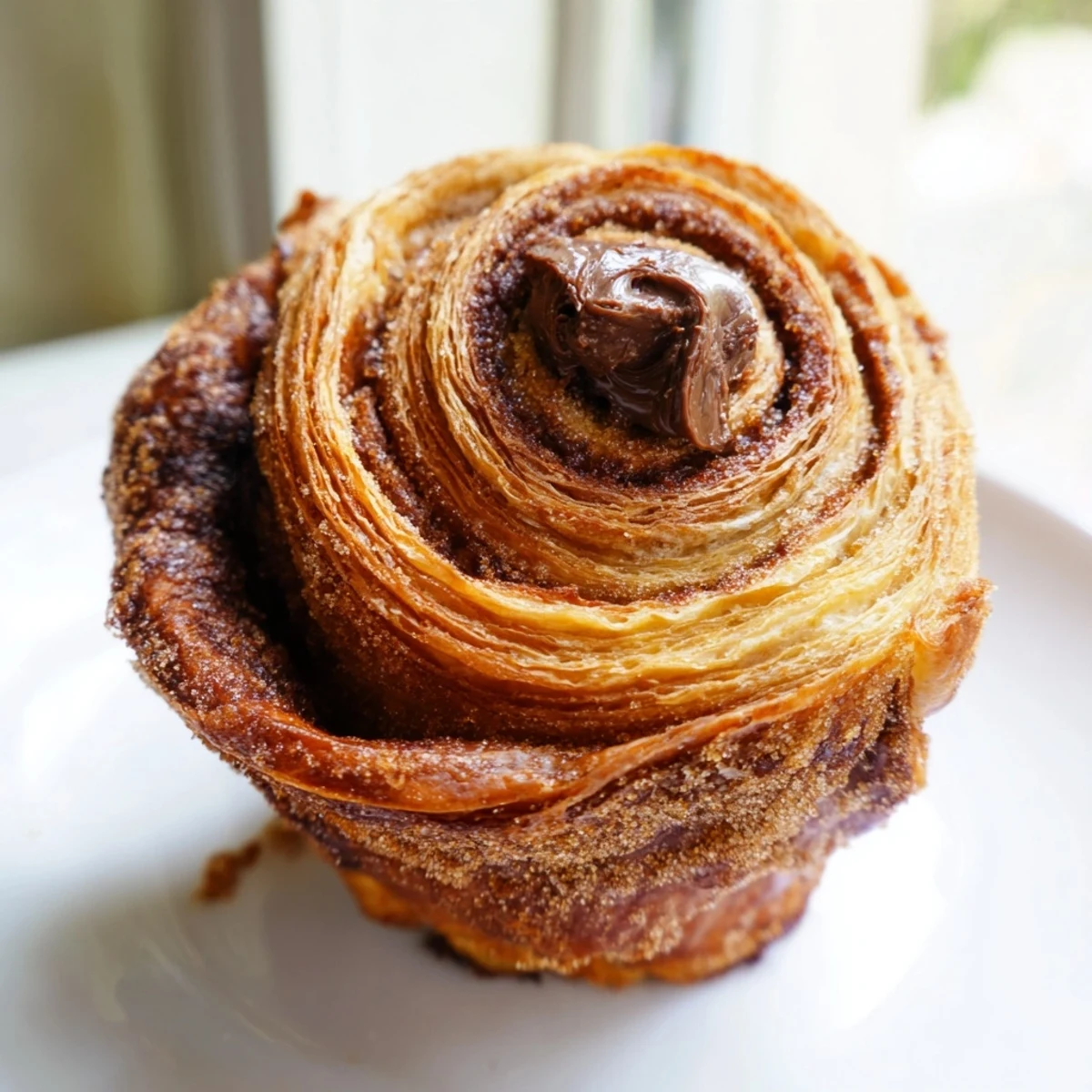
- Roll each strip tightly into a spiral, then slice it lengthwise down the middle to expose all those gorgeous layers. Twist each half loosely and tuck it into a greased muffin tin cavity with the cut side facing up.
- Let them puff up:
- Cover the tin loosely with a kitchen towel and let the shaped cruffins rise for 45 to 60 minutes until they look visibly puffy and have nearly filled the cavities.
- Bake to golden perfection:
- Preheat your oven to 200 degrees Celsius and bake the cruffins for 20 to 25 minutes until they are a deep golden brown and smell incredibly buttery.
- Finish with flair:
- While the cruffins are still warm, brush them lightly with melted butter and roll them in cinnamon sugar if you like. Let them cool on a wire rack, or pipe extra filling inside using a piping bag for a truly decadent treat.
 Pin It
 One Sunday I piped lemon curd into a batch and my daughter declared them better than any donut she had ever eaten, which from a seven year old is basically a Michelin star.
Getting the Layers Right
The entire magic of a cruffin lives in those thin, distinct layers, and the secret is temperature control. If your kitchen is warm, work quickly during each fold and never skip the chilling time between rounds. I learned the hard way that rushing through lamination produces a sad, bready muffin instead of a shatteringly flaky one.
Choosing Your Fillings
Thick fillings work best because runny ones leak out during baking and burn on the pan. Chocolate spread and pastry cream hold up beautifully, while thin jams can be gently warmed and reduced on the stove for a few minutes to concentrate them first.
Storing and Reheating
Cruffins are at their absolute best within hours of baking, but you can extend their life with proper storage. If you must keep them overnight, reheat gently in a low oven to revive some of the flakiness.
- Store leftover cruffins in an airtight container at room temperature for up to one day.
- Reheat at 150 degrees Celsius for about 5 minutes to crisp the exterior again.
- Never refrigerate them or the butter will seize and the texture will turn dense and disappointing.
 Pin It
 Make these once and you will understand why people line up at bakeries for them, except yours will be warm from your own oven and filled with whatever your heart desires.
Recipe Questions
- → Why is my cruffin dough not rising properly?
-
Ensure your milk is warm but not hot — around 38°C (100°F). Water that is too hot will kill the yeast. Also check that your yeast is fresh and not expired. Give the dough enough time in a warm, draft-free spot until it has visibly doubled in size.
- → Can I make the dough ahead of time?
-
Yes, you can prepare the laminated dough the day before and refrigerate it overnight. This actually makes it easier to handle during shaping. Let it come to just cool room temperature before rolling and cutting your strips.
- → What is the best butter to use for lamination?
-
Use high-quality unsalted butter with a fat content of at least 82%. European-style butters work especially well because they have less moisture and a firmer texture, which creates cleaner, more distinct layers during folding.
- → How do I get the spiral layers to show clearly?
-
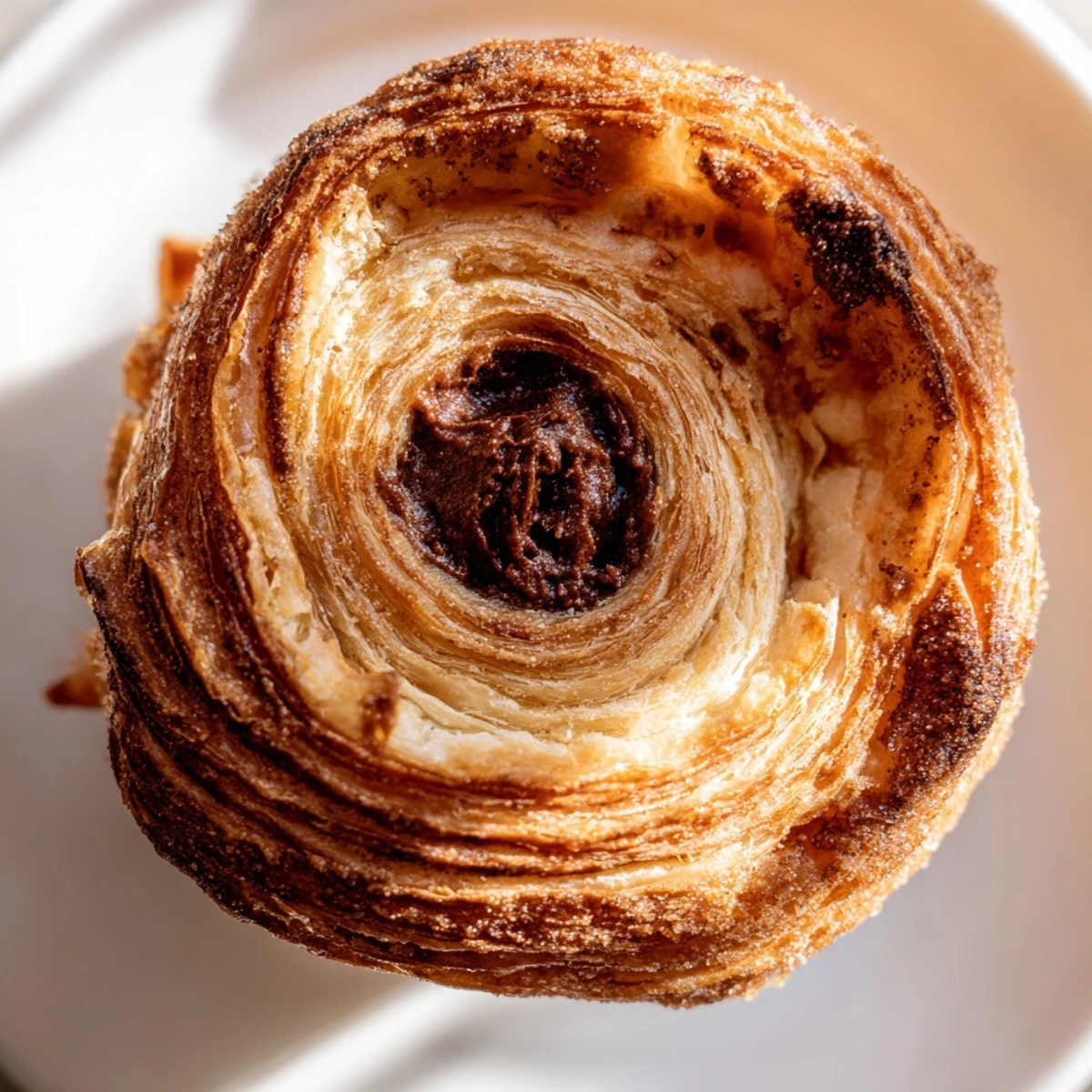
After rolling each strip tightly into a spiral, cut it lengthwise down the center to expose the interior layers. Twist each half loosely and place it cut side up in the muffin tin cavity so the flaky layers are visible on top after baking.
- → Can I freeze baked cruffins?
-
Baked cruffins are best enjoyed fresh the same day. However, you can freeze them uncovered on a tray, then transfer to an airtight container for up to one month. Reheat directly from frozen in a 170°C (340°F) oven for about 8 to 10 minutes.
- → What fillings work best inside cruffins?
-
Thick fillings like chocolate spread, lemon curd, fruit preserves, pistachio paste, and pastry cream work best because they stay in place during rolling and baking. Avoid runny fillings that could leak out and make the dough soggy.