
 Pin It
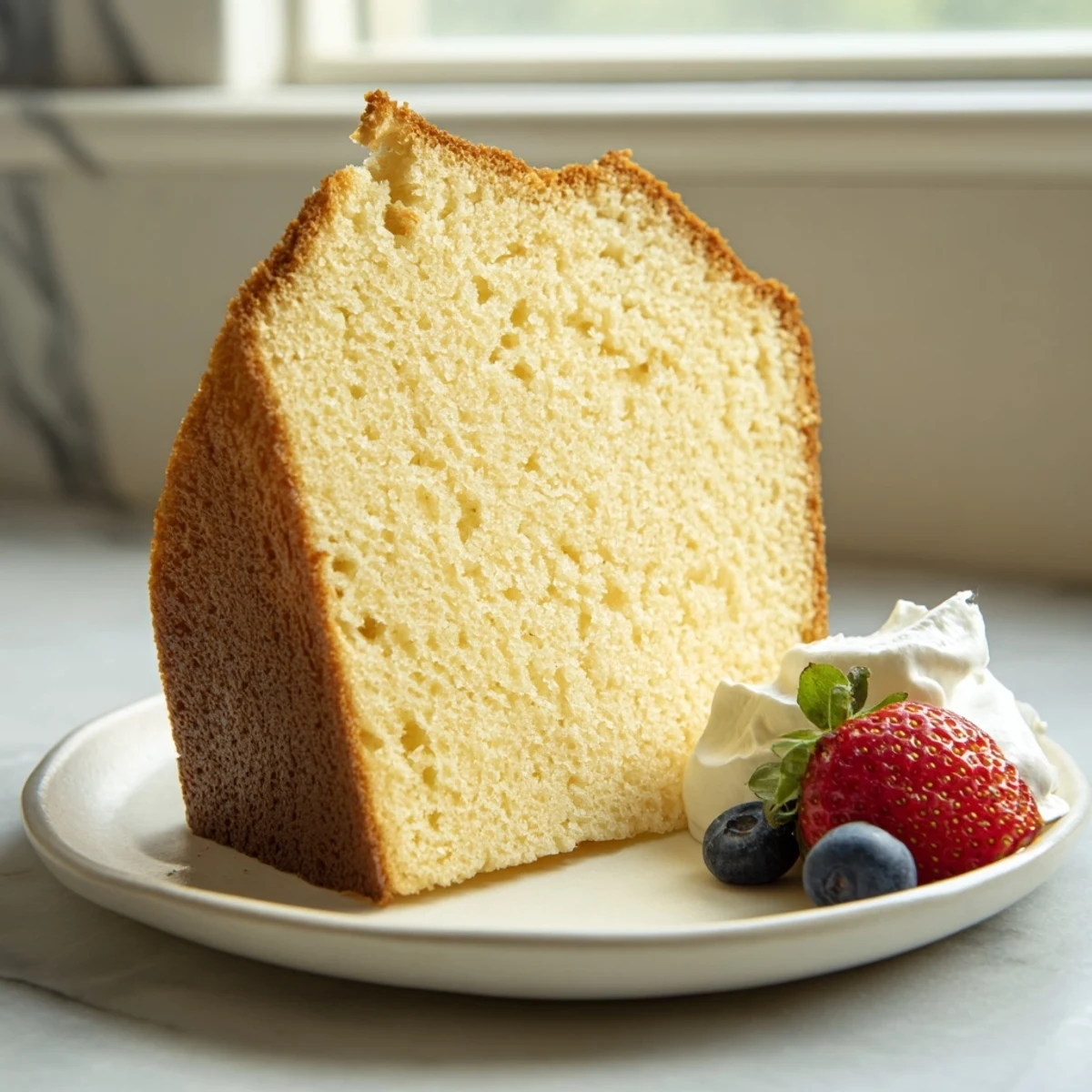
 This classic American pound cake delivers a rich, buttery flavor with an incredibly tender crumb. Made with simple pantry staples — flour, butter, sugar, eggs, milk, and vanilla — it comes together in just 20 minutes of prep time.
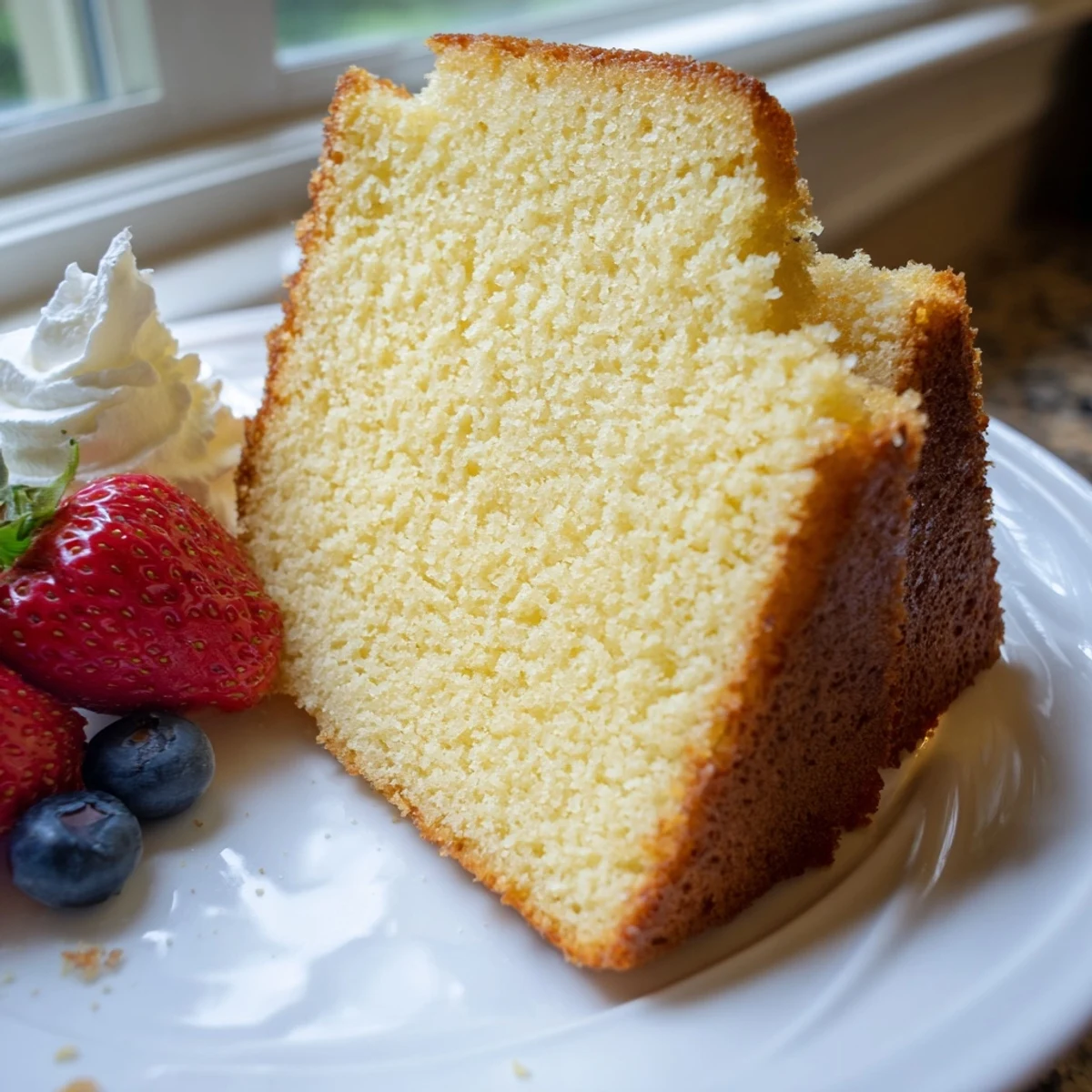
The secret lies in properly creaming the butter and sugar until light and fluffy, then adding eggs gradually before gently folding in the dry ingredients alternating with milk. Baked low and slow at 350°F for about an hour, the result is a golden loaf with a beautifully crisp exterior and a moist, velvety interior.
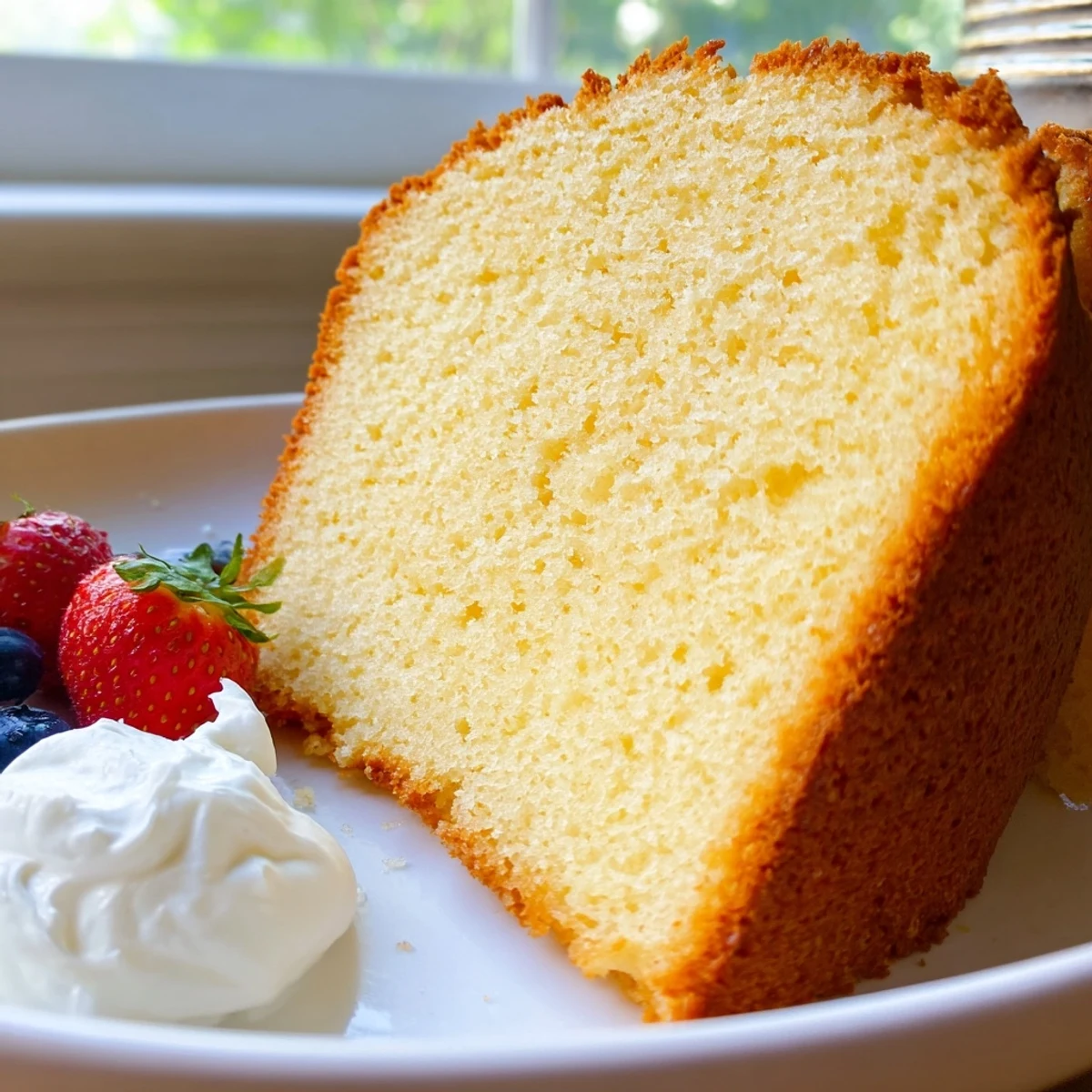
Serve warm slices with fresh berries and whipped cream, or enjoy it plain alongside a steaming cup of afternoon tea.
There is something almost meditative about creaming butter and sugar until it turns pale and cloudlike, the mixer humming a low steady note against the quiet of a Sunday kitchen. Pound cake was one of the first things I baked without a recipe card in front of me, trusting my hands to know when the batter looked right. It taught me that simple food, made with patience, almost always beats something complicated. This is the kind of cake that does not need frosting or fanfare, just a cup of something warm and a slow afternoon.
A friend once brought a basket of strawberries straight from the farmers market to my door, and I immediately knew a pound cake was the only proper way to receive them. We sat on the back porch with thick slices, macerated berries, and nothing else on the agenda. The cake disappeared before the sun went down, and it has been my default gift for every porch visit since.
Ingredients
- 2 cups (250 g) all-purpose flour: This is the backbone of the cake, so spoon it into the measuring cup and level it off with a knife rather than scooping directly from the bag.
- 1/2 teaspoon baking powder: Just a touch to give the crumb a slight lift without turning it into something cakey and airy.
- 1/4 teaspoon salt: Do not skip this, it sharpens every note of butter and vanilla in the finished slice.
- 1 cup (225 g) unsalted butter, softened: Let it sit out until it holds a thumbprint easily, because cold butter will leave you with dense pockets you did not ask for.
- 1 2/3 cups (330 g) granulated sugar: It seems like a lot, but pound cake earns every grain of it through its buttery richness.
- 4 large eggs, at room temperature: Cold eggs can cause the batter to curdle, so set them out with the butter and let everything come to the same temperature together.
- 2 teaspoons pure vanilla extract: Use the real stuff here, not imitation, because there is nowhere for artificial flavor to hide in a cake this simple.
- 1/2 cup (120 ml) whole milk, at room temperature: Whole milk gives the best texture, and room temperature milk blends into the batter without causing it to seize.
Instructions
- Prepare your pan and oven:
- Heat the oven to 350 degrees F and grease a 9x5 inch loaf pan generously, then dust it with flour or line it with parchment so the cake releases cleanly.
- Whisk the dry ingredients together:
- In a medium bowl, combine the flour, baking powder, and salt with a whisk until evenly distributed, then set it aside.
- Cream the butter and sugar:
- Beat the softened butter and sugar with an electric mixer on medium speed for a full three to four minutes until the mixture looks pale, fluffy, and almost whipped in texture.
- Add the eggs one by one:
- Drop in each egg separately, beating well after each one so the batter stays smooth and emulsified, then stir in the vanilla extract until it disappears into the mixture.
- Alternate flour and milk:
- With the mixer on low, add the dry ingredients in three additions, pouring in the milk between them, starting and ending with the flour mixture, and stop mixing the moment everything is combined.
- Pour and smooth the batter:
- Transfer the batter into your prepared pan and use a spatula to smooth the top so it bakes evenly without a dramatic dome.
- Bake until golden and set:
- Slide the pan into the center of the oven and bake for 55 to 65 minutes, checking with a toothpick at the 55 minute mark, and pull it out when the toothpick comes out clean.
- Cool before slicing:
- Let the cake rest in the pan for ten minutes to firm up, then turn it out onto a wire rack and wait until it is completely cool before cutting into it.
 Pin It
 The real magic of this cake hits somewhere around the second day, when the crumb has settled and the buttery flavor deepens into something almost caramel like.
Serving Suggestions Worth Trying
A thick slice of this cake with a handful of fresh raspberries and a cloud of barely sweetened whipped cream is the kind of dessert that makes people go quiet for a moment. In colder months, try warming a slice and letting a spoonful of lemon curd melt across the top. For a citrus variation, fold a tablespoon of fresh lemon or orange zest into the batter before baking and watch how it transforms the whole loaf.
Storing It Right
Wrap leftover cake tightly in plastic wrap or stash it in an airtight container and it will stay moist at room temperature for up to three days. After that, it freezes beautifully when wrapped in foil and sealed in a freezer bag, ready to be thawed for unexpected guests. A brief toast in a skillet with a little butter turns day old slices into something practically deserving of their own recipe.
Getting It Right Every Time
A few small habits make all the difference between a good pound cake and one people will ask you to bring to every gathering. Pay attention to the details below and this recipe will never let you down.
- Use the spoon and level method for measuring flour to avoid a dense, heavy cake.
- Set out your butter, eggs, and milk at least an hour before you plan to bake.
- Always test with a toothpick inserted in the center, because the edges can look done while the middle is still wet.
 Pin It
 This is the cake you make when you want people to feel at home in your kitchen, no occasion required. Keep the recipe close, because someone will always ask for it.
Recipe Questions
- → Why is my pound cake dense or heavy?
-
A dense pound cake usually results from overmixing the batter once the flour is added, or from using cold ingredients. Always use room-temperature butter, eggs, and milk, and mix until just combined after adding the dry ingredients.
- → Can I use salted butter instead of unsalted?
-
Yes, you can substitute salted butter, but reduce or omit the added salt in the dry ingredients to prevent the cake from tasting overly salty. Unsalted butter gives you more control over the final flavor.
- → How do I know when the pound cake is fully baked?
-
Insert a toothpick into the center of the cake — it should come out clean or with just a few moist crumbs. The top should be golden brown, and the edges should slightly pull away from the pan. Baking typically takes 55 to 65 minutes at 350°F.
- → How should I store leftover pound cake?
-
Wrap the cooled cake tightly in plastic wrap or store it in an airtight container at room temperature for up to 3 days. For longer storage, freeze individual slices wrapped in plastic and foil for up to 3 months.
- → Can I add flavors like lemon or chocolate?
-
Absolutely. Add one tablespoon of lemon or orange zest to the batter for a citrus version. For a chocolate marble effect, swirl in a half cup of melted semi-sweet chocolate before baking. Almond extract can also replace half the vanilla for a nuttier profile.
- → What size pan should I use for pound cake?
-
A standard 9x5-inch (23x13 cm) loaf pan works best for this pound cake. Make sure to grease and flour the pan or line it with parchment paper to ensure easy release after baking.