
 Pin It
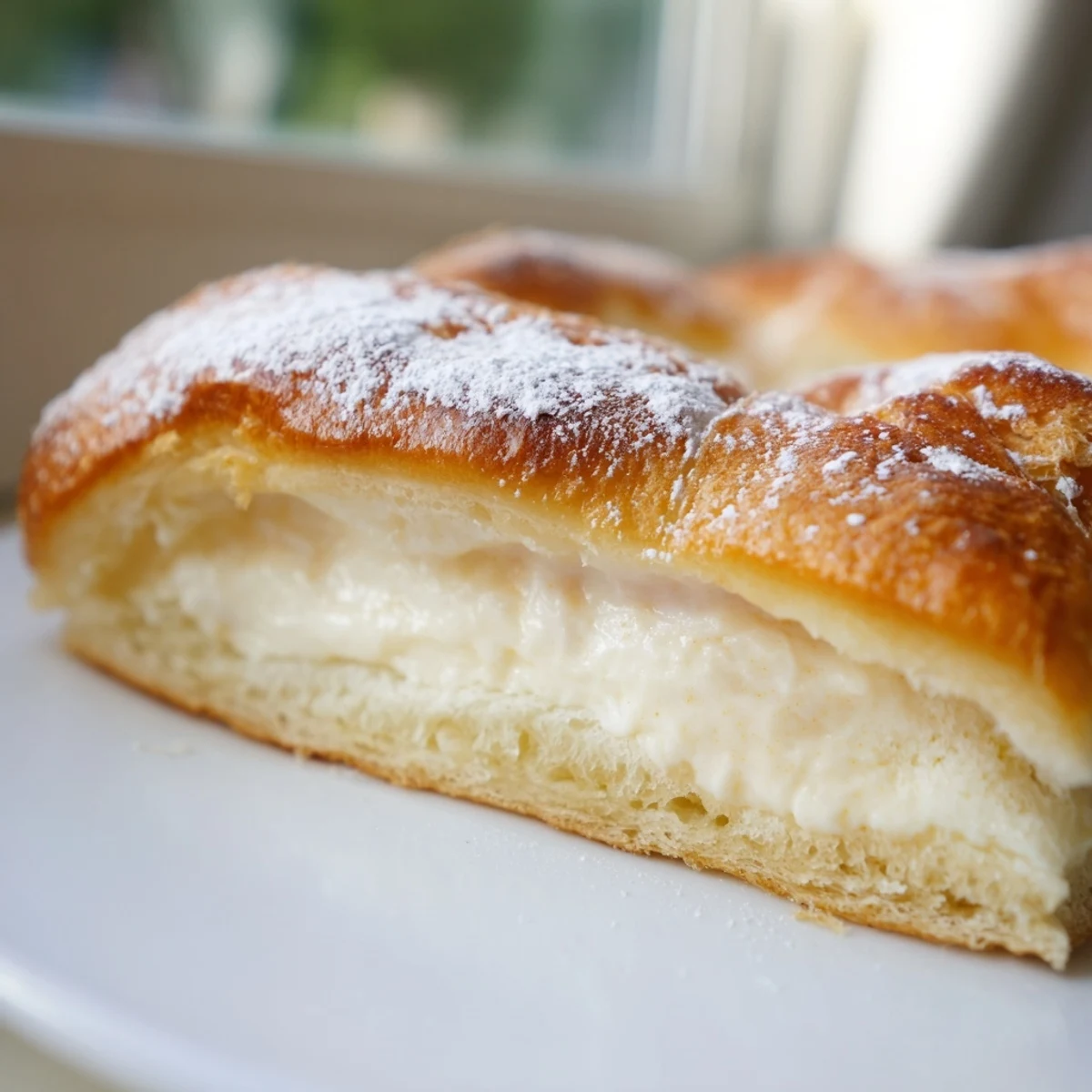
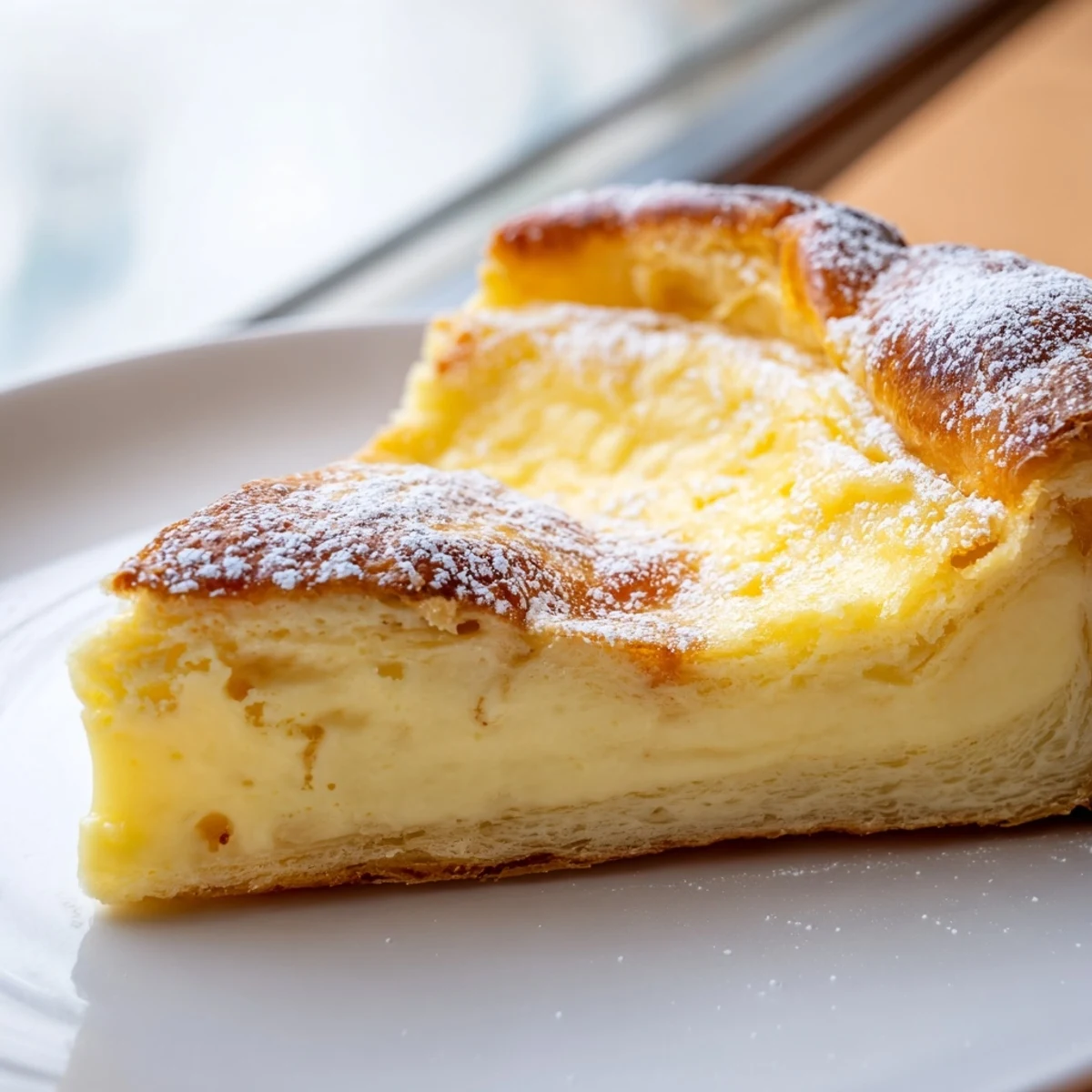
 This baked custard brioche pizza combines a buttery, pillowy homemade brioche dough with a rich, silky vanilla custard spread on top. After proofing for one hour, the dough is rolled into a 12-inch circle, topped with the cooled custard, and baked until golden and lightly caramelized.
The result is a decadent dessert that bridges French pastry technique with Italian pizza styling. Finished with a dusting of powdered sugar and fresh berries, it's perfect for a celebratory brunch or an elegant dinner party finale.
Allow about 50 minutes total time from start to finish, yielding 8 generous slices of pure indulgence.
My apartment smelled like a Parisian bakery had collided with an Italian nonna kitchen, and honestly I was not mad about it. The buttery aroma of brioche browning in the oven mingled with vanilla custard so fragrant it could have doubled as perfume. I had invited three friends over for brunch promising something special, and this custard topped pizza was the kind of showstopper that makes everyone go quiet after the first bite. It was messy, golden, and absolutely worth every minute of effort.
I first attempted this on a rainy Saturday when the idea of turning pizza into dessert felt like harmless rebellion. My friend Marco watched me wrestle with the sticky brioche dough and asked if I had lost my mind. Two hours later he was standing over the oven guarding the last slice.
Ingredients
- All-purpose flour (2 cups, 250 g): Gives the brioche enough structure without making it tough, and sifting it first helps keep things light.
- Sugar (1/4 cup, 50 g for dough): Feeds the yeast and adds just enough sweetness to the bread without competing with the custard.
- Salt (1/2 tsp for dough): Salt is non negotiable here because it makes the butter flavor pop in ways you will notice immediately.
- Instant yeast (1 1/4 tsp, 4 g): Instant yeast saves time, but always check the expiration date because dead yeast has ruined more brunches than I care to admit.
- Warm milk (1/3 cup, 80 ml): Should feel like a warm bath, not hot, because scalding the milk will kill your yeast stone dead.
- Large eggs (2 for dough): Room temperature eggs incorporate into the dough more smoothly and help create that rich golden color.
- Unsalted butter, softened (1/2 cup, 115 g): The soul of brioche, and adding it gradually in small pieces prevents the dough from turning into a slippery disaster.
- Whole milk (2 cups, 480 ml for custard): Whole milk makes the custard luxuriously thick, and skimping to low fat will leave you with something sad and watery.
- Sugar (1/2 cup, 100 g for custard): Sweetens the custard to just the right level without tipping it into candy territory.
- Cornstarch (1/4 cup, 30 g): This is what transforms the custard from a liquid into something that actually sits proudly on top of the pizza.
- Large egg yolks (4 for custard): Four yolks sounds indulgent because it is, and they give the custard its impossibly silky mouthfeel.
- Vanilla extract (1 tsp): Use pure extract if you can because the artificial stuff tastes like disappointment in an otherwise beautiful dessert.
- Pinch of salt (for custard): A tiny pinch makes the vanilla taste deeper and more complex.
- Granulated sugar (2 tbsp for topping): This sprinkled on top creates those gorgeous caramelized edges that make everyone reach for seconds.
- Fresh berries or sliced stone fruit (optional): Seasonal fruit adds brightness and a slight tartness that cuts through the richness beautifully.
- Powdered sugar (optional, for dusting): A final snow of powdered sugar right before serving makes it look like it came from a patisserie window.
Instructions
- Wake up the yeast:
- Pour the warm milk into a bowl, sprinkle in the yeast and a spoonful of sugar, and let it sit for about five minutes until it looks frothy and alive. If nothing happens after ten minutes, start over because your yeast is dead and no amount of wishing will fix it.
- Build the brioche dough:
- Combine the flour, remaining sugar, salt, eggs, and the proofed yeast mixture in a stand mixer fitted with a dough hook. Knead for about five minutes until everything comes together into a shaggy mass.
- Add the butter gradually:
- Drop in the softened butter a few pieces at a time while the mixer runs, resisting the urge to dump it all in at once. Keep kneading for about ten minutes until the dough turns glossy, stretchy, and pulls away from the sides of the bowl in a way that feels almost magical.
- Let it rise:
- Cover the dough with a clean towel and leave it in a warm spot for about an hour until it has puffed up to roughly double its size. This is a good moment to make the custard or simply enjoy a cup of coffee while you wait.
- Start the vanilla custard:
- Heat the milk in a saucepan until you see steam rising but no bubbles forming. Whisk the egg yolks, sugar, cornstarch, and salt together in a separate bowl until the mixture looks pale and slightly thickened.
- Temper and thicken:
- Slowly pour the hot milk into the yolk mixture while whisking like your brunch depends on it, then return everything to the saucepan. Cook over medium heat, whisking constantly, for three to five minutes until the custard coats the back of a spoon.
- Cool the custard properly:
- Remove from heat, stir in the vanilla extract, and press plastic wrap directly onto the surface so no skin forms. Let it cool completely because warm custard on raw dough creates a soggy mess you cannot recover from.
- Shape the pizza base:
- Preheat your oven to 350 degrees Fahrenheit and punch down the risen dough with satisfying force. Roll it into a twelve inch circle on a parchment lined baking sheet, then use your fingers to pinch up a slight rim around the edges to hold the custard in.
- Assemble and bake:
- Spread the cooled custard evenly over the dough, leaving a small border, then sprinkle with granulated sugar and add fruit if you are using it. Bake for twenty two to twenty five minutes until the edges turn a deep golden brown and the custard is just barely set with a slight wobble in the center.
- Finish and serve:
- Let it cool for a few minutes so the custard firms up enough to slice cleanly, then dust with powdered sugar if you want that extra touch of sweetness. Serve it slightly warm for the best texture.
 Pin It
 The moment I pulled this from the oven and set it on the table, the conversation stopped entirely and four grown adults stood around a pizza pan eating custard brioche with their hands. It was not elegant and it was absolutely perfect.
Making Brioche Dough Without Stress
Brioche dough has a reputation for being difficult, and honestly the butter phase can feel like a disaster in progress. The trick is patience because the dough will look separated and greasy before it suddenly comes together into a smooth elastic ball. I once nearly threw the whole batch away at the ten minute mark and am so grateful I gave it three more minutes. Using a stand mixer saves your arms and your sanity, but you can absolutely do it by hand if you treat it like a twenty minute upper body workout.
Customizing With Seasonal Fruit
The beauty of this recipe is how eagerly it adapts to whatever fruit is looking good at the market. In summer, sliced peaches or nectarines caramelize slightly in the oven and their juices mingle with the custard in ways that feel almost magical. During winter, a handful of raspberries or blackberries adds a tart punch that balances the richness perfectly. I have even tried thin slices of pear with a pinch of cinnamon, and it was the kind of happy accident that became a permanent variation.
Storing and Reheating Leftovers
Leftovers keep well in the refrigerator for up to two days, though the brioche softens overnight in a way that some people actually prefer. Reheat individual slices in a 300 degree oven for about five minutes to bring back some of that fresh baked texture, and avoid the microwave because it turns the custard rubbery and sad.
- Wrap leftover slices tightly in foil before refrigerating to prevent the custard from absorbing fridge odors.
- A quick sprinkle of water on the crust edge before reheating helps keep it from drying out too much.
- Always bring the pizza close to room temperature before reheating so it warms evenly throughout.
 Pin It
 This custard brioche pizza is the kind of recipe that turns an ordinary morning into something worth remembering, and once you master it, people will start asking for it by name. Share it generously and watch the room go quiet.
Recipe Questions
- → Can I make the brioche dough ahead of time?
-
Yes, you can prepare the brioche dough the night before. After kneading, cover tightly and refrigerate overnight. The cold slows fermentation and actually deepens the flavor. Let it come to room temperature for about 30 minutes before rolling out.
- → How do I know when the custard is thick enough?
-
The custard is ready when it coats the back of a spoon and leaves a clear trail when you run your finger through it. This typically takes 3 to 5 minutes of constant whisking over medium heat. It will continue to thicken as it cools.
- → What fruits work best as toppings?
-
Fresh berries like raspberries, blueberries, and sliced strawberries work beautifully. Stone fruits such as peaches, nectarines, and plums are also excellent choices. Avoid overly juicy fruits that might make the custard soggy during baking.
- → Can I use store-bought brioche or pizza dough?
-
Store-bought brioche dough is a perfectly acceptable shortcut if you're short on time. Standard pizza dough will work too, though it won't have the same rich, buttery texture that makes this dish special. Frozen brioche loaves can be thawed and rolled out.
- → How should I store leftovers?
-
Cover leftover slices with plastic wrap or transfer to an airtight container. Refrigerate for up to 2 days. Reheat gently in a 300°F oven for 5 to 7 minutes to restore some of the brioche's softness. The custard may weep slightly after refrigeration but will still taste delicious.
- → Why did my custard turn lumpy?
-
Lumpy custard usually means the hot milk was added too quickly to the egg yolk mixture, causing the yolks to scramble. To fix it, strain through a fine-mesh sieve. To prevent it, always pour the hot milk in a slow, steady stream while whisking vigorously.