
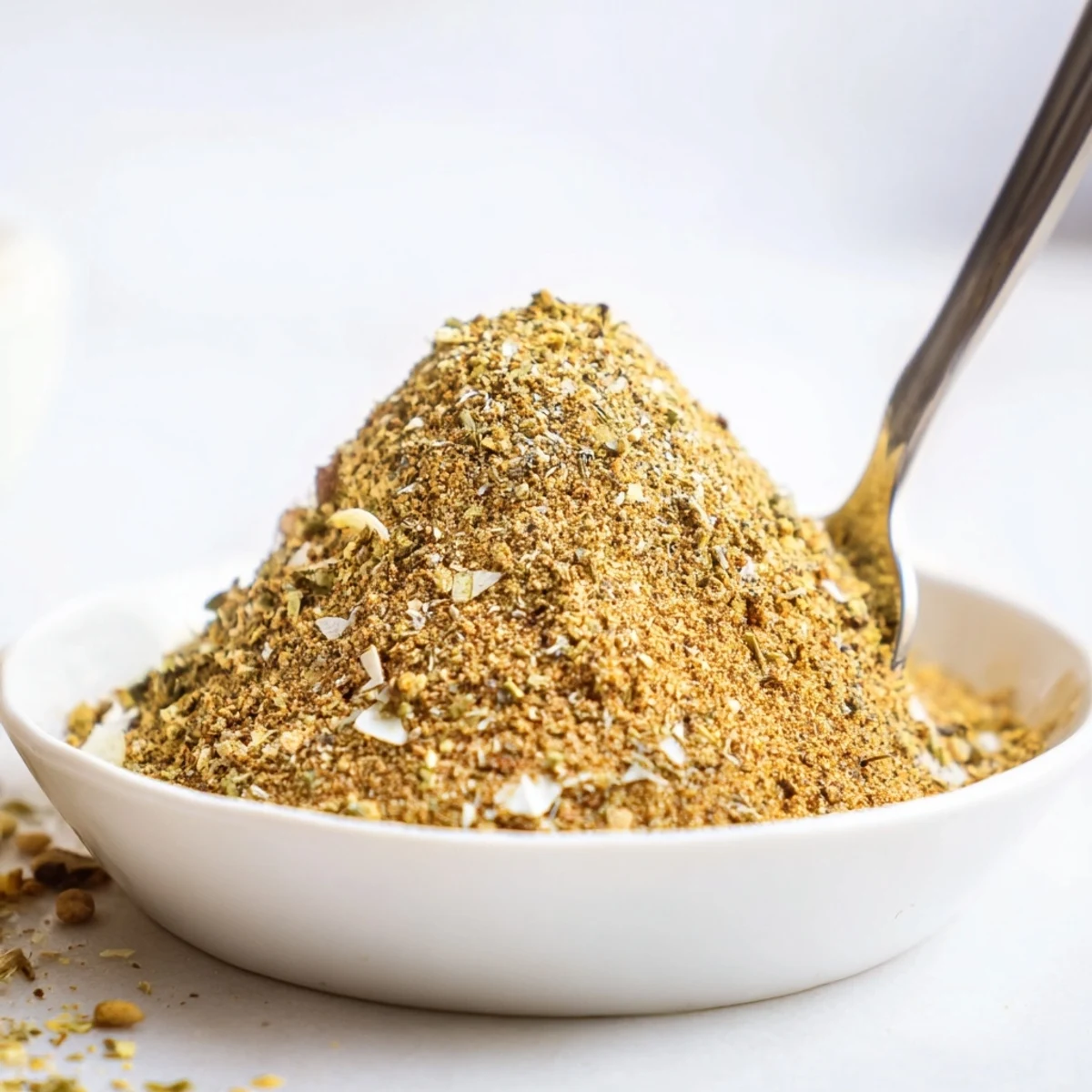
 Pin It
 This vegan 'chicken' seasoning is a savory, aromatic blend of nutritional yeast, garlic and onion powders, thyme, sage, smoked paprika, turmeric, parsley, celery salt, and a hint of rosemary. Mix thoroughly and store in an airtight jar. Use as a dry rub on tofu, tempeh, seitan, or vegetables; whisk 1-2 tbsp with olive oil and lemon for a quick marinade; or dissolve 1 tbsp per 2 cups hot water for an instant broth. Adjust salt or add cayenne to taste.
The smell hit me before I even finished mixing: thyme, sage, and something unmistakably warm and familiar that transported me straight to Sunday dinners at my grandmothers table, except there was not a single piece of chicken in sight.
A friend who swore she could never go vegan tried this seasoning on roasted cauliflower and quietly admitted she would not have known the difference, which felt like a tiny kitchen victory worth celebrating.
Ingredients
- 2 tbsp nutritional yeast flakes: This is the backbone of the savory depth, lending a slightly nutty, umami richness that mimics the flavor profile people associate with poultry seasoning.
- 1 tbsp garlic powder: Essential for building that roasted, comforting base note that makes everything taste like it spent hours in the oven.
- 1 tbsp onion powder: Works hand in hand with garlic to create a sweet, mellow savory undertone throughout the blend.
- 1 1/2 tsp dried thyme: The herb that does the heavy lifting for that classic chicken adjacent flavor, so do not skimp on it.
- 1 1/2 tsp dried sage: Earthy and slightly peppery, sage is what makes this blend taste like a holiday stuffing rather than just a random spice mix.
- 1 tsp smoked paprika: Adds a subtle campfire warmth that makes everything taste like it was cooked outdoors even if you used your apartment stove.
- 1 tsp ground turmeric: Mostly here for its golden color and mild bitterness, which rounds out the sweeter spices beautifully.
- 1 tsp dried parsley: A quiet freshness that keeps the blend from feeling too heavy or one dimensional.
- 1 tsp celery salt: The secret weapon that adds a broth like salinity, tying all the herbs together into something cohesive.
- 1/2 tsp ground black pepper: Just enough gentle heat to wake up the palate without overpowering the more delicate herbs.
- 1/2 tsp dried rosemary (crushed): Crush it between your fingers before adding, and you will immediately understand why it belongs here.
- 1/2 tsp ground white pepper: Adds a sharper, slightly floral heat that works differently than black pepper and deepens the overall complexity.
- 1/4 tsp ground coriander: A whisper of citrus and warmth that most people cannot quite identify but would absolutely miss if it were gone.
- 1/4 tsp ground marjoram: Sweet and floral, it bridges the gap between the heavier herbs and the lighter spices.
- 1/4 tsp ground mustard: Provides a gentle pungency that helps the seasoning cling to whatever you are coating.
Instructions
- Gather and measure:
- Pull out all your spices at once and line them up so nothing gets missed or accidentally doubled, which is embarrassingly easy to do when you are working with fifteen different powders.
- Combine everything:
- Tip all the spices into a small mixing bowl and use a whisk or the back of a spoon to blend them thoroughly, making sure there are no clumps of nutritional yeast hiding in corners.
- Taste and adjust:
- Dip a fingertip in and taste it raw on your tongue, then decide if you want a pinch of cayenne for heat or a little extra sage for earthiness.
- Store properly:
- Transfer the blend to an airtight jar and keep it in a cool, dark cupboard where it will stay vibrant and fragrant for up to six months.
- Use as a rub:
- Sprinkle generously over pressed tofu, tempeh, or thick vegetable steaks and massage it in with your hands before roasting or grilling.
- Use as a marinade:
- Whisk 1 to 2 tablespoons of the seasoning with olive oil and lemon juice, then let your protein soak in it for at least thirty minutes to really absorb the flavors.
- Use for broth:
- Stir 1 tablespoon into 2 cups of hot water and let it steep for a few minutes, adjusting the amount until it tastes rich enough for your soup or risotto.
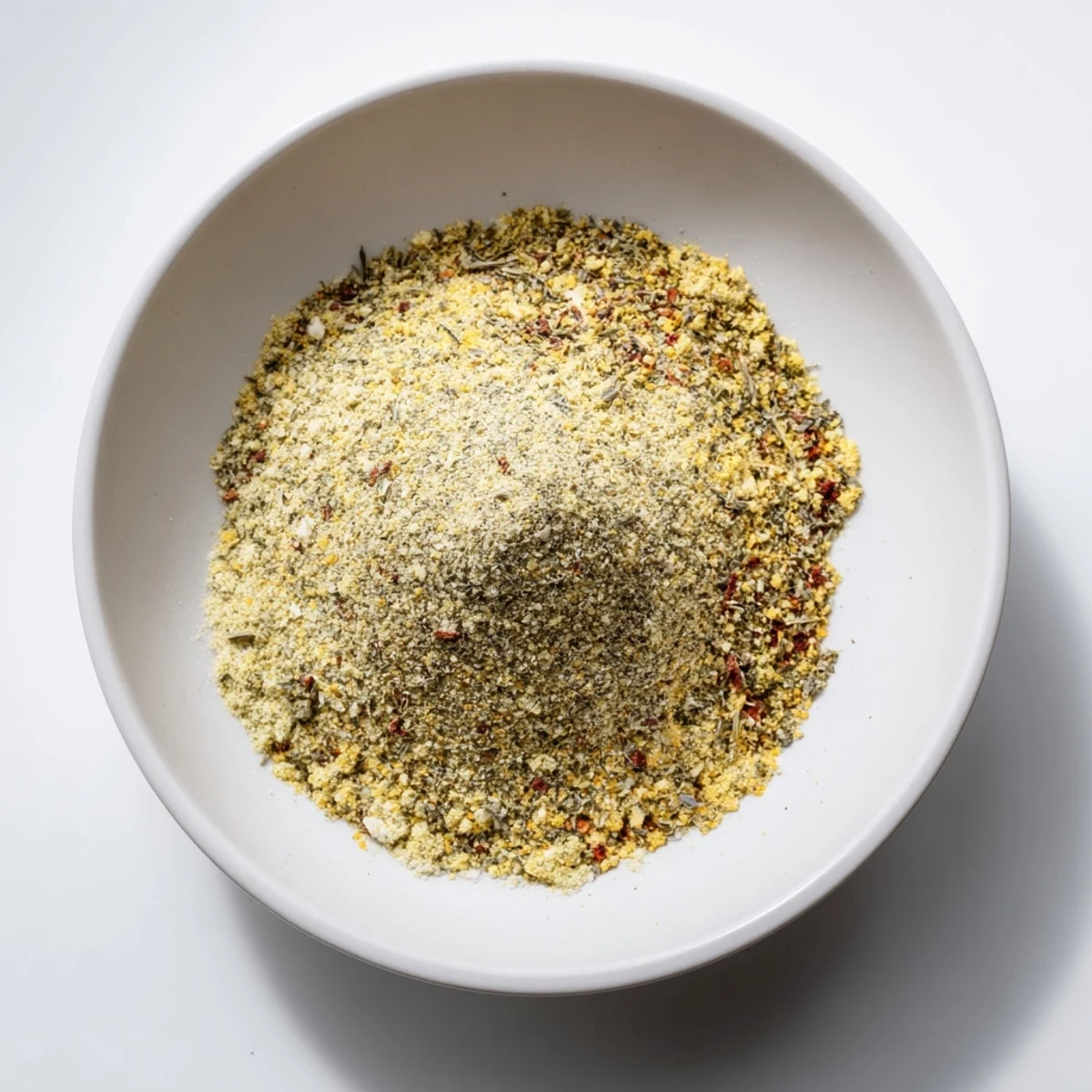 Pin It
 There is something deeply satisfying about watching a jar of your own seasoning sit on the shelf next to the store bought ones, knowing you made it in five minutes for a fraction of the cost.
How I Use It Throughout the Week
On Monday I toss cubed extra firm tofu with a generous coating and roast it until the edges crisp, then pile it into grain bowls with tahini drizzled on top.
Making It Your Own
Doubling the batch is never a bad idea because you will find yourself reaching for it constantly, and if you want a salt free version simply swap the celery salt for half a teaspoon of celery seed.
Pairing Ideas and Final Thoughts
This blend shines brightest when the rest of the dish is simple, letting the seasoning do the heavy lifting without competition from a dozen other bold flavors.
- Try it on thick slices of roasted eggplant with a squeeze of lemon at the end.
- Stir a spoonful into biscuit dough for savory herb scones that disappear fast.
- Keep a small jar in your bag if you travel and cook, because hotel kitchen spice cabinets are always disappointing.
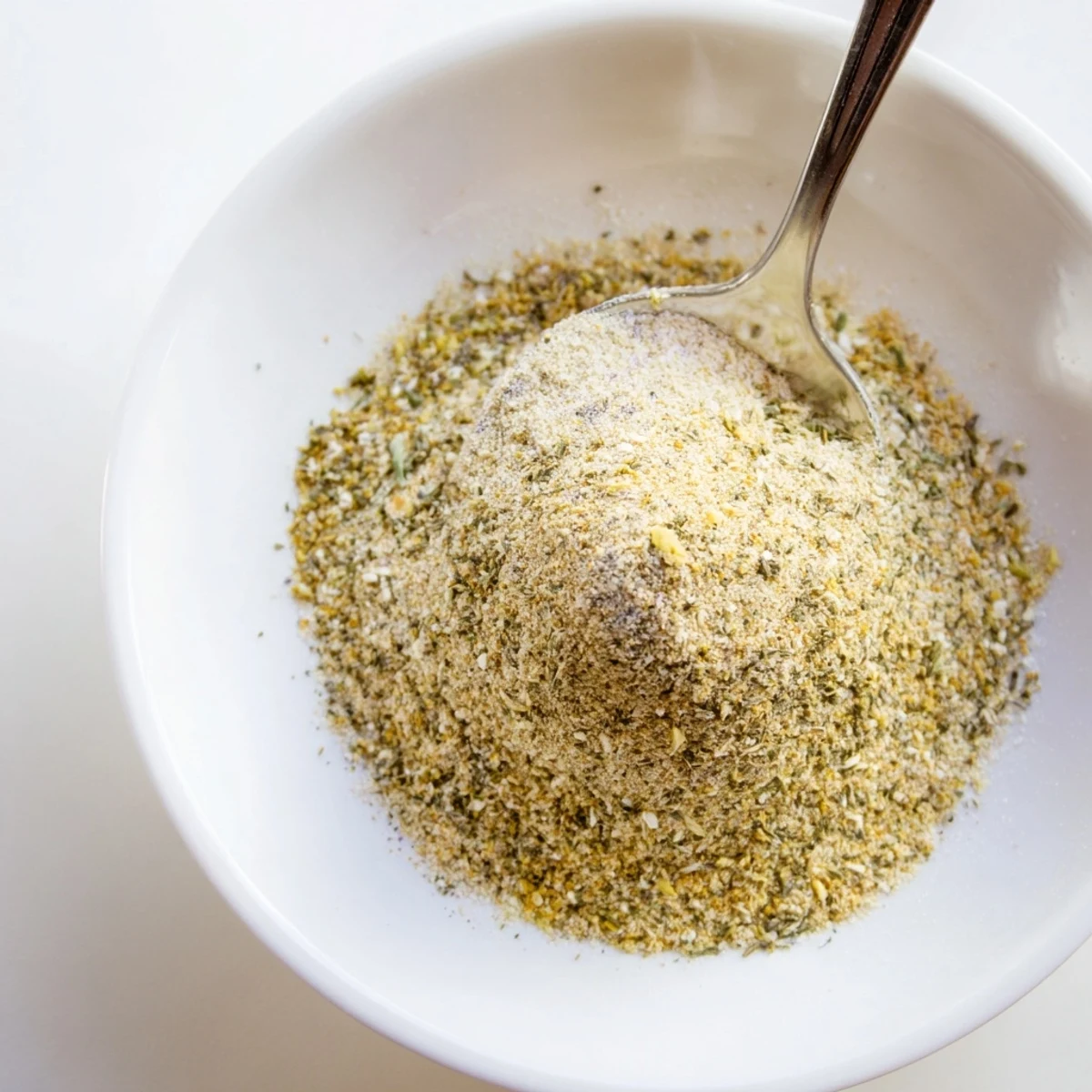 Pin It
 Once you start keeping this on hand, you will wonder how you ever cooked without it, and your plant based dinners will suddenly have a warmth that guests always ask about.
Recipe Questions
- → What gives this blend its 'chicken-like' flavor?
-
Nutritional yeast provides savory, umami notes while thyme, sage, and celery salt mimic the herbaceous, savory profile commonly associated with chicken seasoning. Smoked paprika and turmeric add depth and color.
- → How do I use it as a rub?
-
Sprinkle evenly over plant-based proteins or vegetables and gently press to adhere. Allow at least 15–30 minutes before grilling or roasting so the flavors penetrate the surface.
- → What's the easiest way to turn it into a marinade?
-
Whisk 1–2 tablespoons of the seasoning with 1/4 cup olive oil and 2 tablespoons lemon juice (or vinegar). Coat the protein or vegetables and marinate for at least 30 minutes, or up to a few hours for deeper flavor.
- → How much should I use for broth?
-
Add about 1 tablespoon of the blend to 2 cups of hot water, taste, and adjust. Simmer briefly for a fuller flavor if desired; strain optional depending on texture preference.
- → Can I make a salt-free version?
-
Yes—omit the celery salt and replace with 1/2 teaspoon celery seed or increase herbs and nutritional yeast for savory balance. Taste carefully and season at the end if needed.
- → How should I store the blend and how long does it keep?
-
Keep the seasoning in an airtight, opaque container away from heat and light. Stored properly it maintains best quality for up to six months; whole spices may extend shelf life if freshly ground.