
 Pin It
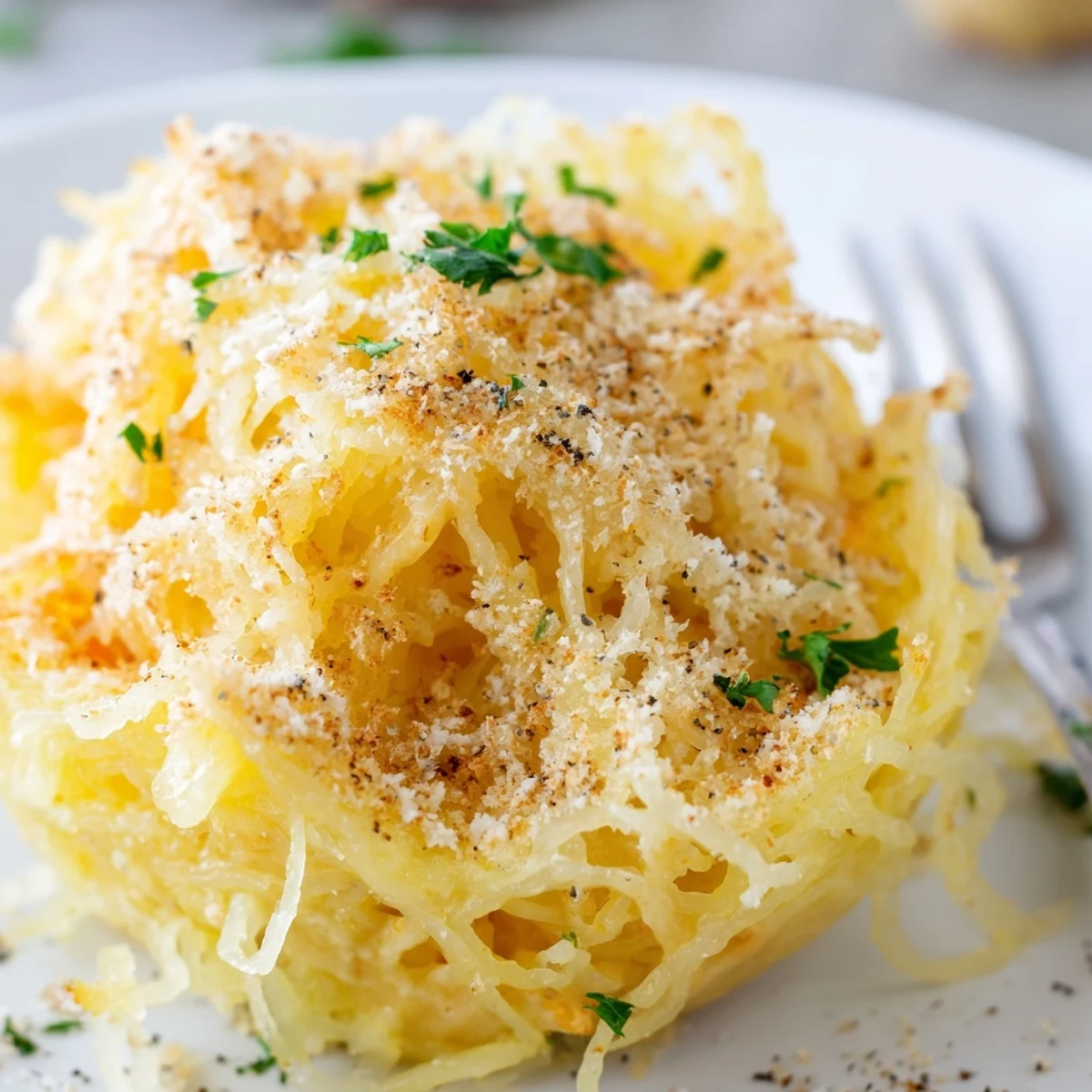
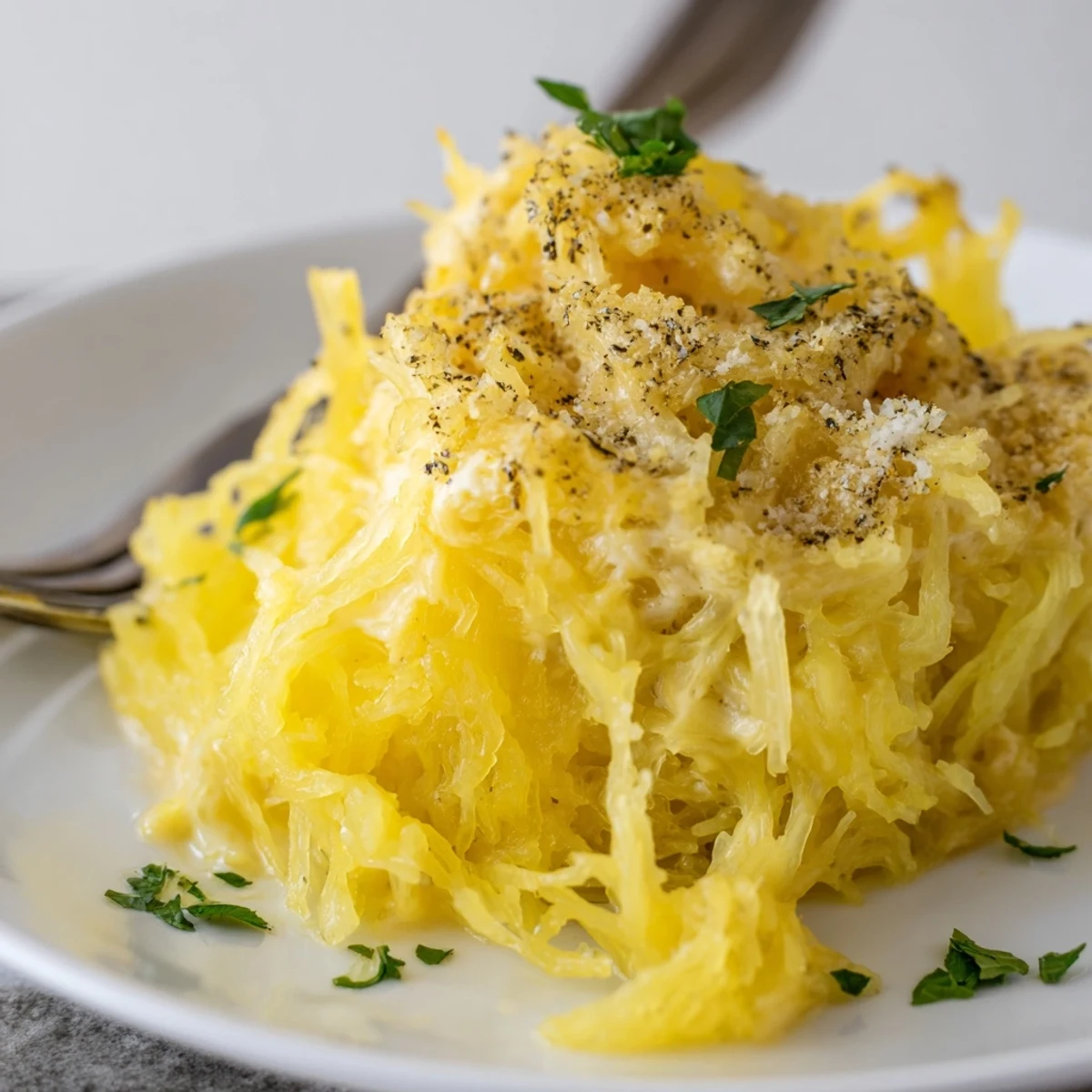
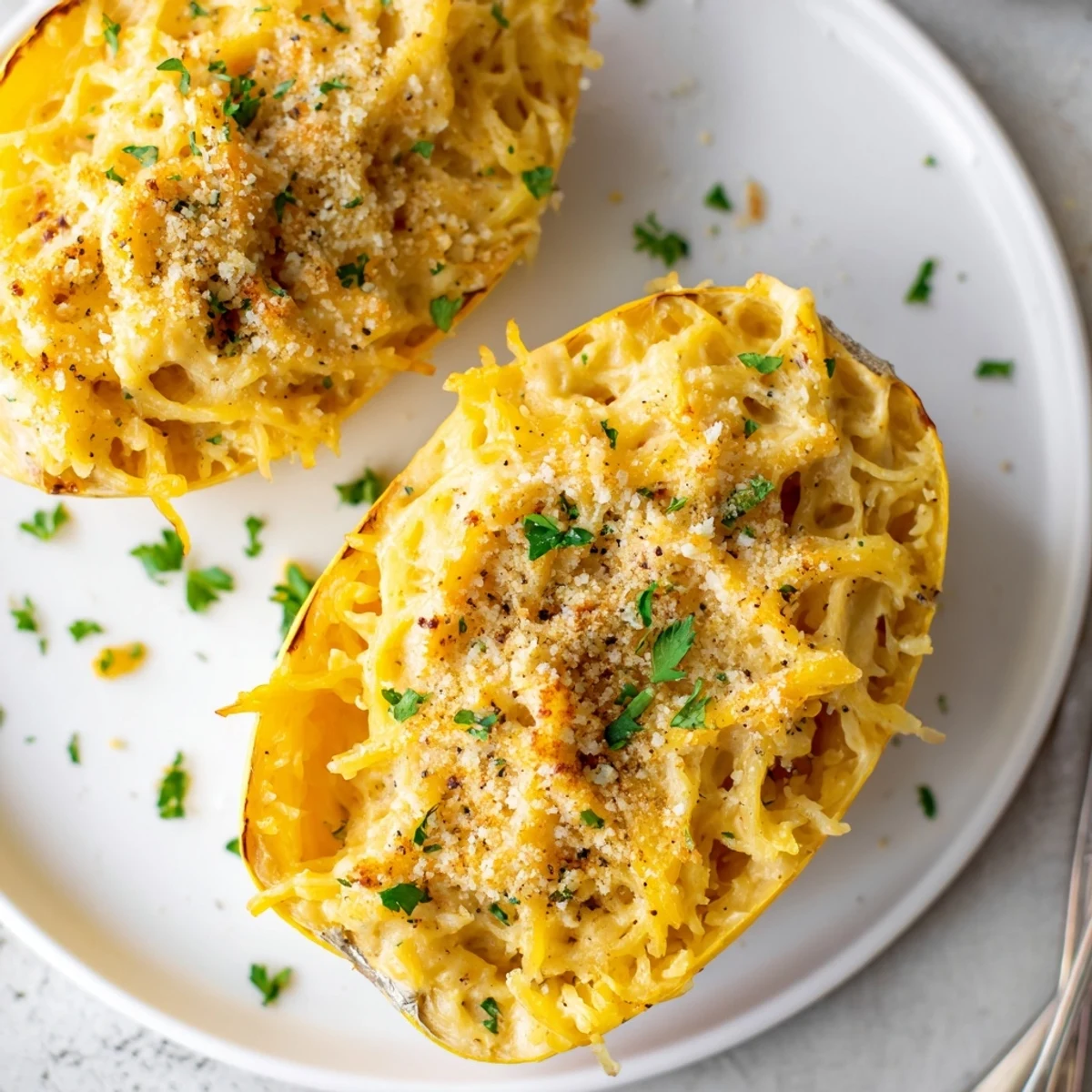
 Halve and roast a large spaghetti squash until fork-tender, then shred the flesh into strands. Make a simple roux with butter and gluten-free flour, whisk in milk until thickened, then melt in sharp cheddar and Parmesan with garlic powder and ground mustard. Toss the strands with the sauce, transfer to a baking dish, top with buttered panko and extra Parmesan, and broil briefly for a golden finish. Serve warm, with optional vegetables or proteins stirred in.
The smell of roasting squash and melting cheddar drifting through my kitchen on a rainy Tuesday evening is what convinced me that comfort food does not need to feel heavy. I had been staring at a spaghetti squash on my counter for three days, daring myself to do something beyond the usual olive oil and herb treatment. My kids were lobbying for boxed mac and cheese, and honestly I almost caved. Instead I split the difference, roasting the squash until golden and burying those silky strands in a proper cheese sauce.
I served it to my neighbor Sarah last fall after she had surgery and could barely stand at her own stove. She texted me the next morning saying she had eaten the leftovers cold, standing in front of her refrigerator at midnight, which is honestly the highest compliment a dish can receive.
Ingredients
- Spaghetti squash (1 large, about 2.5 to 3 pounds): Look for one that feels heavy for its size with pale, even skin because those tend to have the most flesh and fewest seeds.
- Unsalted butter (2 tablespoons): This forms the base of your roux and using unsalted lets you control the seasoning.
- Gluten free all purpose flour (2 tablespoons): Regular flour works too, but this keeps the whole dish gluten free without any texture sacrifice.
- Milk, whole or 2% (1 1/4 cups): Whole milk gives a silkier sauce but two percent still does a admirable job.
- Sharp cheddar cheese, shredded (1 cup): Shred it yourself from a block because pre shredded cheese is coated in anti caking powder that makes the sauce grainy.
- Parmesan cheese, grated (1/2 cup): This adds a salty, nutty backbone that cheddar alone cannot achieve.
- Garlic powder (1/4 teaspoon): A quiet layer of savory depth that most people cannot name but everyone misses when it is gone.
- Ground mustard (1/4 teaspoon): This is the secret weapon that makes cheese taste more like cheese.
- Salt and black pepper (1/4 teaspoon each): Seasoning is everything, so taste as you go.
- Gluten free panko breadcrumbs (1/3 cup, optional): For that irresistible golden crunch on top.
- Parmesan for topping (2 tablespoons, optional): Melts into the breadcrumbs and creates little crispy cheese pockets.
- Melted butter for topping (1 tablespoon, optional): Helps the panko brown evenly under the broiler.
Instructions
- Preheat and prepare:
- Set your oven to 400 degrees and line a baking sheet with parchment paper so cleanup is effortless later.
- Split and clean the squash:
- Carefully halve the squash lengthwise with a sharp knife, then use a spoon to scoop out the stringy seeds and gooey center until the cavity is smooth.
- Roast until tender:
- Place the halves cut side down on the baking sheet and roast for 35 to 40 minutes until a fork slides through the flesh easily and the strands separate with gentle pressure.
- Build the cheese sauce:
- Melt butter in a medium saucepan over medium heat, whisk in the flour and cook for one minute, then slowly pour in the milk while whisking constantly until the mixture is smooth and beginning to thicken.
- Add the cheese:
- Remove the pan from heat and stir in the cheddar, Parmesan, garlic powder, mustard, salt, and pepper until everything is melted, glossy, and impossible to stop tasting.
- Shred and combine:
- Run a fork through the roasted squash flesh to create long spaghetti like strands, then transfer them to a large bowl and gently fold in the cheese sauce until every strand is coated.
- Broil for crunch:
- If you want the crispy topping, spread the mixture in a greased baking dish, scatter the panko Parmesan butter mixture over the top, and broil on high for two to three minutes until golden and bubbling.
- Serve warm:
- Dish it up right away with an extra shower of Parmesan or some fresh herbs if you are feeling fancy.
 Pin It
 This dish became my unofficial contribution to every potluck last winter because it travels well and reheats beautifully, which is not something I can say about most squash recipes.
Making It Your Own
Toss in a handful of steamed broccoli or sauteed spinach right before serving if you want to sneak in extra vegetables without anyone noticing. I have also stirred in cooked chickpeas for protein on nights when the meal needed to stand alone without a side dish.
Cheese Swaps Worth Trying
Replace half the cheddar with Gruyere for a more sophisticated, slightly sweet flavor, or try fontina if you want the sauce to be even more velvety. A friend of mine adds a tablespoon of cream cheese and swears it makes the sauce indestructible, and honestly she might be right.
What to Serve Alongside
A crisp Chardonnay or Sauvignon Blanc cuts through the richness beautifully if you are serving this for a dinner party. For a non alcoholic pairing, sparkling water with a squeeze of lemon does a surprisingly similar job of refreshing the palate between bites.
- A simple arugula salad with lemon vinaigrette balances the richness perfectly.
- Crusty bread on the side is technically unnecessary but emotionally important.
- Leftovers keep for three days in the fridge and actually taste better the second day.
 Pin It
 Some nights you want a bowl of something warm and cheesy that still lets you feel good the next morning, and this is exactly that dish. Keep it in your back pocket for the evenings when comfort and conscience refuse to compromise.
Recipe Questions
- → How do I know when the spaghetti squash is done roasting?
-
Roast cut-side down at 400°F (200°C) for 35–40 minutes. It’s done when the flesh is fork-tender and pulls away in long, spaghetti-like strands with a fork.
- → How can I keep the cheese sauce smooth and lump-free?
-
Cook the flour in butter briefly to form a roux, then add milk slowly while whisking to avoid lumps. Simmer until thick, remove from heat, and stir in cheeses off the heat to melt gently and keep the sauce silky.
- → What are good gluten-free swaps for the flour and topping?
-
Use a gluten-free all-purpose flour for the roux and gluten-free panko for the topping. Alternatively, almond flour or crushed gluten-free crackers can add a crunchy finish.
- → Can this be prepared ahead and reheated?
-
Yes. Assemble and refrigerate the sauced strands in a covered dish for up to 2 days. Reheat in a low oven until warm, then add the topping and broil briefly to crisp.
- → What cheeses work well as substitutes for extra flavor?
-
Try swapping part of the cheddar for Gruyère or fontina for nuttiness, or add a touch of smoked cheddar for depth. Parmesan adds sharpness and helps with sauce body.
- → Any tips for adding vegetables or protein?
-
Fold in cooked broccoli, sautéed spinach, peas, chickpeas, or diced cooked chicken just before baking to add color, texture, and extra nutrition without diluting the sauce.