
 Pin It
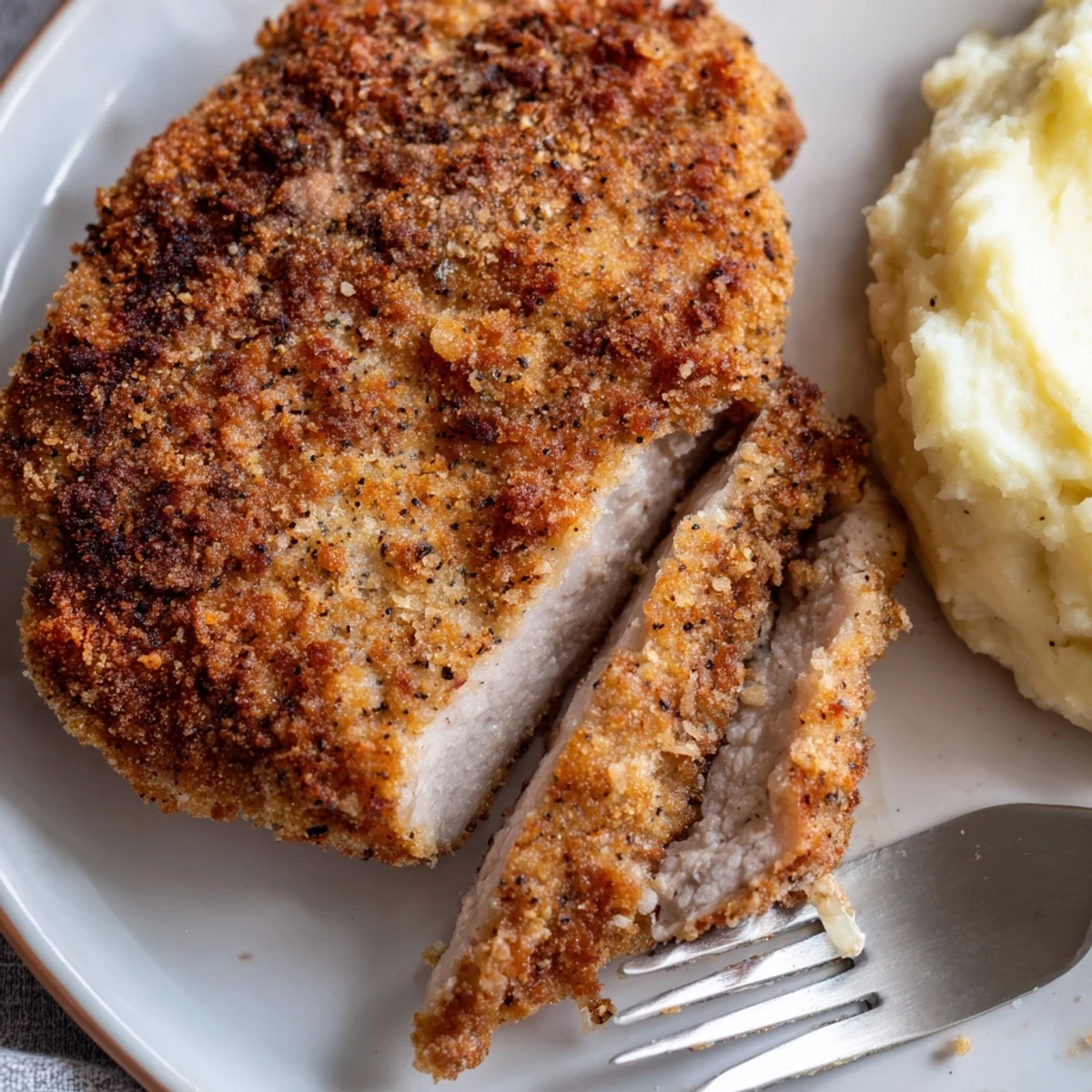
 Pound boneless chicken breasts to 1/2" thickness and soak in buttermilk with salt and pepper for 30 minutes to overnight for best tenderness. Combine flour, cornstarch, paprika, garlic powder and cayenne; dredge and press to adhere. Heat oil to 350°F (175°C) and fry in batches 6–7 minutes per side until 165°F. Drain on paper towels and rest 2–3 minutes before serving. Serve with mashed potatoes, slaw, or on a roll.
The sound of oil popping in a cast iron skillet on a Sunday afternoon is, to me, the sound of home. My grandmother never measured anything, she just knew when the coating looked right and the oil shimmered just so. It took me years of dried out chicken breasts and burnt crusts before I finally understood what she meant when she said patience is the real secret ingredient.
One rainy Tuesday I decided to test this recipe for a friend who swore she hated fried chicken because it was always greasy or dry. She called me the next morning asking if I had any left, and that is still one of the best compliments my cooking has ever received.
Ingredients
- 4 boneless, skinless chicken breasts: Pounding them to an even thickness is the single most important step for even cooking and a juicy result.
- 1 cup buttermilk: The acidity tenderizes the meat while adding a subtle tang that pairs beautifully with the seasoned crust.
- 1 teaspoon salt plus 1/2 teaspoon black pepper for brine: These season the chicken from the inside out during its buttermilk bath.
- 1 cup all-purpose flour: Forms the backbone of the coating, creating a sturdy shell that crisps up golden.
- 1/2 cup cornstarch: This is the secret weapon for extra crunch, lightening the flour and creating a more delicate, crispy texture.
- 1 teaspoon paprika: Adds a warm, sweet depth of color and a subtle smokiness to the crust.
- 1 teaspoon garlic powder: Distributes savory flavor evenly through the coating without burning like fresh garlic would.
- 1/2 teaspoon cayenne pepper (optional): A gentle heat that wakes up all the other flavors without overwhelming anyone.
- 1 teaspoon salt plus 1/2 teaspoon ground black pepper for coating: Proper seasoning in the dredge ensures every bite is flavorful, not just the meat underneath.
- Vegetable oil for frying (about 2 cups): You need enough depth for the chicken to fry evenly, and a neutral oil lets the seasoned crust shine.
Instructions
- Flatten the chicken:
- Place each breast between two sheets of plastic wrap and pound with a mallet or rolling pin until about half an inch thick, listening for that satisfying even thud that tells you the job is done.
- Make the buttermilk bath:
- Whisk together the buttermilk, a teaspoon of salt, and half a teaspoon of pepper in a bowl, then submerge the flattened chicken breasts completely and let them soak for at least thirty minutes or up to four hours in the fridge.
- Build the dredge:
- In a separate wide bowl, combine the flour, cornstarch, paprika, garlic powder, cayenne if you are using it, and the remaining salt and pepper, whisking until the mixture looks uniform and smells incredibly fragrant.
- Coat the chicken:
- Lift each breast from the buttermilk, let the excess drip off for a second, then press it firmly into the flour mixture on both sides so the coating really grabs on and holds tight.
- Heat the oil:
- Pour oil into a large skillet or deep pan to about half an inch depth and bring it up to 350 degrees Fahrenheit, watching for tiny ripples across the surface that tell you it is ready.
- Fry to golden perfection:
- Carefully lower the chicken into the hot oil in batches without crowding the pan, frying six to seven minutes per side until the crust is a deep golden brown and the internal temperature reads 165 degrees Fahrenheit.
- Rest and serve:
- Transfer the fried chicken to a paper towel lined plate and let it rest for two to three minutes, which locks in the juices and lets the crust finish crisping up beautifully.
 Pin It
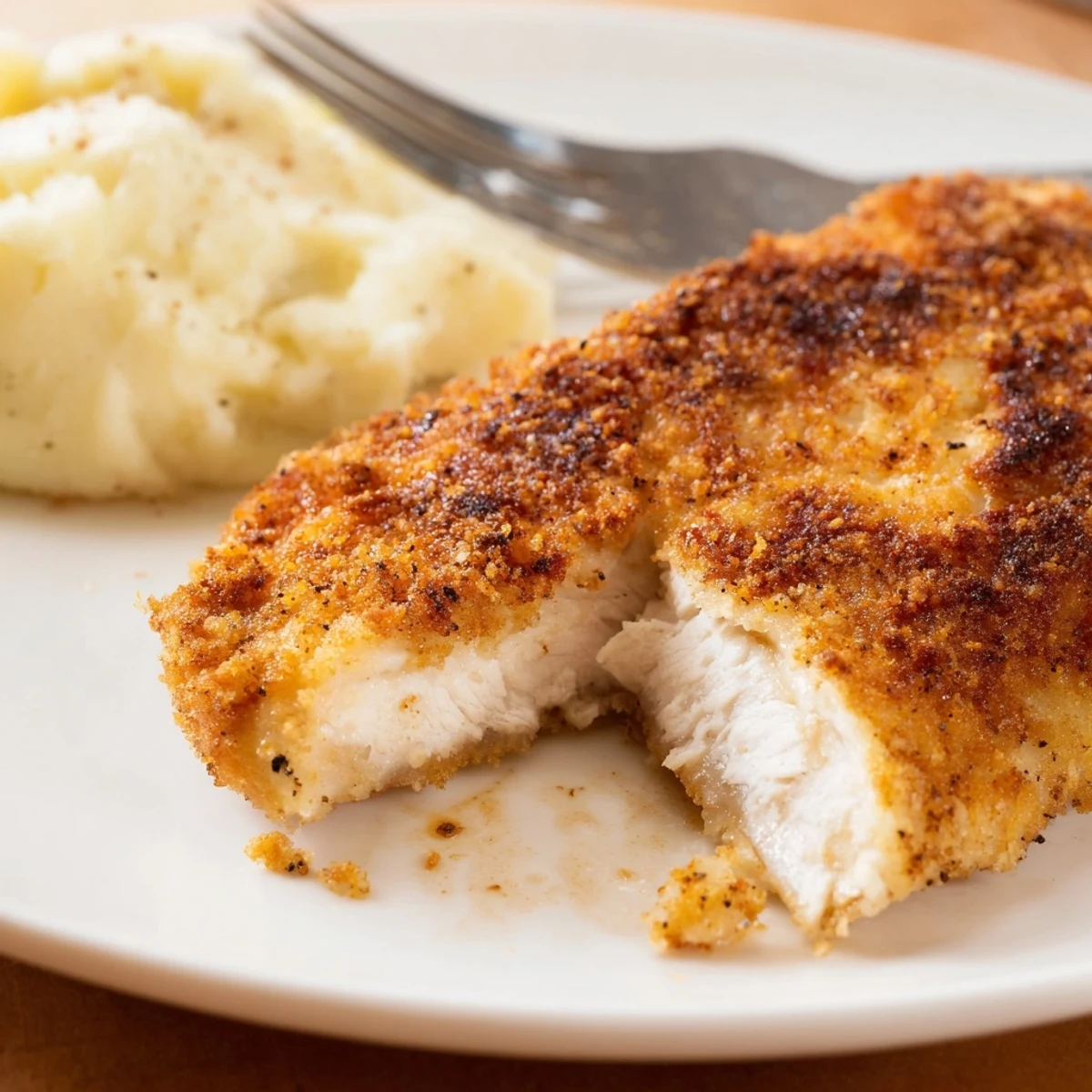
 Serving this to a table full of people who go quiet after the first bite is the kind of moment that makes all the splattered oil worth every second of cleanup.
Getting the Crust Just Right
Cornstarch was not in any of the early recipes I tried, and the difference it makes is honestly dramatic. I stumbled on the trick while reading about Korean fried chicken and never looked back.
Making It Your Own
The cayenne is optional but I encourage you to experiment with the spice blend over time, adding onion powder, mustard powder, or even a pinch of celery salt once you feel confident.
Serving and Storing Leftovers
This chicken is best served immediately but reheats surprisingly well in a 375 degree Fahrenheit oven for about ten minutes if you have leftovers.
- Slice leftover chicken for sandwiches with pickles and a drizzle of hot honey.
- Store cooled pieces in an airtight container in the fridge for up to three days.
- Always reheat in the oven or an air fryer, never the microwave, to bring back the crunch.
 Pin It
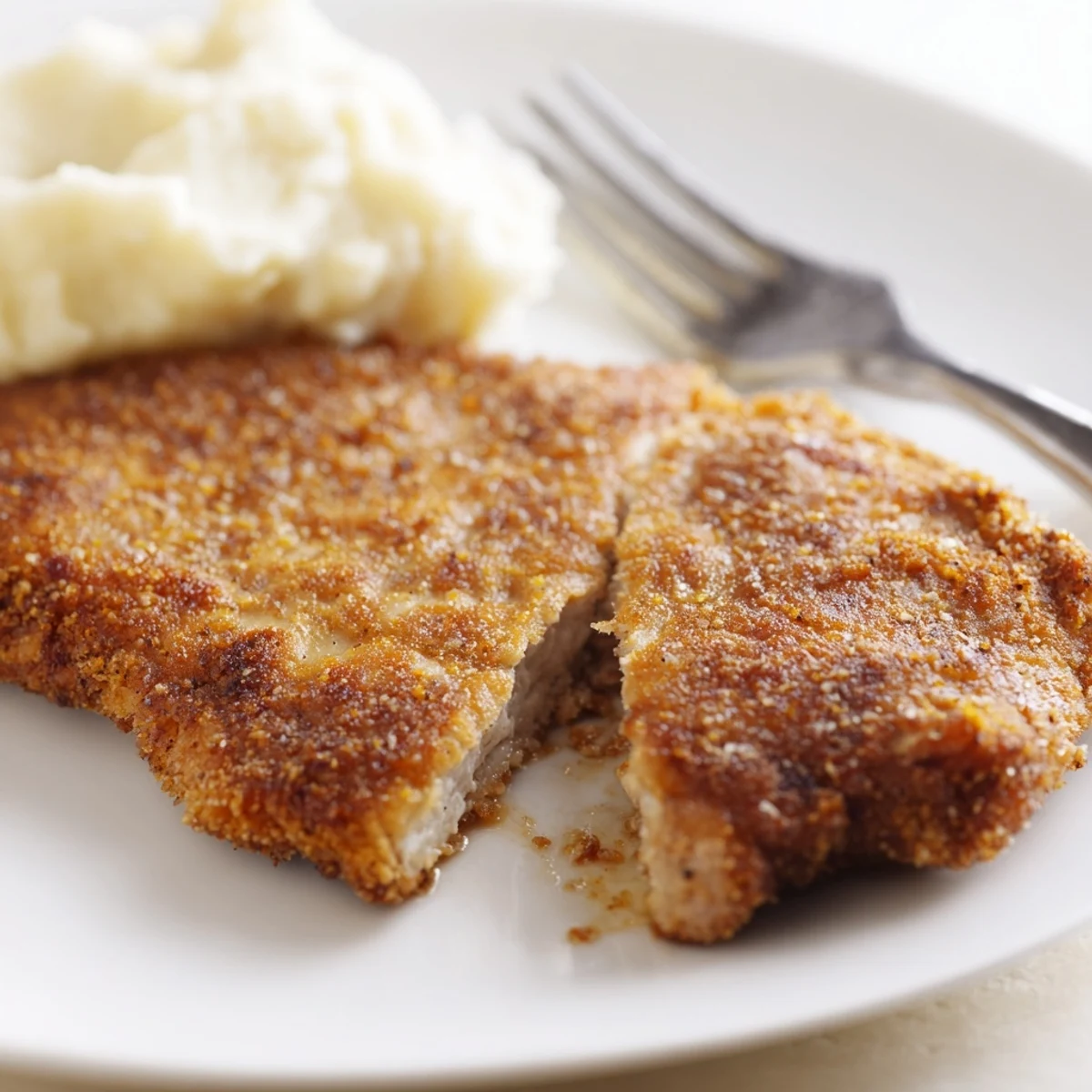
 Once you nail this recipe, you will never look at fried chicken breast the same way again, and honestly that is a wonderful thing.
Recipe Questions
- → How long should I marinate the chicken for best results?
-
Marinate at least 30 minutes to tenderize; 2–4 hours gives better flavor, and an overnight soak yields extra juicy meat. Keep the chicken refrigerated while marinating.
- → What oil temperature is ideal for frying?
-
Maintain oil around 350°F (175°C). That temperature crisps the coating quickly without overcooking the interior. Use a thermometer and adjust heat to keep it steady between batches.
- → How can I ensure the coating stays crispy?
-
Use a flour + cornstarch blend, press the dredge firmly to adhere, avoid overcrowding the pan, and let pieces rest briefly on a rack or paper towels to drain. Frying at the correct temperature helps lock in crispness.
- → How do I confirm the chicken is fully cooked?
-
Check internal temperature with a kitchen thermometer; the center should reach 165°F (74°C). Slicing to verify juices run clear is another option, but a thermometer is most reliable.
- → Can I use bone-in or skin-on chicken instead?
-
Yes—use bone-in or skin-on breasts for more flavor, but increase cooking time and fry more gently to ensure even doneness. Consider finishing in a 350°F oven if the crust browns before the center cooks.
- → What are good substitutions for gluten-free diets?
-
Swap all-purpose flour for a gluten-free flour blend or rice flour and keep cornstarch for extra crispness. Ensure all other ingredients and the frying oil are certified gluten-free.