
 Pin It
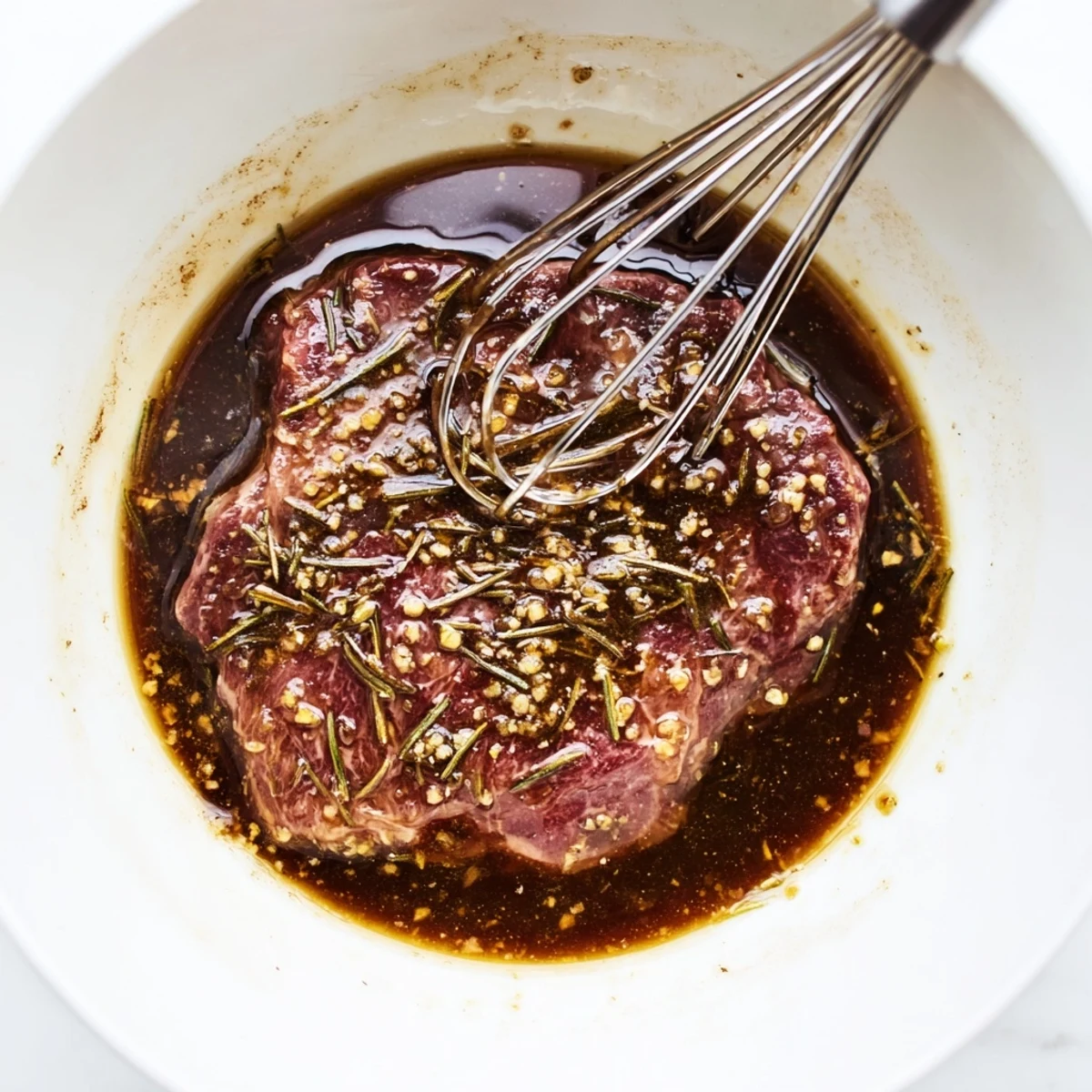
 This soy-and-balsamic blend tenderizes beef while layering garlic, Dijon, brown sugar, lemon and rosemary for a balanced savory-sweet finish. Whisk the base, coat steaks, and chill 2-24 hours, turning once for even penetration. Pat dry before high-heat grilling, pan-searing or broiling; discard used marinade. Swap honey for brown sugar or add red pepper flakes for heat.
The sizzle of steak on a summer evening always gets my spirits up, but it wasn't until I stumbled onto this marinade that I really started looking forward to prepping the meal even more than eating it. The tang of balsamic and the sharp brightness of Dijon waft through the kitchen as the marinade comes together, and every time I mix it, I catch myself grinning at the way the colors swirl. I’d barely call myself a beef enthusiast, but this marinade changed the way I see every cut I bring home. There’s just something rewarding about knowing your steak is soaking up all that flavor as you get to relax.
Last spring, I made this marinade on a whim for a casual backyard cookout. That afternoon was mostly laughter, a little spilled marinade, and kids asking for 'more sauce.' When people kept returning for seconds, I realized just how much those layers of flavor brought everyone together around the grill. Now, it's often requested every time someone hears the word steak at my house.
Ingredients
- Soy Sauce: Gives a deep, salty backbone that helps tenderize the meat; I always use a good-quality brand, and tamari works beautifully for gluten-free friends.
- Olive Oil: Brings richness and helps the marinade cling; I prefer extra virgin, but regular olive oil is great too if you want a milder touch.
- Worcestershire Sauce: This brings a subtle umami kick and a hint of tang; don't worry if you spill a dash extra, it's almost always welcome.
- Balsamic Vinegar: Adds mellow sweetness and acidity; I tried it once on a whim instead of red wine vinegar and have never looked back.
- Lemon Juice: Brightens and tenderizes especially if you use it freshly squeezed, just mind the seeds.
- Garlic: Four cloves may sound bold, but once it’s mingled in the marinade, it’s just right—don’t skimp, and press it right into the bowl to get all those flavorful oils.
- Dijon Mustard: For subtle heat and a creamy body; I learned the hard way that a little more is better for that extra zip.
- Brown Sugar: Balances all the salt and acid, plus helps with caramelization; sometimes I swap in honey for a twist, but brown sugar is my default comfort.
- Black Pepper: Freshly ground adds a brief, fragrant spike of heat—don’t use the pre-ground stuff if you can help it.
- Rosemary: Fresh gives a punchier aroma, but dried does wonders in a pinch—either way, don’t skip this, as it ties all the flavors together.
- Onion Powder: Rounds out the flavors quietly in the background; when I once forgot it, something felt missing, so now I never do.
Instructions
- Mix the Base:
- In a medium bowl, pour in soy sauce, olive oil, Worcestershire, balsamic, and lemon juice. Whisk until you see the oil and vinegar blend into a satiny, fragrant base.
- Add the Flavor Makers:
- Add in the garlic, Dijon, brown sugar, black pepper, rosemary, and onion powder. Whisk eagerly, enjoying how the mixture thickens up just a touch and smells like pure promise.
- Marinate the Steaks:
- Arrange your steaks in a big resealable bag or a shallow dish, then flood them with the marinade—turn to coat every inch, but don’t stress perfection. You’ll see the color deepen on the meat in just a few minutes.
- Chill and Wait:
- Seal the bag or cover your dish, pop it in the fridge, and let it rest at least 2 hours (24 is better if patience allows). Rotate or give a gentle shake a couple of times if you remember—it’s not required, but helps flavor every side.
- Prep and Cook:
- When you're ready, lift out the steaks and gently pat them with paper towels, leaving just enough moisture for a good sear. Cook as you love—on a grill, pan, or broiler—then enjoy the savory aroma that fills your kitchen or backyard.
 Pin It
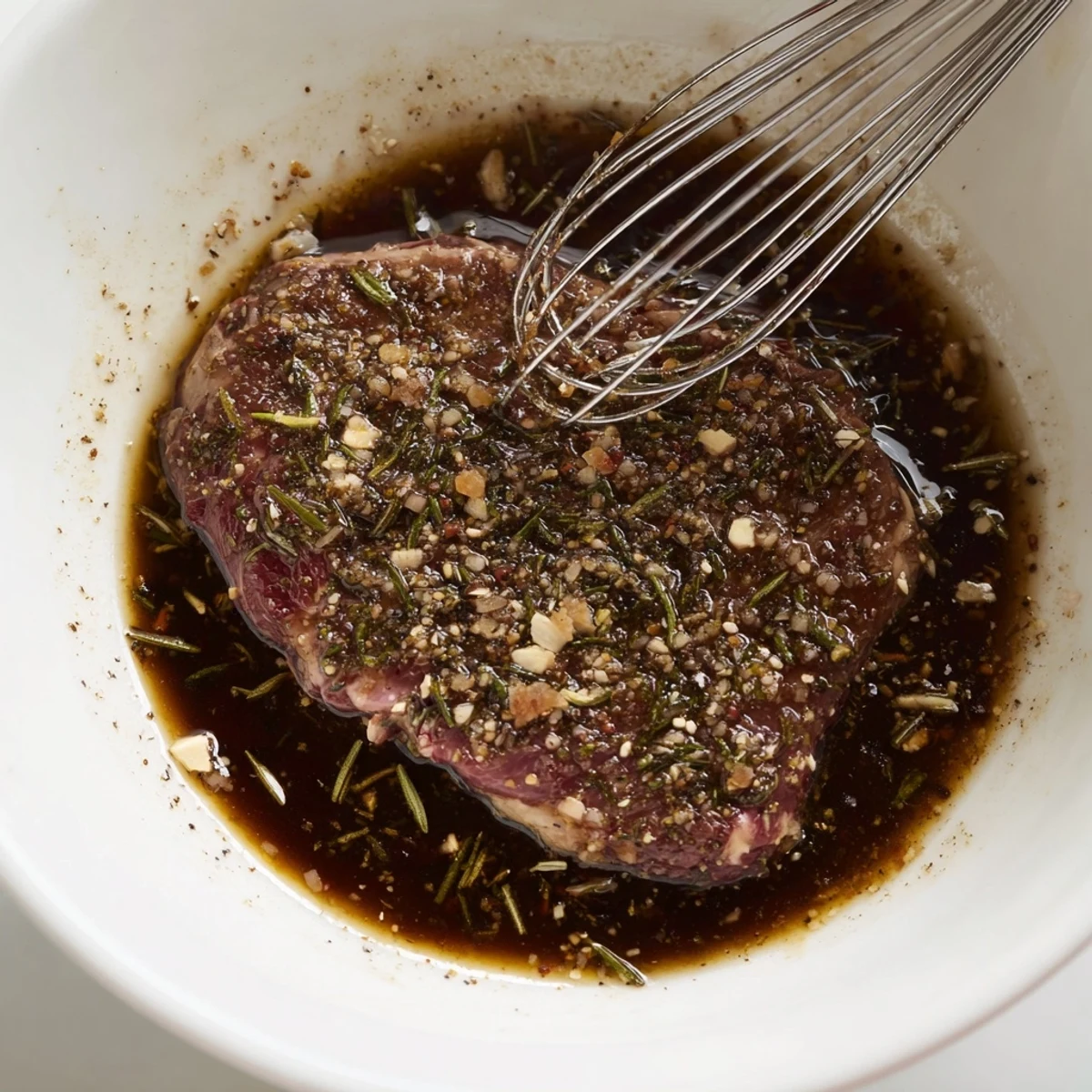
 The first time I served this marinade with ribeyes for a friend’s birthday, someone at the table actually paused mid-bite and just said, 'Wow.' That’s the sort of dinner that turns a regular Saturday into a little celebration.
Choosing the Right Steak
I’ve found this marinade flatters nearly any cut, from a thick ribeye to sirloin or even a budget-friendly flank steak. Sometimes I’ll pick what’s on special and feel completely confident—just be mindful of the marinating time if you’re using leaner or tougher cuts, as they benefit most from a longer soak.
Adapting for Dietary Needs
There have been get-togethers where allergies cropped up last minute, which is why I keep gluten-free tamari and gluten-free Worcestershire stocked now. This swap is barely noticeable taste-wise but means everyone at the table can dive in worry-free, and I like being prepared for that unexpected guest.
Beyond Steak: More Ways to Use It
While called Steak Marinade, it’s no secret that this works magic on pork chops and chicken, too—the recipe is versatile enough to handle them all. Pour leftovers over sliced mushrooms before grilling for an easy veggie side, or use a splash to flavor sauteed onions for a steak sandwich upgrade.
- If you love heat, sneak in some crushed red pepper for a spicy version.
- Pair your marinated steak with a bold red wine for an elevated dinner.
- Never reuse marinade once raw meat’s been in it—make a fresh batch if you want a sauce.
 Pin It
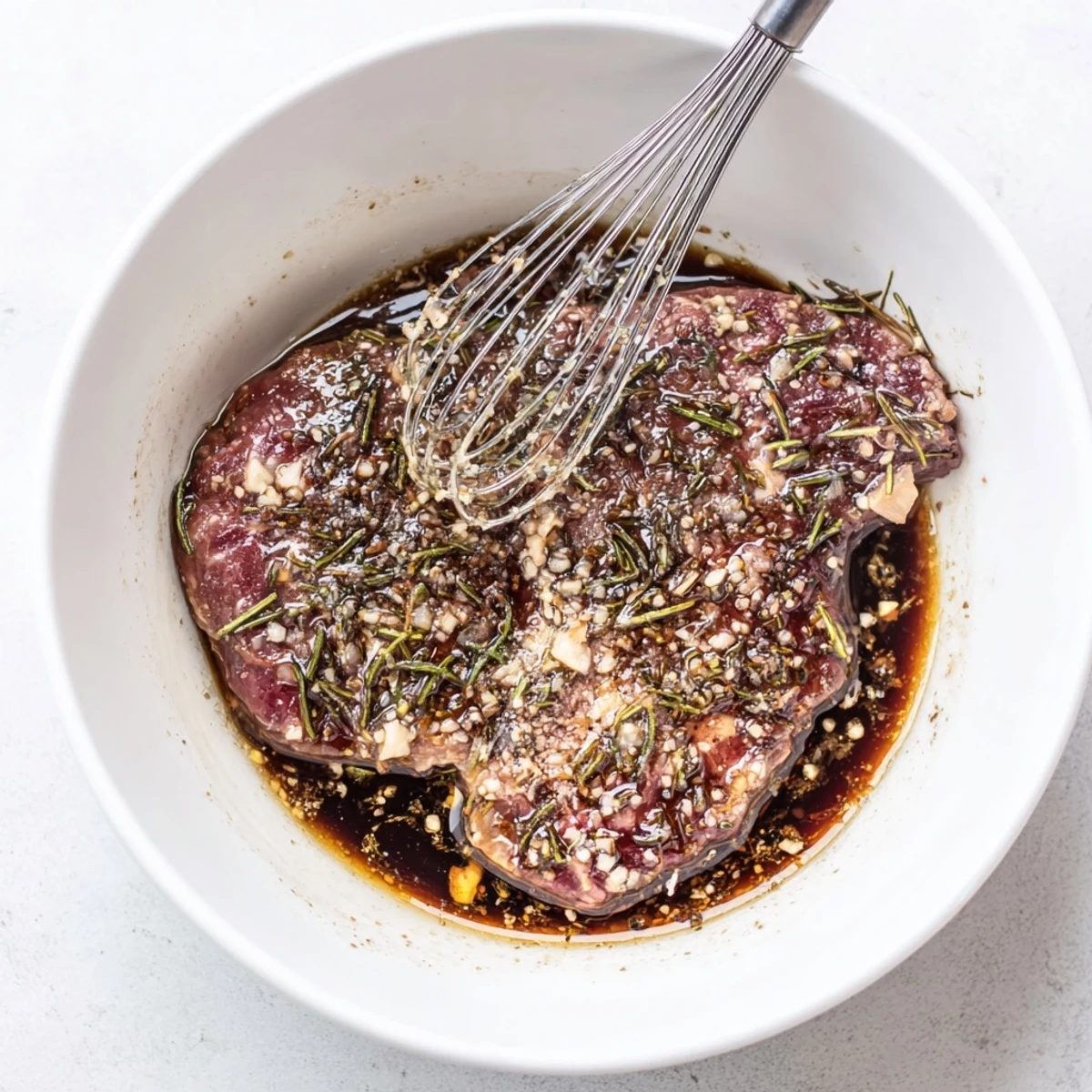
 May this marinade help you turn a simple steak dinner into something a little more special and a lot more delicious. Here’s to flavor that lingers just as much as the memories made around the table.
Recipe Questions
- → How long should steaks marinate?
-
Marinate for at least 2 hours for surface flavor and up to 24 hours for deeper tenderizing. Thinner cuts need less time, while thicker cuts benefit from longer soaking for better penetration.
- → Can this marinade be used for other proteins?
-
Yes. The soy-and-balsamic base works well on pork chops and chicken breasts; reduce marination time for delicate poultry (30 minutes to 2 hours) to avoid overly soft texture.
- → Is it safe to reuse the used marinade?
-
No. Discard any marinade that has contacted raw meat. If you want a sauce, reserve a portion before adding raw protein or boil the used marinade for several minutes to kill bacteria.
- → How can I make it gluten-free?
-
Swap traditional soy sauce and Worcestershire sauce for gluten-free tamari and a gluten-free Worcestershire alternative. Double-check labels for hidden gluten or barley ingredients.
- → What cooking methods work best after marinating?
-
High-heat methods like grilling, pan-searing or broiling deliver a caramelized exterior and preserve juices. Pat steaks dry before cooking to promote browning and avoid steaming.
- → How can I adjust sweetness or heat?
-
Replace brown sugar with honey for a different sweetness and glaze. Add 1 tsp crushed red pepper flakes or a dash of hot sauce for a spicy kick; adjust to taste.