
 Pin It
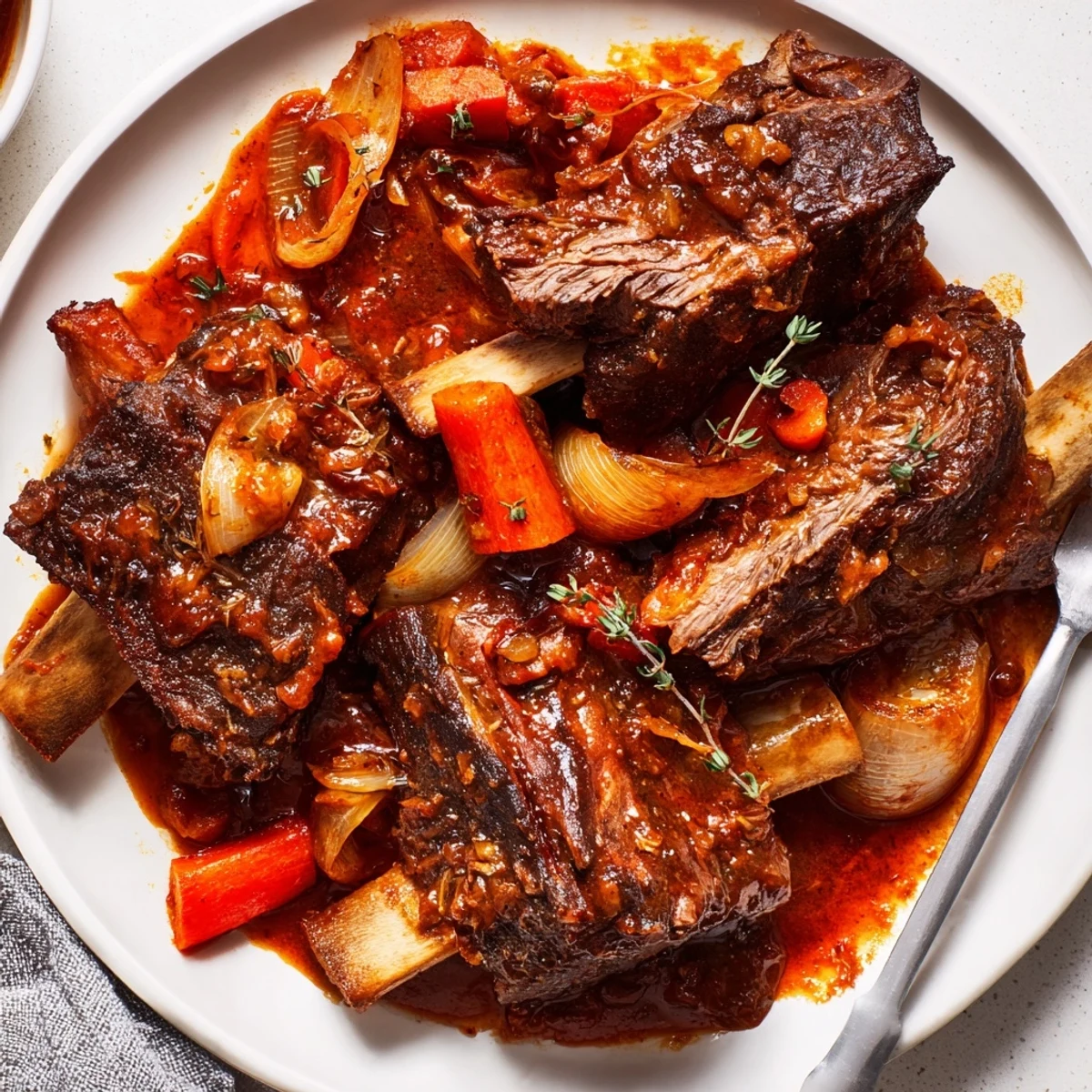
 Bone-in beef short ribs are seasoned and seared, then combined with onion, carrots, celery and garlic. Beef broth, dry red wine, tomato paste and Worcestershire build a deep sauce, while thyme, rosemary and bay leaves add aromatic depth. Cook low for eight hours until the meat falls from the bone, skim excess fat, and optionally thicken the sauce with a cornstarch slurry before serving with mashed potatoes or polenta.
The scent of rosemary and simmering beef once stopped my neighbor in her tracks outside my window—she claimed it was unfair to tempt the neighborhood like that. There’s something about slow cooker short ribs bubbling away all day that makes even the grayest Tuesday glow a little warmer. I never set out to master this dish; it simply became my secret trick for when life called for a hug in a bowl without any hurry. Every time my fork glides through that tender meat, I’m reminded how patience turns good ingredients into something unforgettable.
Once, I made these short ribs for a last-minute dinner when my sister’s train ran late and she arrived drained from her trip. As she laid her weary head on the kitchen table, the first spoonful made her eyes widen with delight—and we found ourselves laughing, talking, and forgetting how tired we’d both been. These short ribs have a way of transforming an ordinary evening into something comforting and memorable, even before anyone sits down at the table.
Ingredients
- Beef short ribs (1.5 kg, bone-in): Opt for bone-in ribs, as the bones give depth and silkiness to the final sauce; look for well-marbled pieces for the most meltingly tender meat.
- Large onion: Chopped onion melts down to a sweet tang, softening both the sauce and the house’s atmosphere; don't rush through slicing for even cooking.
- Carrots: Carrots provide natural sweetness and a hearty bite that stand up to long braising; I like to slice them thicker so they don’t disappear.
- Celery: Adds subtle flavor and brings balance; use the leafy tops if you have them for extra depth.
- Garlic: Four cloves, minced, bring out a mellow richness as they cook low and slow, perfuming the dish without becoming harsh.
- Beef broth: A cup ensures the sauce is full-bodied—choose a low-salt version so you control the seasoning.
- Dry red wine: Wine adds complexity and a gently fruity finish; if preferred, substitute more beef broth for an alcohol-free version, but don’t skip this step if you love a deeply flavored sauce.
- Tomato paste: Offers a touch of acidity and a vibrant hue; it’s my favorite secret for rounding out the sauce.
- Worcestershire sauce: Just a couple tablespoons provide umami and a hint of background tang that you’d miss if it wasn’t there.
- Salt and black pepper: Season generously on the meat to lay the flavor foundation—don’t be shy, this is where all the richness starts.
- Fresh thyme and rosemary: Sprigs of each infuse earthiness and create the unmistakable aroma that has everyone peeking into the kitchen.
- Bay leaves: Two leaves are plenty—remove them before serving or risk an unexpected crunch.
- Cornstarch (optional): For thickening, mix with water at the end for a glossy sauce; I sometimes skip it if serving over something starchy like mashed potatoes.
Instructions
- Prep and Season:
- Pat the short ribs dry with paper towels, then shower with salt and pepper until the surface looks dotted but not crusted—your hands may smell like rosemary already if you’re an optimist and lay out your herbs early.
- Sear the Ribs:
- Heat a large skillet over medium-high, hear the sizzle, and brown each side (about two to three minutes per)—don’t crowd the pan, let them caramelize and form that savory crust.
- Sauté Veggies:
- Toss onion, carrot, celery, and garlic into the same skillet; their aromas mingle and pick up all the browned bits left behind by the meat, turning ordinary vegetables into flavor gold in just a few minutes.
- Layer Ingredients in Slow Cooker:
- Lay the seared short ribs in first, nestle vegetables all around, then pour in broth and red wine, making sure nothing looks dry or lonely.
- Add Tomato & Worcestershire:
- Stir in tomato paste and Worcestershire straight into the slow cooker, swirling with the tip of your spoon—there’s no need for perfection, just try to spread the love.
- Herb Topper:
- Tuck thyme, rosemary, and bay leaves on top; cover with the lid and try not to peek (the magic works best untouched).
- Slow Cook:
- Let everything go on LOW for about 8 hours; the ribs should yield at a nudge, bones sliding free—this is your sign of success.
- Final Touches:
- Fish out the herb stems and bay leaves, then skim any pools of fat for a lighter finish; if the sauce looks thin, mix cornstarch with water and stir in, cooking for an extra 10–15 minutes on HIGH until the sauce glosses over the meat.
- Serve and Savor:
- Spoon ribs, vegetables, and rich sauce over mashed potatoes, polenta, or paired with rustic bread—gather everyone close and dig in while it’s hot.
 Pin It
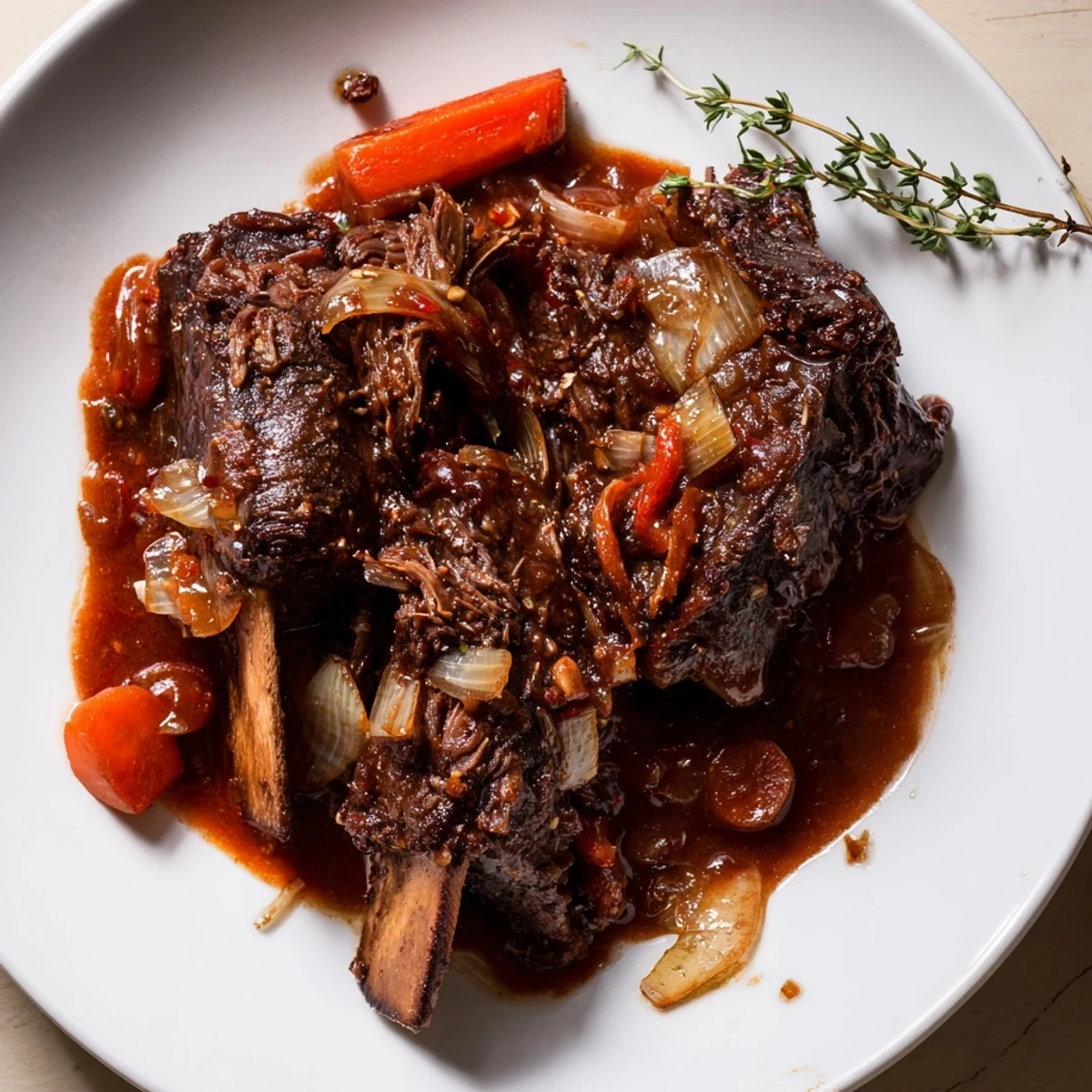
 I didn’t expect these ribs to become the centerpiece of a quiet winter night-in, but now even my mom requests them over her own birthday cake. The meal always ends slower, with everyone sneaking just one more forkful and the sauce nearly wiped clean by pieces of bread. Making this dish for friends always feels like a small celebration disguised as dinner.
Choosing Your Wine—and Your Company
I’ve learned that a generous pour of dry red wine makes all the difference, adding layers of flavor that only deepen as it cooks. A good Cabernet Sauvignon or Merlot won’t get lost in the sauce, and any leftover wine is perfect for sipping with dinner. It’s also a wonderful excuse to invite good company to share the meal—even on a regular weeknight.
Adapting to Fit Your Mood
Sometimes I swap out carrots for parsnips or toss in extra garlic depending on what’s rolling around in my produce drawer. If you’re craving variety, serve these ribs over creamy polenta or next to roasted root vegetables. The recipe is endlessly forgiving—embrace substitutions and don’t worry if your pantry looks a little different than mine.
Slow Cooking Success Secrets
Setting it and forgetting it is truly satisfying, but I do peek in halfway to make sure nothing’s sticking or drying out—though the slow cooker rarely fails me. Skimming the fat at the end brings out a cleaner finish, especially if you’re planning to save leftovers. If you’re pressed for time, you can brown the ribs and sauté veggies a day ahead, storing them in the fridge overnight until you’re ready to start cooking.
- If the sauce looks too thin, a splash more cornstarch and water works wonders.
- Let the ribs rest in the sauce for a bit before serving; flavors blossom as they mingle off heat.
- Remember to taste the sauce at the very end—salt levels can fluctuate as it cooks.
 Pin It
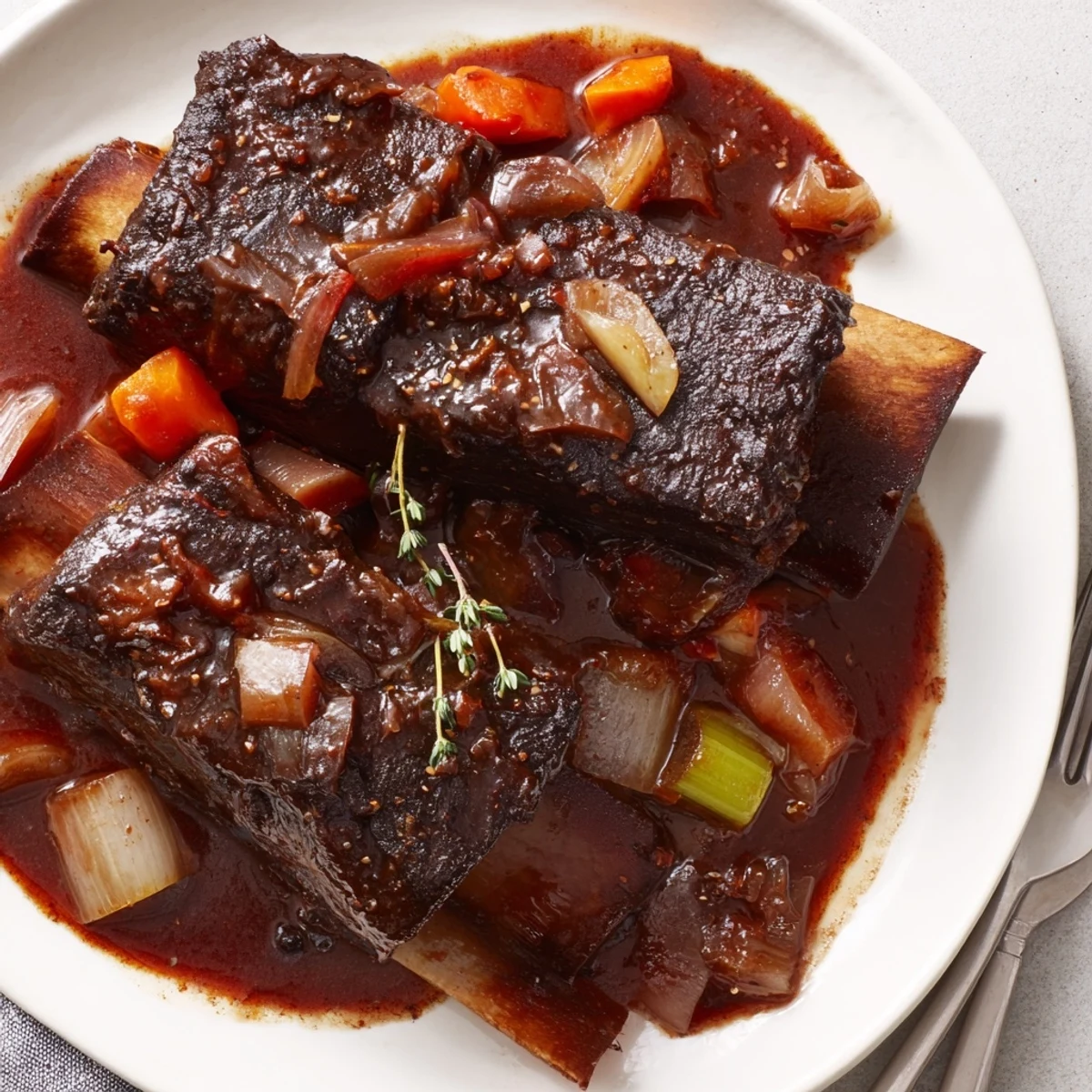
 Here’s hoping these slow-cooked short ribs turn a quiet dinner into something unforgettable for you, too. May your kitchen be filled with laughter, good smells, and plenty of sauce for sopping up every last drop.
Recipe Questions
- → Can I skip browning the short ribs?
-
Browning adds caramelized flavor and color; skip only if short on time, but expect a milder sauce. A quick sear on all sides for 2–3 minutes greatly improves depth.
- → How do I thicken the cooking liquid?
-
Mix 2 tablespoons cornstarch with 2 tablespoons cold water to make a slurry, stir into the cooker and cook on high for 10–15 minutes until thickened. Alternatively, reduce the liquid on the stovetop after removing the ribs.
- → What can I use instead of red wine?
-
Substitute equal parts additional beef broth plus a splash of balsamic vinegar or a tablespoon of tomato paste for acidity. This preserves depth without alcohol.
- → How can I tell when the ribs are done?
-
They are ready when a fork easily pulls the meat away from the bone and the ribs feel very tender. Total low cooking time is about eight hours for fall-off-the-bone texture.
- → Best side dishes to serve with the ribs?
-
Serve with mashed potatoes, creamy polenta, roasted root vegetables, or crusty bread to soak up the sauce. Bright greens or a simple salad help balance the richness.
- → How should leftovers be stored and reheated?
-
Cool slightly, refrigerate in an airtight container for up to 3–4 days or freeze for up to 3 months. Reheat gently on the stovetop over low heat, adding a splash of broth to revive the sauce.