
 Pin It
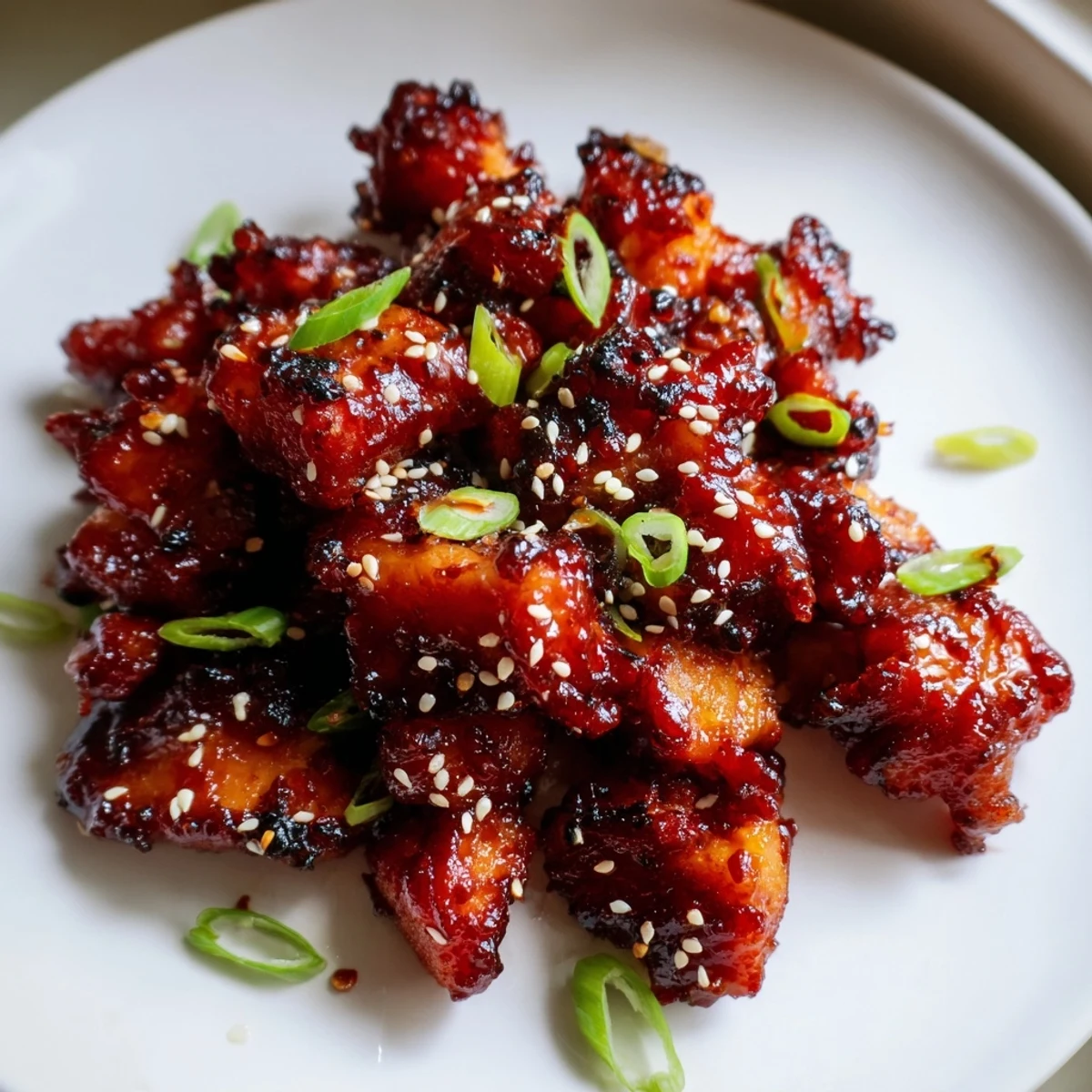
 This Korean-inspired gochujang chicken brings together bold, addictive flavors in under an hour. Boneless chicken thighs are marinated in a vibrant mixture of gochujang chili paste, soy sauce, honey, rice vinegar, garlic, ginger, and sesame oil, then pan-seared until beautifully caramelized.
The gochujang delivers a complex heat that's balanced by the honey's sweetness and the umami depth of soy sauce. Each bite is tender, sticky, and packed with savory-spicy goodness.
It's a straightforward dish that works equally well for a quick weeknight meal or for impressing guests. Serve it over steamed rice, tucked into lettuce wraps, or alongside kimchi and pickled vegetables for a complete spread.
The jar of gochujang sat in my fridge door for three months before I finally twisted it open, intimidated by its deep red intensity. One Tuesday evening, desperate for something beyond my usual chicken routine, I scooped out a generous spoonful and mixed it with whatever my pantry offered. The sizzle that hit the pan smelled like a Korean barbecue had opened in my tiny kitchen, and my neighbor actually knocked to ask what I was cooking.
I brought this to a potluck last summer expecting nothing special, just a big skillet of sticky red chicken over rice. Three people pulled me aside for the recipe before dessert was even served, and my friend Carlos now texts me photos every time he makes it himself.
Ingredients
- Chicken thighs (700 g boneless and skinless): Thighs stay juicier than breast meat and hold up beautifully to the bold marinade without drying out.
- Gochujang (3 tbsp): This fermented Korean chili paste is the soul of the dish, bringing heat, sweetness, and deep umami all at once.
- Soy sauce (2 tbsp): Adds saltiness and enhances the savory depth of the marinade.
- Rice vinegar (1 tbsp): A mild acid that brightens the whole sauce and cuts through the richness.
- Honey (2 tbsp): Balances the chili heat and helps create that gorgeous sticky caramelization in the pan.
- Garlic (2 cloves minced): Fresh garlic makes a noticeable difference here, so skip the jarred version if you can.
- Ginger (1 tbsp grated): Adds warmth and a slight zing that rounds out the sweetness beautifully.
- Sesame oil (1 tbsp): A little goes a long way toward giving the dish its authentic Korean aroma.
- Black pepper (half tsp freshly ground): Freshly cracked pepper adds a subtle background heat that complements the gochujang.
- Sesame seeds (1 tbsp toasted): A nutty finishing touch that also looks beautiful against the glossy chicken.
- Green onions (2 thinly sliced): Fresh crunch and a mild onion bite to finish each serving.
Instructions
- Build the marinade:
- Whisk together gochujang, soy sauce, rice vinegar, honey, minced garlic, grated ginger, sesame oil, and black pepper in a large bowl until you get a smooth, unified sauce with no streaks of paste remaining.
- Coat the chicken:
- Toss the bite sized chicken pieces into the bowl and stir until every piece is glossy and evenly coated, then let it sit for at least 20 minutes so the flavors seep in.
- Cook until caramelized:
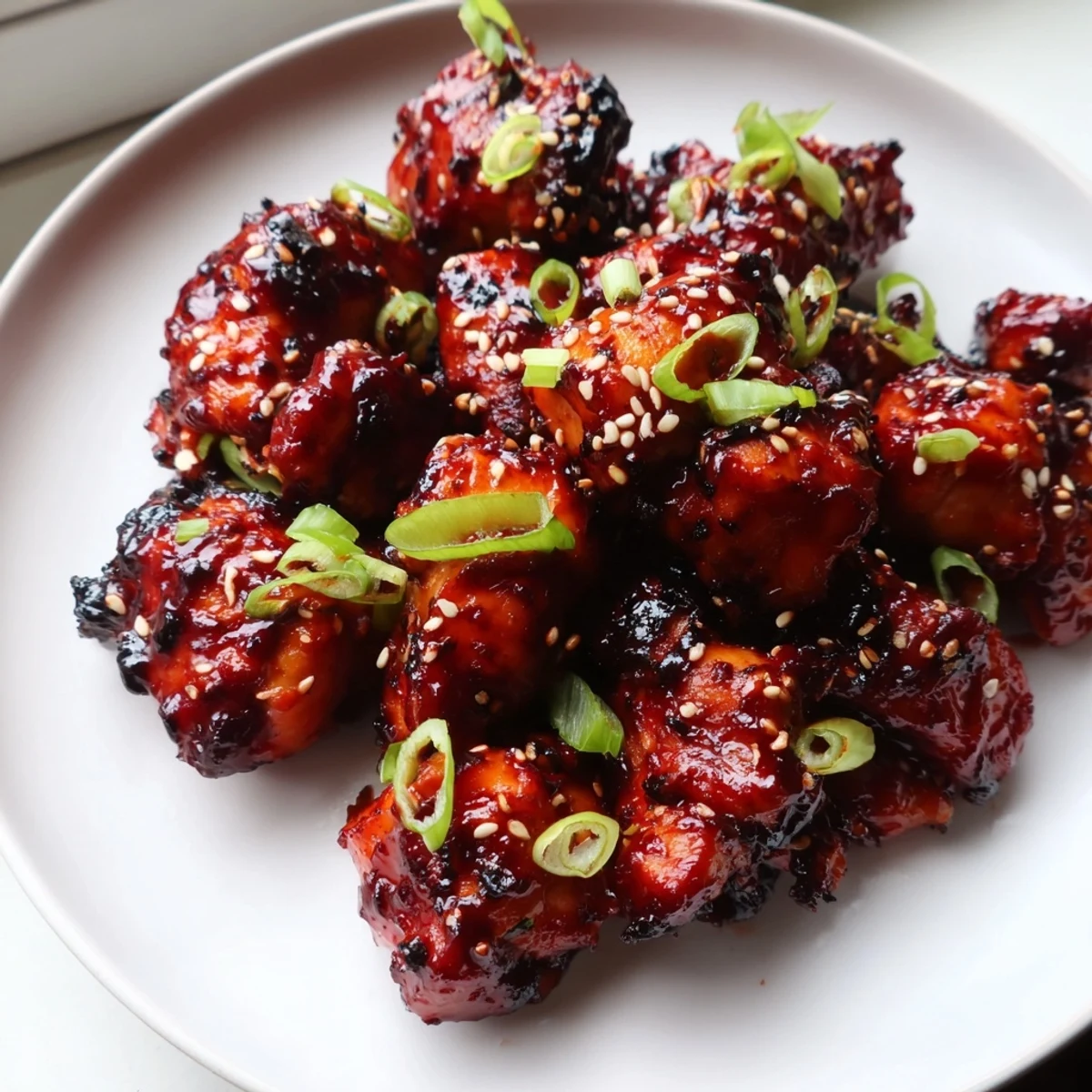
- Heat a large skillet over medium high heat and dump in the chicken along with every bit of leftover marinade, cooking each side for 6 to 8 minutes until the edges darken and the sauce thickens into a sticky glaze.
- Finish and serve:
- Pull the pan off the heat, scatter sesame seeds and sliced green onions over the top, and serve immediately over steamed rice or tucked into crisp lettuce wraps.
 Pin It
 There was a rainy Thursday when I ate this straight from the pan with a fork, standing at the stove in my socks, not even bothering with a plate. Some meals just demand that kind of immediacy.
What to Serve Alongside
Steamed white rice is the obvious partner here because it soaks up the extra sauce like a sponge. A pile of quick pickled cucumbers or a scoop of kimchi on the side adds acid and crunch that keep every bite interesting.
Making It Your Own
If you want more fire, stir a teaspoon of gochugaru into the marinade and watch the heat climb. You can swap chicken thighs for breast meat if you prefer something leaner, though I urge you to try thighs first because the juiciness really matters here.
Getting the Best Sear
Patience at the stove makes all the difference with this dish. Let the chicken sit undisturbed for a few minutes on each side so that golden crust can actually form.
- Use a wide skillet so the pieces are not crowded and steaming instead of searing.
- Keep a spatula handy to scrape up the caramelized bits that stick to the pan because those are flavor gold.
- Always taste a piece before serving to check if it needs a final squeeze of lime or pinch of salt.
 Pin It
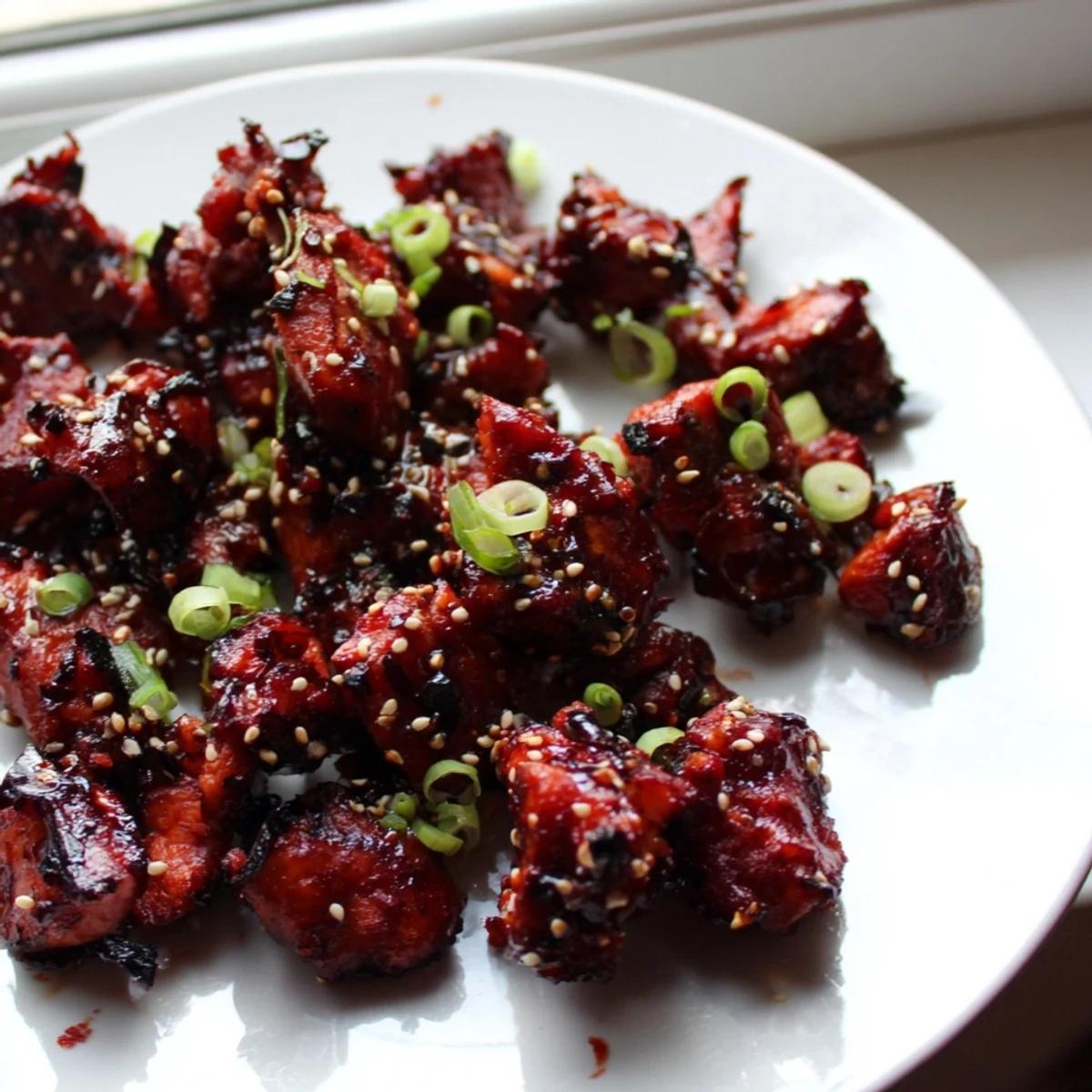
 This is the kind of recipe that turns a plain weeknight into something you actually look forward to, sticky fingers and all. Keep a jar of gochujang handy and trust me, you will find reasons to make it again.
Recipe Questions
- → What is gochujang and where can I find it?
-
Gochujang is a fermented Korean chili paste made from red chili powder, glutinous rice, fermented soybeans, and salt. It has a thick, sticky consistency with a complex sweet-spicy-umami flavor profile. You can find it in most grocery stores in the Asian foods aisle, at Korean markets, or online.
- → Can I use chicken breasts instead of thighs?
-
Yes, chicken breasts work as a leaner alternative. However, thighs are recommended because they stay juicier and more tender during the high-heat cooking process. If using breasts, reduce the cooking time slightly and be careful not to overcook them, as they can dry out faster than thighs.
- → How long should I marinate the chicken?
-
A minimum of 20 minutes is sufficient for the flavors to penetrate the surface. For deeper, more pronounced flavor, marinate for up to 2 hours in the refrigerator. You can also prepare it the night before and let it marinate overnight for the best results.
- → How spicy is this dish?
-
The heat level is moderate, as gochujang provides more umami and sweetness than intense spiciness. The honey further balances the warmth. If you want it hotter, add a teaspoon of gochugaru (Korean red chili flakes) to the marinade. For a milder version, reduce the gochujang slightly and add extra honey.
- → What should I serve with gochujang chicken?
-
Steamed white rice is the classic pairing, soaking up the sticky glaze perfectly. You can also serve it with lettuce wraps for a lighter option. Traditional Korean sides like kimchi, pickled radish, sautéed spinach, or seasoned bean sprouts complete the meal beautifully.
- → Is this dish gluten-free?
-
The standard version contains gluten from the soy sauce. To make it gluten-free, substitute regular soy sauce with tamari or a certified gluten-free soy sauce. Also check the label on your gochujang, as some brands may contain wheat-based additives.