
 Pin It
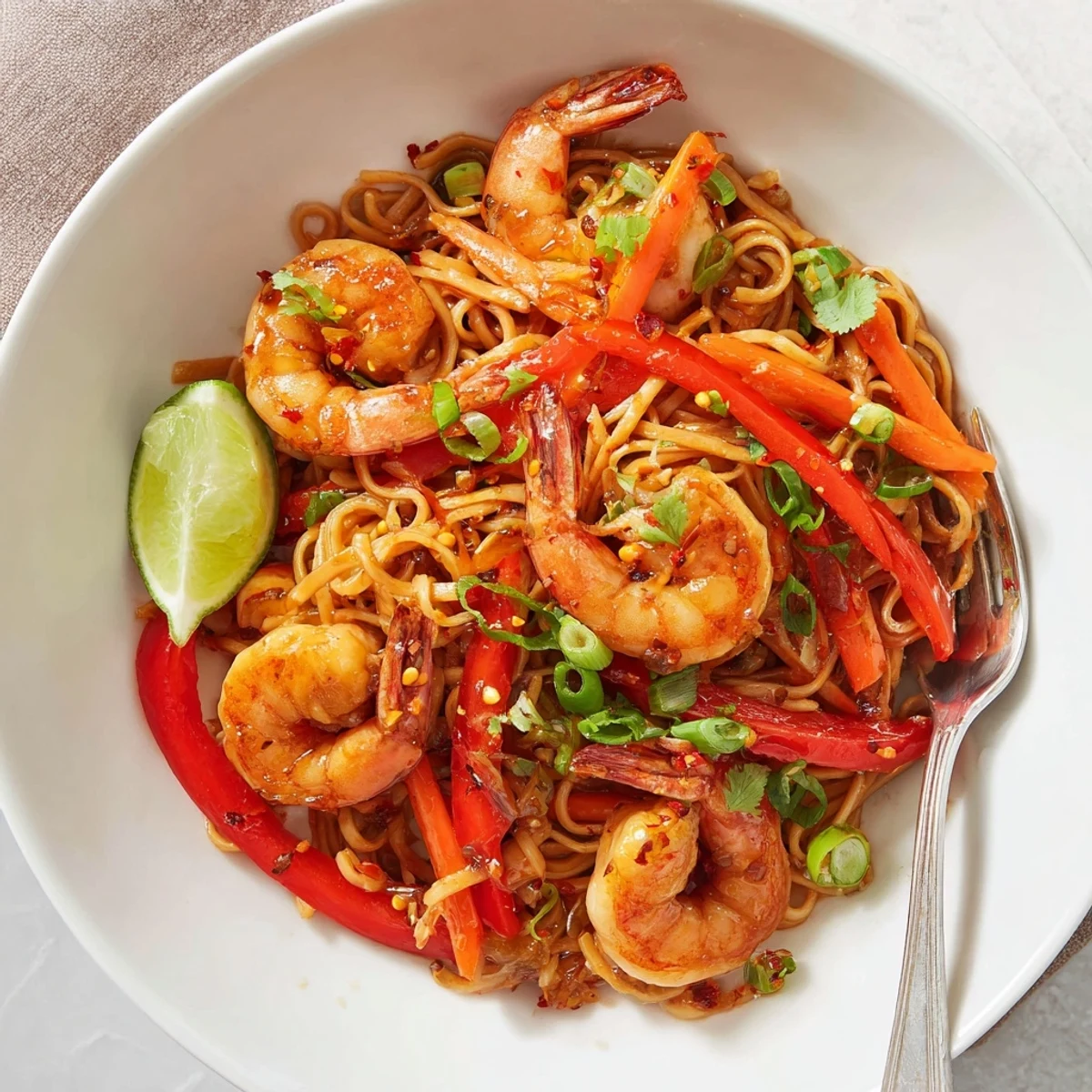
 This vibrant stir-fry brings tender shrimp and garlic-kissed rice noodles together with bell pepper, carrot, scallions and cilantro. Cook the noodles, whisk a savory-sweet sauce made from soy, oyster, fish sauce, sriracha and brown sugar, sear shrimp until just pink, briefly stir-fry the vegetables, then toss noodles and shrimp with the sauce until glossy. Ready in about 30 minutes; finish with lime wedges and extra cilantro, and adjust heat to taste.
The sizzle of garlic hitting a hot wok is one of those sounds that makes everyone in the house wander toward the kitchen, and this spicy garlic shrimp noodle dish has been my secret weapon for exactly that reason. It started as a thrown together Friday night experiment when the fridge was nearly empty and takeout felt too lazy. Thirty minutes later my roommate was scraping the pan clean and asking if I had secretly ordered from a restaurant. That was three years ago and I have probably made it sixty times since then.
One summer evening I doubled the batch for a rooftop dinner with friends, setting everything out family style with lime wedges and extra cilantro, and someone literally filmed the pan toss like it was a cooking show. The noodles disappeared in under ten minutes and two people asked for the recipe before dessert. There is something about the combination of heat, garlic, and that savory sweet sauce that makes people lose all restraint around a dinner table.
Ingredients
- Large shrimp (500 g, peeled and deveined): Fresh or thawed frozen both work, but pat them completely dry with paper towels so they sear instead of steam.
- Rice noodles or egg noodles (300 g): Rice noodles give a lighter chew while egg noodles hold up better if you like aggressive tossing, so pick based on your mood.
- Red bell pepper (1, thinly sliced): Adds crunch and sweetness that balances the heat, and the bright red strips make the whole dish look gorgeous.
- Carrot (1 small, julienned): A mandoline makes quick work of this and the thin matchsticks cook evenly without turning mushy.
- Green onions (2, sliced): Tossed in at the very end so they stay fresh and sharp against the rich sauce.
- Garlic (5 cloves, minced): Five sounds like a lot until you taste the result, and honestly I have been known to sneak in a sixth.
- Fresh cilantro (2 tbsp chopped plus extra for garnish): The herb that ties everything together with a citrusy brightness, and if you are a cilantro hater try Thai basil instead.
- Soy sauce (3 tbsp): The salty backbone of the sauce, and low sodium lets you control the seasoning more precisely.
- Oyster sauce (2 tbsp): This is where the glossy, velvety coating comes from so do not skip it.
- Fish sauce (1 tbsp): It smells intense straight from the bottle but melts into the dish and adds depth you cannot replicate any other way.
- Sriracha (1 and a half tbsp): Adjust up or down depending on your spice tolerance, and taste the sauce before you commit.
- Brown sugar (1 tbsp): Just enough sweetness to round the edges off the heat and bring the sauce into balance.
- Sesame oil (1 tsp): A tiny drizzle goes a long way and adds that toasty, nutty aroma that signals something special.
- Vegetable oil (2 tbsp): Used for high heat cooking since olive oil would burn at the temperature you need here.
- Lime (1, cut into wedges): A generous squeeze over each plate at the end wakes up every single flavor.
Instructions
- Get the noodles going:
- Follow the package directions for your noodles and drain them well, then toss with a few drops of oil so they do not stick into a sad clump while you handle everything else.
- Build the sauce:
- Whisk soy sauce, oyster sauce, fish sauce, sriracha, brown sugar, and sesame oil in a small bowl until the sugar dissolves, then give it a quick taste and adjust the heat if needed.
- Wake up the garlic:
- Heat vegetable oil in a large skillet or wok over medium high heat until it shimmers, then add the minced garlic and stir constantly for about thirty seconds until your kitchen smells incredible.
- Sear the shrimp:
- Spread the dried shrimp in an even layer and let them cook undisturbed for about a minute before flipping, cooking two to three minutes total until they are pink and curled but still tender inside, then remove them from the pan.
- Toss the vegetables:
- In the same pan with all those leftover garlic flavors, add the sliced bell pepper and julienned carrot, stir frying for about two minutes until they soften slightly but still have a satisfying bite.
- Bring it all together:
- Return the noodles and shrimp to the pan, pour the sauce over everything, and toss aggressively with tongs for about two minutes until every strand is coated and glistening and the whole pan is steaming.
- Finish and serve:
- Kill the heat and fold in the sliced green onions and chopped cilantro, then serve immediately with extra cilantro on top and lime wedges on the side for squeezing.
 Pin It
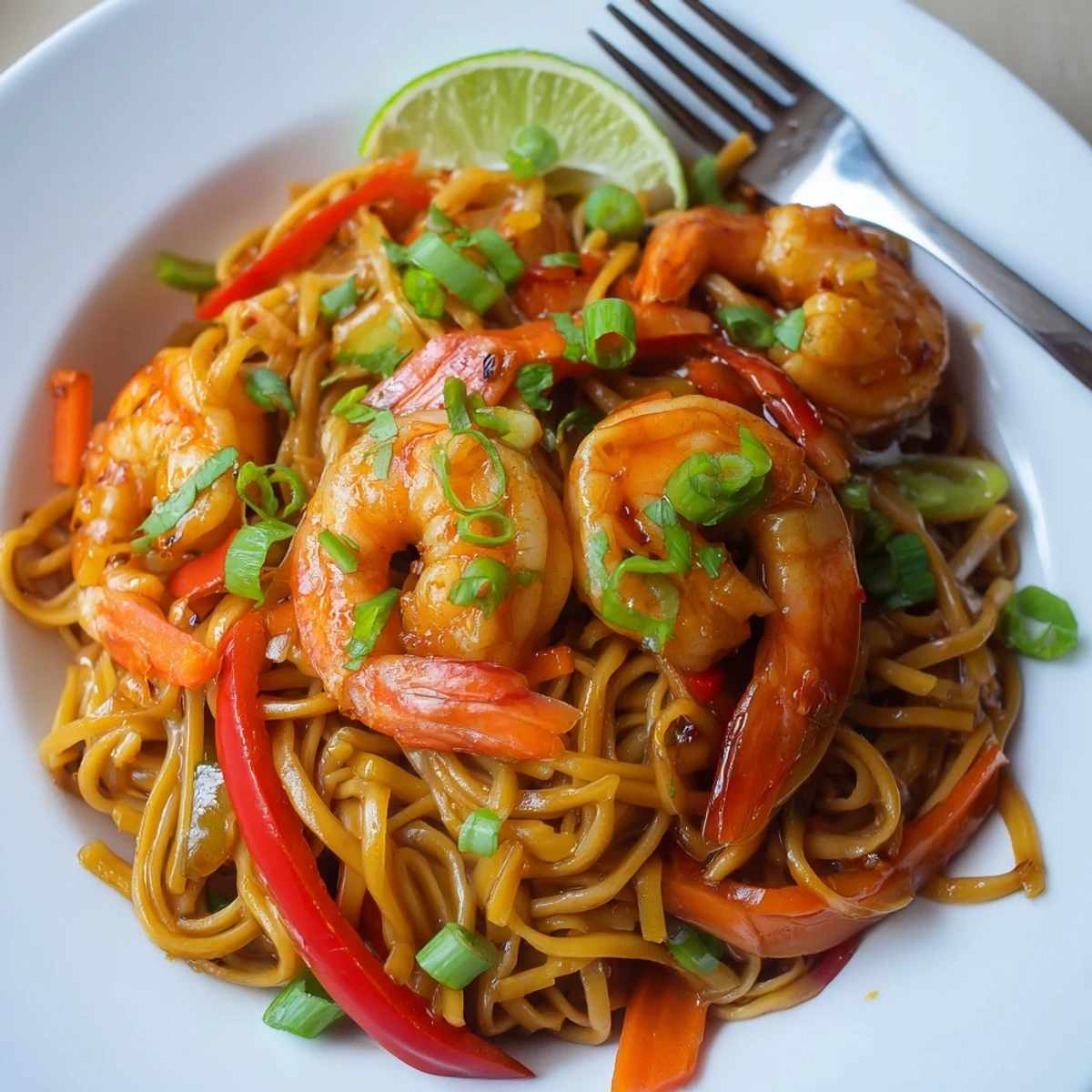
 There is a specific kind of happiness that comes from watching someone take their first bite, pause mid chew, and immediately reach for a second forkful before they have even swallowed the first.
Making It Your Own
This recipe is endlessly forgiving and rewards experimentation, so treat it as a template rather than a strict set of rules. I have tossed in snap peas, mushrooms, and even handfuls of spinach at the end with great results, and once I used leftover grilled chicken instead of shrimp which turned it into an entirely different but equally wonderful meal. The sriracha level is purely personal, and I know people who triple it and others who cut it in half, so make it yours.
What to Serve Alongside
A crisp cucumber salad with rice vinegar and a pinch of sugar cuts through the richness beautifully, or you could go with a simple miso soup if you want something warming on the side. For drinks, an ice cold Thai iced tea or a glass of off dry Riesling complements the heat without fighting it. Honestly though, this dish stands tall on its own with nothing more than a cold drink and good company.
Storage and Reheating
Leftovers keep well in an airtight container in the fridge for up to two days, though the noodles will absorb more sauce overnight and become softer. Reheat in a skillet with a splash of water or soy sauce rather than microwaving, which turns the shrimp tough. The vegetables lose some crunch but the flavor actually deepens, making it one of those rare dishes that tastes almost better the next day.
- Toss leftovers in a hot pan with a drizzle of oil to bring back some texture.
- Add a fresh squeeze of lime after reheating to wake up the flavors.
- Do not freeze this dish because the shrimp and noodles both suffer terribly in the thaw.
 Pin It
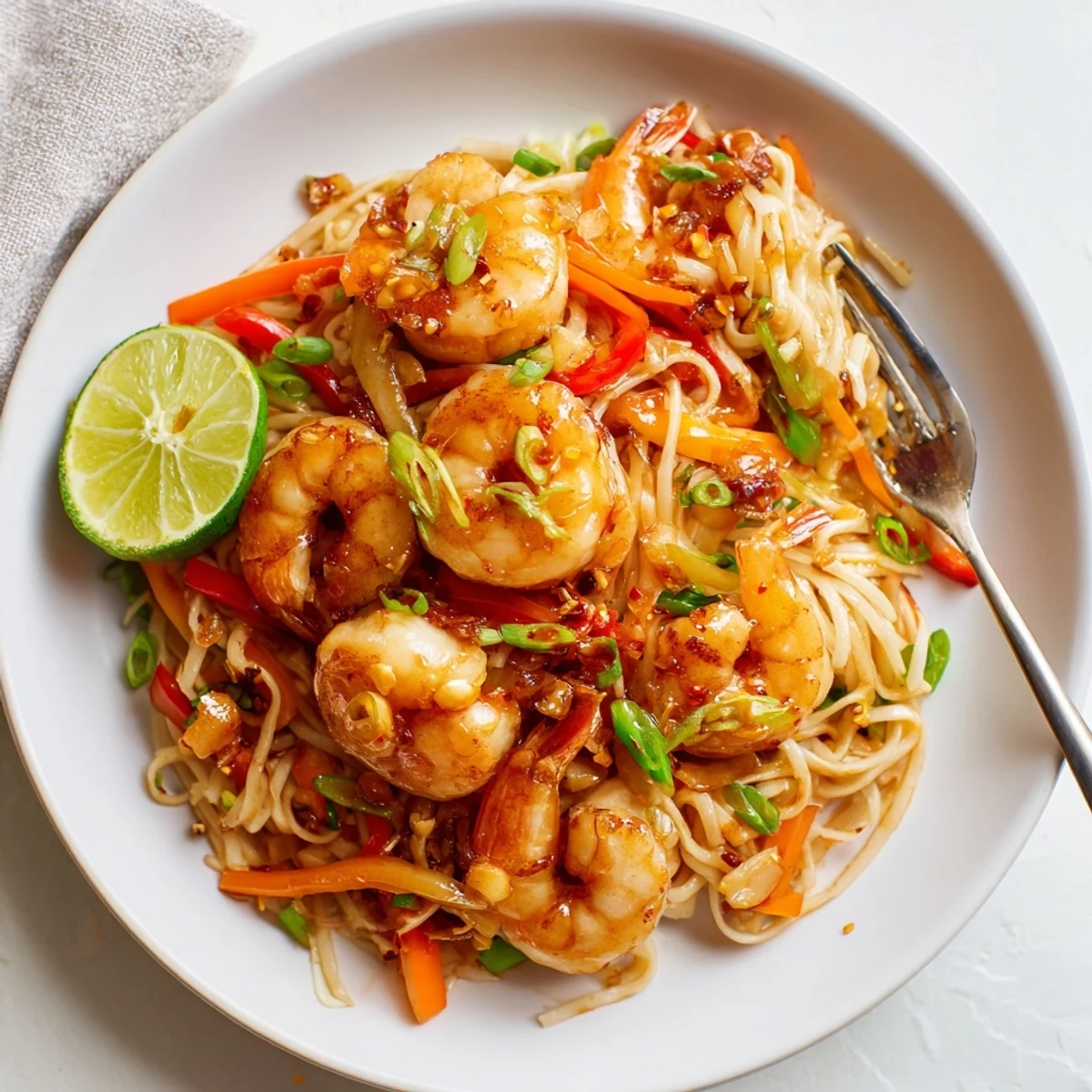
 Keep this one in your back pocket for nights when you want something spectacular without spending an hour at the stove. It never lets me down.
Recipe Questions
- → How do I prevent the shrimp from overcooking?
-
Choose large, deveined shrimp and pat them dry before cooking. Sear over medium-high heat just until pink and opaque — about 2–3 minutes per side for large shrimp — then remove and finish by tossing with the hot noodles so they don't continue to cook.
- → Which noodles work best for this dish?
-
Rice noodles or egg noodles both work well. Cook rice noodles until just tender, rinse with cold water to stop cooking, then toss in the hot pan to reheat. Egg noodles can take a bit longer; drain well to avoid sogginess.
- → How can I adjust the spice level?
-
Control heat by varying the sriracha amount or adding sliced fresh chilies or chili flakes. For milder flavor, reduce sriracha and add a touch more brown sugar or lime to balance the heat.
- → What keeps the noodles from getting soggy?
-
Don't overcook the noodles; cook until just tender and drain well. Toss them quickly in a hot pan with oil before adding sauce so they absorb flavor without sitting in liquid. Use high heat and keep stirring for a glossy finish.
- → What are good substitutions for allergens?
-
For soy-free options use coconut aminos instead of soy sauce and skip oyster sauce. Replace fish sauce with a splash of soy-free seasoning or extra salt. Swap shrimp for firm tofu or chicken if avoiding shellfish.
- → Can this be made ahead or reheated?
-
For best texture serve immediately. You can prepare the sauce and chop vegetables ahead. To reheat, gently stir-fry leftovers over medium-high heat and add a splash of broth or lime to revive the sauce; shrimp can become rubbery if overcooked during reheating.