
 Pin It
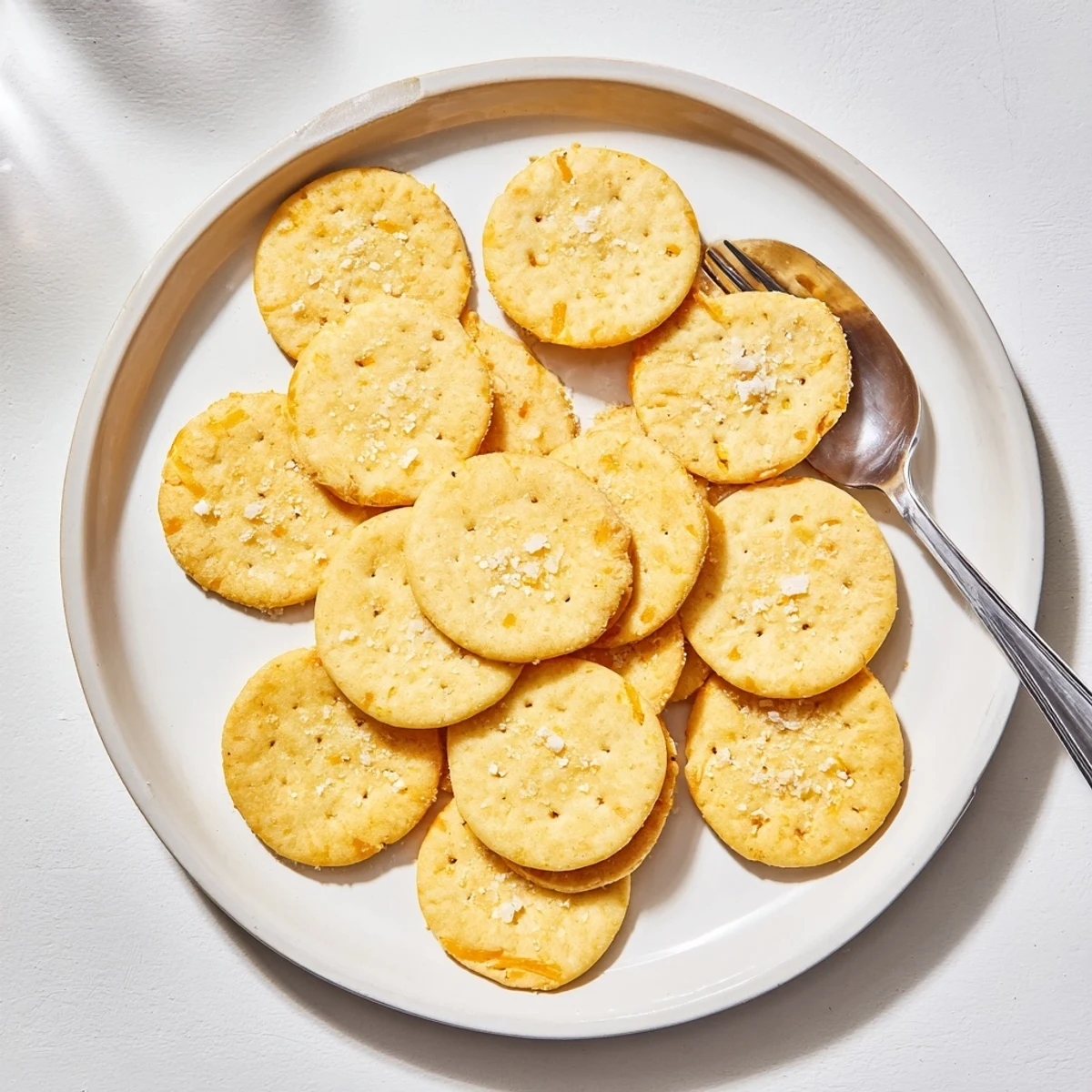
 Start with unfed sourdough discard and sharp cheddar, combine with softened butter, a touch of salt and optional garlic or smoked paprika, then add flour until a cohesive dough forms. Roll to 1/8-inch, cut into small squares, prick, sprinkle coarse salt, and bake until golden and crisp. Rotate halfway for even color, cool on a wire rack, and store airtight; brighten with chives or a pinch of cayenne to vary the flavor.
The jar of sourdough discard on my counter was threatening to overflow, and my friend Rachel was due in an hour with a bottle of wine and zero expectations for dinner. I spotted the block of sharp cheddar sitting next to it, and something just clicked. Those two desperate ingredients became the best snack crackers I have ever pulled from an oven, and Rachel now requests them every single time she visits.
I burned the first batch because I got caught up telling Rachel about my coworker's questionable office lunch habits and forgot to rotate the tray. The second batch came out golden and audibly crisp, and we ate them standing at the counter before the wine was even open.
Ingredients
- 1 cup (240 g) sourdough discard (unfed, room temperature): This is the tangy backbone of the cracker and a brilliant way to use discard that would otherwise go to waste.
- 1 cup (120 g) sharp cheddar cheese, finely shredded: Finely shredded melts into the dough better and distributes flavor evenly throughout every bite.
- 3/4 cup (95 g) all-purpose flour: Just enough structure to hold everything together without making them tough.
- 2 tbsp (30 g) unsalted butter, softened: Adds richness and helps achieve that satisfying snap when you bite in.
- 1/2 tsp sea salt: Enhances the cheese and balances the natural sourness of the discard.
- 1/2 tsp garlic powder (optional): A quiet background note that makes people wonder what your secret is.
- 1/4 tsp smoked paprika (optional): Adds a gentle smokiness that pairs beautifully with sharp cheddar.
- 1 to 2 tbsp (15 to 30 ml) cold water, as needed: Only if the dough feels dry and crumbly, add it sparingly.
- Coarse sea salt, for sprinkling: That finishing crunch on top makes these feel like something from a bakery.
Instructions
- Get the oven ready:
- Preheat your oven to 350 degrees F (175 degrees C) and line a baking sheet with parchment paper so nothing sticks.
- Build the dough base:
- In a mixing bowl, combine the sourdough discard, shredded cheddar, softened butter, salt, garlic powder, and paprika. Mix until everything is well incorporated and the cheese is evenly distributed.
- Bring in the flour:
- Gradually add the flour, mixing until a shaggy dough forms. If it feels too dry, sprinkle in cold water one tablespoon at a time just until it holds together.
- Knead it smooth:
- Turn the dough onto a lightly floured surface and knead gently until it comes together into a smooth ball, which should only take about a minute.
- Roll and cut:
- Roll the dough out to about 1/8 inch (3 mm) thickness, then use a sharp knife or pizza cutter to slice it into 1 inch (2.5 cm) squares.
- Finish and bake:
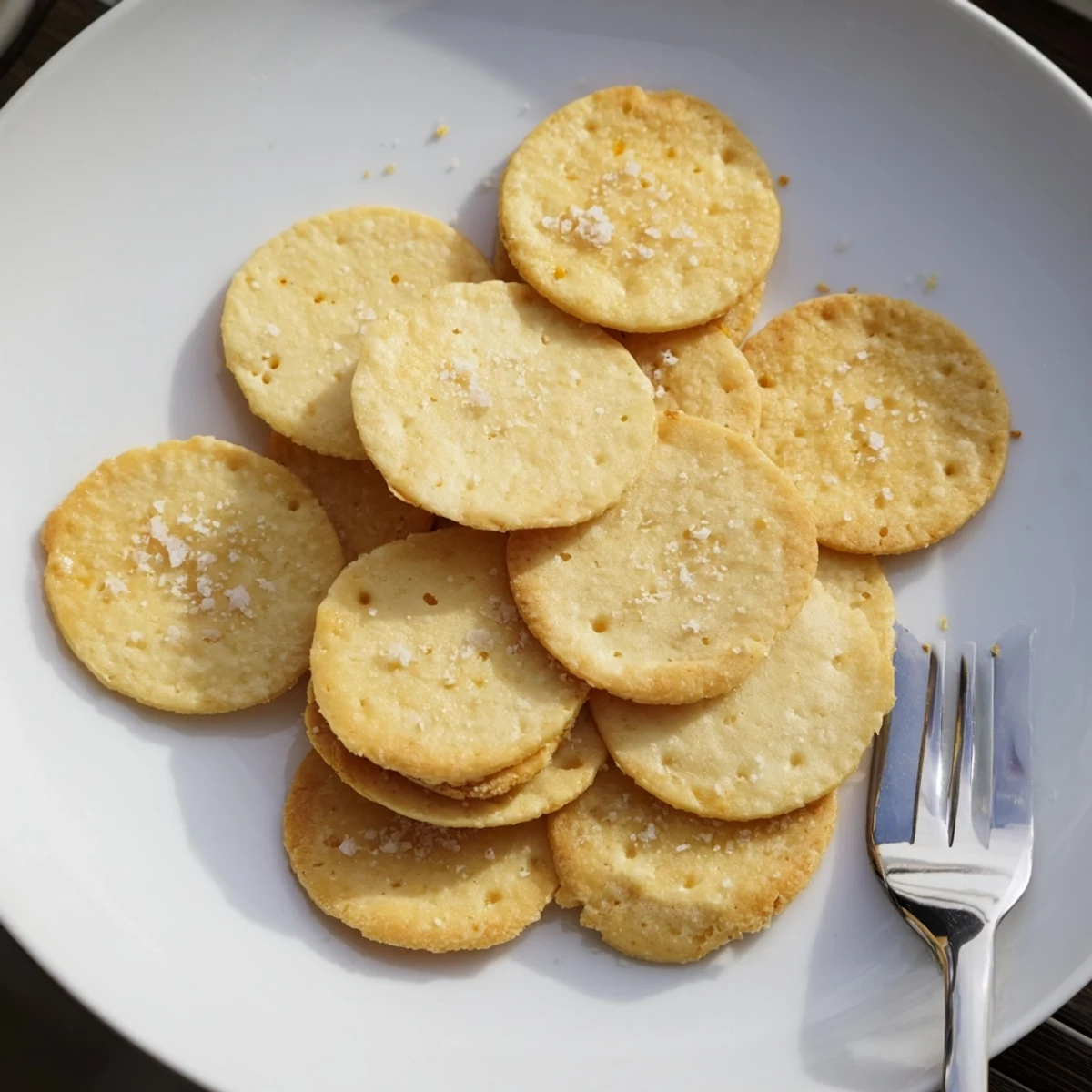
- Transfer the squares to your prepared sheet, prick each one with a fork, sprinkle with coarse salt, and bake for 16 to 20 minutes until golden and crisp, rotating the tray halfway through.
- Cool and store:
- Let the crackers cool completely on a wire rack, then store them in an airtight container at room temperature for up to one week.
 Pin It
 These crackers became my default contribution to every potluck and game night last winter. People always assume they came from a specialty shop, and I have stopped correcting them.
Flavor Variations Worth Trying
I once folded in a tablespoon of fresh chopped chives and a quarter teaspoon of cayenne when I was feeling adventurous, and those crackers disappeared faster than the plain ones. Thyme works beautifully too, especially alongside a bowl of tomato soup on a cold evening.
Getting the Perfect Crunch
The thickness of your rolled dough determines everything about the final texture. Go too thick and they soften as they cool, too thin and the edges burn before the centers crisp up. I aim for just barely translucent when I hold the dough up to the light.
Serving and Pairing Ideas
These crackers hold their own against creamy dips without crumbling into nothing. A bowl of hummus or a soft cheese spread turns them into something that feels intentionally planned rather than thrown together.
- Arrange them on a board with olives and sliced fruit for an effortless appetizer spread.
- Crush a handful over a bowl of tomato soup instead of traditional croutons.
- Always make a double batch because one will vanish before you sit down.
 Pin It
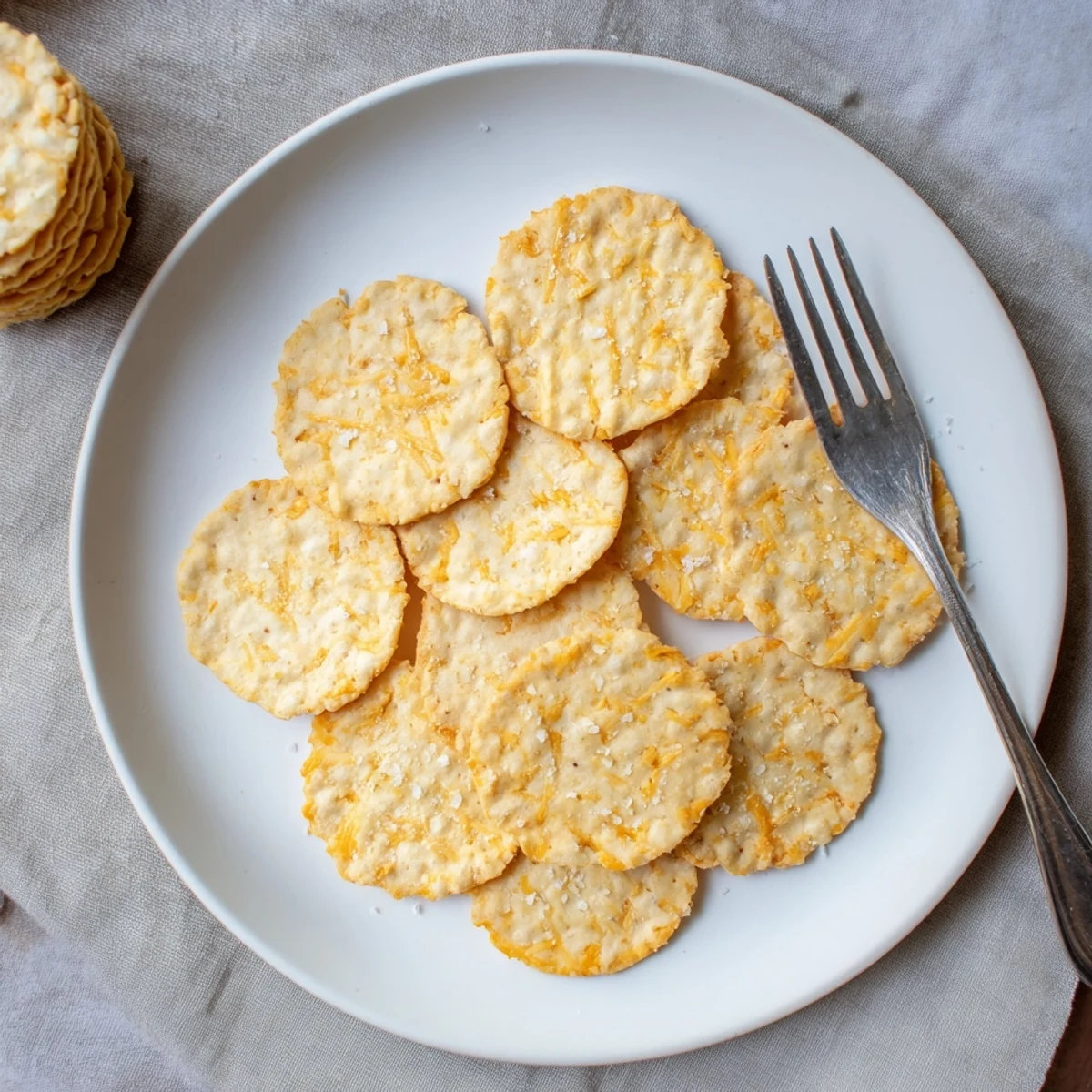
 Every time my sourdough jar fills up now, I feel a little spark of excitement instead of guilt. These crackers turned a discard problem into the best snack in my kitchen, and I hope they do the same in yours.
Recipe Questions
- → How do I keep the crackers crisp after baking?
-
Cool crackers completely on a wire rack before storing to avoid steam buildup. Keep them in an airtight container at room temperature and separate layers with parchment to preserve crunch. Avoid humid storage areas.
- → Can I swap the sourdough discard for active starter?
-
Active starter is wetter and more acidic; reduce added liquid slightly and expect a tangier flavor. Unfed discard gives a milder tang and more predictable texture for these thin crackers.
- → What cheeses work besides sharp cheddar?
-
Aged cheddars, Parmesan, Manchego, or a blend of sharp and milder cheeses all work. Drier, finely grated cheeses incorporate best without making the dough too greasy.
- → Can I make the dough ahead or freeze the crackers?
-
Dough can be chilled, wrapped, for up to 24 hours; roll and cut just before baking. Baked crackers freeze well in a sealed bag—thaw to room temperature and re-crisp briefly in a low oven if needed.
- → How can I add extra flavor or heat?
-
Fold chopped chives, thyme, or rosemary into the dough for herb notes. For heat, add a pinch of cayenne or smoked paprika. A light sprinkle of flaky salt after cutting enhances the savory profile.
- → Is there a gluten-free option?
-
Use a 1-to-1 gluten-free flour blend and add a small binder such as xanthan gum if the blend lacks one. Dough handling may be more delicate—chill slightly before rolling to prevent cracking.