
 Pin It
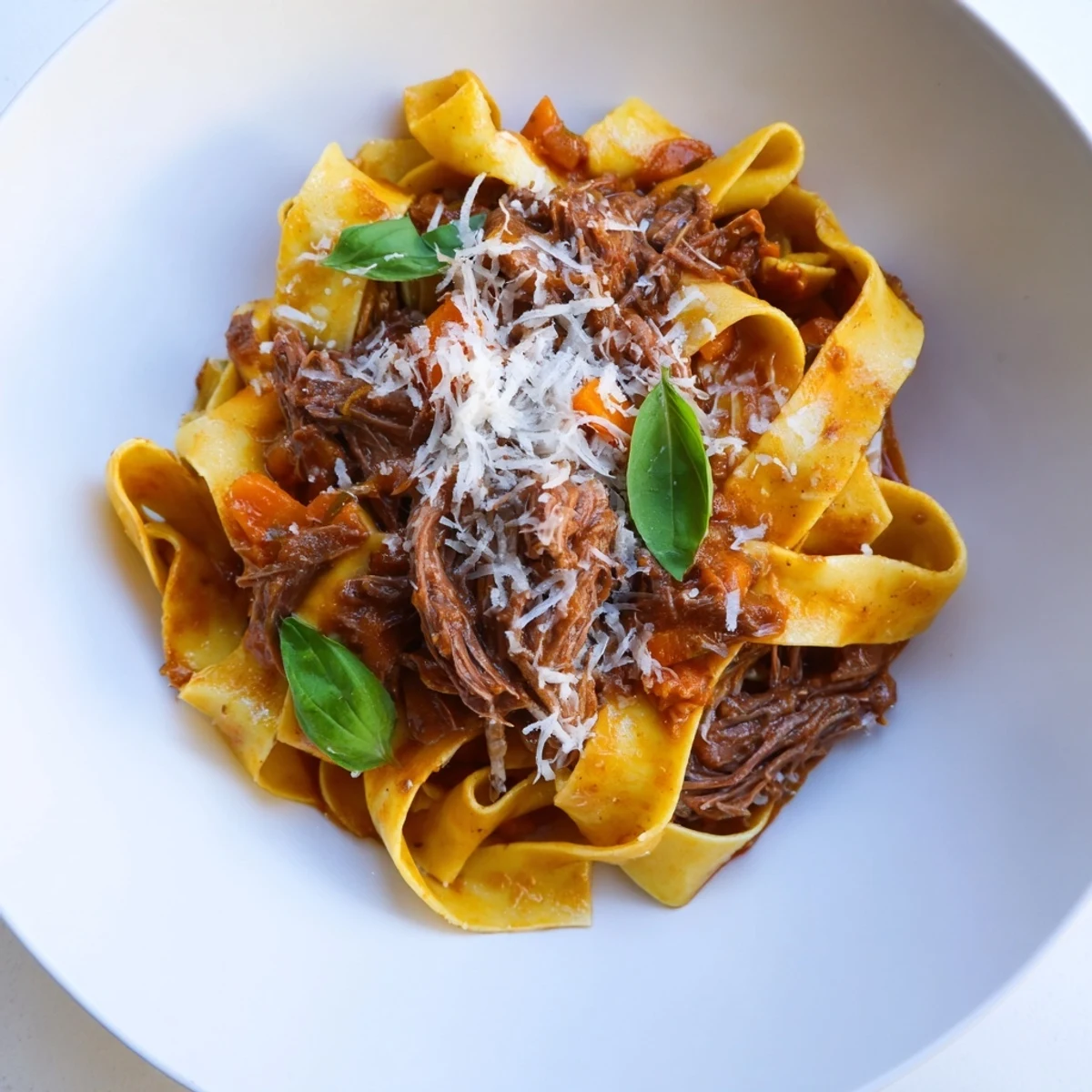
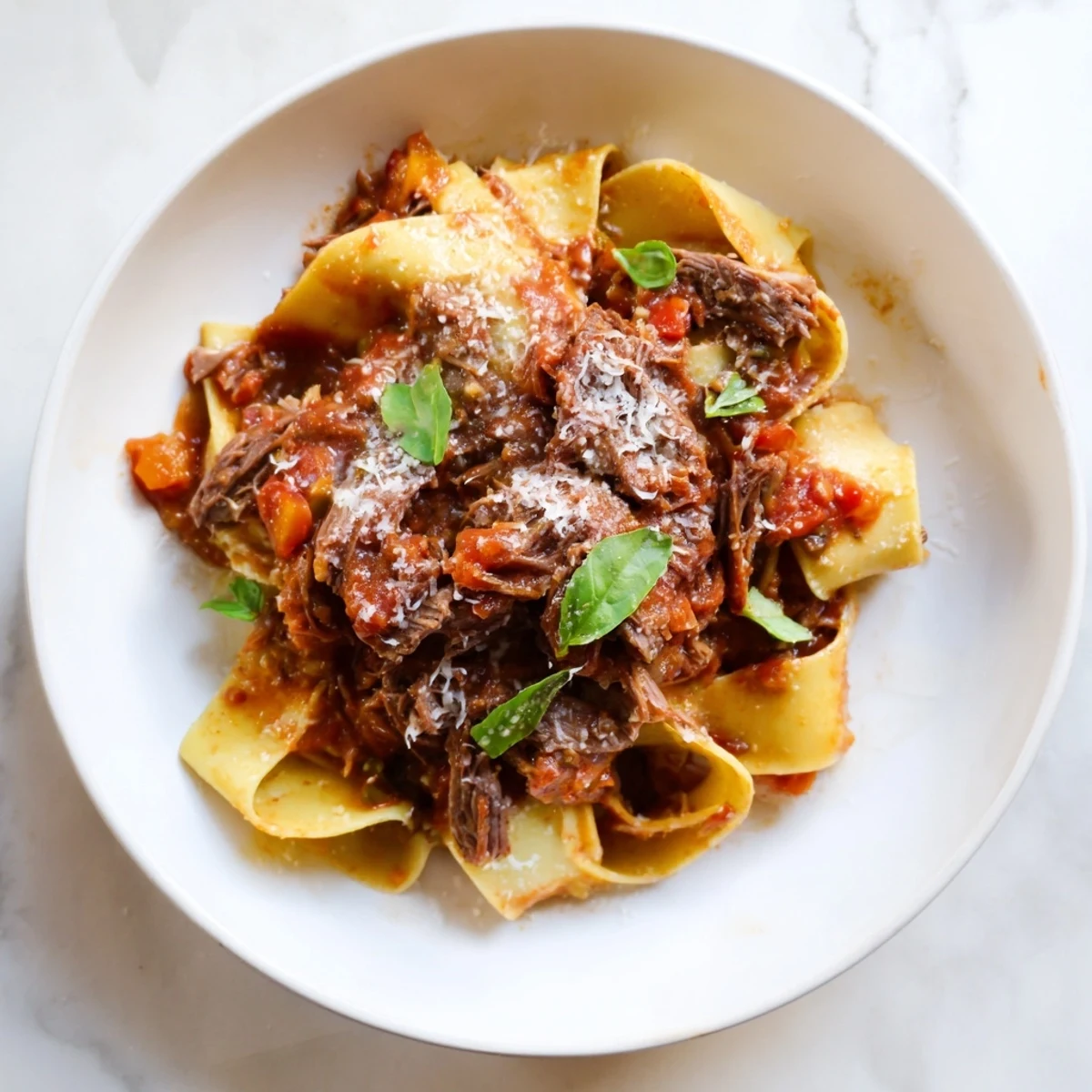
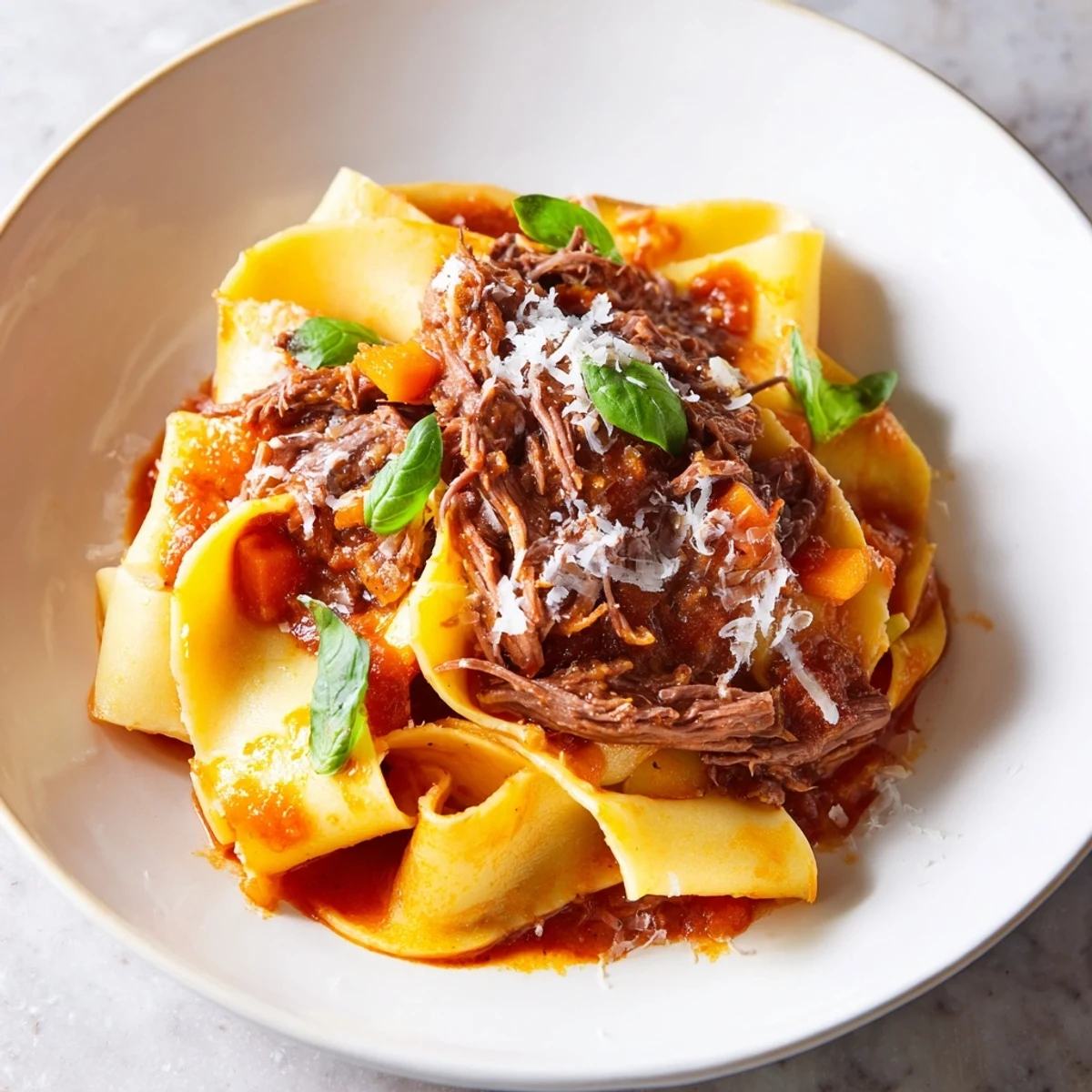
 This dish features succulent chunks of beef gently braised with onions, carrots, celery, garlic, and a flavorful tomato and red wine sauce. Slow cooking allows the meat to tenderize and absorb the rich blend of herbs and spices. Finished with a splash of milk for creaminess, the ragù is served over broad pappardelle noodles and topped with freshly grated Parmesan and herbs. The long, slow simmer develops deep, comforting flavors perfect for relaxed dinners.
My kitchen smelled like a trattoria in Rome one Sunday morning when I finally let the slow cooker do what I should have trusted it to do years earlier. I had always thought slow-cooked beef ragu required constant stirring and watching, but this recipe taught me that patience and a little sear at the start could create something extraordinary. The beef fell apart into silky shreds, the wine deepened into something almost sweet, and the pappardelle caught every bit of that rich sauce. It became the dish I make when I want my home to feel like a warm hug.
I remember serving this to friends on a cold February night when the wind rattled the windows and no one wanted to leave. We opened a bottle of the same wine that went into the pot, and someone said it tasted like the sauce had a memory. That phrase stuck with me because its true, this ragu carries the warmth of every ingredient that broke down and became part of something bigger.
Ingredients
- Beef chuck roast: This cut has just enough marbling to stay juicy through the long cook, and it shreds beautifully without drying out, I learned the hard way that leaner cuts turn stringy.
- Olive oil: Use it to sear the beef and build that caramelized base, it adds a fruity richness that butter alone cant give.
- Yellow onion: Chop it finely so it melts into the sauce, becoming sweet and almost invisible but deeply felt.
- Carrots and celery: These two form the backbone of the ragu, adding natural sweetness and body that balances the acidity of the tomatoes.
- Garlic cloves: Mince them fresh and add them after the other vegetables soften, burnt garlic turns bitter and theres no coming back from that.
- Tomato paste: Cooking it for a minute in the pan before adding liquids concentrates its flavor and removes any metallic edge.
- Crushed tomatoes: I prefer canned San Marzano style for their sweetness and low acidity, they break down into a velvety sauce.
- Dry red wine: A wine you would drink is a wine you should cook with, it adds depth and a subtle tang that ties everything together.
- Dried oregano and basil: These herbs bloom in the slow heat, releasing oils that make the whole dish smell like Sunday dinner.
- Bay leaves: They add a quiet herbal note, just remember to fish them out before serving.
- Crushed red pepper flakes: Optional but worth it, a tiny kick wakes up your palate without overpowering the sweetness.
- Sugar: Just a teaspoon cuts the acidity of the tomatoes and rounds out the flavor in a way that feels invisible but essential.
- Whole milk: Stirred in at the end, it softens the sauce and gives it a creamy finish that clings to the pasta.
- Pappardelle pasta: Wide ribbons are perfect for catching thick sauce, cook them just until al dente so they have a little bite.
- Parmesan cheese: Freshly grated makes all the difference, the pre-shredded stuff doesnt melt the same way.
- Fresh basil or parsley: A handful of torn leaves at the end adds brightness and a pop of color.
Instructions
- Season the beef:
- Rub the chunks all over with salt and pepper, getting into every crevice. This is your first layer of flavor, dont rush it.
- Sear the beef:
- Heat the olive oil until it shimmers, then add the beef and let it sit undisturbed until a deep brown crust forms, about 2 to 3 minutes per side. Transfer the beef to the slow cooker and leave the browned bits in the pan.
- Cook the vegetables:
- In the same skillet, add the onion, carrots, and celery, scraping up all those caramelized bits as they soften, about 5 minutes. Stir in the garlic and cook until fragrant, then add the tomato paste and let it cook for a full minute.
- Build the sauce:
- Transfer the vegetable mixture to the slow cooker. Pour in the crushed tomatoes, red wine, oregano, basil, bay leaves, red pepper flakes, and sugar, stirring everything together so the beef is surrounded by sauce.
- Slow cook:
- Cover and set the slow cooker to LOW for 8 hours, or HIGH for 4 to 5 hours if youre in a hurry. The beef should be so tender it falls apart when you poke it with a fork.
- Shred and finish:
- Remove the bay leaves, then use two forks to shred the beef right in the pot. Stir in the milk and taste, adding more salt or pepper if needed.
- Cook the pasta:
- Boil the pappardelle in salted water according to the package directions, drain it well, and divide it among plates.
- Serve:
- Spoon the ragu generously over the pasta, then shower it with Parmesan and fresh herbs. Serve it hot and watch people close their eyes on the first bite.
 Pin It
 There was a night when I made too much and froze half, thinking it would be a quick weeknight meal. Months later, I pulled it out on a day when everything felt hard, and that first bite reminded me that some things get better with time. This ragu is one of those things, both in the pot and in your memory.
Choosing Your Wine
I used to grab whatever red was cheapest, but I noticed a real difference when I started using a wine I actually enjoyed drinking. A medium-bodied red like Chianti or Merlot works beautifully, adding fruit and earthiness without overwhelming the beef. If you wouldnt pour it in a glass, dont pour it in the pot.
Making It Ahead
This ragu tastes even better the next day after the flavors have had time to marry. I often make it on a Saturday, let it cool, then refrigerate it overnight and reheat it gently on the stove before serving. The sauce thickens slightly as it cools, which means it clings to the pasta even better.
Serving Suggestions
While pappardelle is traditional, Ive served this over creamy polenta, stuffed into lasagna, or even spooned over toasted bread for a quick lunch. The ragu is forgiving and versatile, and it never complains about being repurposed.
- Pair it with a simple green salad dressed in lemon and olive oil to cut through the richness.
- A crusty loaf of bread is non-negotiable for mopping up every last bit of sauce.
- Leftover ragu freezes beautifully for up to three months, just thaw it in the fridge overnight and reheat gently.
 Pin It
 This dish has become my answer to cold nights, hard days, and celebrations that call for something heartfelt. I hope it finds a place in your kitchen the way it has in mine.
Recipe Questions
- → What cut of beef works best for this dish?
-
Beef chuck roast is ideal due to its marbling and tenderness when slow-cooked over several hours.
- → Can I use fresh herbs instead of dried?
-
Yes, fresh oregano and basil can be used; add them near the end of cooking to preserve their flavors.
- → Is red wine necessary for the sauce?
-
Red wine adds depth and acidity, but you can substitute with beef broth or skip if preferred.
- → How do I ensure the beef becomes tender?
-
Cooking on low heat for 8 hours allows the collagen to break down, resulting in tender, shreddable meat.
- → What pasta substitutes can be used with this ragù?
-
Tagliatelle, fettuccine, or gluten-free alternatives work well with the rich sauce.
- → How should I reheat leftovers without drying out the sauce?
-
Gently warm in a covered pan over low heat, adding a splash of broth or water if necessary to maintain moisture.