
 Pin It
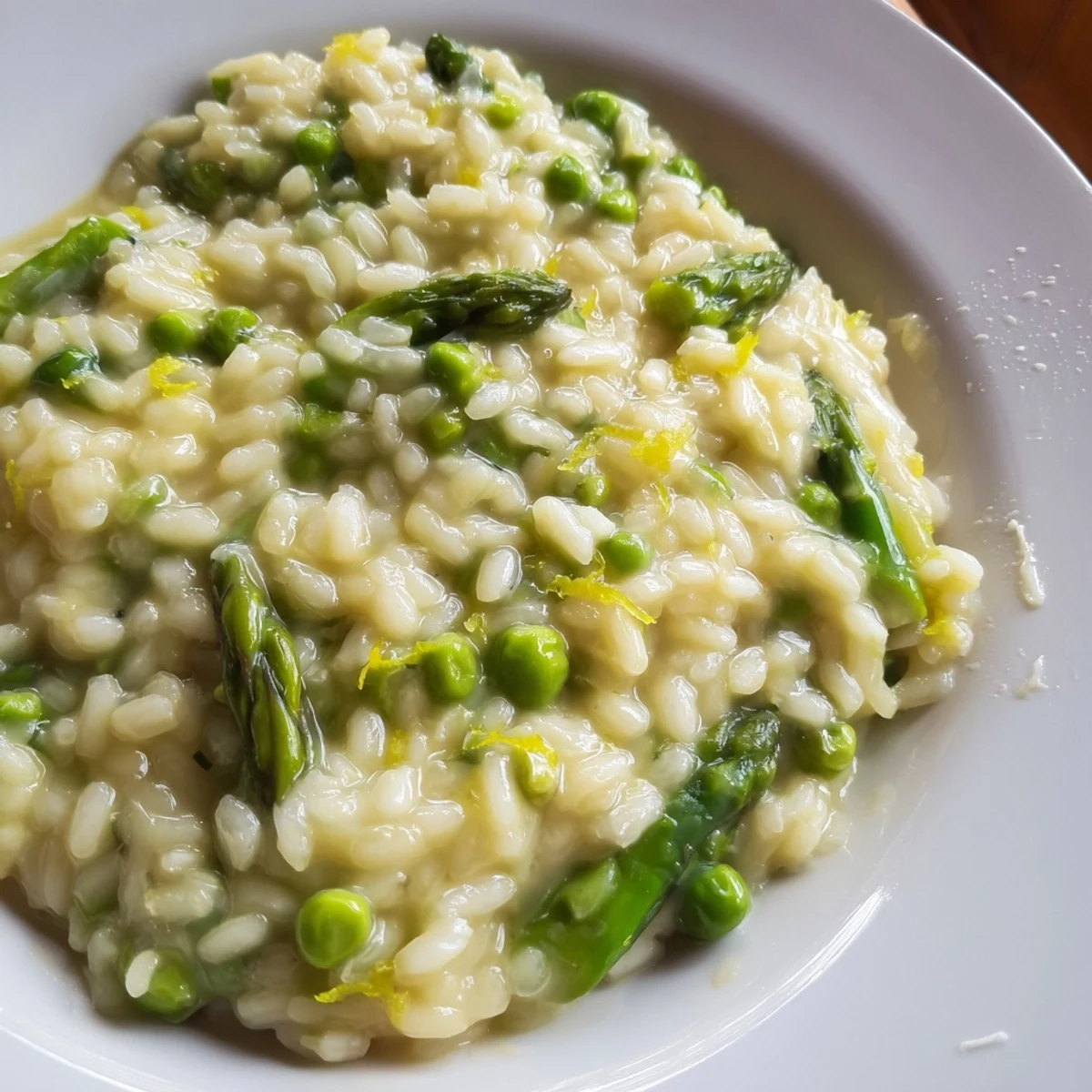
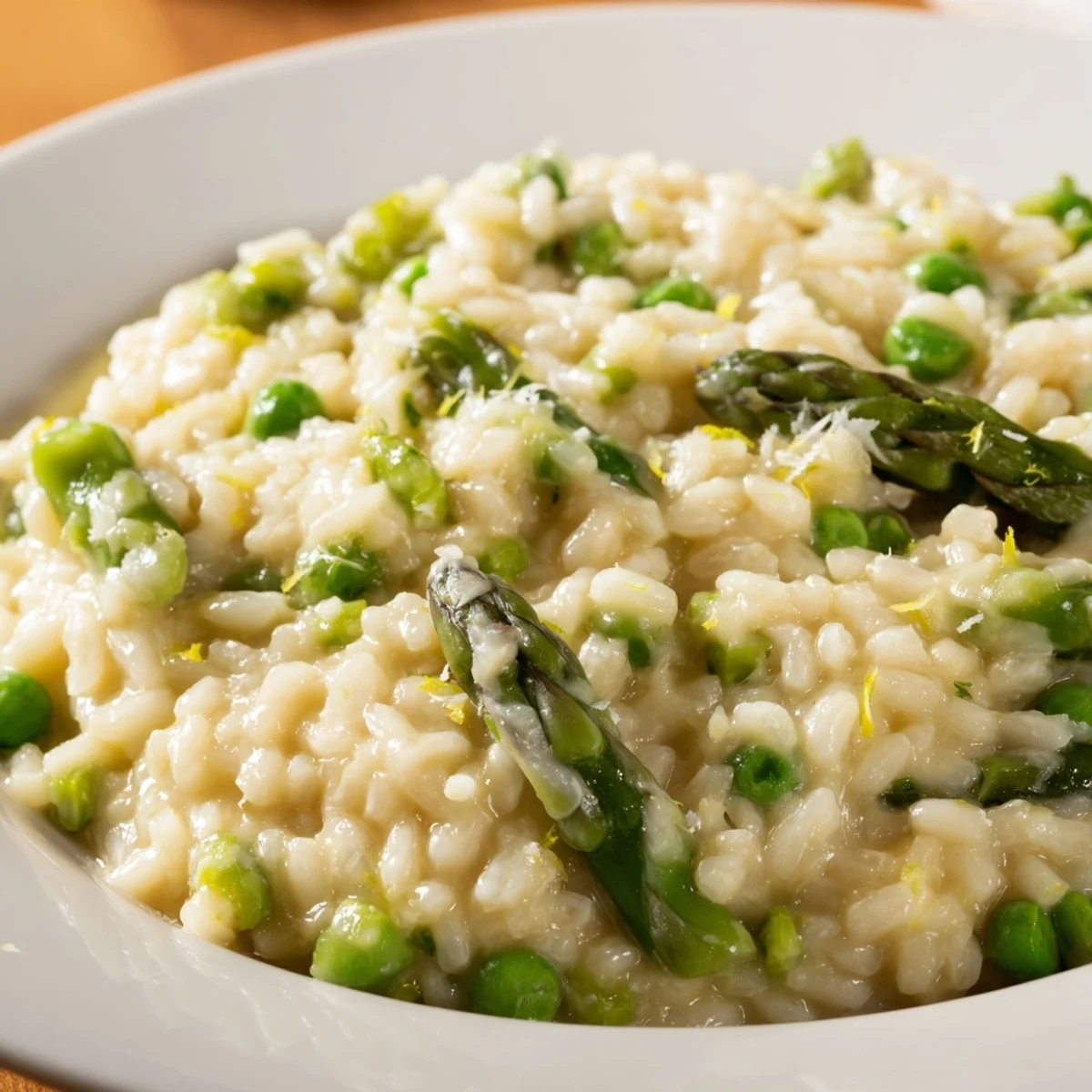
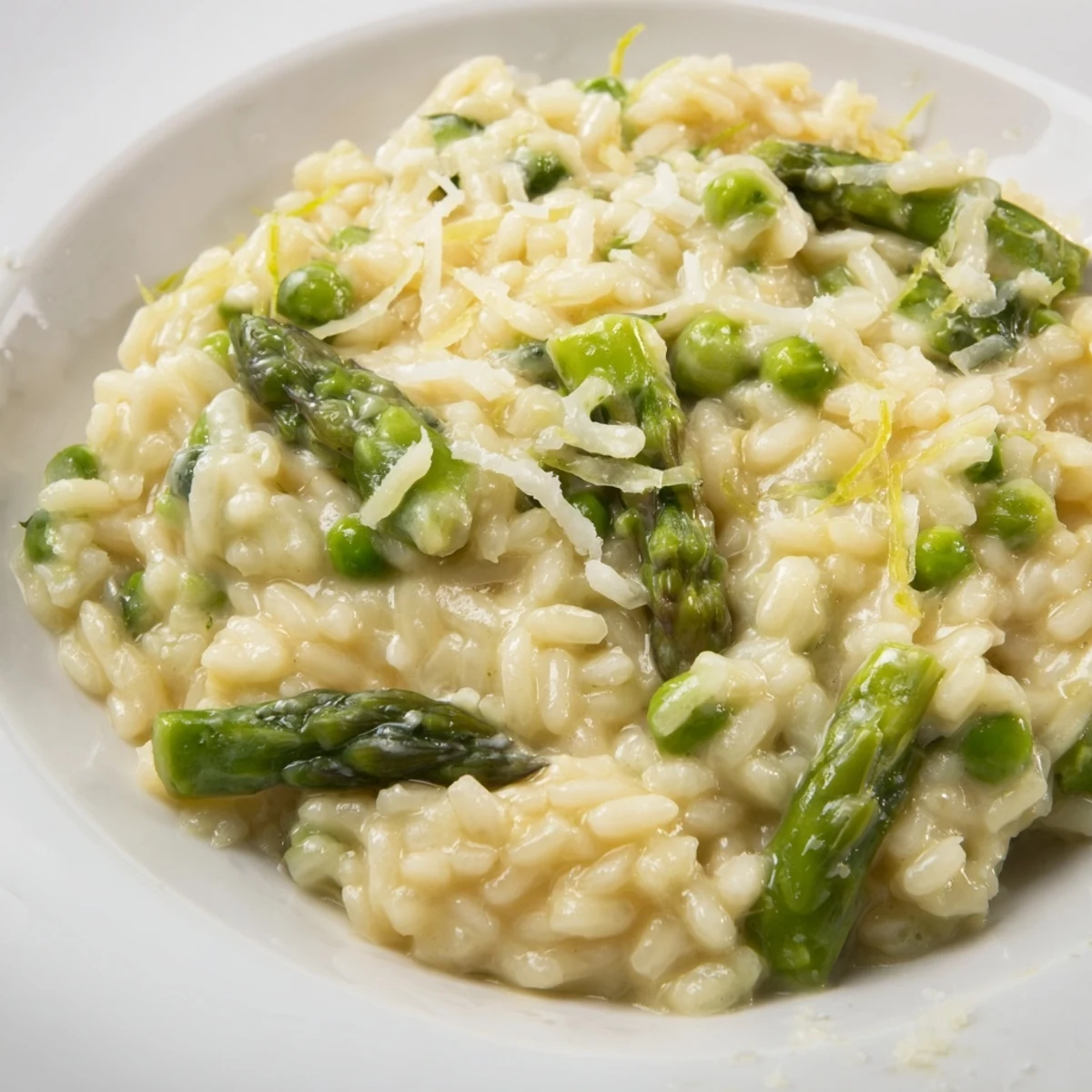
 This dish highlights a creamy Arborio rice base gently simmered with fresh asparagus and sweet peas. The addition of sautéed onions, garlic, and a splash of white wine builds a layered flavor profile. Tender vegetables and gradual broth stirring create a luscious, velvety texture. Finishing touches of butter, Parmesan, and optional cream enhance richness while seasoning adds depth. Perfect for a comforting yet elegant meal with seasonal freshness.
The first time I made risotto properly, I stood at the stove for forty minutes straight, convinced Id ruined it because the rice still had a bite to it. My Italian neighbor leaned over the balcony and called down that I was doing it exactly right. That tiny bit of resistance in the grain, she shouted, is what makes it risotto instead of rice pudding.
Last spring, I made this for friends who swore they hated risotto because it always turned out gluey or raw. We stood around the stove with wine glasses, taking turns stirring while the kitchen filled with the smell of butter and garlic. When we finally sat down to eat, the same friends asked for seconds before anyone had even finished their first bowl.
Ingredients
- 1 bunch fresh asparagus: Choose firm spears with tight tips and cut them into 2 cm pieces so they cook through without turning mushy
- 1 cup peas: Frozen peas work beautifully here and add bursts of sweetness that balance the savory rice
- 1 medium onion: Finely chopped so it melts into the risotto foundation
- 2 cloves garlic: Minced fresh and added only briefly so it perfumes the base without bitterness
- 1 ½ cups Arborio rice: This short-grain rice releases starch gradually and creates that signature velvety texture
- 4 cups vegetable broth: Keep it warm in a separate pot so cold liquid doesnt shock the rice and stop the cooking process
- ½ cup dry white wine: Adds brightness and depth, though the alcohol completely cooks off
- 3 tablespoons unsalted butter: Divided use creates the cooking base and finishes the dish with restaurant quality richness
- ¾ cup freshly grated Parmesan: Buy a wedge and grate it yourself for the best melting texture
- 2 tablespoons heavy cream: Optional but creates an incredibly luxurious mouthfeel
- Salt and black pepper: Taste at the end since the cheese and broth already bring saltiness
- Zest of 1 lemon: Adds a surprising bright note that cuts through all the creaminess
Instructions
- Build the foundation:
- Melt 2 tablespoons butter in a large heavy bottomed saucepan over medium heat then cook the chopped onion for 3 to 4 minutes until it turns translucent and soft. Stir in the garlic and let it cook for just 1 minute until fragrant.
- Toast the rice:
- Add the Arborio rice and stir constantly for 2 minutes until the grains look slightly translucent at the edges and are well coated with butter. This toasting step helps each grain hold its shape during the long cooking process.
- Add the wine:
- Pour in the white wine and let it bubble away while you stir until almost completely absorbed. The rice will start making a clicking sound against the pan when its time for more liquid.
- Begin the broth rhythm:
- Add warm vegetable broth one ladleful at a time, stirring gently and waiting until most of the liquid disappears before adding the next. Continue this slow process for about 15 minutes until the rice starts becoming tender.
- Add the vegetables:
- Stir in the asparagus pieces and peas then continue adding broth and stirring until the rice is creamy and al dente and the vegetables are tender, about 8 to 10 minutes more. The vegetables should turn bright green while the rice reaches that perfect slightly firm texture.
- Finish with luxury:
- Remove from heat and immediately stir in the remaining butter, Parmesan cheese, and heavy cream if using. The residual heat will melt everything into a glossy emulsion that clings to each grain of rice.
- Rest and serve:
- Cover the pot and let it rest for 2 minutes so the rice absorbs the final flavors. Season with salt, pepper, and lemon zest if desired then serve immediately with extra Parmesan on the table.
 Pin It
 This risotto has become my go to for first dates and dinner parties alike because it feels indulgent but allows me to stay in the kitchen and chat while I cook. Something about standing at the stove, stirring and talking, puts everyone at ease.
Making It Your Own
Sometimes I swap the vegetables for whatever looks fresh at the market, though the asparagus and pea combination is hard to beat for spring. In winter Ive used roasted butternut squash and sage, and in summer, cherry tomatoes and fresh basil work beautifully. The technique stays exactly the same.
The Wine Question
You can absolutely skip the white wine and replace it with more broth, though you lose that subtle acidic brightness that cuts through the richness. When I do use wine, I pour myself a glass of the same bottle and sip while I stir, which seems entirely appropriate for the pace of this dish.
Leftovers and Make Ahead
Risotto is best eaten immediately but if you do have leftovers, transform them into arancini the next day for crispy fried rice balls that might be even better than the original. The texture changes in the fridge, so reheating on the stove with a splash of broth is your best option.
- Set up your ingredients before you start because once the rice hits the pan, you need everything within reach
- Grate your Parmesan fresh from a wedge since pre grated cheese has anti caking agents that prevent smooth melting
- Trust your judgment more than the timer, the rice is done when it tastes creamy with a slight bite in the center
 Pin It
 Risotto has taught me that some things in the kitchen require presence and patience, and thats exactly what makes them worth making.
Recipe Questions
- → How should I prepare the asparagus for cooking?
-
Trim the tough ends and cut the asparagus into 2 cm pieces to ensure even cooking and tenderness in the dish.
- → Can I use frozen peas instead of fresh ones?
-
Yes, frozen peas can be used and added alongside the asparagus during the final cooking stages for vibrant color and sweetness.
- → What is the best method to achieve creamy risotto texture?
-
Gradually add warm vegetable broth while stirring gently, allowing the rice to absorb liquid slowly. This releases starch creating a naturally creamy consistency.
- → Is white wine essential for this dish?
-
White wine adds brightness and depth, but can be omitted or replaced with additional broth if preferred, without compromising taste significantly.
- → How can I make this dish vegan-friendly?
-
Substitute butter with plant-based alternatives and omit Parmesan or use a flavorful vegan cheese substitute to maintain creaminess.