
 Pin It
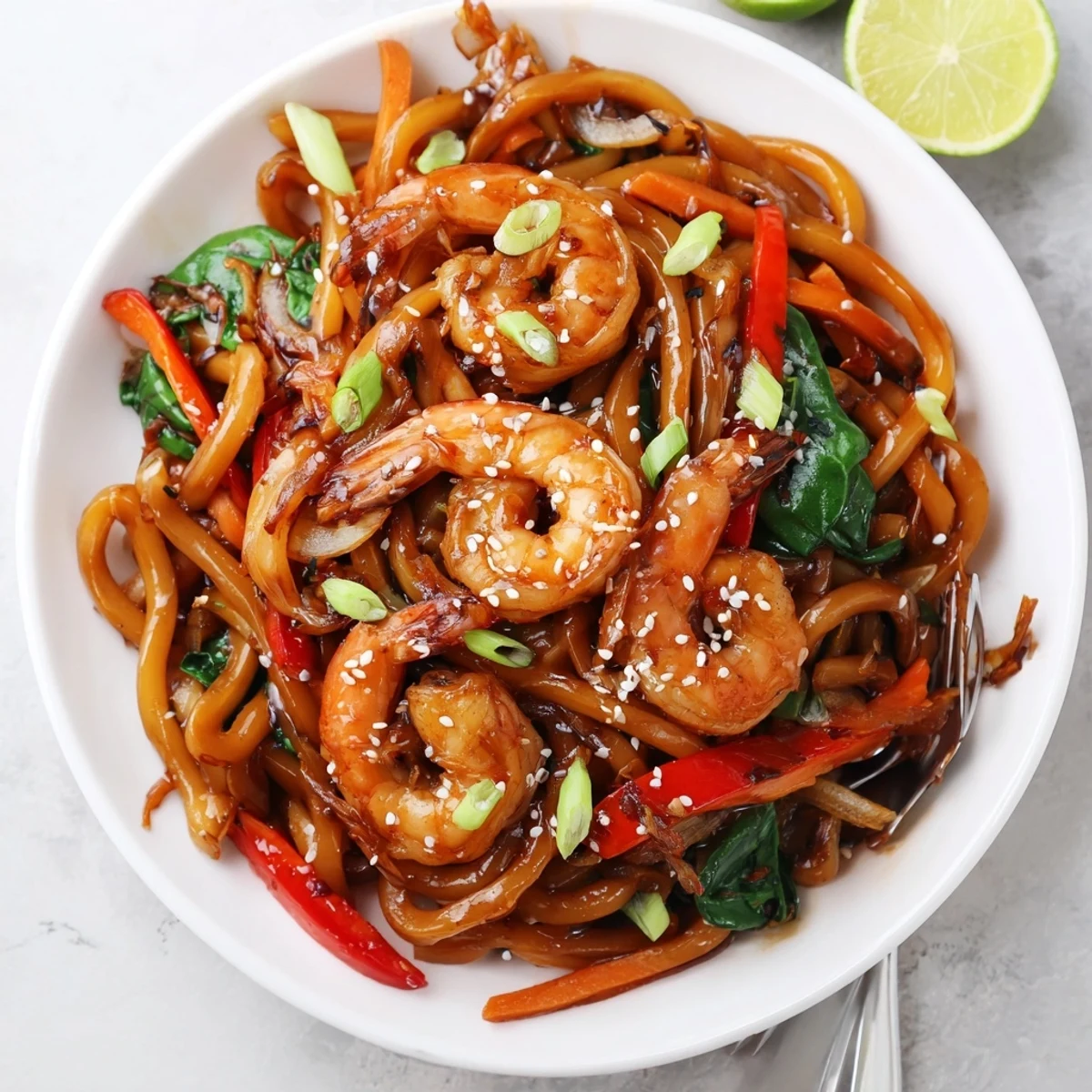
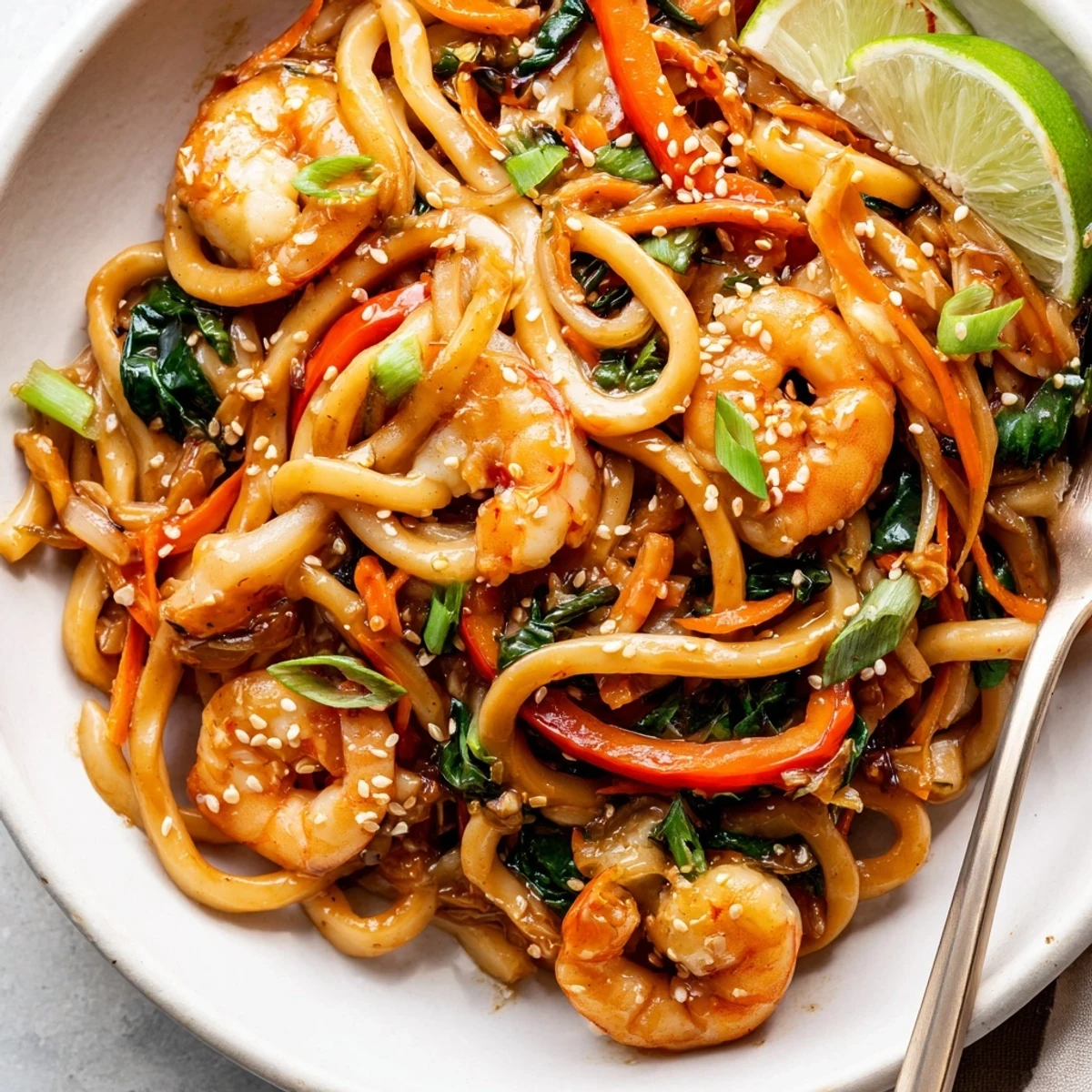
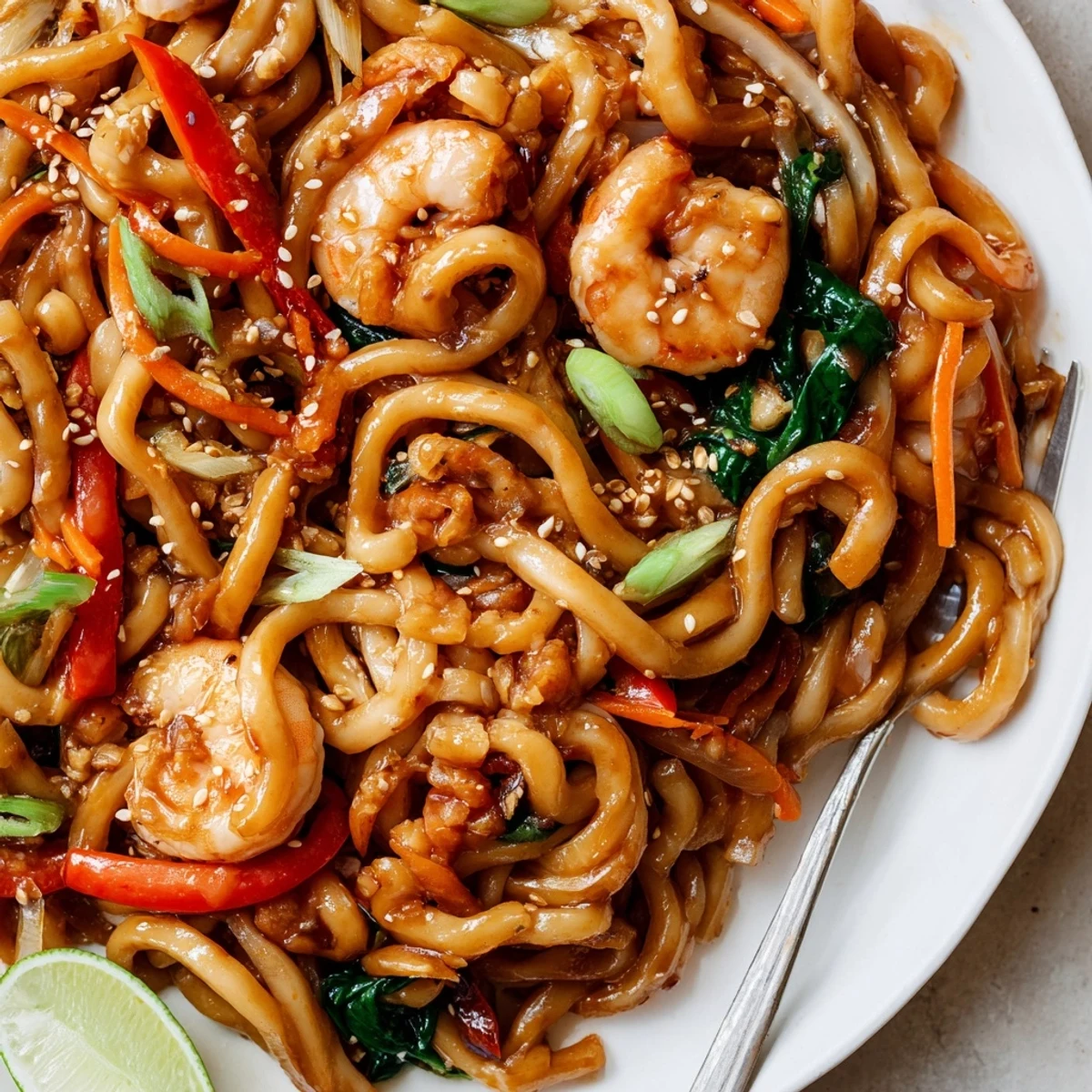
 Quick to prepare and ready in about 30 minutes, this savor-packed stir-fry pairs plump shrimp with thick udon noodles and crisp vegetables. A simple soy–oyster–mirin sauce coats every strand with deep umami while grated ginger and garlic add warmth. Cook noodles until just tender, sear shrimp briefly to avoid toughness, then toss everything together over high heat to caramelize edges. Add spinach or bok choy at the end to wilt gently, and finish with toasted sesame and shredded nori for aroma. Swap proteins or add chili oil for extra heat.
The sizzle of shrimp hitting a screaming hot wok on a Tuesday evening is one of those sounds that makes the whole house pay attention. My neighbor actually knocked on my door once mid stir fry, convinced I was running a restaurant out of my kitchen. Yaki udon has that effect on people, and honestly, I have never been apologetic about it.
There was a stretch last winter where I made this four Fridays in a row because my roommate kept requesting it after her longest work weeks. We would sit on the kitchen floor with our bowls, too impatient to set the table, and she would always pick out the shrimp first. Those evenings turned a simple noodle dish into something I genuinely looked forward to all week.
Ingredients
- 400 g large shrimp, peeled and deveined: The star protein here, so grab the freshest you can find and pat them completely dry for the best sear.
- 400 g fresh or frozen udon noodles: Thick and chewy is what you want, and frozen ones actually hold their texture beautifully during a vigorous stir fry.
- 1 small carrot, julienned: Thin strips cook fast and add a sweet crunch that balances the savory sauce.
- 1 small onion, thinly sliced: It melts into the dish and creates a subtle sweetness that ties everything together.
- 1 red bell pepper, thinly sliced: For color and a mild fruity bite that pops against the dark sauce.
- 2 cups baby spinach or bok choy: Either works, but bok choy gives a satisfying crispness if you can find it.
- 2 green onions, sliced: Tossed in at the end for a fresh sharp finish that wakes everything up.
- 3 tbsp soy sauce: The salty backbone of the sauce, and you can use low sodium if you prefer more control over the seasoning.
- 2 tbsp oyster sauce: This is where the deep savory richness comes from, so do not skip it.
- 1 tbsp mirin: A touch of sweetness and gloss that rounds out the sauce beautifully.
- 1 tsp sesame oil: Just a teaspoon is enough to perfume the entire dish with that toasty nutty aroma.
- 2 tsp sugar: Balances the saltiness and helps the sauce caramelize slightly on the noodles.
- 2 cloves garlic, minced: Fresh garlic makes a real difference here, so please do not reach for the jarred stuff.
- 1 tbsp fresh ginger, grated: Adds warmth and a slight kick that makes the whole dish taste more complex than it is.
- 2 tbsp vegetable oil: Divided for cooking the shrimp and the vegetables separately so nothing steams.
- Toasted sesame seeds, shredded nori, lime wedges for garnish: Totally optional but they turn a weeknight dinner into something that looks intentional and special.
Instructions
- Mix the sauce first:
- Whisk together the soy sauce, oyster sauce, mirin, sesame oil, and sugar in a small bowl until the sugar dissolves, then set it aside so the flavors meld while you prep everything else.
- Cook the noodles:
- Follow the package directions for your udon, whether frozen or dried, then drain well and rinse briefly so they do not stick together in a clumpy mess.
- Sear the shrimp:
- Heat one tablespoon of oil in your wok or large skillet over medium high heat until it shimmers, then toss in the shrimp and stir fry for two to three minutes until they turn pink and opaque before removing them to a plate.
- Wake up the aromatics:
- Pour the remaining oil into the same pan and sauté the garlic and ginger for about thirty seconds until your kitchen smells incredible and you start getting hungry all over again.
- Toss the vegetables:
- Add the onion, carrot, and bell pepper to the pan and stir fry for three to four minutes until they are just tender but still have some bite left in them.
- Bring it all together:
- Add the drained noodles and the cooked shrimp back into the pan, pour the sauce over everything, and stir vigorously so each noodle gets coated and glossy.
- Finish with greens:
- Toss in the spinach or bok choy and sliced green onions, stir frying for one more minute until the greens just wilt down and everything looks vibrant.
- Serve immediately:
- Plate it hot with a shower of sesame seeds, shredded nori, and lime wedges on the side if you are feeling fancy.
 Pin It
 The first time I served this to my family, my brother in law quietly went back for thirds without saying a word, which in his case is the highest compliment possible. That dinner taught me that sometimes the loudest praise is an empty plate and someone reaching for the serving bowl again.
Swaps and Substitutions
If shrimp is not your thing, diced chicken thigh works brilliantly, and pressed firm tofu cubes get beautifully golden in the same amount of time. Sliced shiitake or cremini mushrooms make a fantastic vegetarian version that still feels hearty enough to stand on its own.
Turning Up the Heat
A drizzle of chili oil or a few slices of fresh red chili tossed in with the aromatics transforms this into something that will clear your sinuses in the best way. I discovered this by accident when I grabbed the wrong bottle one evening, and now I honestly prefer it spicy.
What to Serve Alongside
A cold glass of sake or a crisp dry white wine cuts right through the richness of the sauce and makes the whole meal feel a little more special. A simple cucumber salad with rice vinegar on the side adds a refreshing crunch that balances the warm chewy noodles perfectly.
- Chill your sake in the fridge for at least an hour before dinner.
- If you are skipping alcohol, sparkling water with a squeeze of lime does the trick.
- Remember that yaki udon waits for no one, so have everything else ready before you fire up the wok.
 Pin It
 This is the kind of recipe that earns a permanent spot in your weeknight rotation because it rewards you generously for very little effort. Make it once, and I promise you will start keeping frozen udon and shrimp in your freezer as a matter of habit.
Recipe Questions
- → How do I keep udon from sticking together?
-
Cook udon according to package directions until just tender, then drain and rinse briefly under cold water to remove excess starch. Toss the noodles with a teaspoon of oil or a splash of the sauce before adding to the pan; stir-frying on high heat helps prevent clumping.
- → How can I tell when the shrimp are done?
-
Shrimp are ready when they turn opaque and pink with a slight curl, usually 2–3 minutes over medium-high heat for large shrimp. Avoid overcooking to keep them tender; remove and set aside if you need extra time cooking the vegetables.
- → Can I use dried udon or other noodles instead?
-
Fresh or frozen udon gives the best chew, but dried udon works if cooked per package instructions and rinsed. Thick wheat noodles, lo mein, or even rice noodles can be used, though cook times and texture will vary.
- → How do I adjust the sauce if it's too salty or sweet?
-
Balance saltiness by reducing soy or oyster sauce and adding a splash of water or low-sodium stock. To cut sweetness, omit or halve the sugar. Brighten flavors with a squeeze of lime or extra grated ginger.
- → What are good garnish and serving ideas?
-
Finish with toasted sesame seeds, shredded nori, and sliced green onions for texture and aroma. Serve with lime wedges for brightness and pair with chilled sake or a crisp white wine.
- → How should I store and reheat leftovers?
-
Cool leftovers quickly and refrigerate in an airtight container for up to 2–3 days. Reheat in a hot skillet with a splash of oil or water to revive the noodles and loosen the sauce; avoid microwaving if you want to keep texture crisp.