
 Pin It
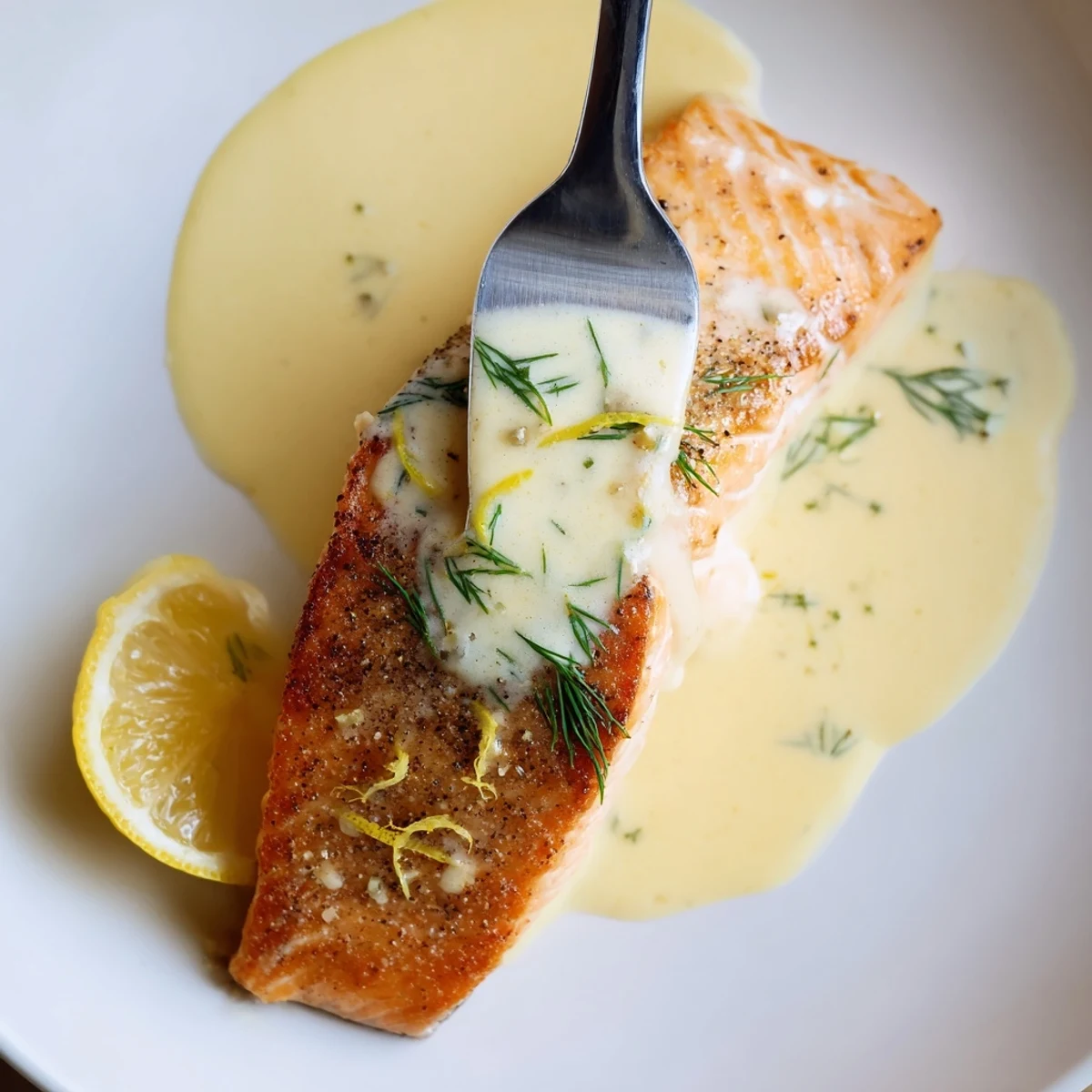
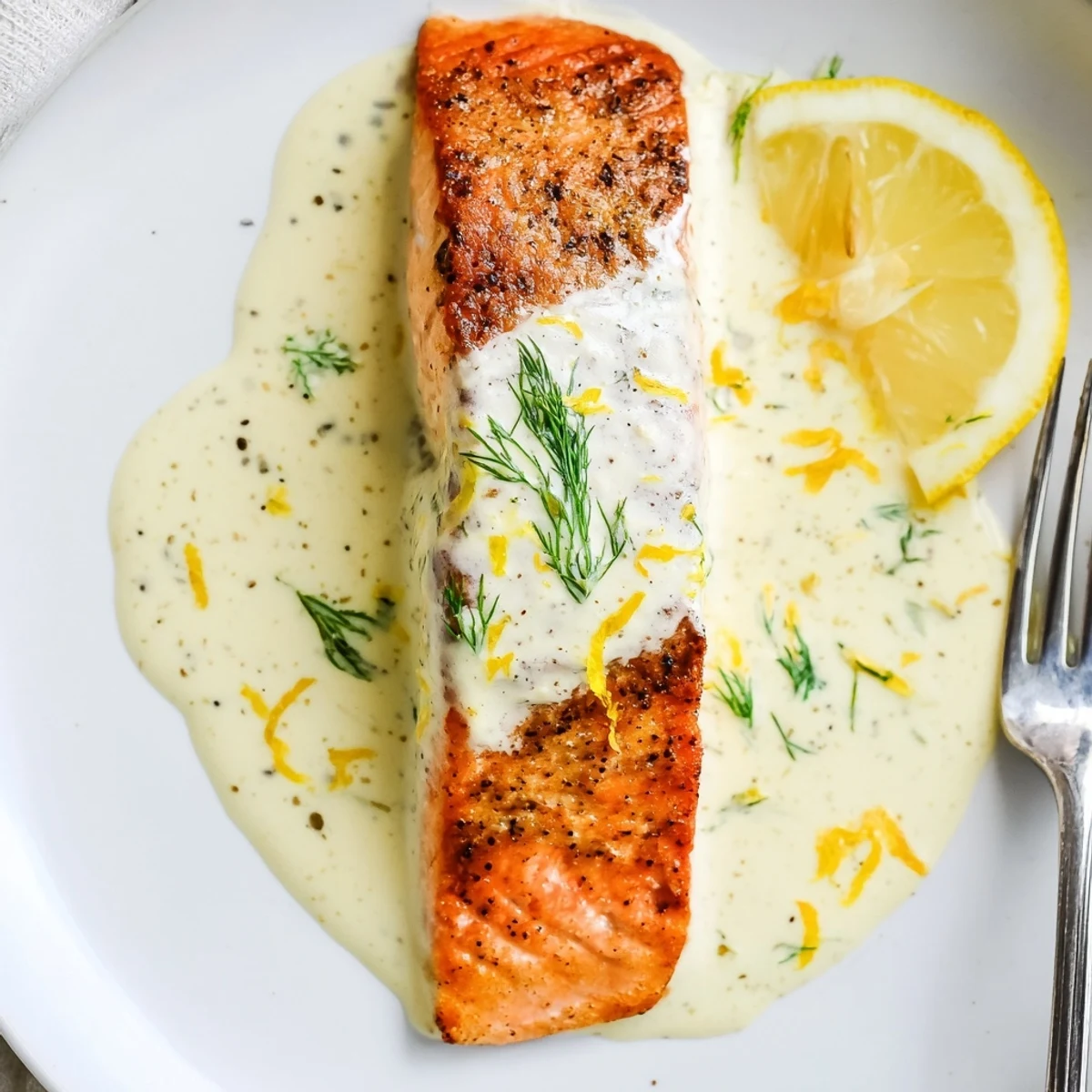
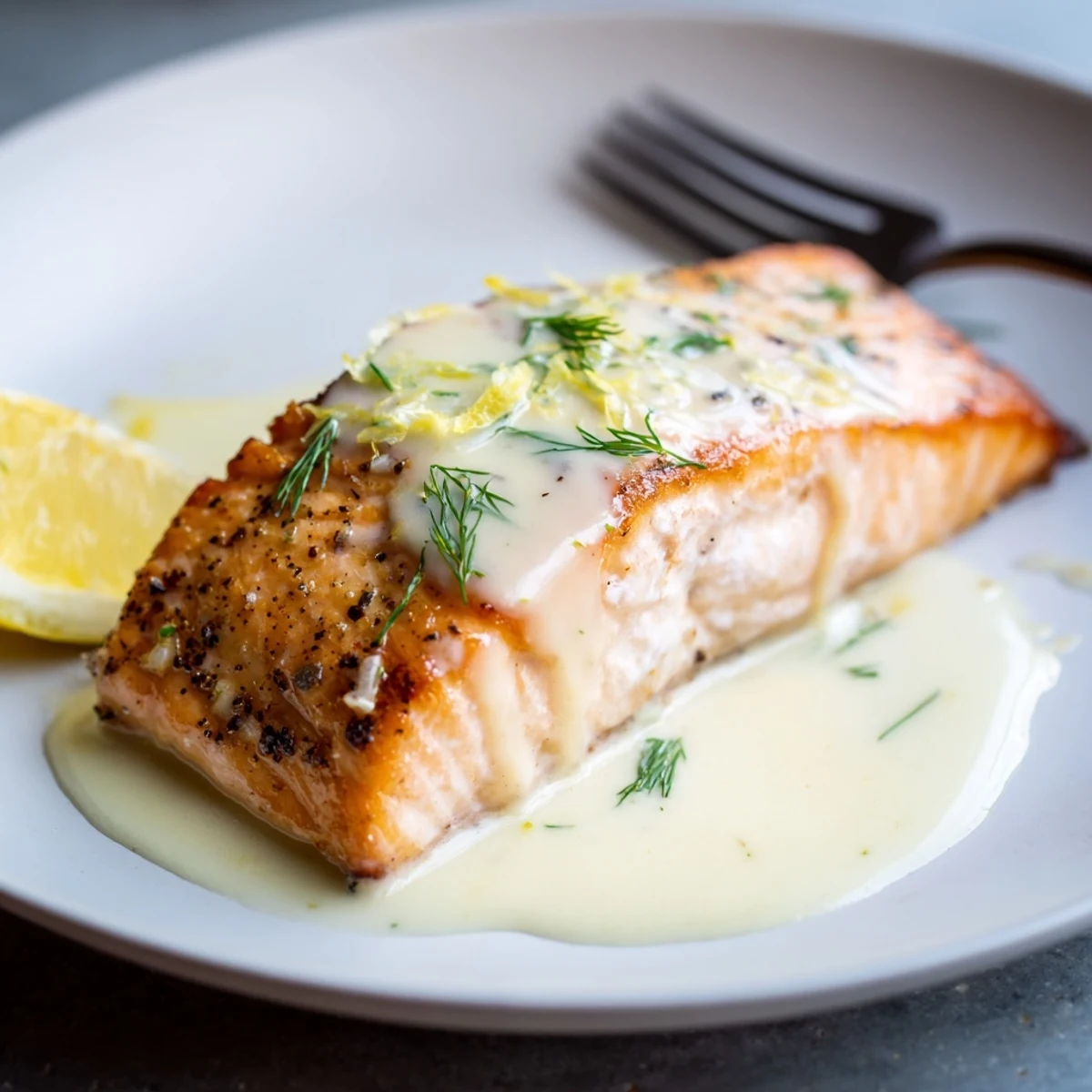
 Pan-sear seasoned salmon fillets 3–4 minutes per side until golden and just cooked through. Use the same pan to melt butter and sauté garlic, then deglaze with dry white wine or stock. Stir in heavy cream, lemon juice and zest, and simmer until slightly thickened. Finish with chopped dill or parsley, return fillets to warm through, and spoon the sauce over before serving.
The sizzle of salmon hitting a hot pan is one of those sounds that instantly makes a kitchen feel alive, and the first time I heard it in my own apartment, I knew this dish was going to become a regular guest at my table. Lemon cream sauce sounded fancy enough to impress, but the truth is it comes together with barely any fuss. Thirty minutes later I was sitting at my counter, fork in hand, wondering why I ever bothered ordering takeout. That golden fillet swimming in a silky, tangy pool of cream changed my weeknight dinner game for good.
My friend Claire stopped by unannounced one rainy Tuesday, and I threw this together with whatever was in the fridge. She leaned over her plate, closed her eyes after the first bite, and quietly said she was never leaving.
Ingredients
- Salmon fillets: Four six ounce skinless pieces work best here, and honestly the thicker center cuts cook more evenly than the tail ends.
- Salt and black pepper: Season both sides generously because the sauce itself relies on the fish being properly salted to carry the flavor.
- Olive oil: Just a tablespoon for searing, and a neutral skillet friendly oil is a fine substitute if that is what you have.
- Unsalted butter: This builds the aromatic base for the sauce, and unsalted lets you control the seasoning.
- Garlic: Two cloves minced fine melt into the butter and create a fragrance that will make everyone wander into the kitchen.
- Dry white wine: A half cup deglazes the pan and adds acidity, but fish stock works beautifully if you prefer to skip alcohol.
- Heavy cream: This is what makes the sauce luxurious and velvety, and half and half can lighten things up if you prefer.
- Lemon juice and zest: Fresh is nonnegotiable here, and the zest in particular adds a brightness that bottled juice cannot touch.
- Fresh dill or parsley: Chopped fine and stirred in at the end, it brings a grassy freshness that cuts through the richness perfectly.
Instructions
- Prep the salmon:
- Pat each fillet thoroughly dry with paper towels and season both sides with salt and pepper, because dry fish sears beautifully while wet fish steams and sticks.
- Sear the fillets:
- Heat olive oil in a large nonstick skillet over medium high heat until it shimmers, then lay the salmon flesh side down and cook three to four minutes per side until a deep golden crust forms. Transfer to a plate and tent loosely with foil.
- Start the sauce:
- Reduce the heat to medium, melt the butter in the same pan, and swirl the minced garlic through it for about a minute until your kitchen smells absolutely incredible.
- Build the body:
- Pour in the white wine and use a wooden spoon to scrape up every last golden bit stuck to the pan, then let it simmer two to three minutes until it reduces slightly.
- Add the cream:
- Stir in the heavy cream, lemon juice, and lemon zest, then let everything bubble gently for three to four minutes until the sauce coats the back of a spoon.
- Finish and serve:
- Stir in the fresh dill, season with salt and pepper to your liking, then return the salmon to the pan and spoon the sauce over each fillet for a minute or two until warmed through.
 Pin It
 There was a winter evening when the power flickered out halfway through making this, and I finished the sauce by candlelight with a glass of the leftover wine in hand. Somehow it tasted even better than usual.
What to Serve Alongside
Steamed asparagus or roasted baby potatoes soak up that lemon cream sauce like little sponges, and a mound of buttered rice never hurt anyone either. I have also been known to tear off chunks of crusty bread and drag them straight through the pan, which honestly might be the best part.
A Word on Wine Choice
Whatever you pour into the sauce should ideally be something you would happily drink alongside it, and a Sauvignon Blanc or Pinot Grigio strikes the right balance of crispness. I once used a slightly sweet Riesling by accident and the sauce turned surprisingly wonderful, so do not stress too much about getting it perfect.
Storing and Reheating
Leftovers keep well in the fridge for up to two days, though the sauce may thicken considerably as it chills and a gentle splash of water while reheating brings it back to life. The microwave works in a pinch but a low warm skillet does a much kinder job of keeping the fish tender. Avoid freezing because the cream sauce can separate and turn grainy upon thawing.
- Store the fish and sauce together in an airtight container for the best flavor integration.
- Reheat gently over low heat and stir the sauce slowly to keep it smooth.
- Always taste for salt after reheating because flavors tend to mellow in the fridge.
 Pin It
 This is the kind of dish that turns an ordinary Tuesday into something worth savoring, and honestly you deserve that kind of dinner more often. Grab a pan, pour yourself a glass of wine, and let the sizzle do the talking.
Recipe Questions
- → Can I use the skin-on salmon fillets?
-
Yes. If using skin-on fillets, sear skin-side down first until crisp, then flip briefly to finish. Reduce initial sear time slightly for even doneness.
- → What can I substitute for heavy cream?
-
For a lighter finish, use half-and-half or crème fraîche. Both will yield a creamy texture—crème fraîche adds a subtle tang and is less likely to split when simmered gently.
- → How do I prevent the sauce from breaking?
-
Keep the sauce at a gentle simmer rather than a vigorous boil, and stir frequently. If concerned, temper a small amount of warm sauce into cream before adding it back to the pan.
- → Is wine necessary for the sauce?
-
No—dry white wine adds brightness and depth, but you can substitute fish or vegetable stock to keep similar flavor without alcohol.
- → How should leftovers be stored and reheated?
-
Cool quickly and refrigerate in an airtight container for up to 2 days. Reheat gently in a skillet over low heat, spooning sauce over the salmon to avoid drying out.
- → What side dishes pair well with this dish?
-
Serve with steamed vegetables, roasted potatoes, or rice. A crisp green salad and a glass of Sauvignon Blanc or Pinot Grigio complement the lemony cream nicely.