
 Pin It
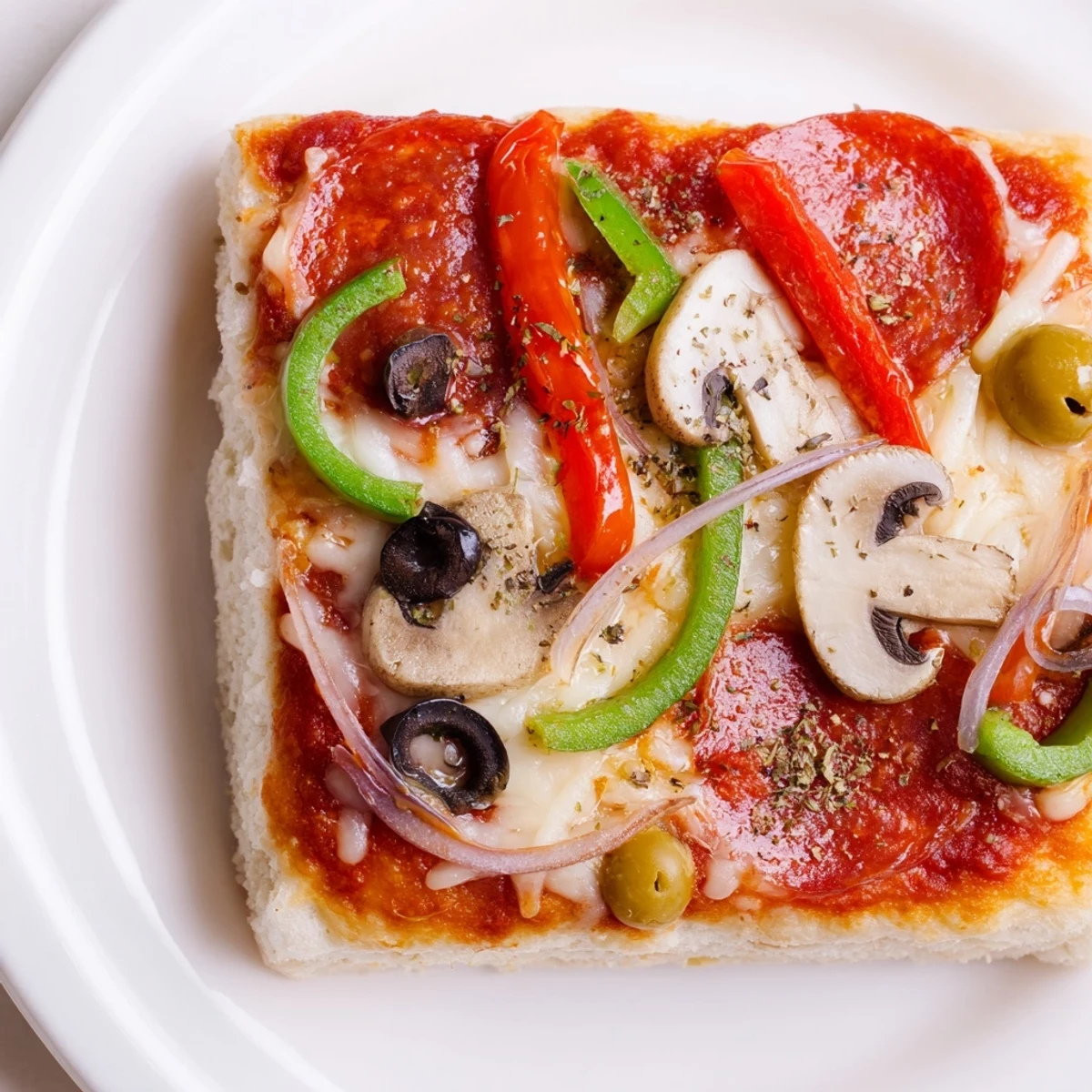
 Mix flour, yeast, salt, warm water and olive oil into a sticky focaccia dough, then let it rise until doubled. Press into a well-oiled sheet, dimple and pre-bake briefly to set the base. Spread a garlicky tomato passata, scatter shredded mozzarella and arrange pepperoni or vegetables, peppers, onions, olives and mushrooms. Return to a hot oven until cheese melts and edges turn golden; finish with torn basil and a drizzle of extra-virgin olive oil before slicing.
The sound of dough stretching and popping under my oiled fingers on a lazy Sunday afternoon is what finally convinced me that focaccia and pizza were always meant to be together. I had leftover toppings from a pizza night and half a batch of focaccia dough in the fridge, and frankly, laziness birthed something extraordinary. The kitchen smelled like an Italian bakery had collided with a pizzeria, and nobody at the table complained. This Focaccia Pizza Supreme is now the dish friends specifically request when they come over.
One rainy evening my neighbor knocked on the door to return a borrowed umbrella and ended up staying for two hours because the smell drifting from my kitchen was, in her words, criminal. I handed her a warm square of this focaccia pizza on a paper plate, and she stood in the hallway eating the whole thing before she even made it home. She now texts me every Friday asking if I am making that bread pizza thing again.
Ingredients
- All purpose flour (500 g): Regular flour works beautifully here because the high hydration and olive oil create the tenderness you want, so save the fancy tipo 00 for another project.
- Warm water (375 ml): Think bath temperature, not hot tea, because scalding water kills the yeast before it even starts working.
- Instant yeast (10 g): Instant yeast skips the blooming step, but if you only have active dry, dissolve it in the warm water for five minutes first.
- Fine sea salt (10 g): Salt controls the yeast and builds structure, so do not be tempted to reduce it.
- Extra virgin olive oil (50 ml plus more for drizzling): Generosity with olive oil is the soul of focaccia, so pour with confidence and enjoy the Mediterranean fragrance.
- Passata or tomato purée (200 ml): Passata gives a smoother, more refined sauce than chunky crushed tomatoes.
- Garlic, minced (1 clove): One clove is enough to perfume the sauce without overpowering the other toppings.
- Dried oregano (1 tsp): Rub it between your palms as you add it to wake up the essential oils.
- Sugar (half tsp): Just enough to round out the acidity of the tomatoes without making the sauce sweet.
- Shredded mozzarella (150 g): Low moisture mozzarella melts evenly and will not turn the focaccia soggy underneath.
- Sliced pepperoni or vegetarian alternative (50 g, optional): Distribute evenly so every bite gets a salty, savory punch.
- Red and green bell peppers (half each): Slice them thin so they roast and soften during the short bake time.
- Red onion (half small): Thin slices mellow beautifully in the oven and add a gentle sweetness.
- Sliced black olives (60 g): Scatter them across the surface rather than clumping them in one spot.
- Sliced mushrooms (75 g): Thin slices cook faster and release their moisture without drowning the crust.
- Chopped fresh basil (1 tbsp): Add this after baking so the heat does not destroy its delicate flavor.
- Freshly ground black pepper: A generous finishing crack over the top ties everything together.
Instructions
- Mix the dough:
- In a very large bowl, combine the flour, instant yeast, and salt with a quick whisk. Pour in the warm water and olive oil, then stir with a wooden spoon until you have a wet, shaggy, sticky mass that looks impossible to tame. That sticky texture is exactly what you want for an airy crumb.
- Knead briefly and let rise:
- Wet or oil your hands and give the dough a gentle fold and stretch right in the bowl for about a minute. Cover tightly with plastic wrap or a damp towel and tuck the bowl somewhere warm for one to two hours until it has puffed up dramatically and looks alive.
- Simmer the sauce:
- While the dough rises, warm olive oil in a small saucepan over medium heat and cook the garlic just until it sizzles and smells incredible. Add the passata, oregano, salt, and sugar, then let it bubble gently for ten minutes until it thickens slightly. Set it aside to cool.
- Stretch the dough onto the pan:
- Pour a generous puddle of olive oil onto a large baking sheet and spread it across the entire surface. Tip the risen dough onto the pan and use oiled fingertips to press and coax it toward the edges. If the dough snaps back stubbornly, walk away for fifteen minutes and try again.
- Preheat the oven:
- Crank the oven to 220 degrees Celsius, or 425 Fahrenheit, and let it get fully hot while the dough finishes relaxing.
- Dimple and prebake:
- Press deep dimples across the entire surface of the dough with your fingertips, then drizzle generously with more olive oil so it pools in the little wells. Slide the pan into the oven for ten minutes until the dough is just set but still pale and not yet golden.
- Build the pizza:
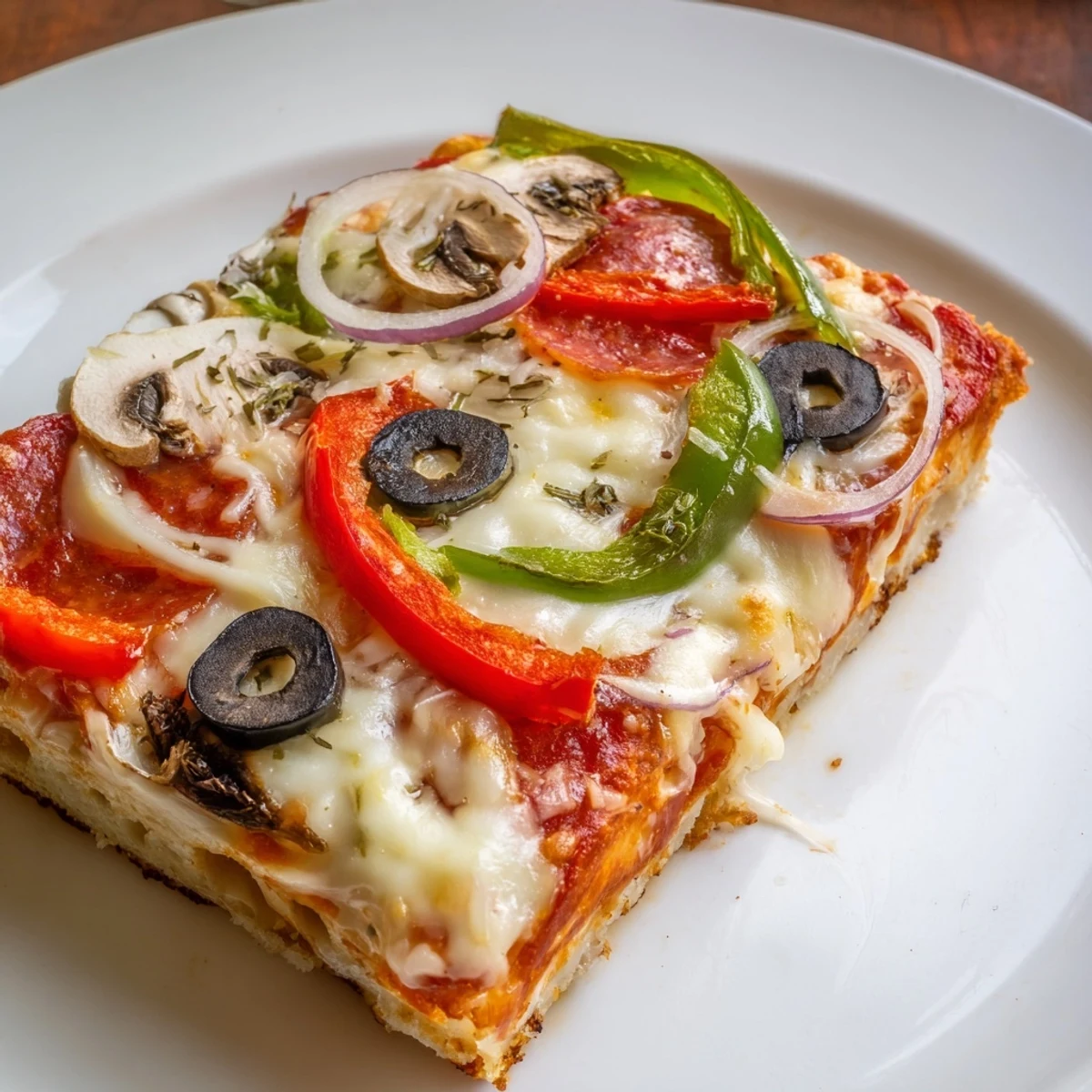
- Pull the parbaked focaccia out and spread the cooled sauce evenly from edge to edge. Scatter the mozzarella first, then artfully arrange the pepperoni, bell peppers, onion, olives, and mushrooms in whatever pattern makes you happy, finishing with a generous grind of black pepper.
- Final bake and finish:
- Return the loaded focaccia to the oven for another fifteen minutes until the cheese is bubbling and the edges have turned a deep satisfying gold. Let it stand for five minutes, scatter the fresh basil over the top, cut into generous squares, and serve immediately.
 Pin It
 The first time I pulled this from the oven for a casual weeknight dinner, my teenager stopped mid sentence, looked at the pan, and quietly said that this was the best thing I had ever made. That is a bold claim in a house where I have tested hundreds of recipes, but I understood exactly what she meant.
Serving Suggestions That Actually Work
A simple arugula salad dressed with lemon juice and a pour of good olive oil cuts through the richness of the focaccia pizza perfectly. If you are opening a bottle of wine, a medium bodied Italian red like Chianti or Montepulciano mirrors the herby tomato flavors without overwhelming the crust.
Playing With Toppings
The beauty of this recipe is how forgiving it is, so treat the toppings as suggestions rather than rules. Artichoke hearts, sun dried tomatoes, crumbled feta, or even caramelized onions have all found their way onto my version at one point or another. Just avoid anything too wet like fresh mozzarella or uncooked spinach, which will release water and soften the crust.
Storing and Reheating
Leftovers keep well in the refrigerator for up to three days, and reheating in a hot oven or toaster oven for five minutes brings back the crisp bottom beautifully. The microwave works in a rush but you will sacrifice the texture that makes this dish special.
- Wrap cooled leftovers tightly in foil before refrigerating to keep the crust from drying out.
- Freeze individual squares between layers of parchment paper in an airtight container for up to one month.
- Always reheat from room temperature rather than straight from the fridge for the best texture recovery.
 Pin It
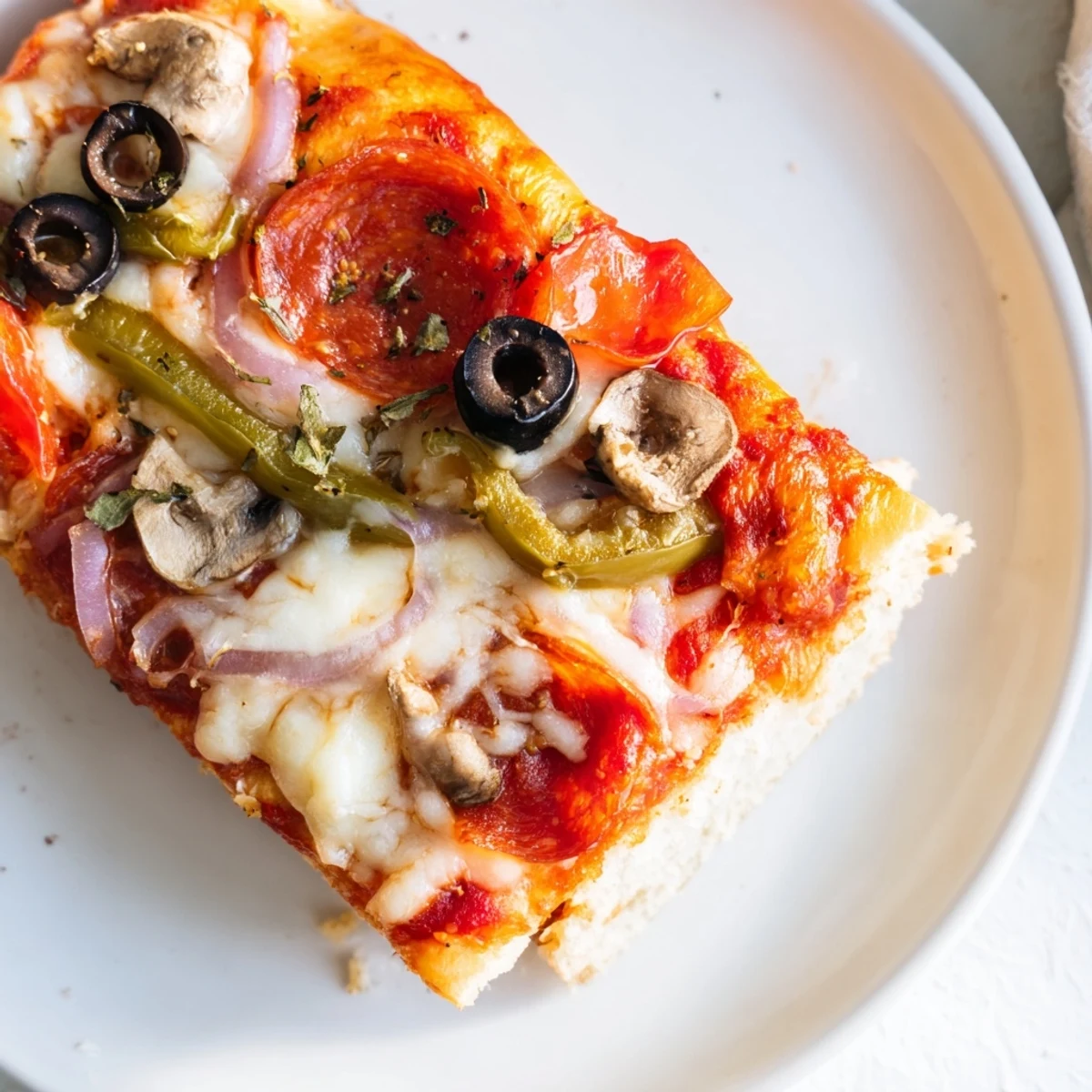
 This focaccia pizza is proof that the best dishes happen when you stop following rigid lines and start cooking with what feels right. Share it with someone who shows up hungry, and watch the room go quiet.
Recipe Questions
- → Can I make the dough ahead of time?
-
Yes. Mix the dough and refrigerate overnight to develop flavor; bring it to room temperature and allow a short extra rise before shaping and baking.
- → How do I achieve an airy focaccia crumb?
-
Use warm water and enough hydration, handle the dough gently, allow a full rise and avoid over-kneading. Generous olive oil and proper dimpling help create large, tender pockets.
- → What oven temperature and timings work best?
-
Preheat to 220°C (425°F). Pre-bake the shaped dough about 10 minutes to set the base, then add sauce and toppings and bake another ~15 minutes until cheese melts and edges are golden.
- → How can I prevent a soggy crust?
-
Pre-bake the crust, use a moderately thick sauce, avoid overloading wet toppings, and ensure the oven is hot so moisture evaporates during the final bake.
- → What substitutions work for vegetarians?
-
Replace pepperoni with plant-based slices or roast vegetables like artichokes and sun-dried tomatoes. Consider adding a sprinkle of grated Parmesan or a tangy cheese alternative.
- → Should I use bread flour or all-purpose flour?
-
All-purpose flour works well for a tender crumb, while bread flour gives more chew and structure. Either can be used; adjust hydration slightly if switching to bread flour.