
 Pin It
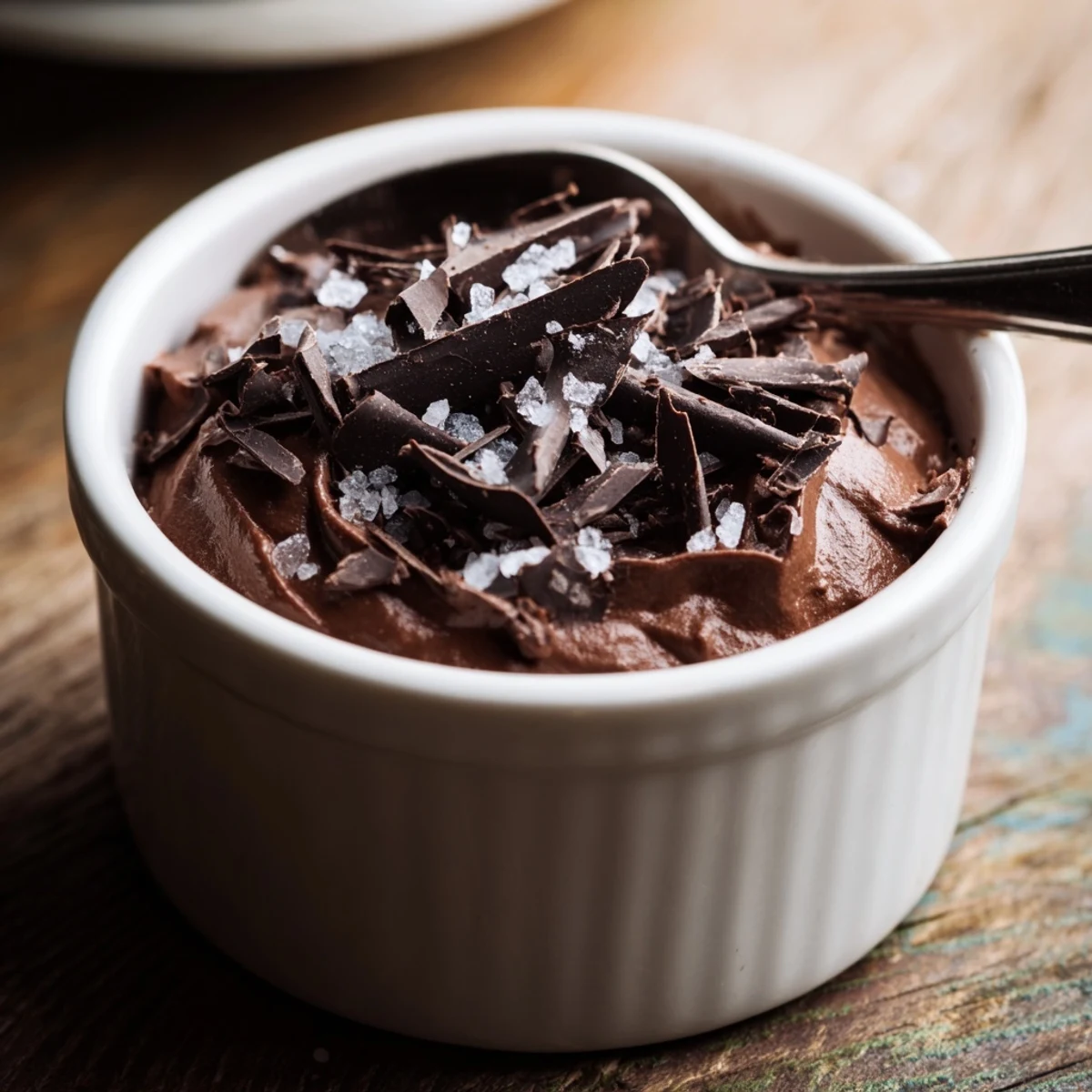
 This dark chocolate mousse blends high-quality dark chocolate with whipped cream and egg whites to create a light, airy texture. The mousse is gently sweetened and accented with vanilla and finished with a sprinkle of flaky sea salt for a subtle contrast that highlights the deep cocoa notes. Chilling for at least two hours helps the flavors meld and the texture set. Ideal for an elegant dessert offering a balance of richness and delicate mouthfeel.
There's something almost defiant about making chocolate mousse at home—that moment when you realize you're about to transform a handful of ingredients into something that tastes like it came from a Parisian patisserie. I stumbled into this recipe during a particularly gray November afternoon, searching for something elegant enough to serve but humble enough to make without fuss. The first time I folded that cloud of egg whites into the chocolate, watching it transform from dense to impossibly airy, I understood why the French kept this recipe close.
I made this for someone who claimed they didn't like chocolate desserts, and I watched their expression shift from polite to genuinely surprised as they tasted it. There was something about the way the mousse melted on their tongue, the salt catching at just the right moment, that made them set down their spoon and ask quietly, "Can you teach me how to make this?" That's when I knew this recipe was worth keeping.
Ingredients
- Dark chocolate (150g, 70% cocoa), chopped: Good chocolate matters here more than anywhere else—this is your star ingredient, so don't reach for the baking kind. Chopping it finely helps it melt evenly and smoothly.
- Unsalted butter (30g, cubed: The butter adds silkiness and helps the chocolate melt without seizing up.
- Eggs, separated (3 large): Room temperature eggs whip up better and create more volume. Keep the whites completely free of yolk or they won't reach stiff peaks.
- Granulated sugar (50g): Divided between the yolks and whites, it sweetens and stabilizes both components.
- Pure vanilla extract (1 tsp): A small touch that deepens the chocolate flavor without announcing itself.
- Heavy cream, cold (150ml): The cold matters—it whips up faster and holds more air. This is what makes the mousse feel cloud-like.
- Flaky sea salt, for garnish: This is the secret that unlocks the chocolate's complexity, cutting through the richness with a whisper of minerality.
- Dark chocolate curls or shavings (optional): A pretty finish, though honestly the salt alone is enough.
Instructions
- Melt chocolate and butter gently:
- Set a heatproof bowl over a pot of barely simmering water—the bowl shouldn't touch the water. Break the chocolate into pieces, add the butter, and stir slowly until everything is smooth and glossy, about 5–7 minutes. Remove from heat and let it cool for a minute or two; you want it warm but not hot when you add the eggs.
- Create the chocolate-egg base:
- In a clean bowl, whisk the egg yolks with 25g of sugar and the vanilla until the mixture turns pale and thick, which takes about 2 minutes with an electric mixer or 4–5 minutes by hand. Slowly pour in the slightly cooled chocolate while whisking constantly—add it in a thin stream at first so the eggs don't scramble from the heat. Whisk until fully combined and smooth.
- Build the egg whites into clouds:
- In a separate, completely clean and dry bowl, beat the egg whites with a tiny pinch of salt until soft peaks form—the peaks should curl gently when you lift the beater. Gradually sprinkle in the remaining 25g of sugar while beating, then continue until the whites are stiff and glossy with peaks that stand straight up. This usually takes 3–4 minutes total.
- Whip the cream to soft peaks:
- In yet another bowl, beat the cold heavy cream until soft peaks form—don't overbeat or you'll end up with butter. This takes about 2–3 minutes with an electric mixer, less with a whisk and more arm strength.
- Fold everything together with care:
- Gently fold the whipped cream into the chocolate mixture using a rubber spatula, cutting down the center and turning the bowl as you go, until there are no white streaks. Then fold in the egg whites in three additions—this gradual approach keeps them from deflating. The texture should feel light and airy, almost like mousse already.
- Chill and set:
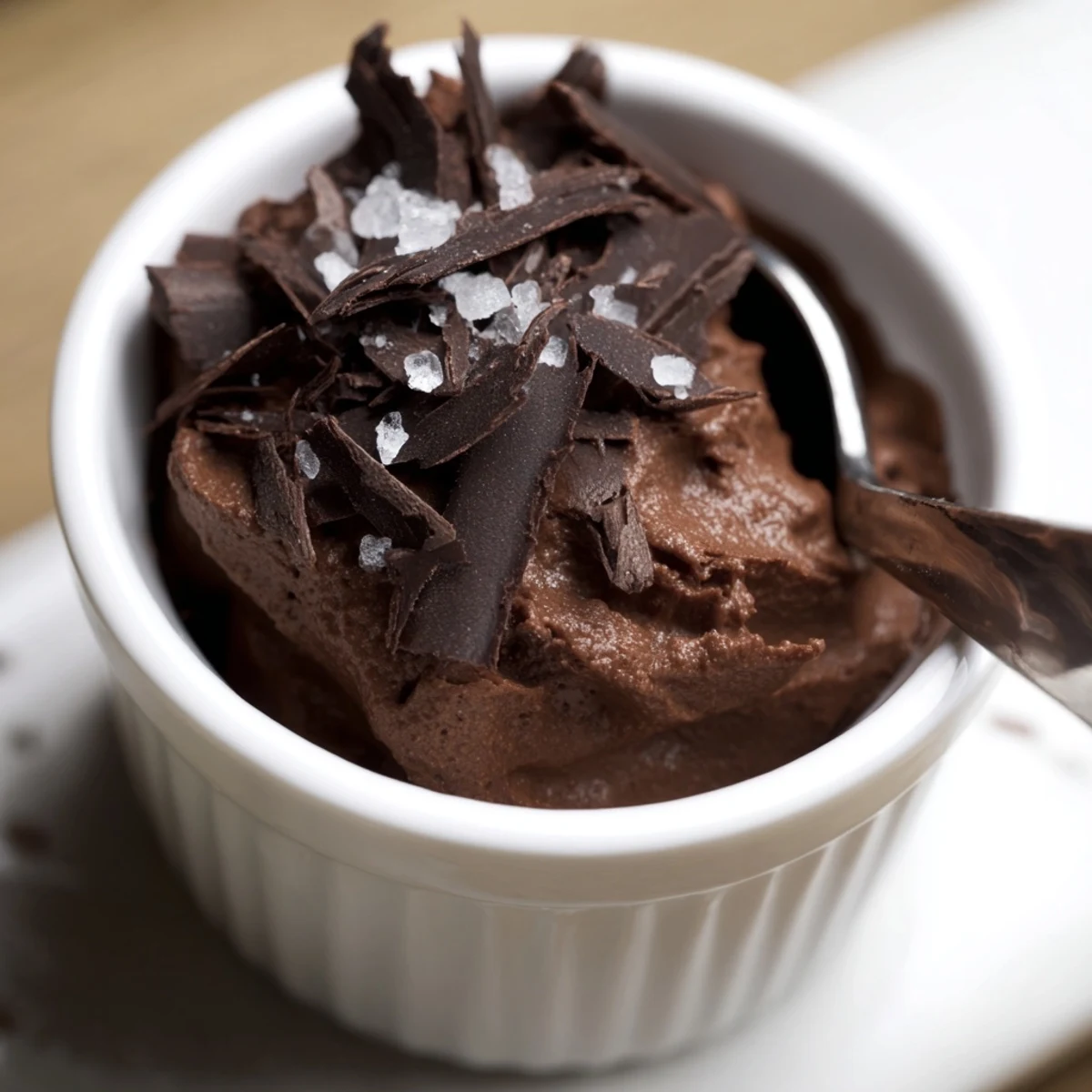
- Divide the mousse into serving glasses or ramekins, cover loosely with plastic wrap, and refrigerate for at least 2 hours. The longer it sits, the more the flavors deepen and the texture sets to something almost mousse-like in its stability.
- Finish with salt and garnish:
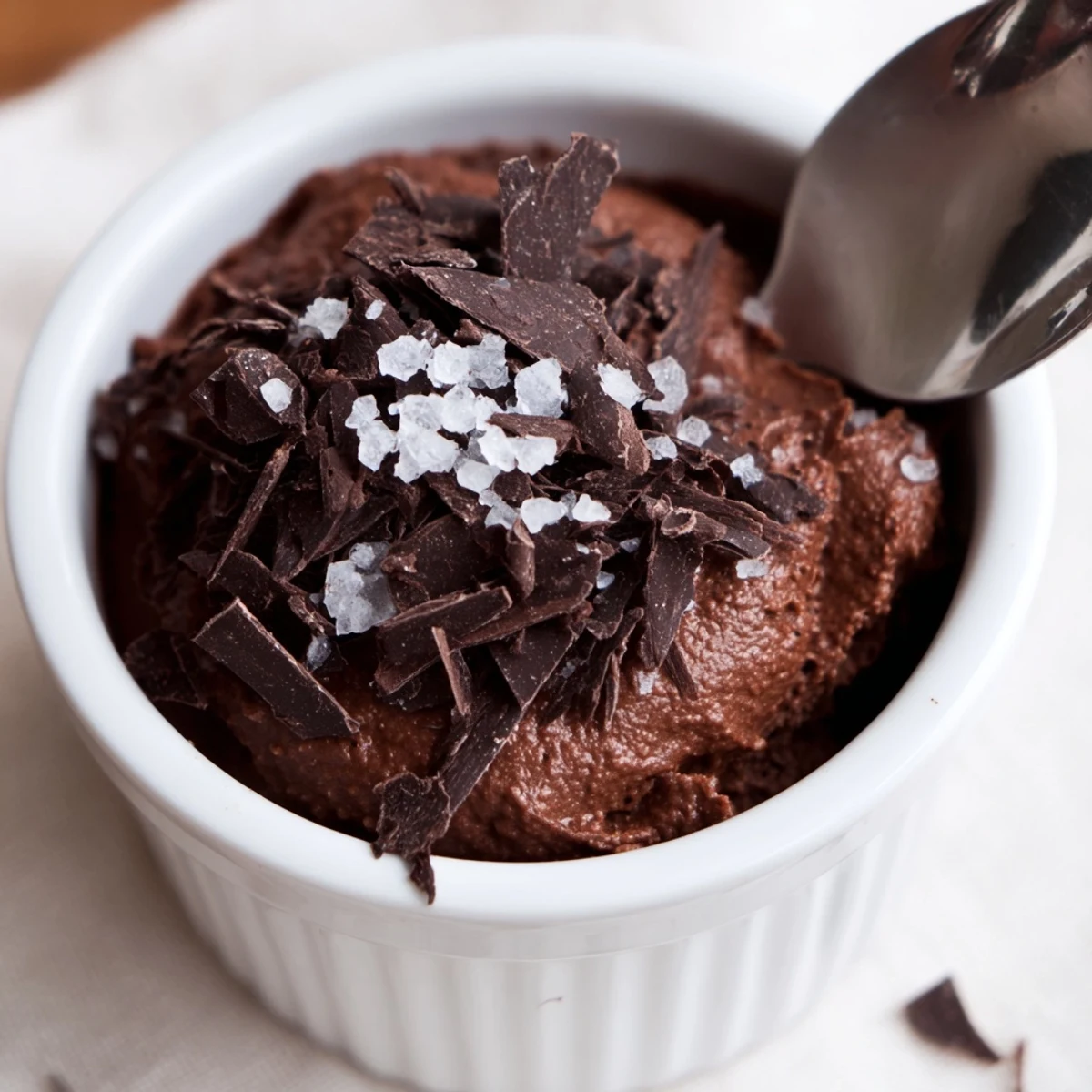
- Before serving, sprinkle each mousse with a small pinch of flaky sea salt—let people taste the chocolate first, then the salt. Add chocolate curls if you like, though the simplicity of salt on chocolate is often more striking.
 Pin It
 My best memory of this dish isn't from a special dinner or a holiday. It's from a quiet Tuesday when I made it just to see if I could, and my daughter asked to help with the folding. She was so careful not to deflate the whites, taking it seriously in that way children do with delicate tasks, and when we finally sat down to eat, she said with absolute certainty, "This tastes like fancy." I've made it dozens of times since, but that's still what I think about.
The Science of Silk
What makes mousse so special isn't really a secret—it's just air. When you whip eggs and cream, you're trapping tiny air bubbles in protein and fat, which is what creates that impossibly light texture. The egg whites are actually responsible for most of the lift; they can hold air like nothing else, which is why beating them properly matters so much. Once you understand that you're building structure with air, not just mixing ingredients, you start to see why every fold matters and why rushing this step will let you down every time.
When to Make It and Why
This mousse is perfect for moments when you want something that tastes indulgent without requiring an oven or hours of your evening. It's elegant enough for a dinner party but casual enough to make on a weeknight when you want to feel like you did something nice for yourself. The fact that you can make it the day before also means you can spend more time with guests instead of finishing dessert at the last moment.
Flavor Variations and Confidence
Once you've made this mousse once, you've earned the right to play with it. A small splash of espresso powder mixed into the chocolate base creates a deeper, almost mysterious depth. Orange liqueur adds a bright, sophisticated note. You can also try different percentages of cocoa—a 60% chocolate will be sweeter and rounder, while 85% will be almost bitter and intense. The salt works with all of them, adapting its role based on what the chocolate demands. The most important thing is to trust your instincts and taste as you go.
- A tiny pinch of cinnamon or cayenne pepper can add an unexpected warmth that makes people wonder what they're tasting.
- If you make it ahead, let it sit in the fridge for a full day so the flavors have time to meld and deepen.
- Serve with fresh berries or a crisp cookie on the side—the mousse alone is rich, and a small textural contrast makes it feel complete.
 Pin It
 This mousse is one of those recipes that rewards patience and care—not because it's difficult, but because it's simple enough that every step shows. Make it once and you'll understand why it's been a showstopper for generations.
Recipe Questions
- → What type of chocolate is best for this mousse?
-
Use high-quality dark chocolate with around 70% cocoa content to achieve a rich and balanced flavor.
- → Why is sea salt added to the mousse?
-
Flaky sea salt enhances the chocolate's complexity by adding a subtle contrast that brings out deeper flavors.
- → How do I achieve a light, airy texture?
-
Whip egg whites until stiff peaks form and fold gently with whipped cream to incorporate air without deflating the mixture.
- → Can this mousse be prepared in advance?
-
Yes, chilling the mousse for at least two hours helps set the texture; it can be made a day ahead for deeper flavor.
- → Are there any allergen considerations?
-
This mousse contains eggs and dairy. Always check chocolate packaging for potential traces of nuts or soy.