
 Pin It
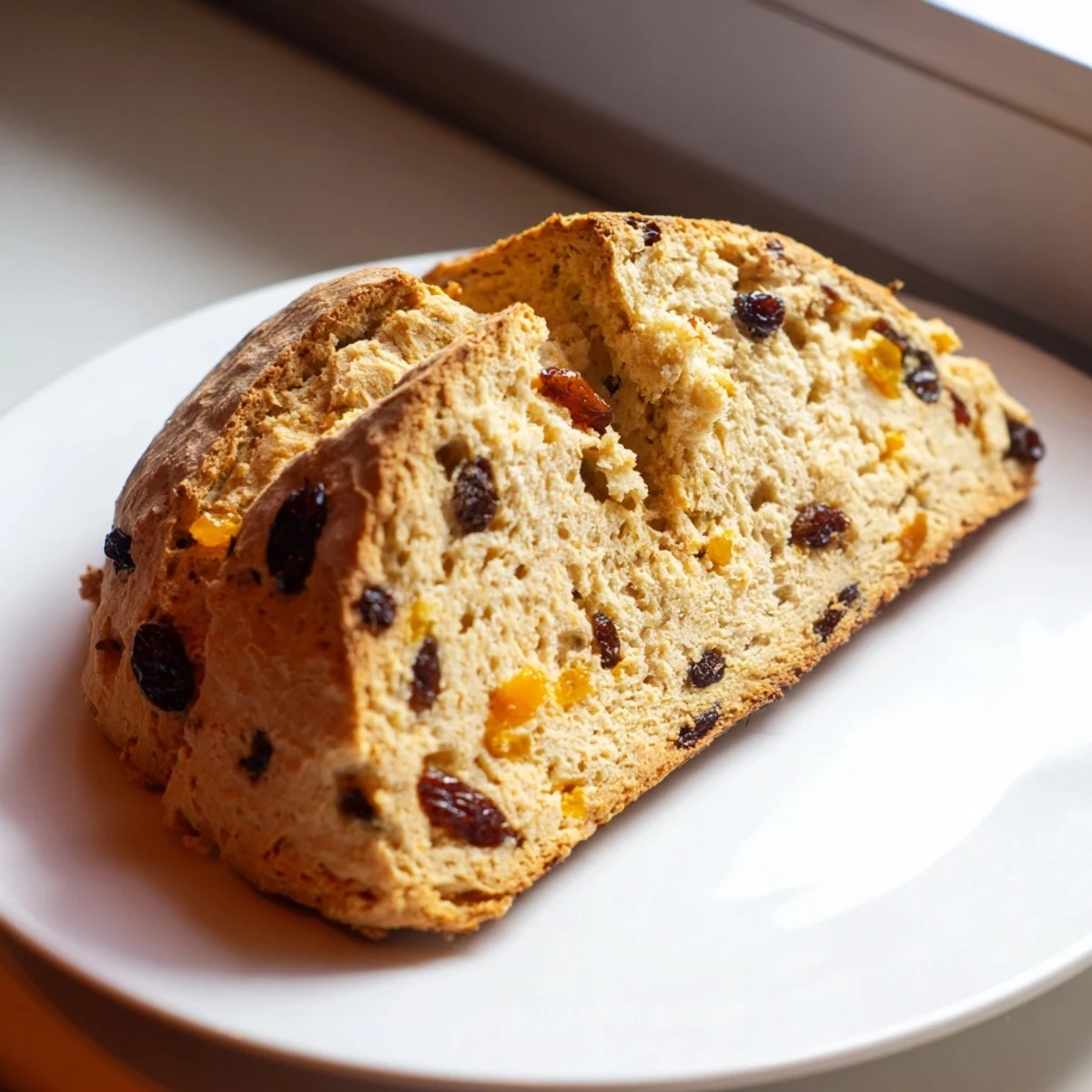
 This rustic Irish soda bread blends plump raisins and fresh orange zest for a lightly sweet, quick loaf. Combining simple dry ingredients with wet components like buttermilk and melted butter, the dough is kneaded gently to maintain tenderness. The deep cross cut on top allows even baking, resulting in a golden crust with a soft, flavorful crumb. It pairs wonderfully with butter or honey and can be toasted for extra richness.
Ideal for a cozy breakfast or afternoon tea, this bread offers a balance of citrus brightness and fruity sweetness straight from the oven within an hour.
The smell of orange zest hitting flour still takes me back to my tiny apartment kitchen, where I first attempted Irish soda bread on a rainy Tuesday. I'd never worked with buttermilk before and was terrified it would somehow go wrong in the twenty minutes between mixing and baking. That first loaf came out dense and slightly lopsided, but the moment I tore into it while still warm from the oven, I understood why this bread has been comforting people for generations. Now it's my go-to when I need something homemade without the fuss of yeast doughs.
Last spring, my neighbor Sarah stopped by while I had a loaf baking, and she stood in my doorway literally sniffing the air like a detective. She ended up staying for tea and we demolished half the loaf straight from the cooling rack, burning our fingers on slices that were too hot to hold but too good to wait for. Now she texts me whenever she catches that distinctive orange-butter scent drifting through the building vents.
Ingredients
- All-purpose flour: Four cups give this bread structure while keeping it tender—don't pack the flour into your measuring cup or the loaf will turn out dense
- Granulated sugar: A quarter cup provides just enough sweetness to balance the tangy buttermilk without making this dessert-like
- Baking soda: This is your leavening agent, working instantly with the acidic buttermilk to create rise—make sure it's fresh for the best lift
- Salt: One teaspoon enhances all the flavors and prevents the bread from tasting flat or overly sweet
- Buttermilk: One and three-quarter cups provide acidity and tang—if you only have regular milk, add a tablespoon of vinegar and let it sit for five minutes
- Egg: One large egg adds richness and helps bind the dough together for a better texture
- Unsalted butter: Four tablespoons melted and cooled creates a tender crumb—cool it slightly so it doesn't scramble the egg when mixed
- Raisins: One cup of plump raisins disperse sweetness throughout—pour boiling water over them for ten minutes if they seem dry
- Orange zest: The zest of one large orange adds incredible brightness—avoid the white pith beneath, which tastes bitter
Instructions
- Preheat your oven:
- Heat to 400°F and line a baking sheet with parchment paper, or give it a light coating of butter or oil to prevent sticking
- Whisk the dry ingredients:
- In a large bowl, combine the flour, sugar, baking soda, and salt until evenly distributed
- Mix the wet ingredients:
- In a separate bowl, whisk together the buttermilk, egg, and melted butter until smooth and well combined
- Bring it together:
- Pour the wet mixture into the dry ingredients, add the raisins and orange zest, then stir with a wooden spoon just until a shaggy, sticky dough forms—overmixing will make the bread tough
- Shape gently:
- Turn the dough onto a lightly floured surface and knead it just until it holds together in a rough round, about ten to fifteen seconds
- Score the loaf:
- Using a sharp knife, cut a deep X across the top of the loaf, about half an inch deep—this helps the bread bake evenly and gives it that classic soda bread look
- Bake until golden:
- Bake for thirty-five to forty minutes until the crust is deep golden brown and a skewer inserted in the center comes out clean
- Cool completely:
- Let the bread rest on a wire rack for at least thirty minutes before slicing—hot soda bread can be gummy inside
 Pin It
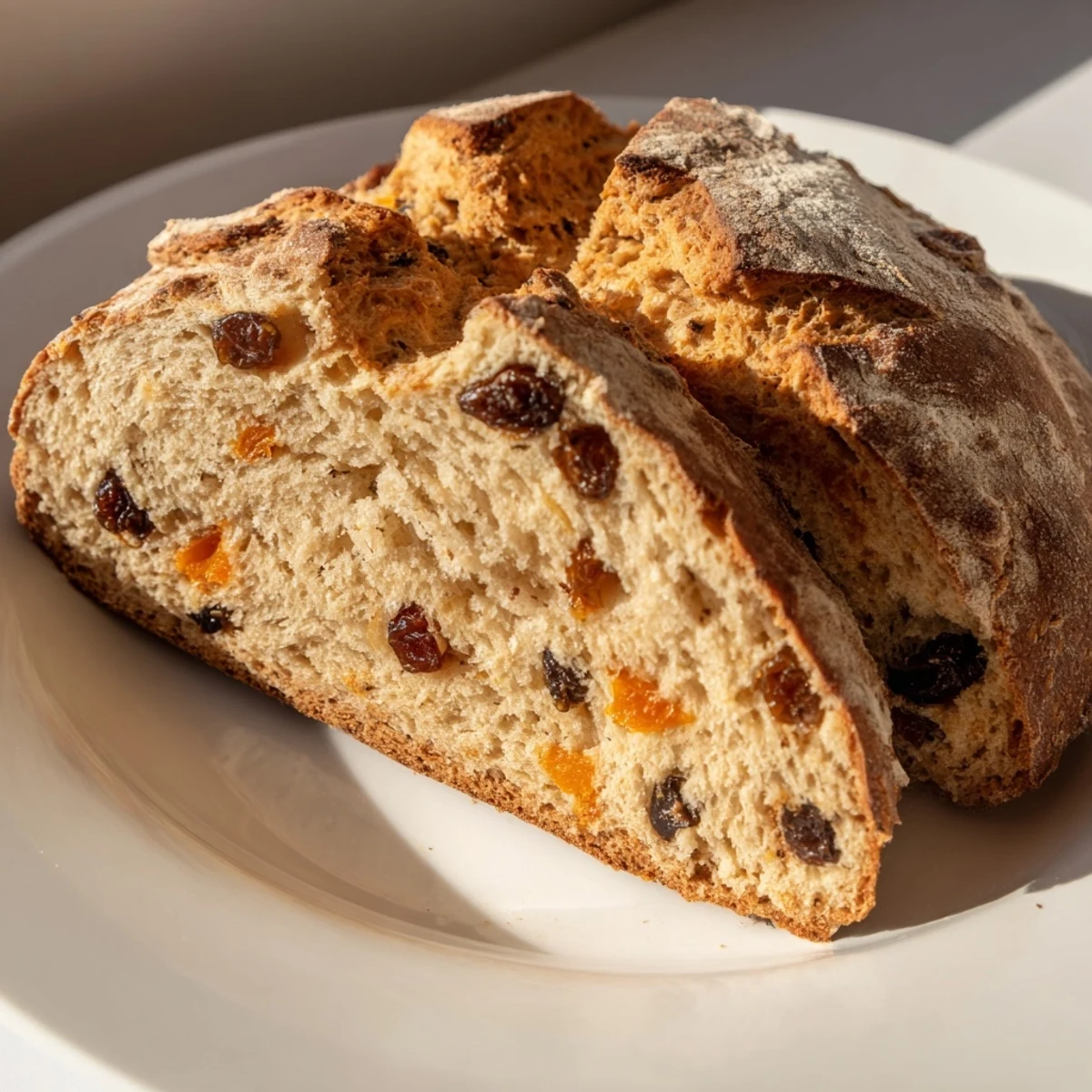
 My dad claims he could identify my baking by the cross-hatch pattern on my soda bread alone, since I always make the cuts slightly too deep on the left side. It's become such a signature that when I brought a loaf to a family reunion last summer, my aunt took one look and said 'oh good, you made the bread' before even saying hello.
Getting the Rise Right
The magic of Irish soda bread happens the moment buttermilk hits baking soda, creating tiny bubbles that need to get into the oven quickly. Work efficiently once you combine wet and dry ingredients—this isn't the time to answer the phone or check your email. I've learned to clear my countertops and preheat the oven before I even measure my first ingredient.
Customizing Your Loaf
While I love the classic raisin and orange combination, this bread is remarkably forgiving to experimentation. Dried cranberries with lemon zest makes a bright, tangy version perfect for spring breakfasts. During fall, I've swapped in chopped dried figs and a pinch of cinnamon, which feels warm and comforting alongside afternoon coffee.
Serving Suggestions
This bread is spectacular when toasted until the edges are crisp, then slathered with salted butter while still warm enough to melt it into every crevice. For an extra special treat, serve alongside marmalade or honey that complements the orange zest in the dough.
- Leftovers make excellent French toast the next morning—just dip slices in a mixture of egg and milk before frying
- Stale wedgets transform into the most incredible bread pudding when cubed and soaked in a vanilla custard
- Freeze extra loaves wrapped tightly in plastic and foil, then thaw and refresh in a 350°F oven for ten minutes
 Pin It
 There's something deeply satisfying about a recipe that connects you to centuries of home bakers who stood in their own kitchens, mixing simple ingredients with their hands, watching the same transformation occur in their ovens. Every loaf feels like continuing a story that started long before me and will continue long after.
Recipe Questions
- → What gives this bread its rise without yeast?
-
The baking soda reacts with buttermilk's acidity to create lift, making the bread light and airy.
- → Can I substitute the raisins with other dried fruits?
-
Yes, dried currants or chopped dried apricots work well and provide different flavor notes.
- → Why is there an X cut on the top of the loaf?
-
The deep cross allows steam to escape and ensures even baking throughout the loaf.
- → How should I store leftovers to maintain freshness?
-
Wrap in foil or an airtight container once cooled, keeping it soft for a couple of days.
- → Does toasting enhance the flavor?
-
Toasting intensifies the citrus and raisin notes while adding a pleasant crunch to slices.