
 Pin It
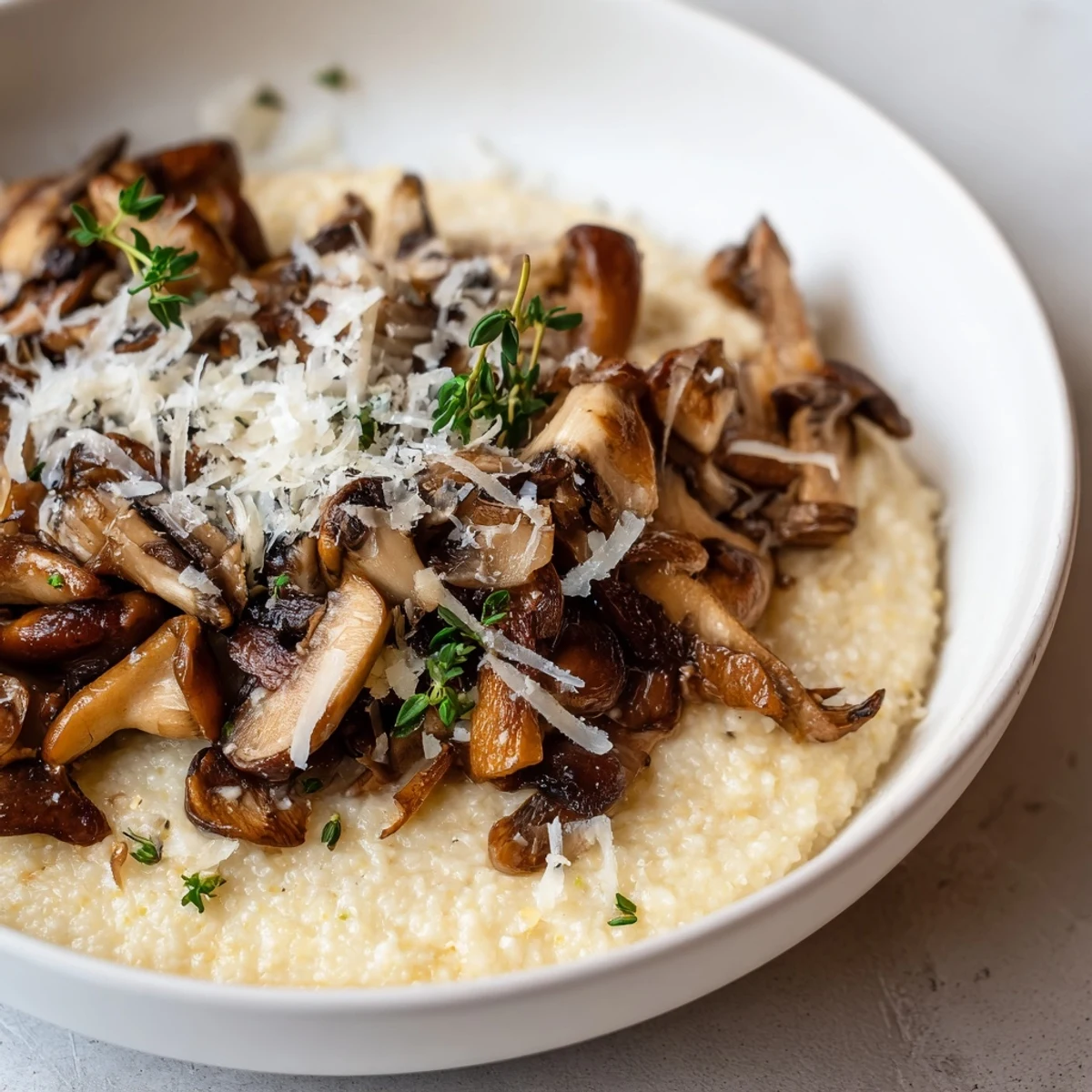
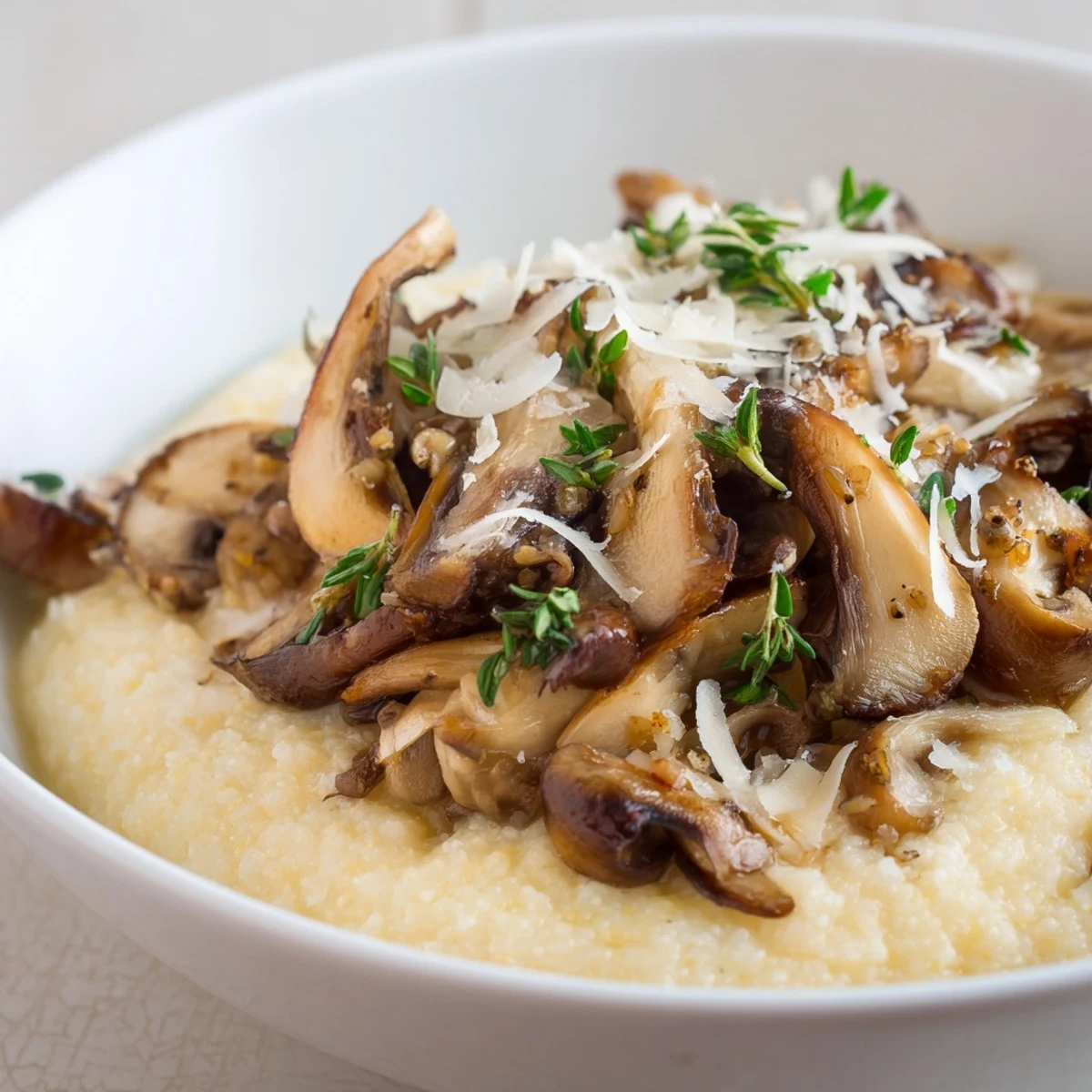
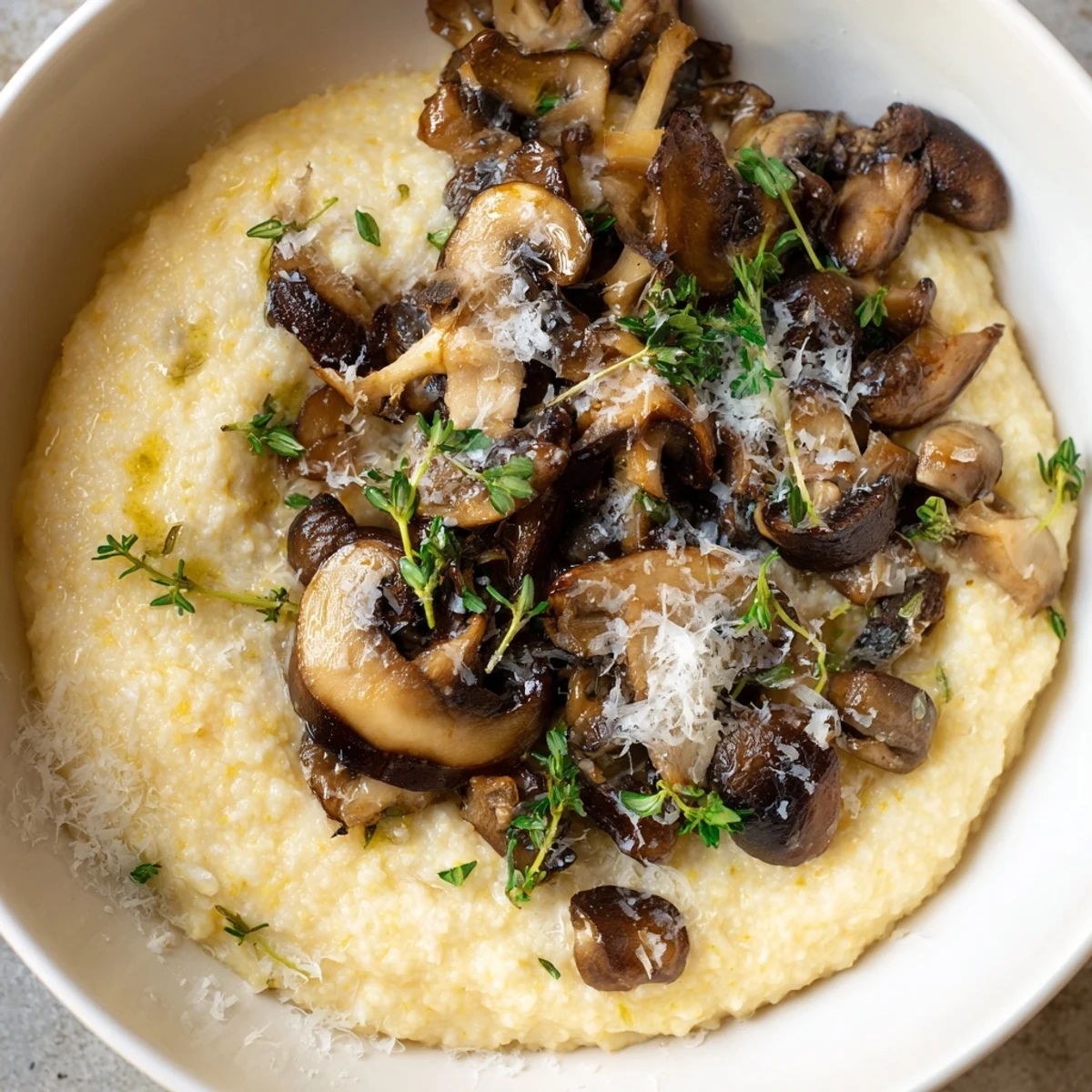
 This dish pairs creamy, slow-cooked polenta with a flavorful sauté of wild mushrooms enhanced by garlic, shallots, white wine, and fresh thyme. The polenta is enriched with butter and Parmesan, creating a smooth, comforting base that perfectly complements the earthy mushroom medley. Finished with chopped parsley and optional extra herbs, it provides a warm, rustic experience ideal for any season. Suitable for vegetarian and gluten-free diets, this dish offers simplicity and elegance in every bite.
I was standing at the stove on a rainy Tuesday, stirring a pot of polenta and wondering if my arm would fall off before it thickened. Then the mushrooms hit the pan with that earthy sizzle, and suddenly the whole kitchen smelled like a trattoria I'd wandered into in Umbria years ago. I realized then that some dishes don't need fancy technique, just patience and good ingredients.
The first time I made this for friends, I panicked halfway through because the polenta looked too thick, so I added more milk and kept stirring. By the time the mushrooms were done, the polenta had this silky, spoonable texture that everyone scraped their bowls clean for. One friend asked if I'd trained in Italy, and I didn't have the heart to tell her I'd just been winging it.
Ingredients
- Coarse cornmeal (polenta): The coarser the grind, the more texture you get, and it holds up beautifully under the mushrooms without turning to mush.
- Whole milk: This is what makes the polenta creamy instead of grainy, and I learned the hard way that water alone just doesn't cut it.
- Parmesan cheese: Freshly grated is non-negotiable here, the nutty, salty bite melts right in and makes everything taste richer.
- Mixed wild mushrooms: I love using a mix of cremini, shiitake, and oyster because each one brings its own flavor and the variety makes every bite different.
- Dry white wine: A splash deglazes the pan and adds a subtle brightness that balances the earthy mushrooms perfectly.
- Fresh thyme: The woodsy aroma ties the whole dish together, and a few extra leaves on top make it look like you know what you're doing.
Instructions
- Simmer the liquid:
- Bring the water and milk to a gentle simmer in a large saucepan, adding the salt so it seasons the polenta from the start. You want it just bubbling, not a rolling boil.
- Add the cornmeal:
- Pour the cornmeal in slowly while whisking constantly, this keeps it from clumping into those awful lumps that never dissolve. Lower the heat and keep stirring every few minutes until it's thick, creamy, and pulling away from the sides of the pan.
- Finish the polenta:
- Stir in the butter, Parmesan, and black pepper, then taste and adjust the salt. Cover it and keep it warm while you work on the mushrooms.
- Sauté the aromatics:
- Heat the olive oil and butter in a large skillet over medium-high, then add the shallot and let it soften for about a minute. Toss in the garlic and cook just until fragrant, maybe 30 seconds.
- Cook the mushrooms:
- Add the mushrooms and let them sauté, stirring now and then, until they're golden and all their liquid has cooked off. This takes about 6 to 8 minutes, and the kitchen will smell incredible.
- Deglaze and season:
- Pour in the white wine and thyme, scraping up any browned bits from the pan, and let it cook down until almost dry. Season with salt and pepper, then stir in the parsley off the heat.
- Serve:
- Spoon the polenta into bowls and pile the mushrooms on top. Finish with extra thyme and a little more Parmesan if you're feeling generous.
 Pin It
 One night I made this after a long week, and my partner walked in just as I was ladling it into bowls. We ate in silence for the first few minutes, then he looked up and said it tasted like comfort. That's when I knew this recipe was a keeper.
How to Store and Reheat
Leftover polenta will firm up in the fridge, but you can reheat it gently with a splash of milk or broth, stirring until it loosens up again. The mushrooms keep well for a couple days and taste even better the next day after the flavors meld together.
Variations to Try
I've swapped in vegan butter and almond milk when cooking for my dairy-free friends, and it still comes out creamy and satisfying. You can also fold in a handful of spinach or kale with the mushrooms for extra greens, or drizzle truffle oil over the top if you're feeling fancy.
What to Serve Alongside
This polenta is hearty enough to be a main, but I like to serve it with a simple arugula salad dressed in lemon and olive oil to cut the richness. A glass of chilled Pinot Grigio on the side makes it feel like a proper Italian supper.
- Roasted Brussels sprouts with balsamic glaze add a nice caramelized crunch.
- Crusty bread for soaking up every last bit of mushroom juice.
- A light panna cotta or lemon sorbet if you want to finish on a sweet note.
 Pin It
 This dish has a way of turning an ordinary evening into something special without asking much of you. I hope it becomes one of those recipes you reach for when you need something warm, delicious, and just a little bit soul-soothing.
Recipe Questions
- → What type of cornmeal is best for creamy polenta?
-
Coarse cornmeal provides the best texture for creamy polenta, allowing it to cook into a smooth, velvety consistency.
- → Can I substitute milk in the polenta?
-
Yes, plant-based milk can be used for a vegan option, but this will alter the flavor and creaminess slightly.
- → How can I ensure the mushrooms cook evenly?
-
Cook mushrooms over medium-high heat without overcrowding the pan to allow even browning and evaporation of moisture.
- → What herbs enhance the mushroom topping best?
-
Fresh thyme and parsley add brightness and depth, complementing the earthy flavors of the wild mushrooms.
- → Is it necessary to add white wine to the mushroom sauté?
-
White wine adds acidity and complexity but can be omitted or replaced with broth for a non-alcoholic option.