
 Pin It
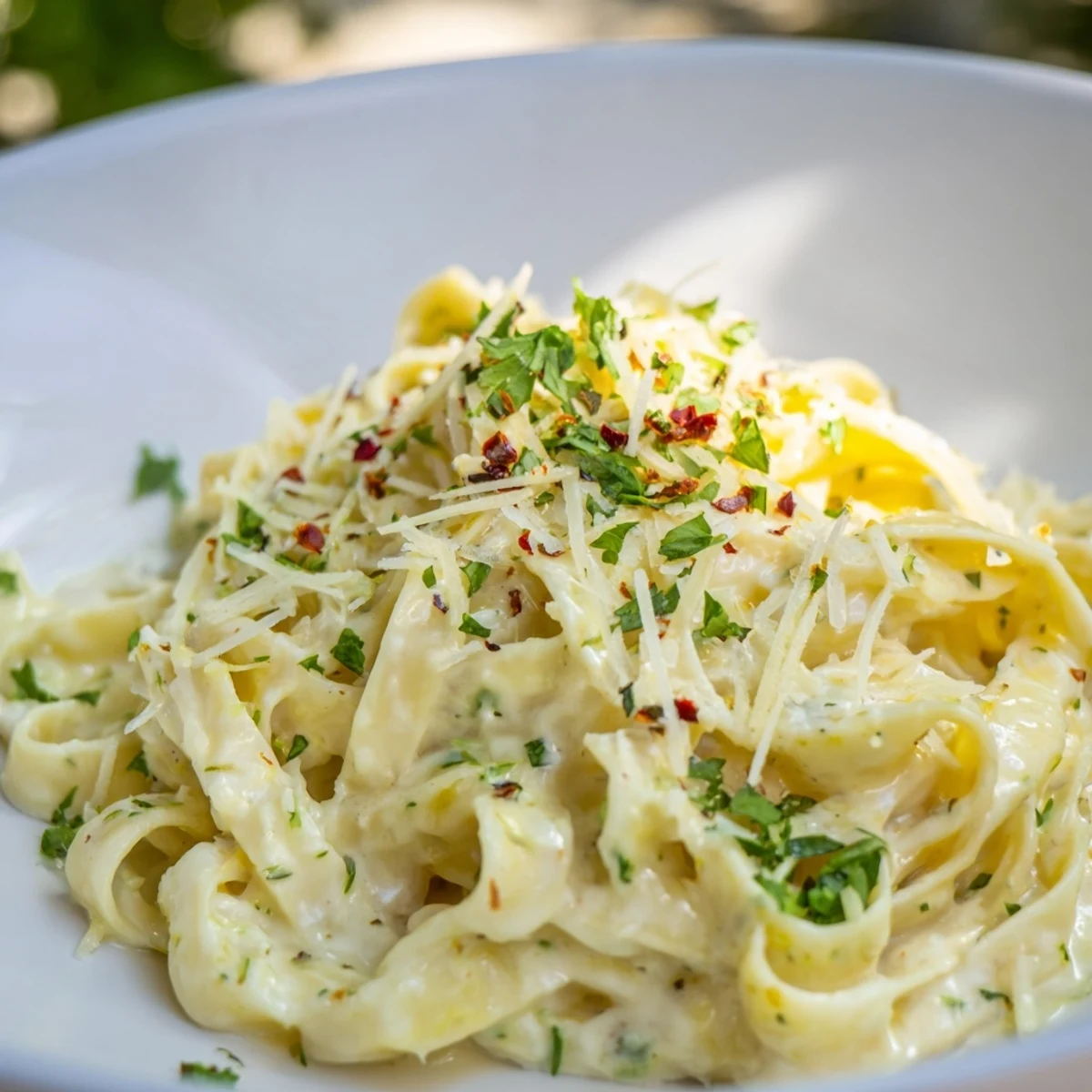
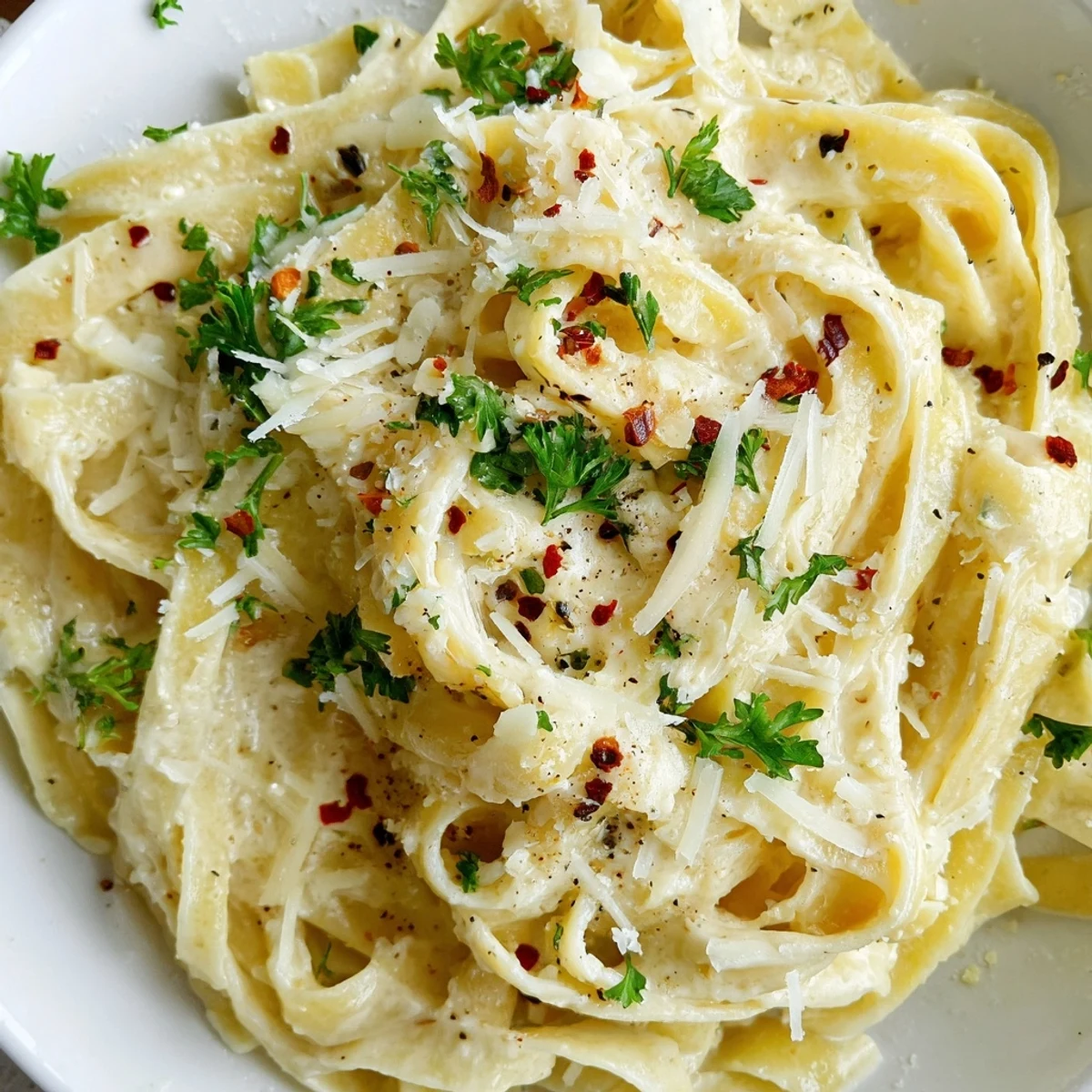
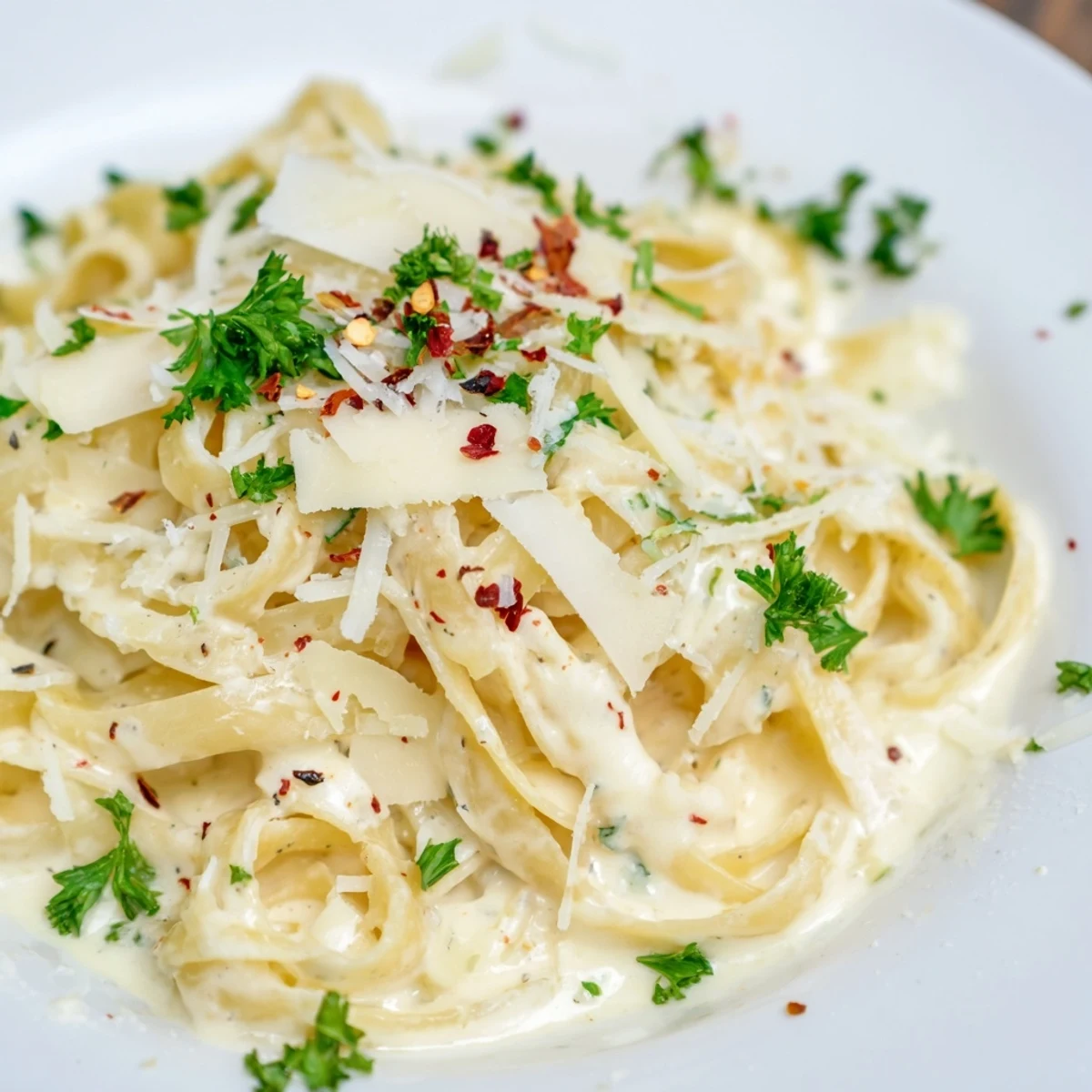
 This dish pairs al dente pasta with a rich, creamy garlic sauce made from butter, heavy cream, and Parmesan cheese. Fresh parsley adds a bright, herbaceous note, while a pinch of black and red pepper flakes introduces subtle warmth. The sauce is gently simmered to a silky consistency and tossed with the pasta, using reserved pasta water to achieve the perfect texture. This Italian-inspired dish is ideal for an easy, elegant meal that can be customized with additions like sautéed mushrooms or grilled chicken.
I discovered this pasta on an ordinary Tuesday night when my fridge was nearly empty but my craving for something indulgent was overwhelming. A stick of butter, some garlic, and cream somehow transformed into the most silky, luxurious sauce I'd ever tasted—the kind that makes you close your eyes between bites. Now it's become my go-to when I want to feel like I've cooked something impressive without any of the stress. This is the dish that taught me that simplicity, done right, tastes better than complexity.
I made this for my sister on a rainy evening when she showed up unexpectedly, tired from work, and we ended up in my kitchen trading stories while the pasta water boiled. The smell of garlic hitting the butter filled the whole apartment, and by the time we sat down with our plates, something about the warm, creamy comfort of it all felt like an unspoken apology and thank you rolled into one.
Ingredients
- Fettuccine or spaghetti (350 g): The wider ribbons of fettuccine hold the sauce beautifully, but honestly, any pasta you love works—it's really about the sauce doing the heavy lifting here.
- Unsalted butter (2 tbsp): Use real butter, not the spreadable kind, because it creates that silky base that makes the whole dish sing.
- Garlic (4 cloves, minced): Don't use pre-minced garlic from a jar—fresh garlic smells completely different and tastes infinitely better, trust me on this one.
- Heavy cream (1 1/4 cups): Full-fat cream is non-negotiable here; it's what makes the sauce coat every strand of pasta like a luxurious blanket.
- Parmesan cheese (1/2 cup, freshly grated): Block Parmesan grated on a microplane tastes nothing like the pre-shredded stuff—it actually melts and disappears into the sauce instead of clumping.
- Salt and black pepper (1/4 tsp each, plus more to taste): Season as you go and taste constantly, because every kitchen is different and your palate is the best judge.
- Red pepper flakes (pinch, optional): A tiny pinch adds warmth and depth without heat, but skip it if you're cooking for someone who prefers their food gentle.
- Fresh flat-leaf parsley (1/2 cup, chopped): The fresh herbs are what brighten everything up at the very end—they're the difference between a dish that tastes complete and one that feels like it's missing something.
- Extra Parmesan for serving: Always have more on hand because people will reach for it, and that's exactly what should happen.
Instructions
- Get the water ready:
- Fill a large pot with salted water—it should taste like the sea—and bring it to a rolling boil. This is the foundation, so give it time to really heat through before you add the pasta.
- Cook the pasta:
- Drop in your pasta and stir it right away so nothing sticks. Cook until it's just barely tender, that moment when it still has a whisper of resistance in the center—package directions are your guide, but taste it yourself because al dente is personal.
- Melt butter and bloom the garlic:
- While pasta cooks, melt butter in a large skillet over medium heat until it stops foaming, then add your minced garlic. Let it go for just a minute or two until it smells incredible but before it starts to brown—that's the sweet spot where the flavor is full but not bitter.
- Add the cream:
- Pour in the heavy cream and let it heat gently, stirring now and then. The sauce should look like it's barely simmering with tiny bubbles breaking the surface—this prevents it from breaking.
- Melt in the cheese:
- Once the cream is warm, add your freshly grated Parmesan along with salt, pepper, and a pinch of red pepper flakes if you're using them. Stir until everything dissolves into a silky sauce that looks like liquid gold.
- Bring it together:
- Add your drained pasta to the skillet and toss it gently but thoroughly so every strand gets coated. If the sauce looks too thick, splash in some of that reserved pasta water—just a little bit at a time—until it looks glossy and clings to the pasta.
- Finish with parsley:
- Take the skillet off the heat and stir in most of the fresh parsley, keeping some back for garnish. The heat will soften it just slightly while keeping that bright fresh taste.
- Serve right away:
- Divide onto warm plates immediately and top with the reserved parsley and a generous handful of extra Parmesan. This dish is at its best the moment it hits the plate, so don't let it sit.
 Pin It
 There's a moment right after everything comes together—when the pasta is coated, the cream is silky, and the kitchen smells like butter and garlic—where this stops being just dinner and becomes something more. It's one of those simple dishes that reminds you why cooking matters.
The Magic of Sauce Quality
What makes this pasta special isn't any complicated technique; it's that the sauce is built on real ingredients and treated with respect. Too many people rush the garlic or crank the heat too high, and suddenly they're fighting to save a broken, grainy mess. When you slow down and pay attention—melting the butter gently, letting the garlic perfume the pan before the cream arrives—the sauce becomes this smooth, luxurious thing that clings to the pasta like it was meant to be there all along.
Customizing Without Losing Yourself
This recipe is so clean that it's the perfect canvas for whatever else you want to add, but here's what I've learned: less is often more. Sautéed mushrooms add an earthy richness that works beautifully, and grilled chicken turns it into something more substantial if you're feeding people who need it. Fresh lemon zest stirred in at the very end adds brightness without overwhelming the garlic, and a small drizzle of truffle oil can make everyone at the table think you've been cooking all day.
A Few Final Thoughts
The best version of this dish is the one you make with confidence, knowing that you're working with good ingredients and time enough to enjoy the process. Don't stress over perfection—a little variation in heat, timing, or how much pepper you add just makes it your own.
- If you want extra richness, stir a tablespoon of mascarpone into the finished sauce for a deeper, slightly sweet flavor.
- Gluten-free pasta works perfectly here, and no one at the table will know the difference if you don't tell them.
- Leftovers are best eaten fresh, but if you do have some, reheat it gently with a splash of cream or pasta water so the sauce comes back together.
 Pin It
 This is the kind of pasta that sits in your back pocket for nights when you need something that feels fancy but doesn't ask for much in return. Make it often, make it your own, and always taste as you go.
Recipe Questions
- → How do I keep the sauce from separating?
-
Simmer the cream sauce gently on medium heat and avoid boiling. Stir continuously and add reserved pasta water gradually to maintain a smooth texture.
- → Can I use other types of pasta?
-
Yes, fettuccine or spaghetti work well, but feel free to choose your favorite pasta shape to hold the creamy sauce.
- → What can I add for extra flavor?
-
Consider stirring in mascarpone or cream cheese for richness, or adding sautéed mushrooms or grilled chicken for more substance.
- → How do I adjust the seasoning?
-
Taste the sauce before serving and add salt, black pepper, or red pepper flakes to suit your preference.
- → Is fresh parsley necessary?
-
Fresh parsley adds brightness and freshness, complementing the creamy sauce, but dried parsley can be a substitute if fresh is unavailable.