
 Pin It
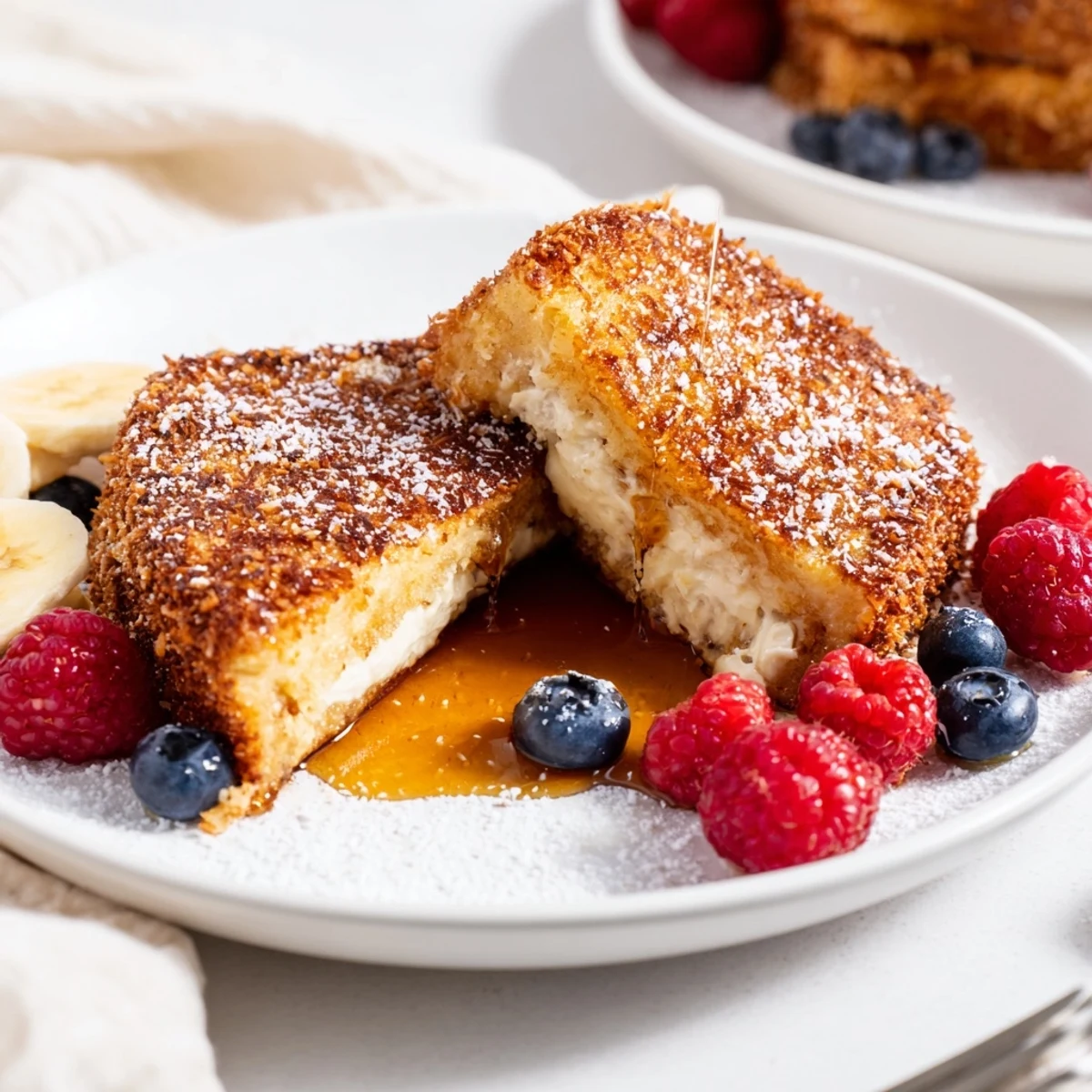
 This coconut-crusted French toast delivers a tropical crunch around a warm, custardy interior. Thick brioche or challah slices are soaked in an egg-and-milk custard flavored with vanilla and cinnamon, pressed into shredded coconut (and optional panko), then fried in butter and coconut oil until golden. Serve hot with maple syrup, berries or bananas. Includes tips for dairy-free swaps and keeping the crust crisp.
The smell of toasted coconut hitting hot butter in a skillet is enough to make anyone wander into the kitchen half asleep, which is exactly how this recipe earned a permanent spot in my weekend rotation. One Sunday morning, half a bag of shredded coconut sitting abandoned in my pantry became the accidental star of breakfast. The result was a French toast with a shatteringly crisp exterior and a custard soaked center that tasted like something you would find at a beachside cafe.
I made a double batch of these for a friends bridal shower brunch, and they disappeared faster than the mimosa bar we had spent three times as long planning. Someone actually asked which bakery I had ordered from, and I honestly debated lying.
Ingredients
- 4 large eggs: The backbone of your custard, so use the freshest ones you can find for the richest color and texture.
- 240 ml (1 cup) whole milk or coconut milk: Whole milk gives a creamier custard, but coconut milk doubles down on the tropical flavor and keeps it dairy free.
- 1 tablespoon granulated sugar: Just enough sweetness without making the toast cloying before you even add syrup.
- 1 teaspoon pure vanilla extract: Pure extract, not imitation, makes a noticeable difference here since the ingredient list is so simple.
- 1/2 teaspoon ground cinnamon: A warm whisper of spice that bridges the gap between the coconut and the custard.
- Pinch of salt: Never skip this, because salt wakes up every other flavor in the bowl.
- 8 slices brioche or challah bread (about 2 cm thick): These enriched breads soak up custard like a dream and stay pillowy inside, though any sturdy white bread will work in a pinch.
- 100 g (1 cup) unsweetened shredded coconut: Unsweetened is key because sweetened coconut burns before the toast cooks through.
- 55 g (1/2 cup) panko breadcrumbs (optional): Mixing panko with the coconut creates a lighter, crispier crust than coconut alone.
- 2 tablespoons butter: Butter adds flavor that oil simply cannot replicate.
- 2 tablespoons coconut oil: Combining coconut oil with butter raises the smoke point so the coating crisps without burning.
Instructions
- Whisk your custard:
- Crack the eggs into a shallow dish and whisk in the milk, sugar, vanilla, cinnamon, and salt until completely smooth and slightly frothy. A shallow bowl makes dipping easier and less messy than a deep one.
- Set up your coating station:
- In a second shallow dish, toss together the shredded coconut and panko breadcrumbs until evenly mixed. Having both dishes side by side creates a smooth assembly line.
- Soak the bread:
- Lay each slice into the egg mixture and let it sit for about ten seconds per side, long enough to absorb the custard but not so long that it falls apart. Thicker slices can handle a slightly longer soak.
- Press on the coconut crust:
- Lift each soaked slice directly into the coconut mixture and press gently on both sides so the coating adheres in an even, generous layer. Really press it in, because loose coconut just falls off in the pan.
- Heat your pan:
- Melt the butter and coconut oil together in a large non stick skillet over medium heat until the butter stops bubbling and the mixture shimmers. Too hot and the coconut scorches before the center warms through.
- Fry until golden:
- Carefully lay the coated slices into the pan in batches, cooking two to three minutes per side until deeply golden and crispy. The coconut should look toasted and fragrant, not pale and soft.
- Serve immediately:
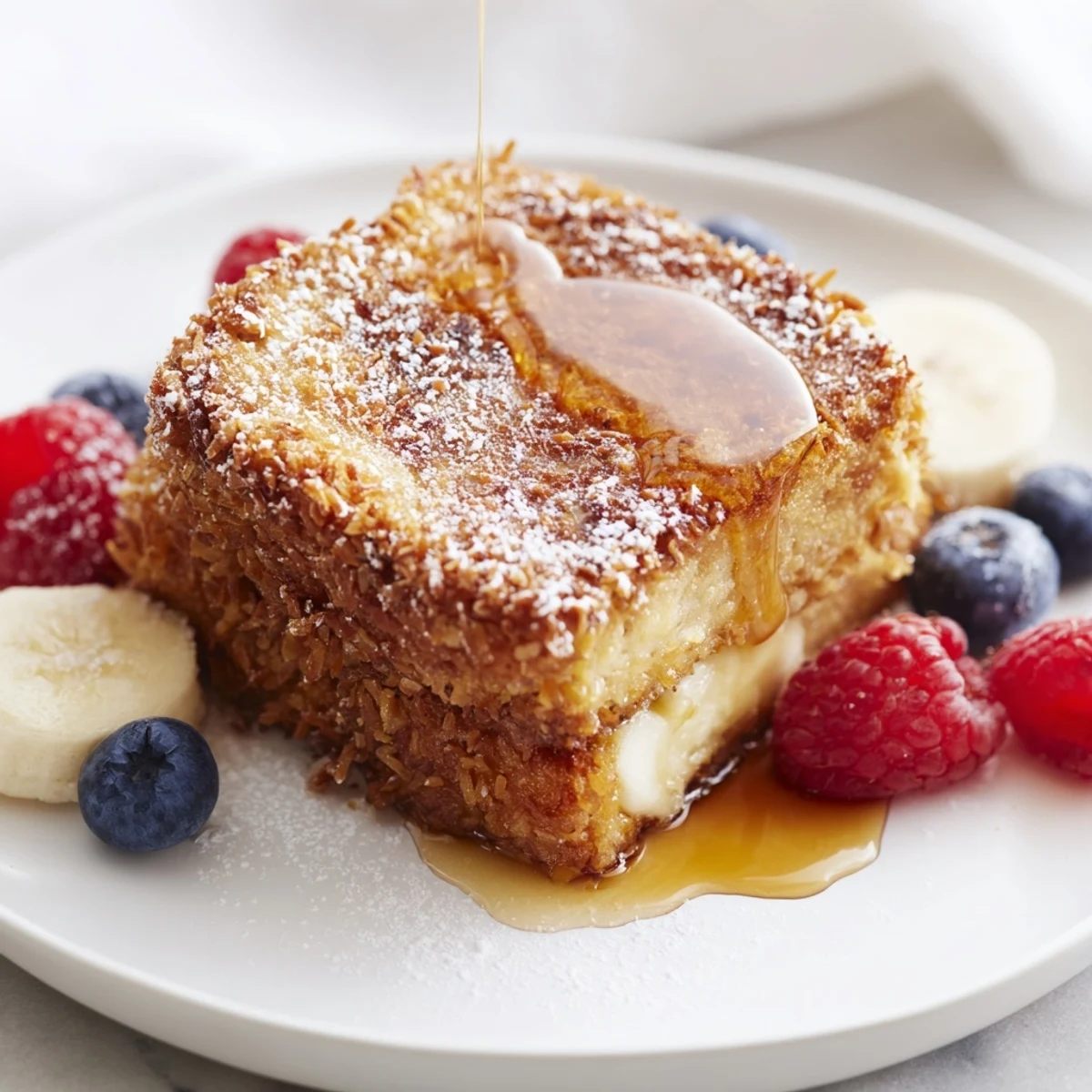
- Transfer the hot slices straight to plates and top with maple syrup, fresh berries, sliced bananas, or a generous shower of powdered sugar. They stay crispiest when served right out of the pan.
 Pin It
 Somewhere between the third and fourth batch I fried that morning, I realized the kitchen had become the gathering spot and no one was bothering to move to the dining table anymore. Plates balanced on knees, syrup dripping onto paper napkins, everyone just stood around the stove eating toast as fast as I could make it.
Picking the Right Bread
Brioche is my first choice every time because the buttery, tender crumb soaks up custard beautifully and browns evenly in the pan. Challah runs a close second, especially the round holiday loaves, which have a slightly sweeter flavor that pairs wonderfully with coconut.
Making It Dairy Free
Swapping the whole milk for full fat coconut milk and frying in coconut oil alone transforms this into a completely dairy free breakfast without sacrificing any richness. The coconut flavor intensifies in a way that actually tastes intentional rather than like a compromise.
Keeping That Crust Crispy
The biggest enemy of a crispy coconut crust is steam, so avoid stacking finished slices on top of each other or covering them with foil while you cook the remaining batches. Instead, place them in a single layer on a wire rack set over a baking sheet in a low oven to stay warm and crisp.
- A wire cooling rack set over a sheet pan in a 95 degree Celsius oven holds finished slices perfectly for up to twenty minutes.
- If the coconut coating starts falling off during frying, your heat might be too high or you may need to press it on more firmly next time.
- Always let the pan get hot before adding the first slice, because a cold pan guarantees sticking.
 Pin It
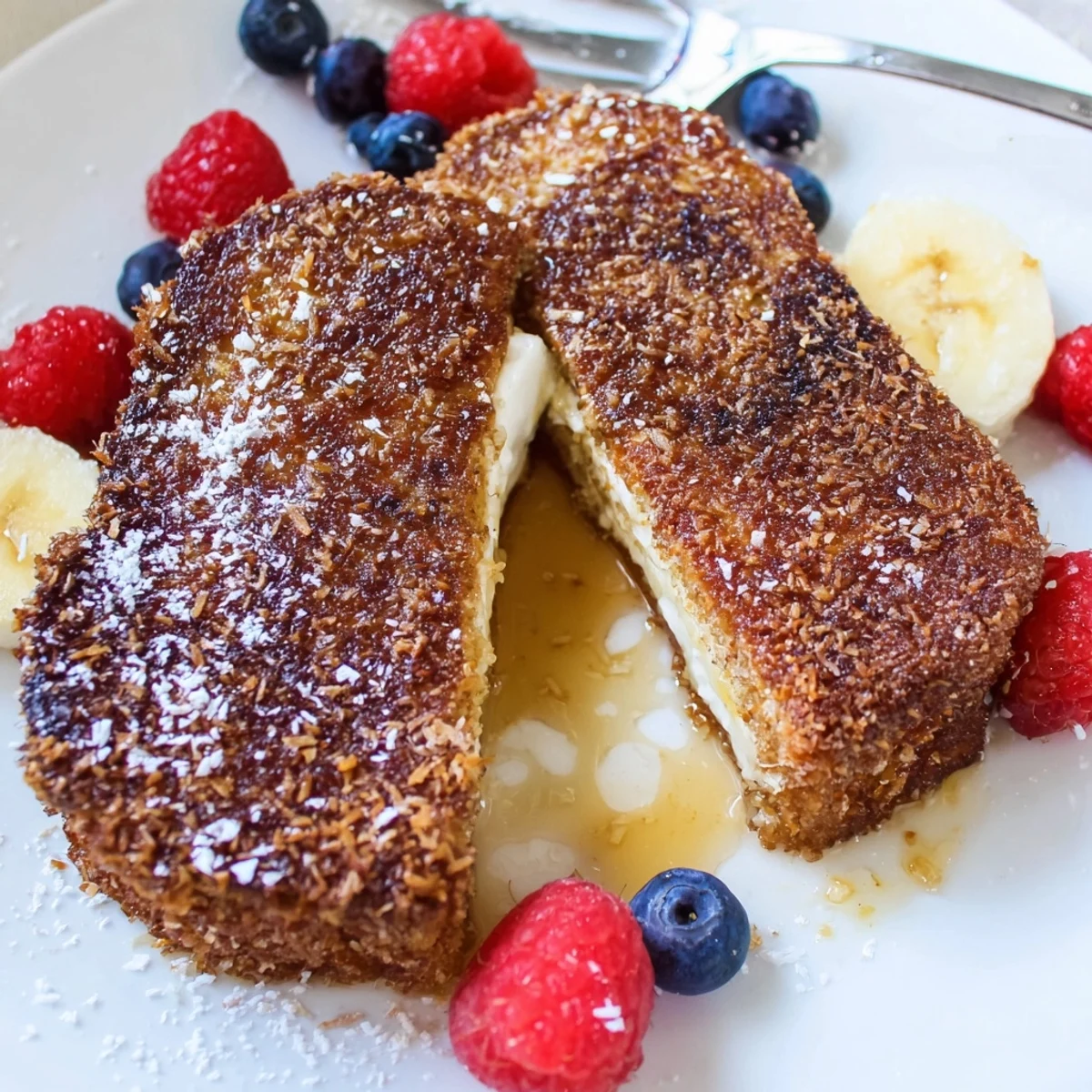
 There is something undeniably joyful about serving French toast that crunches audibly when someone takes a bite, and this coconut crusted version delivers that moment every single time. Make it once, and lazy weekend mornings will never feel the same.
Recipe Questions
- → What bread works best?
-
Use thick slices of brioche or challah for a tender, custardy interior; day-old bread holds the custard without falling apart. Any sturdy white loaf about 2 cm thick will also yield good results.
- → How do I keep the coconut crust crispy?
-
Press the soaked slices firmly into the coconut mixture and fry over medium heat so the coating browns without burning. Drain briefly on a rack, not a paper towel, to avoid steam softening the crust.
- → Can I make it dairy-free?
-
Yes. Substitute full-fat coconut milk for whole milk and use only coconut oil for frying; butter adds flavor but coconut oil keeps the tropical profile and remains dairy-free.
- → Is panko necessary in the coating?
-
Panko is optional. It adds extra crunch and structure to the coconut crust, but using unsweetened shredded coconut alone still produces a crisp, flavorful coating.
- → How should I reheat leftovers to preserve texture?
-
Reheat in a 175°C (350°F) oven or a toaster oven for a few minutes to restore crunch; avoid microwaving, which makes the crust soggy.
- → Any tips for frying evenly?
-
Cook in batches without crowding the pan, maintain medium heat, and flip once after 2–3 minutes when the underside is golden. Use a mix of butter and coconut oil for flavor and higher smoke point.