
 Pin It
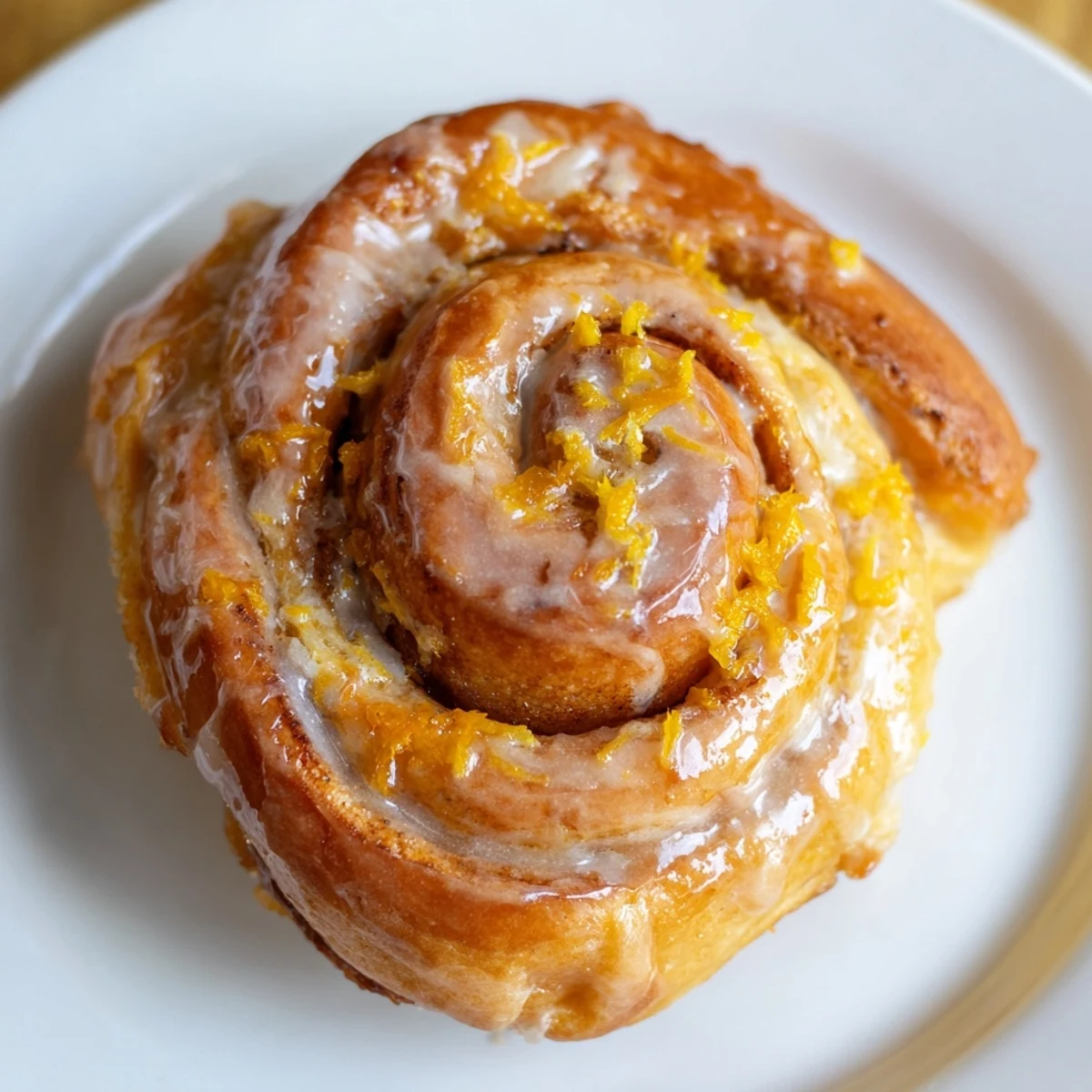
 Make a rich, tender yeasted dough with warm milk, orange juice, eggs and butter. Roll into a rectangle and spread a brown-sugar filling scented with ground cardamom, cinnamon and orange zest. Roll into a log, slice into 12 swirls, proof until puffy and bake until golden. Finish with a bright orange-cardamom glaze and serve warm for best aroma and softness.
The smell of cardamom toasting in a buttery filling is the kind of thing that makes you close your eyes and forget whatever was stressing you out. I stumbled into these orange cardamom morning buns on a rainy Sunday when the farmers market got rained out and I had a bag of oranges staring me down from the counter. Three hours later my kitchen smelled like a Scandinavian bakery and I was genuinely annoyed I had not made these sooner.
My neighbor knocked on my door the morning I tested my second batch, not to say hello but to ask what on earth I was baking because the aroma had drifted through our shared hallway. I handed her a bun still warm from the oven and we stood in the doorway eating in silence for a full minute before she said anything at all.
Ingredients
- All purpose flour (3 1/2 cups, 440 g): You want a soft, slightly sticky dough here so resist the urge to dump in extra flour.
- Granulated sugar (1/3 cup, 65 g): Just enough sweetness in the dough without overpowering the filling.
- Active dry yeast (2 1/4 tsp, 1 packet): Check the expiration date because nothing derails baking day faster than dead yeast.
- Warm whole milk (1/2 cup, 120 ml): It should feel like a warm bath, not hot, or you will kill the yeast on contact.
- Freshly squeezed orange juice (1/3 cup, 80 ml): Skip the bottled stuff because fresh juice gives the dough a subtle tang and real citrus depth.
- Unsalted butter, melted (1/4 cup, 60 g): Melted butter in the dough keeps it tender and rich without weighing it down.
- Large eggs, room temperature (2): Cold eggs can slow the yeast so set them out while you gather everything else.
- Salt (1 tsp): Do not skip this because salt sharpens every flavor in the dough.
- Orange zest (from 1 large orange): Rub the zest directly into the sugar with your fingers to release the essential oils.
- Light brown sugar, packed (1/2 cup, 100 g): The molasses in brown sugar creates a gooey, caramel like filling.
- Unsalted butter, softened (1/4 cup, 60 g): Softened, not melted, so the filling spreads like a thick frosting.
- Ground cardamom (2 tsp for filling, 1/2 tsp for glaze): Cardamom is the soul of this recipe so use fresh if possible.
- Ground cinnamon (1 tsp): A background warmth that holds the cardamom and orange together.
- Orange zest (from 1 large orange, for filling): Double layering the zest in both dough and filling is the secret to intensity.
- Powdered sugar (1 cup, 120 g): Sift it to avoid lumpy glaze.
- Freshly squeezed orange juice (2 to 3 tbsp, for glaze): Add gradually until the glaze reaches a pourable, drizzly consistency.
Instructions
- Wake up the yeast:
- Pour warm milk and orange juice into your stand mixer bowl, sprinkle the yeast over the top, and let it sit undisturbed until it bubbles and foams, about five minutes.
- Build the dough:
- Add the sugar, eggs, melted butter, orange zest, and salt, then mix on medium speed until everything looks evenly combined and slightly frothy.
- Add the flour gradually:
- Pour in the flour a cup at a time with the mixer running, and stop when the dough pulls away from the bowl sides but still feels tacky to the touch.
- Knead until smooth:
- Let the dough hook do its work for five to eight minutes until the dough springs back lightly when you poke it with a floured finger.
- First rise:
- Transfer the dough to an oiled bowl, cover it tightly with plastic wrap, and tuck it somewhere warm until it has puffed to double its original size, roughly one to one and a half hours.
- Mix the filling:
- Stir together the brown sugar, softened butter, cardamom, cinnamon, and orange zest until it forms a spreadable, fragrant paste that smells absolutely irresistible.
- Roll and fill:
- On a floured surface, roll the risen dough into a 16 by 12 inch rectangle, then spread the filling edge to edge, leaving just a small border so nothing squeezes out.
- Shape the log:
- Starting from the long side, roll the dough up as tightly as you can, then pinch the seam firmly so it does not unroll during baking.
- Cut into buns:
- Slice the log into twelve even pieces using a sharp knife or unflavored dental floss, and place them swirl side up in a greased 9 by 13 inch baking dish.
- Second rise:
- Cover the dish loosely and let the buns puff up until they look soft and pillowy, about thirty to forty minutes while your oven preheats to 350 degrees Fahrenheit.
- Bake to golden perfection:
- Bake for twenty to twenty five minutes until the tops are deeply golden and the centers spring back when gently pressed, then cool for ten minutes in the dish.
- Glaze and serve:
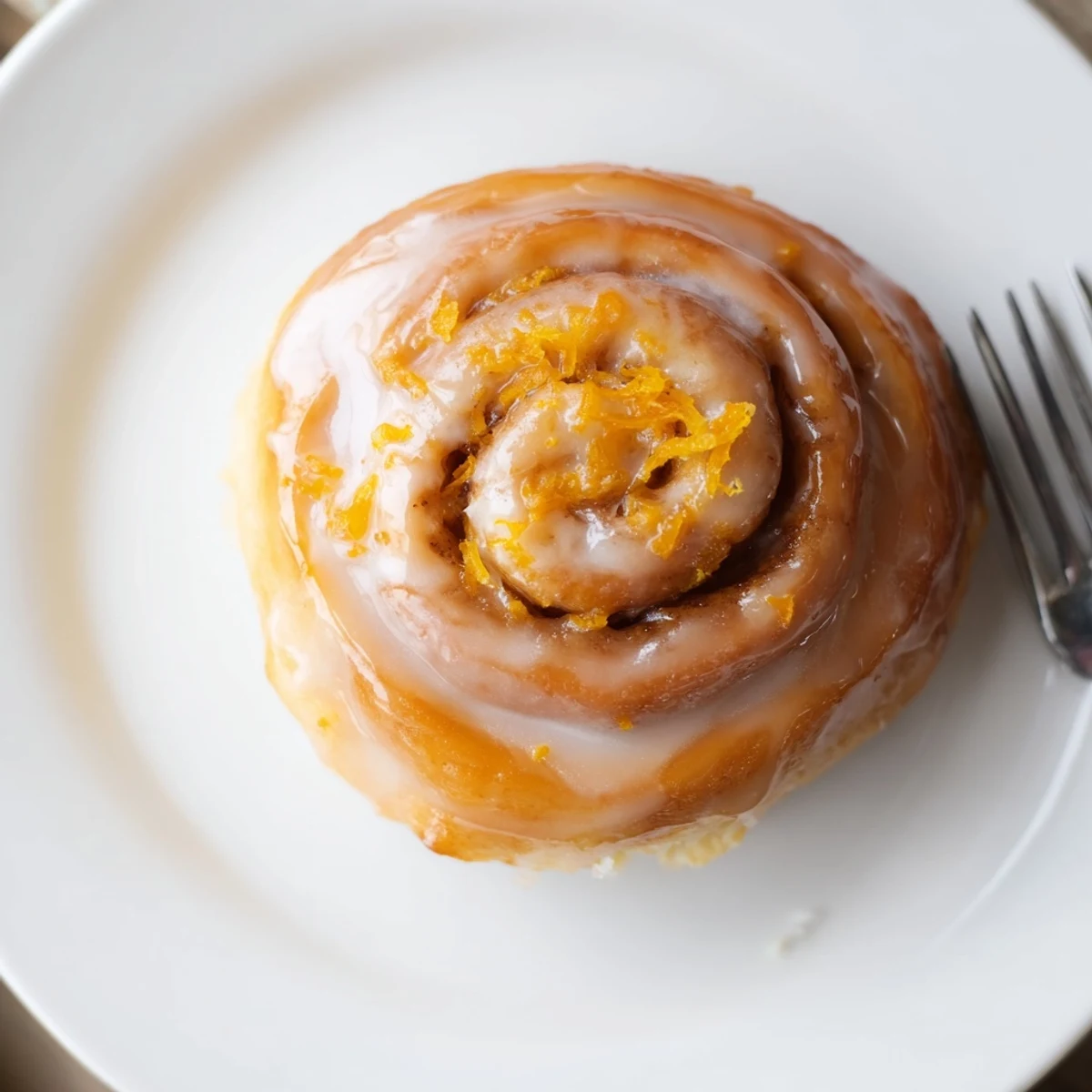
- Whisk the powdered sugar, orange juice, and cardamom into a smooth glaze, then drizzle it generously over the still warm buns before anyone can wait any longer.
 Pin It
 The morning I brought a pan of these to a friend who had just come home from the hospital, she held the bun with both hands, took one bite, and started crying in the best possible way.
Getting the Dough Texture Right
The trickiest part of this recipe is trusting a slightly sticky dough. Your instinct will be to add more flour but that leads to dense, heavy buns instead of the pillowy ones you want. The dough should cling to your fingers but release cleanly when you pull away. If you have made cinnamon rolls before, this dough will feel familiar but softer and more fragrant.
Making Them Your Own
A handful of chopped toasted pecans folded into the filling adds a wonderful crunch that contrasts the soft swirls. You could also swap the cardamom for ground ginger if you want a spicier, warmer profile that still pairs beautifully with orange. A friend of mine adds a thin layer of marmalade under the filling and swears it is the only way to make them.
Storing and Reheating
These buns are at their absolute best the day they are baked, preferably within the first hour when the glaze is still slightly warm and the edges have that gentle crunch.
- Store leftover buns in an airtight container at room temperature for up to two days.
- Reheat individual buns in a 300 degree Fahrenheit oven for five minutes to bring back that fresh baked softness.
- You can freeze unbaked cut buns in the dish, then thaw overnight in the fridge and bake fresh when you need them.
 Pin It
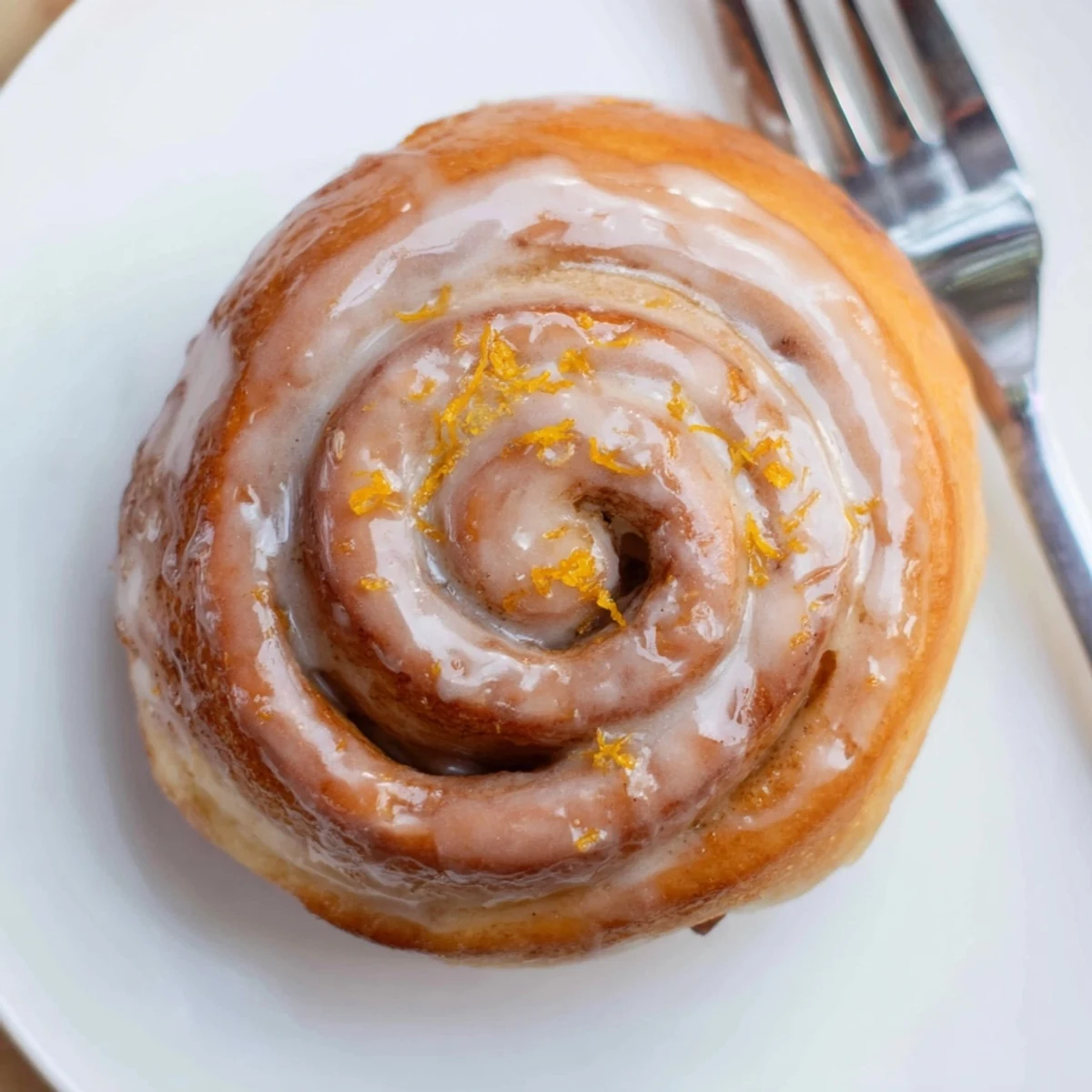
 Some recipes become staples because they taste incredible and others because of the people you shared them with, and these orange cardamom morning buns manage to do both at once.
Recipe Questions
- → How long should the dough rise?
-
Allow the first rise for about 1–1.5 hours at a warm room temperature until doubled. After shaping, proof the cut swirls for 30–40 minutes until noticeably puffy for a light interior.
- → Can I use instant yeast instead of active dry?
-
Yes. If using instant yeast, mix it directly with the dry ingredients and shorten the initial proofing slightly; active dry needs proofing in warm liquid first to become foamy.
- → Any good substitutions for cardamom?
-
Try ground ginger for a warmer, spicier note or increase cinnamon for a familiar cinnamon-orange profile. Toasted nutmeg can also add depth if you prefer.
- → How do I avoid soggy bottoms?
-
Use a well-greased or lightly buttered baking dish, preheat the oven fully to 350°F (175°C), and bake until the rolls are golden and set in the center. A metal pan conducts heat best for crisping the bottom.
- → What’s the best way to reheat leftover buns?
-
Reheat gently in a 300–325°F (150–165°C) oven for 8–10 minutes, loosely covered with foil to avoid over-browning, or microwave briefly for a soft, warm result.
- → Can I add nuts or fruit to the filling?
-
Yes—fold in about 1/2 cup chopped toasted pecans or walnuts for texture, or sprinkle finely chopped dried apricots or cranberries for a fruity contrast. Avoid overly wet additions that could make the filling soggy.