
 Pin It
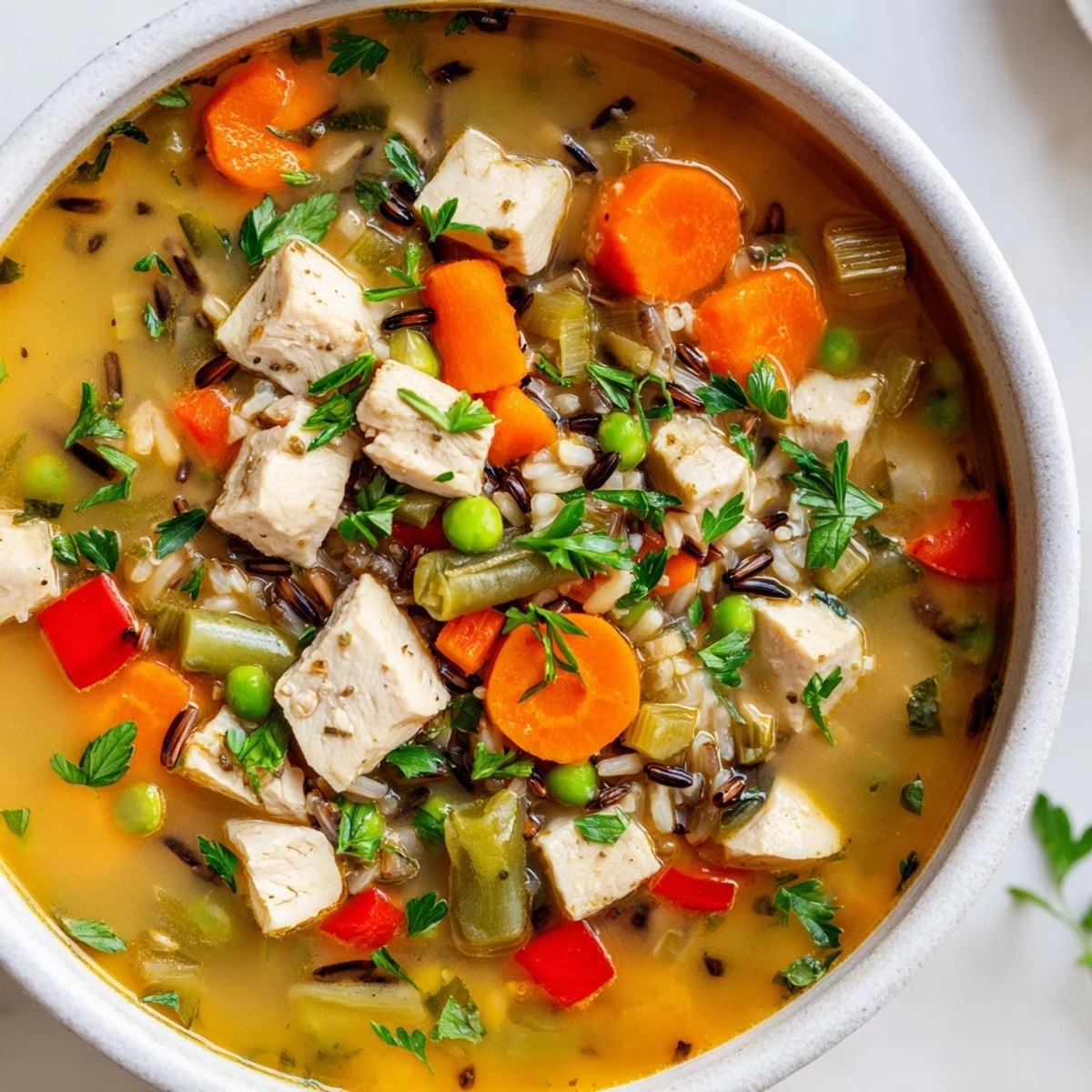
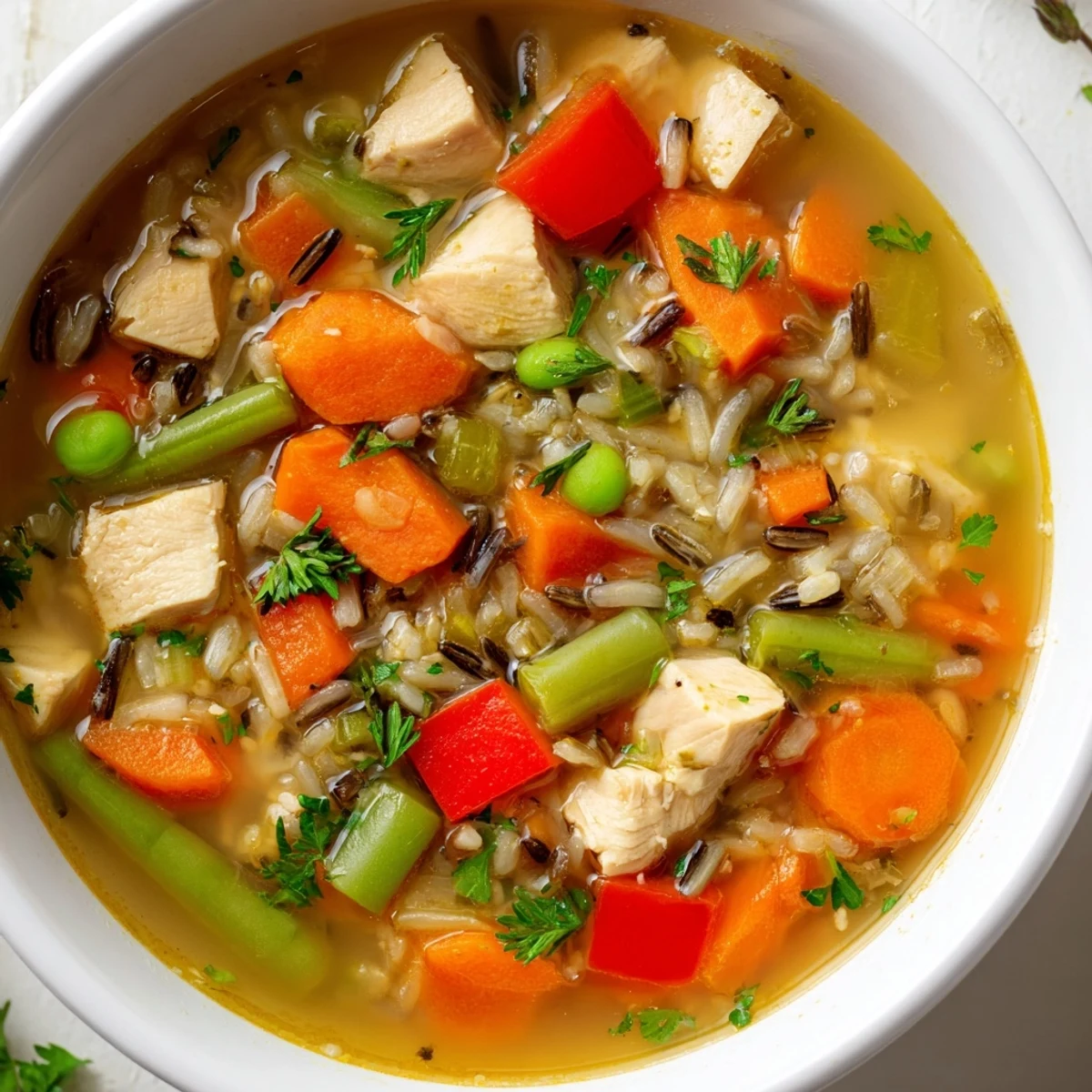
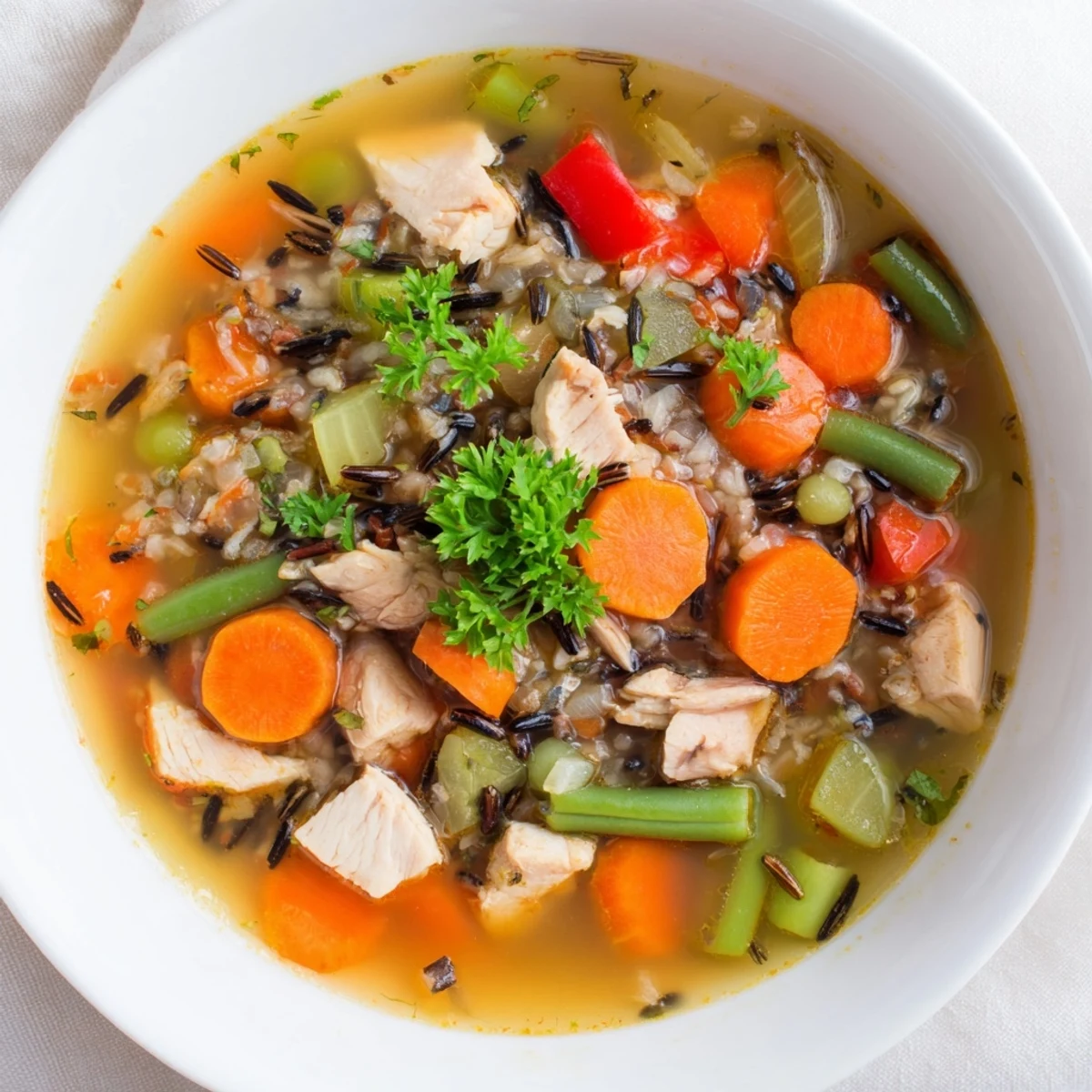
 This hearty soup combines succulent diced chicken breasts with garden vegetables including carrots, celery, zucchini, bell pepper, and green beans, all simmered together with nutty wild rice in a savory chicken broth. The one-hour cooking process develops deep flavors through simple sautéing of aromatics, gentle simmering of grains, and finishing touches of fresh herbs. Naturally gluten-free and easily customizable, this dish serves six and stores beautifully for up to three days, making it ideal for meal preparation and family dinners.
The first time I made this chicken and wild rice soup, it was during a fierce November rainstorm that rattled the windows of my little apartment. The kitchen steamed with aromatic vapor as I chopped vegetables while listening to the rain patter against the glass. Something about the earthy scent of wild rice mingling with the savory chicken broth created exactly the feeling of sanctuary I needed against the gathering darkness outside.
My neighbor Katie knocked on my door just as the soup was reaching its full fragrance, drawn by the aroma that had apparently escaped into the hallway. She ended up staying for dinner, bowl in hand, telling stories across my kitchen table while steam rose between us. Now whenever I make this soup, I think about how food creates these unexpected moments of connection.
Ingredients
- Boneless skinless chicken breasts: I prefer to dice them before cooking rather than shredding after, as the distinct pieces hold their texture better in the broth.
- Wild rice: Dont skip rinsing it thoroughly as this removes excess starch and any debris that might be present.
- Fresh and frozen vegetables: The combination gives you the best of both worlds, with the frozen peas maintaining their bright color and sweetness.
- Low-sodium chicken broth: Using low-sodium allows you to control the salt level yourself, which Ive found crucial when the broth reduces during cooking.
Instructions
- Create your aromatic base:
- Heat the olive oil until it shimmers, then add those diced onions, carrots, celery, and bell pepper. Listen for that gentle sizzle that tells you theyre releasing their flavors into the oil.
- Build the flavor layers:
- Once the garlic becomes fragrant, add your chicken pieces and let them take on a slight golden color. This browning creates depth that will carry through the entire soup.
- The long simmer:
- After adding wild rice, vegetables, herbs, and broth, allow everything to bubble away gently. Your kitchen will slowly fill with an aroma that somehow smells exactly like comfort.
- Finishing touches:
- The bright green peas go in last to preserve their color and texture. Remove the bay leaf before serving as its done its aromatic job but isnt pleasant to bite into.
 Pin It
 Last winter when my sister was recovering from surgery, I packed this soup into mason jars and delivered it still warm to her doorstep. She texted me later saying it was the first thing that had truly tasted good to her in days. Food isnt just sustenance sometimes, its a tangible form of care when someone needs it most.
Storage and Leftovers
This soup actually improves after a night in the refrigerator, as the flavors have time to meld together more completely. Ive found the wild rice maintains its distinct texture even when reheated, unlike white rice which tends to become mushy in leftover soup. The vegetables might soften a bit more, but the overall character of the soup remains intact for several days.
Seasonal Variations
Ive made summer versions with fresh corn kernels and cherry tomatoes added during the last few minutes of cooking. In autumn, a diced sweet potato and some chopped kale make wonderful additions, while winter calls for extra herbs and perhaps a pinch of warming spices like a hint of nutmeg. The recipe welcomes these seasonal shifts while maintaining its comforting character.
Serving Suggestions
While this soup is certainly hearty enough to stand alone as a meal, Ive discovered a few perfect companions that elevate the experience. A slice of crusty sourdough bread with salted butter makes an ideal dipper for capturing the last drops of broth in your bowl.
- For a complete dinner, serve alongside a simple green salad dressed with lemon vinaigrette to brighten the meal.
- When serving guests, consider small bowls of toppings like extra fresh herbs, lemon wedges, or a drizzle of good olive oil to personalize each serving.
- A glass of crisp white wine like Pinot Grigio pairs surprisingly well with the earthy flavors of the wild rice and vegetables.
 Pin It
 This soup reminds me that good cooking doesnt always require complicated techniques or exotic ingredients. Sometimes the most satisfying meals come from simple, thoughtful combinations of fresh ingredients given the time they need to become something greater together.
Recipe Questions
- → Can I use chicken thighs instead of breasts?
-
Yes, chicken thighs are an excellent substitute and provide richer, more flavorful meat. They handle the longer cooking time well and add depth to the broth. Use the same quantity and adjust cooking time if needed until the meat is fully cooked.
- → How do I make this vegetarian?
-
Simply omit the chicken and substitute vegetable broth for chicken broth. To maintain adequate protein, increase the quantity of green beans, add chickpeas, or include other legumes. The soup will be equally satisfying and comforting.
- → What's the best way to store leftovers?
-
Store cooled soup in an airtight container in the refrigerator for up to three days. For longer storage, freeze in portions for up to three months. Thaw overnight in the refrigerator before reheating gently on the stovetop.
- → Can I prepare wild rice ahead of time?
-
Yes, you can rinse and cook the wild rice separately beforehand, then add it during the final simmering stages. This can save time on busy cooking days and allows better control over the rice texture.
- → Is this truly gluten-free?
-
All the core ingredients are naturally gluten-free. However, always verify that your chicken broth is certified gluten-free, as some commercial broths may contain hidden gluten or be processed in facilities with cross-contamination risks.
- → What vegetables can I substitute?
-
This soup is very flexible. Swap vegetables based on preference and seasonality: try leeks, fennel, parsnips, or sweet potatoes. Frozen vegetables work well too and can reduce prep time while maintaining nutritional value.