
 Pin It
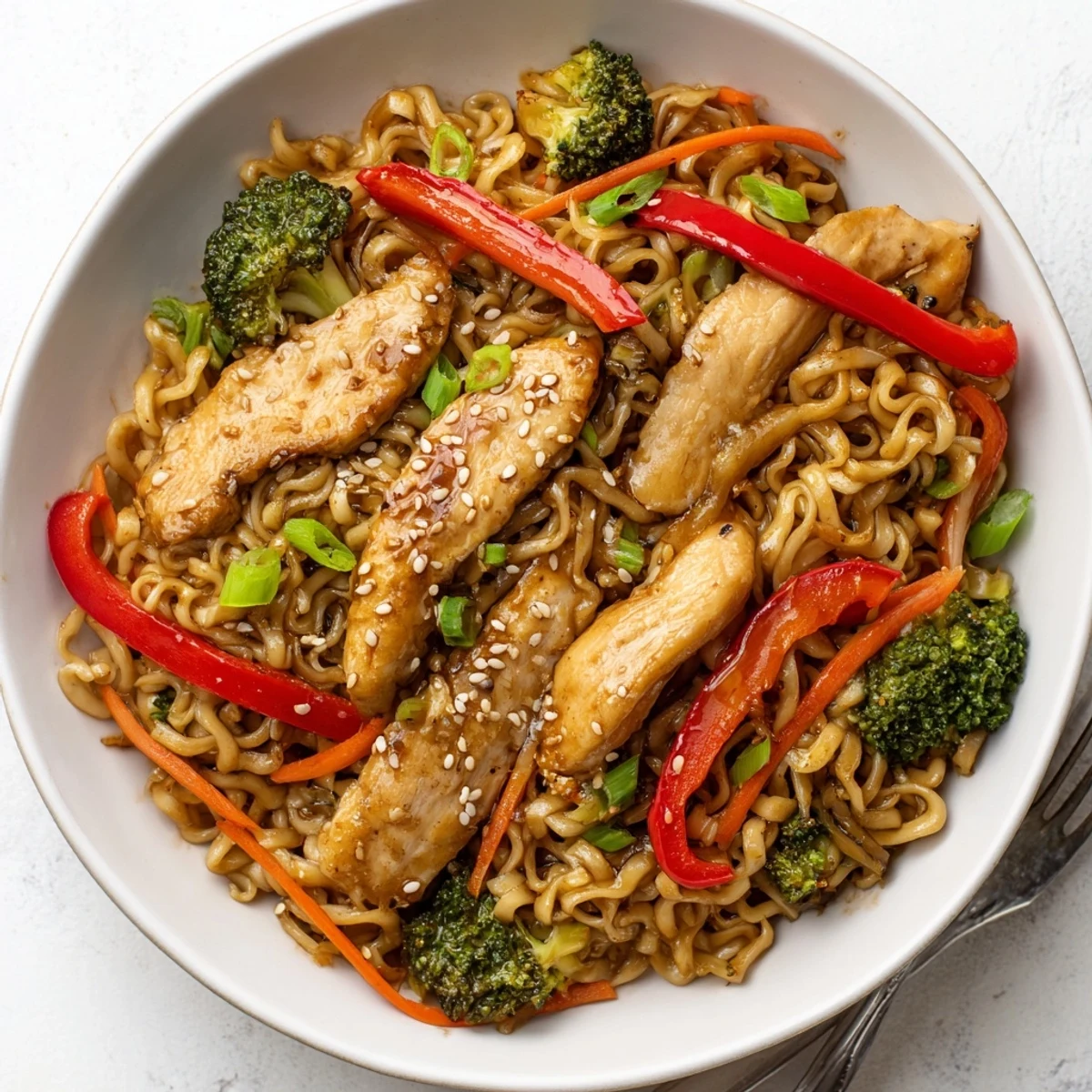
 Whisk a honey-soy blend with oyster and hoisin, then cook ramen briefly and rinse to stop carryover cooking. Stir-fry thin chicken slices in hot oil until browned, remove; sauté garlic, bell pepper, broccoli and carrot until crisp-tender. Return chicken, add noodles, green onions and sauce, tossing over high heat until glossy. Finish with sesame seeds and a splash of sesame oil; swap tofu or shrimp as desired.
The wok was still spitting oil when my roommate walked into the kitchen, drawn by the smell of garlic and soy caramelizing together like some kind of delicious trap. I tossed in the ramen noodles, sauce dripping off the edges, and honestly it looked like a beautiful disaster. Thirty minutes later we were both scraping the bottom of the pan with our chopsticks, not willing to let a single strand go to waste. That is the power of a stir fry that knows exactly what it wants to be.
I started making this on nights when cooking felt like a chore but delivery felt like a surrender. There is something deeply satisfying about the sizzle of chicken hitting a hot pan and the way broccoli turns bright emerald in seconds. My sister called it restaurant quality the first time I made it for her, and she does not hand out compliments easily.
Ingredients
- 2 boneless, skinless chicken breasts, thinly sliced: Slice against the grain for tenderness and cut pieces evenly so everything cooks at the same rate.
- 1 red bell pepper, thinly sliced: The sweetness balances the salty depth of the sauce beautifully.
- 1 cup broccoli florets: Cut them small so they cook quickly and absorb more flavor from the sauce.
- 1 carrot, julienned: Adds a bright crunch and a pop of color that makes the whole dish look vibrant.
- 3 green onions, sliced: Hold a few back for garnish at the end for a fresh bite.
- 2 cloves garlic, minced: Fresh garlic makes a noticeable difference here so skip the jarred stuff if you can.
- 2 packs instant ramen noodles (discard seasoning packets): Those cheap noodle blocks are surprisingly perfect for stir frying because they hold their texture.
- 1/4 cup low-sodium soy sauce: Low-sodium lets you control the salt level without losing that umami backbone.
- 2 tablespoons oyster sauce: This is the secret weapon that gives the sauce its glossy, restaurant-style richness.
- 1 tablespoon hoisin sauce: Adds a subtle sweetness and complexity that ties everything together.
- 1 tablespoon honey: Helps the sauce caramelize slightly when it hits the hot pan.
- 1 teaspoon sesame oil: A little goes a long way and it finishes the dish with that toasty aroma.
- 2 tablespoons vegetable oil: Use a neutral oil that can handle high heat without burning.
- 1 tablespoon sesame seeds (optional, for garnish): Toasted sesame seeds add a nutty crunch on top.
Instructions
- Whisk the sauce together:
- Combine the soy sauce, oyster sauce, hoisin, honey, and sesame oil in a small bowl and give it a good whisk until the honey blends in smoothly. Set it near the stove so it is ready to go when things move fast.
- Cook and drain the noodles:
- Boil the ramen according to the package directions but pull them one minute early so they stay slightly firm. Rinse immediately with cold water to stop the cooking and keep them from turning mushy in the stir fry.
- Sear the chicken:
- Heat one tablespoon of vegetable oil in your wok or large skillet over medium-high heat until it shimmers. Spread the chicken in a single layer and let it brown undisturbed for about two minutes before stirring, then cook until no pink remains and remove to a plate.
- Stir fry the vegetables:
- Add the remaining oil to the same pan and toss in the garlic, bell pepper, broccoli, and carrot. Keep things moving for three to four minutes until the vegetables are just tender but still have some bite left.
- Bring it all together:
- Return the chicken to the pan along with the noodles, green onions, and all of that sauce. Toss everything vigorously for two to three minutes until every noodle is coated and glistening and the whole kitchen smells incredible.
- Serve immediately:
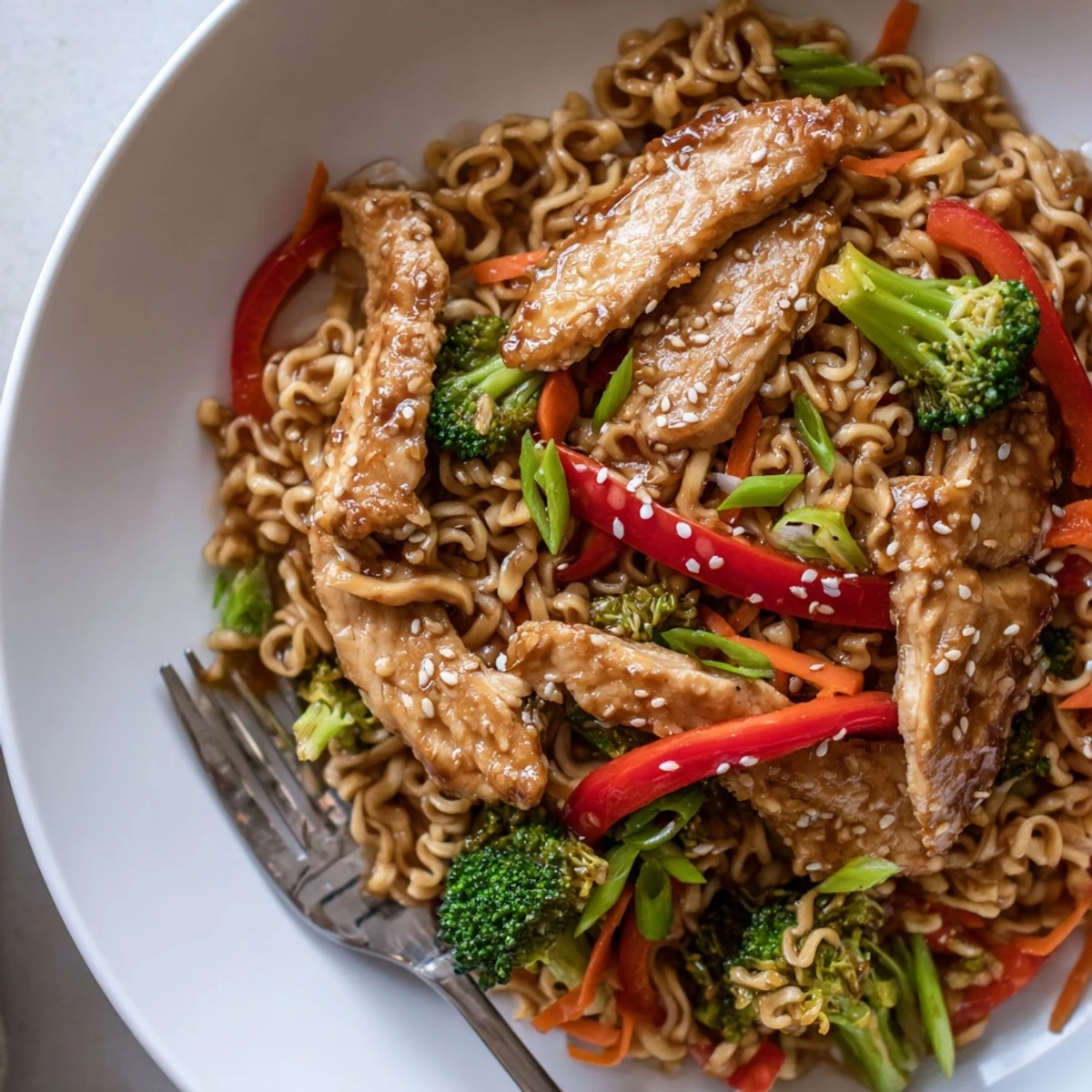
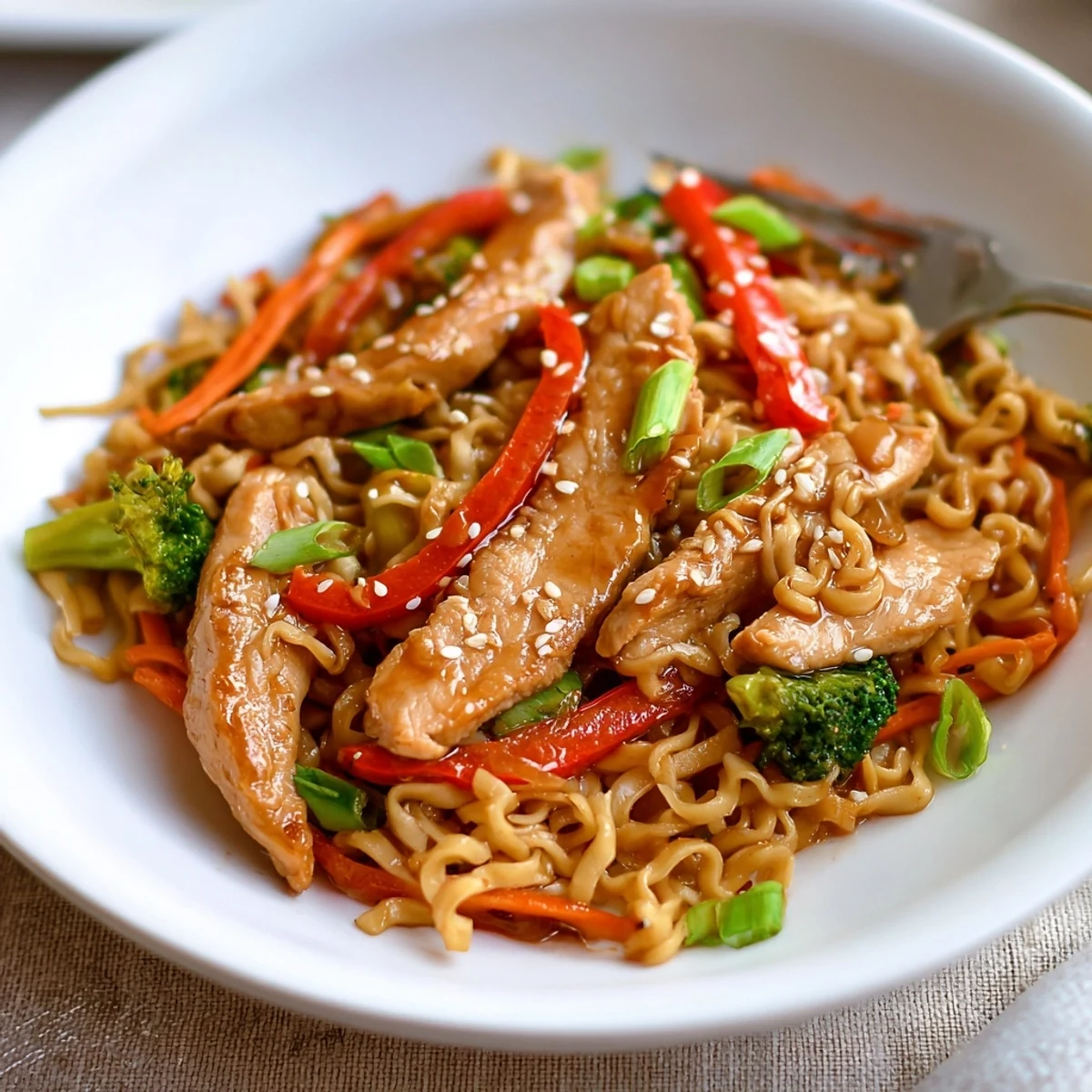
- Slide everything onto plates or into bowls and sprinkle with sesame seeds while it is still steaming hot. This dish waits for no one so call everyone to the table before you plate it.
 Pin It
 The night I made this for a group of friends during a summer power outage, we cooked it on a camp stove on the balcony and ate it by candlelight. Nobody complained about the heat or the dark because everyone was too busy going back for seconds.
Swaps and Additions
This recipe is forgiving by nature and that is what makes it a keeper. I have tossed in mushrooms when the broccoli looked sad at the store and added snap peas when they were on sale. Shrimp cooks even faster than chicken so that is a great option when you are really pressed for time and tofu pressed and cubed gets beautifully crispy in the same pan.
What to Drink With It
A cold Riesling cuts through the richness of the sauce with its bright acidity and a light lager is basically made for noodle dishes. I once paired it with a dry sparkling sake on a whim and now that is my go-to when I want to feel a little fancy on a Tuesday night.
Getting Ahead and Storing Leftovers
You can prep all the vegetables and slice the chicken the night before to make the actual cooking feel effortless. Leftovers store well in the refrigerator for up to three days and reheat beautifully in a hot skillet with a splash of water.
- Avoid the microwave if you can because the noodles will soften too much and lose that satisfying chew.
- A splash of soy sauce added while reheating wakes the flavors right back up.
- This dish is best eaten fresh so try to cook only what you need for the night.
 Pin It
 Some recipes earn a permanent spot in your rotation not because they are fancy but because they show up for you on the nights you need them most. Keep a couple packs of ramen and some chicken in the freezer and dinner is never more than half an hour away.
Recipe Questions
- → How do I keep the noodles from getting soggy?
-
Cook ramen a minute shorter than package directions and rinse under cold water to stop cooking. Toss noodles into the hot pan at the end and stir-fry briefly over high heat so they stay springy.
- → Can this be made gluten-free?
-
Yes. Use gluten-free noodles and tamari in place of soy sauce. Replace oyster sauce with a gluten-free alternative or extra hoisin if needed, and check all labels for hidden gluten.
- → What’s the best way to slice the chicken?
-
Slice across the grain into thin strips for tenderness and quick cooking. Chill the chicken for 15 minutes first to firm it, or partially freeze for easier slicing.
- → How should I reheat leftovers to preserve texture?
-
Reheat in a skillet over medium-high heat with a splash of oil or water, tossing until hot. Avoid microwaving for long periods to prevent the noodles and vegetables from becoming soggy.
- → Which vegetables work well as substitutes or additions?
-
Snow peas, snap peas, mushrooms, baby corn or bok choy all pair nicely. Add firmer vegetables earlier and delicate ones like green onions at the end to retain texture.
- → How can I adjust the sauce for more heat or sweetness?
-
Add chili flakes, sriracha, or a dash of chili oil for heat. For sweetness, increase honey slightly; balance excessive sweetness with a splash of rice vinegar or lime juice.