
 Pin It
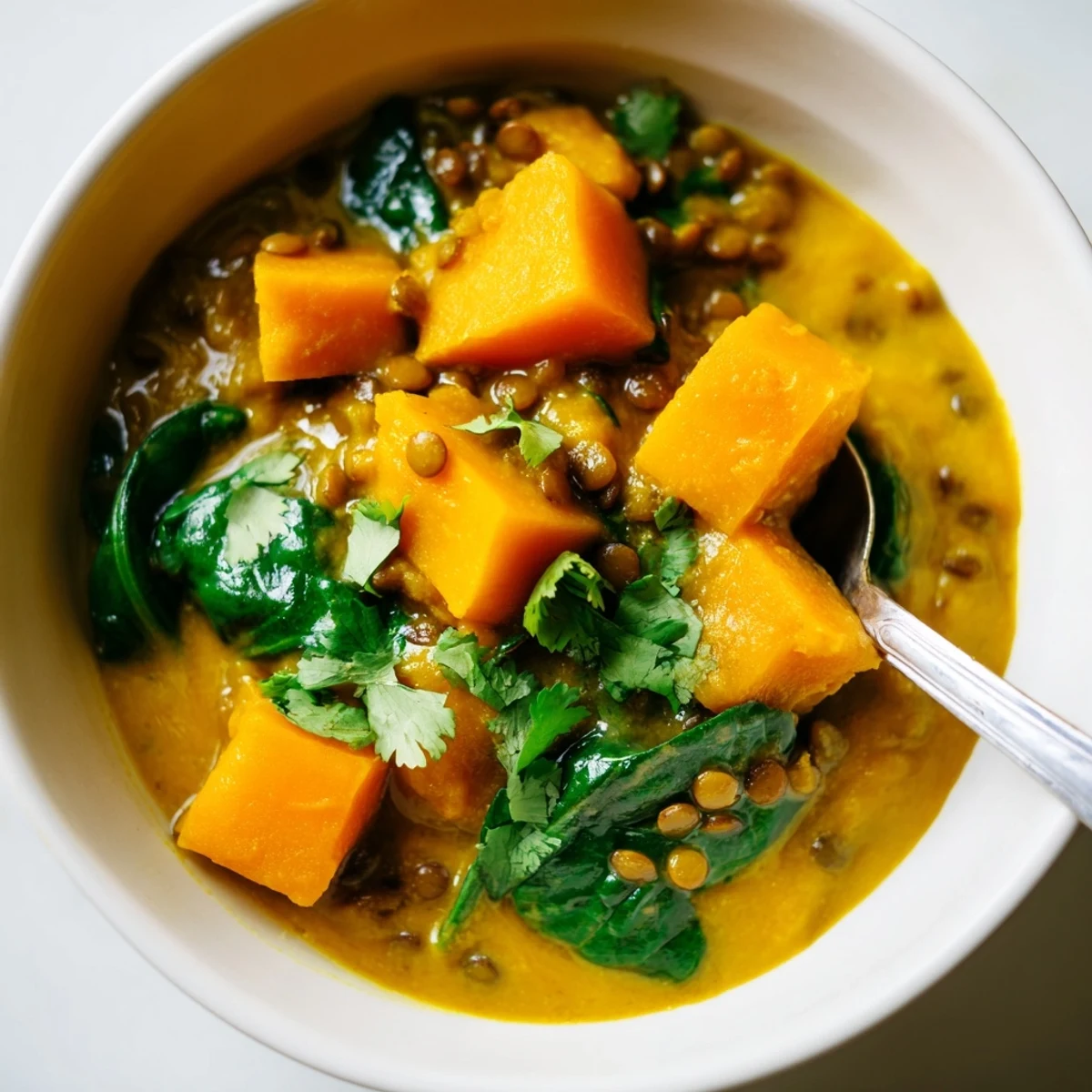
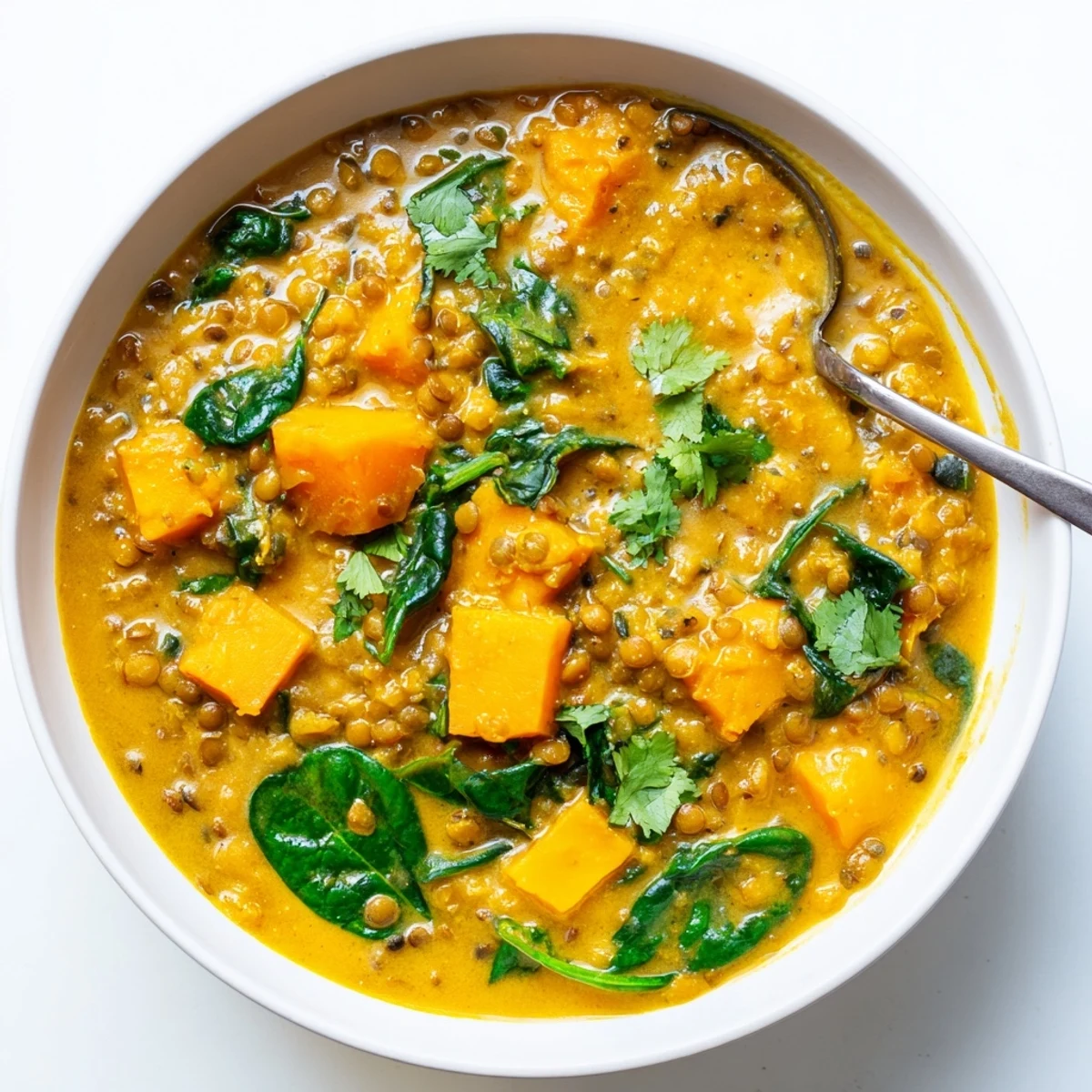
 This dish features tender cubes of butternut squash and red lentils cooked slowly in fragrant curry spices and rich coconut milk. Aromatic onions, garlic, ginger, and a blend of turmeric, cumin, and cinnamon build a warming base. Simmered to meld flavors and finished with fresh cilantro and lime, it offers a wholesome, comforting experience that suits vegan and gluten-free diets. Perfect served alongside basmati rice or naan.
There's something about the smell of spices hitting hot oil that makes me pause whatever I'm doing. One autumn afternoon, I was standing in my kitchen feeling uninspired by the usual weeknight options when I remembered a friend mentioning how butternut squash turns almost creamy in curry. I didn't have a plan, just a squash on the counter and a hunch that lentils and coconut milk would make magic together. Fifty minutes later, I had a bowl of something so comforting I've made it at least once a week since.
I made this for a friend who'd been through a rough week, and watching their whole face soften after that first spoonful reminded me why I cook at all. They asked for the recipe immediately, and now it's their comfort meal too. That's when a recipe stops being instructions and becomes something you pass on.
Ingredients
- Butternut squash: Cut into 1-inch cubes so it cooks evenly without becoming mushy; the sweetness balances the earthy spices beautifully.
- Onion: Chopped fine so it practically melts into the sauce and becomes the foundation of everything else.
- Garlic and ginger: Minced together, they're the aromatic backbone that makes this feel authentically spiced rather than flat.
- Tomatoes: Diced fresh, they add brightness and acid that keeps the curry from tasting one-note.
- Baby spinach: Optional, but it wilts in at the end and adds a quiet earthiness if you want it.
- Red lentils: Rinsed well; they'll soften completely into the curry without any grit.
- Coconut milk: Full-fat is non-negotiable here; it's what makes this rich and craveable.
- Vegetable broth: This dilutes the coconut milk enough so the curry simmers gently rather than seizing up.
- Curry powder, cumin, turmeric, cinnamon: Toasted briefly in oil before the liquid goes in, so they bloom and deepen instead of tasting dusty.
- Chili flakes: Keep them optional; you can always add heat but you can't take it back.
- Vegetable oil: Use something neutral that won't compete with the spices.
- Fresh cilantro and lime: The finishing touches that make each spoonful bright and alive.
Instructions
- Heat your oil and soften the onion:
- Pour oil into your pot over medium heat and let it warm for a few seconds. Add the chopped onion and listen for that gentle sizzle as you stir; after about 3-4 minutes it should turn golden and nearly transparent, which means it's ready to build on.
- Wake up the aromatics:
- Stir in the garlic and ginger, and you'll smell the difference immediately. Let them cook for just a minute until the rawness mellows and the fragrance fills your kitchen.
- Toast the spices:
- Add all your spices at once and keep stirring for a full minute; you'll notice the smell shifts from sharp to warm and toasted, which is exactly what you want.
- Add the tomatoes:
- Stir in your diced tomatoes and cook for 2 minutes until they begin to break down and release their juice into the pan.
- Combine squash and lentils:
- Add the cubed butternut squash and rinsed lentils, stirring so every piece gets coated in those spiced oils.
- Pour in the liquids:
- Add the coconut milk and vegetable broth, season generously with salt and pepper, and give everything a good stir to combine.
- Simmer gently:
- Bring the curry to a boil, then lower the heat and cover. Let it bubble quietly for 25-30 minutes, stirring occasionally, until the squash is completely tender and the lentils have softened into the sauce.
- Finish with spinach:
- If you're using it, stir in the spinach in the last 2 minutes and watch it wilt into the warm curry.
- Taste and adjust:
- Taste a spoonful and decide if it needs more salt, more lime, or a bit more heat from the chili flakes.
 Pin It
 I still remember my sister saying this was the first curry she'd felt confident making on her own, and that made me realize something: a good recipe shouldn't intimidate, it should invite. Every time someone tells me they made this, it feels like passing down something small but real.
The Squash and Lentil Pairing
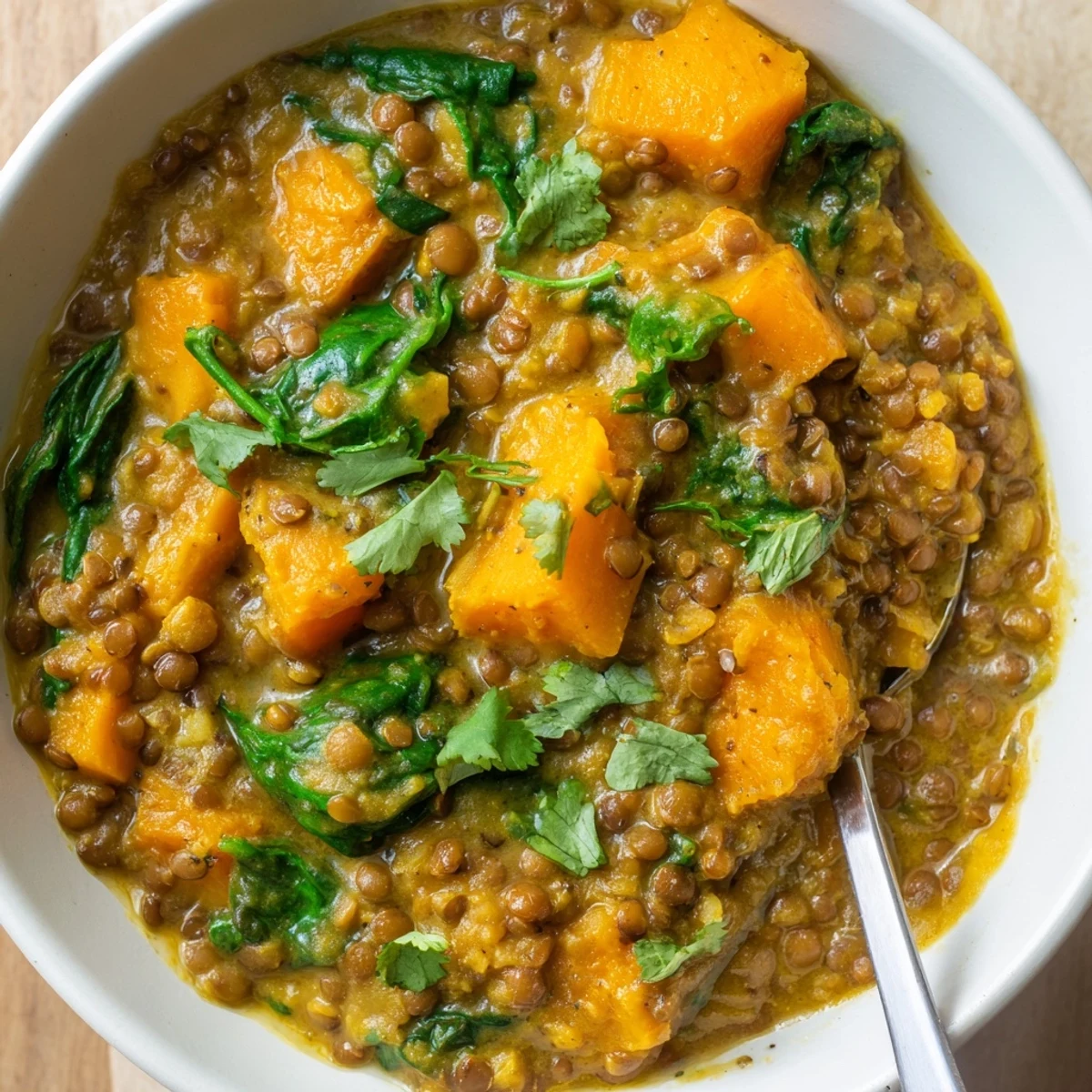
Butternut squash has a quiet sweetness that coconut milk enhances rather than masks, and red lentils break down into the sauce so gradually that you almost don't notice when they disappear. They become part of the texture rather than a separate ingredient, which is exactly why this combination works so well together.
Serving and Storage
Serve this hot with steamed basmati rice or warm naan, and let people squeeze fresh lime over their bowl right at the table. The cilantro isn't just decoration; it cuts through the richness and reminds your mouth that this is alive and bright.
This curry actually tastes better on day two or three, when the spices have had time to settle into the squash and lentils. Keep it refrigerated in a covered container for up to three days, and it reheats gently on the stovetop with just a splash of broth if it's thickened too much.
Ways to Make It Your Own
The beauty of this curry is how forgiving it is with variations. Add cubed tofu or chickpeas if you want extra protein, increase the chili flakes if heat is your love language, or leave out the spinach if it's not in your house. You could swap the red lentils for green lentils if you prefer them to hold their shape, or add a handful of diced sweet potato alongside the squash.
- If you have extra ginger or garlic, use it; more never hurts in a curry.
- A squeeze of tamarind paste or a splash of lime juice at the end adds complexity if you want it.
- Coconut milk varies in thickness from brand to brand, so add your broth slowly and adjust until the consistency feels right to you.
 Pin It
 This curry has become the meal I make when I want to feed someone without fussing, and that's the highest compliment I can give a recipe. It's simple enough that even cooking brings a little quiet joy instead of stress.
Recipe Questions
- → Can I substitute the red lentils with another legume?
-
Yes, yellow lentils or split peas can work similarly, but cooking times may vary slightly.
- → How can I adjust the spice level to be milder?
-
Reduce or omit chili flakes and opt for mild curry powder to soften the heat.
- → What are good side dishes for this meal?
-
Steamed basmati rice or warm naan bread complement the rich flavors well.
- → Can I add greens to this dish?
-
Yes, baby spinach stirred in near the end adds color and nutrients without overpowering the flavor.
- → What cooking equipment is recommended?
-
A large pot or Dutch oven is ideal for even heat distribution and proper simmering.