
 Pin It
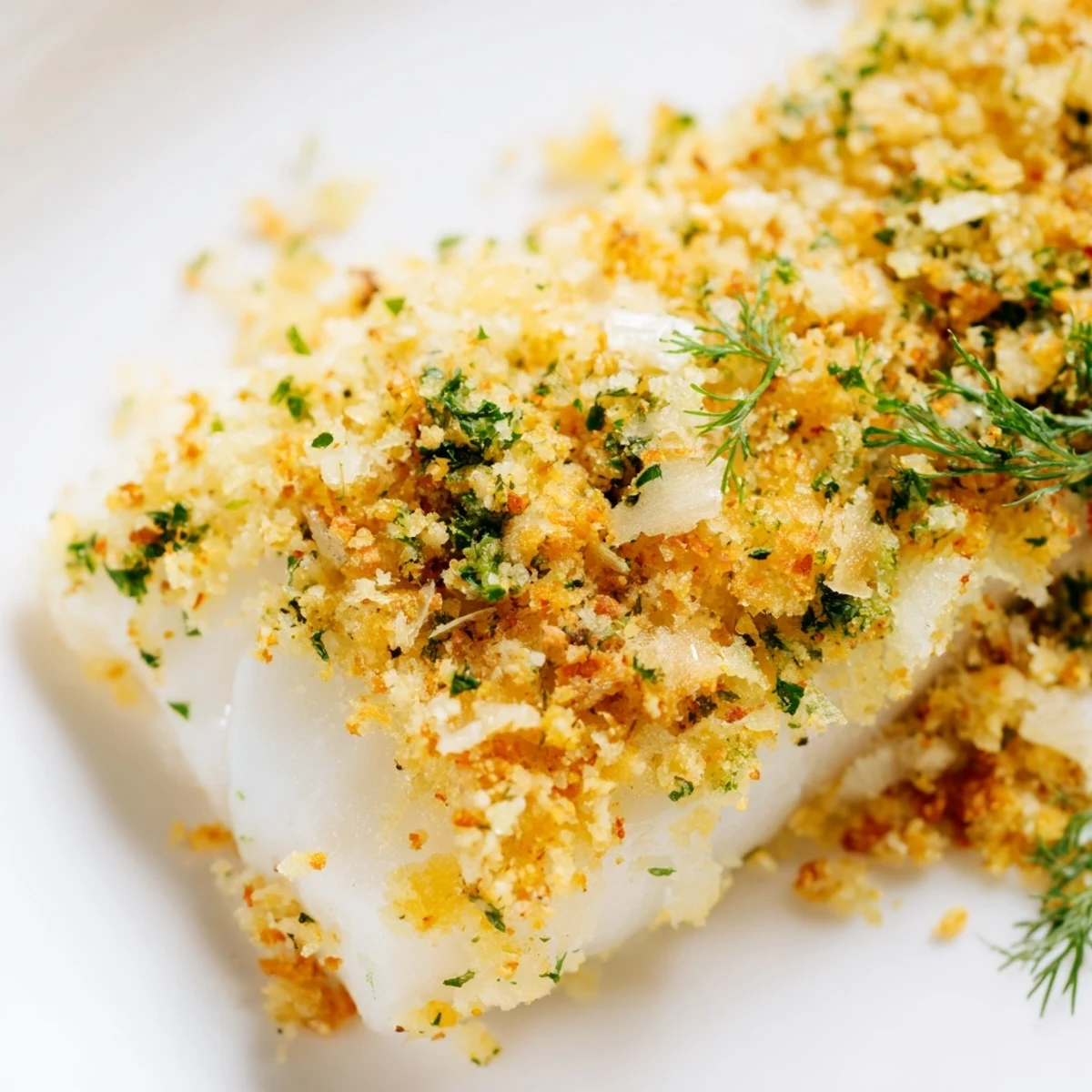
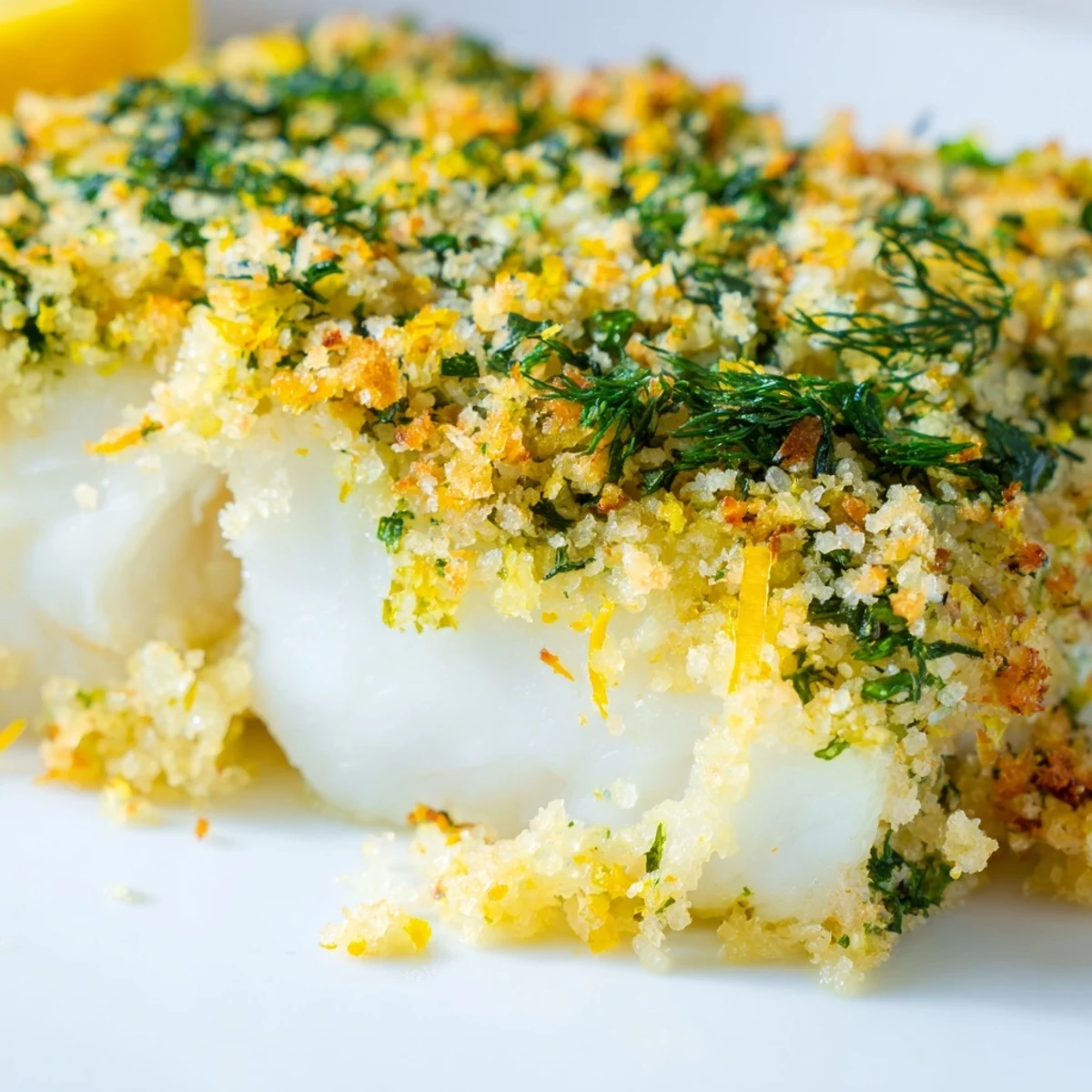
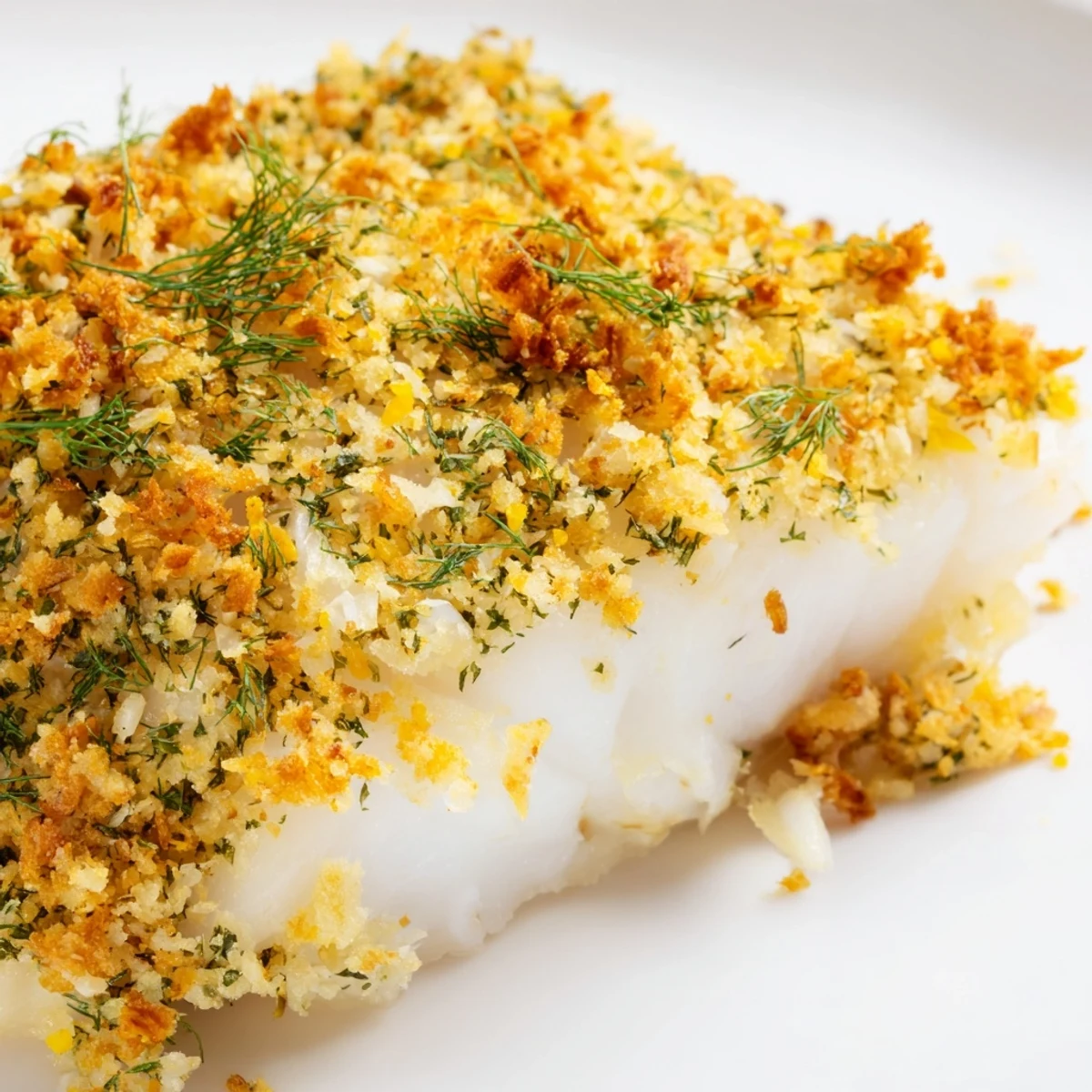
 This dish features flaky white cod under a crunchy panko topping loaded with parsley, dill, and bright lemon zest. It bakes quickly, creating a satisfying texture contrast without heavy frying. Perfect for a simple weeknight meal, it pairs beautifully with steamed vegetables or a fresh salad for a nutritious table spread.
There's something about the smell of lemon zest hitting hot oil that stops me mid-thought every single time. Years ago, I was cooking for someone who claimed they didn't eat fish, and I made this dish anyway—partly stubbornness, partly faith that crispy breadcrumbs and bright herbs could change minds. It worked. Now whenever I make baked cod, I'm transported back to that moment of quiet victory, watching someone realize they'd been wrong about an entire category of food.
I learned this recipe during a summer when I was experimenting with ways to cook fish that didn't involve butter or cream. My kitchen was hot, my patience was thin, and I needed something that felt restaurant-quality but could happen on a weeknight. This panko topping became my trick—fragrant, textured, impossible to mess up.
Ingredients
- Cod fillets (4, about 6 oz each): Mild, flaky, and forgiving—they cook gently and won't overpower delicate herbs.
- Panko breadcrumbs (3/4 cup): The larger crumbs stay crispy where regular breadcrumbs would turn mushy; they toast golden without burning.
- Fresh parsley and dill: Parsley brings brightness; dill adds an anise-like note that makes lemon sing even louder.
- Lemon zest (1 whole lemon): This is non-negotiable—it oils itself and releases bitter compounds if you use juice instead, so always zest fresh.
- Parmesan cheese (2 tablespoons, optional): Adds umami depth that makes people wonder what the secret ingredient is.
- Garlic (1 clove, minced): Raw garlic in a cool topping means it stays sharp and present, not mellow.
- Olive oil (3 tablespoons): This is what binds everything into a cohesive, golden crust—don't skimp or substitute.
Instructions
- Prepare your workspace:
- Preheat your oven to 400°F and lightly oil a baking dish just large enough to fit your fillets in a single layer. This matters more than you'd think—a cramped dish traps steam and makes the topping soggy.
- Dry and season the fish:
- Pat each fillet thoroughly with paper towels until it's genuinely dry, then season both sides with salt and pepper. Moisture is the enemy of crispiness, and this step is where it all begins.
- Build the crust:
- Combine panko, herbs, lemon zest, Parmesan, minced garlic, olive oil, salt, and pepper in a bowl until the mixture looks like damp sand. If it seems dry, add another half-tablespoon of oil—the coating should feel cohesive enough to stick to the fish.
- Crown each fillet:
- Divide the topping among the fillets and press gently so it adheres without compacting. You want it to look generous and rustic, not packed down.
- Bake until golden:
- Slide into the oven for 15 to 20 minutes—start checking at 15, looking for opaque flesh that flakes easily and a topping that's turned deep golden brown. The timing depends on fillet thickness, so trust your eyes more than the clock.
- Finish and serve:
- Remove from the oven and serve immediately with fresh lemon wedges so people can add brightness to taste.
 Pin It
 The first time someone asked for the recipe, I realized this simple dish had become something people actually wanted to recreate at home. That's when cooking stops feeling like a task and starts feeling like communication.
The Magic of Panko
Regular breadcrumbs absorb oil like a sponge and turn dense and heavy. Panko stays light because of how it's made—the crumbs are larger and airier, and they crisp instead of soften. Once you understand this difference, you'll start reaching for panko in everything.
Working with Fresh Herbs
Chopped fresh herbs in a raw topping taste completely different than the same herbs cooked down in a sauce. They stay bright and sharp, almost peppery, which is why they matter so much here. If you're using dried herbs out of necessity, use one-third the amount and know they'll taste more muted.
Timing and Temperature
Four-hundred degrees is the sweet spot—hot enough to crisp the topping and cook the fish through without drying anything out. At 375 degrees, everything takes too long and the topping never gets truly golden. At 425, you risk burning the breadcrumbs before the fish is opaque.
- Check for doneness by gently pressing the thickest part of the fillet; it should flake apart easily without resistance.
- If your fillets are unusually thin, reduce baking time to 12–15 minutes and watch carefully.
- Leftover fish reheats beautifully in a 350-degree oven for about 8 minutes, which is how you know you've cooked it right the first time.
 Pin It
 This is the kind of recipe that deserves to become a regular in your kitchen, not because it's complicated but because it works every time and tastes like you tried. Serve it with a cool white wine and whatever vegetables you have on hand, and call it dinner.
Recipe Questions
- → Can I use a different type of fish?
-
Yes, any mild white fish like tilapia, halibut, or haddock works well with this crispy topping.
- → How do I know when the cod is done?
-
The fish is ready when it is opaque throughout and flakes easily with a fork.
- → Can I make this gluten-free?
-
Absolutely, simply substitute the regular panko breadcrumbs with a certified gluten-free variety.
- → Can I prepare the topping ahead of time?
-
Yes, you can mix the panko, herbs, and oil a few hours ahead and keep it refrigerated until baking.
- → What should I serve with this dish?
-
It pairs excellently with roasted asparagus, a fresh green salad, or steamed rice.