
 Pin It
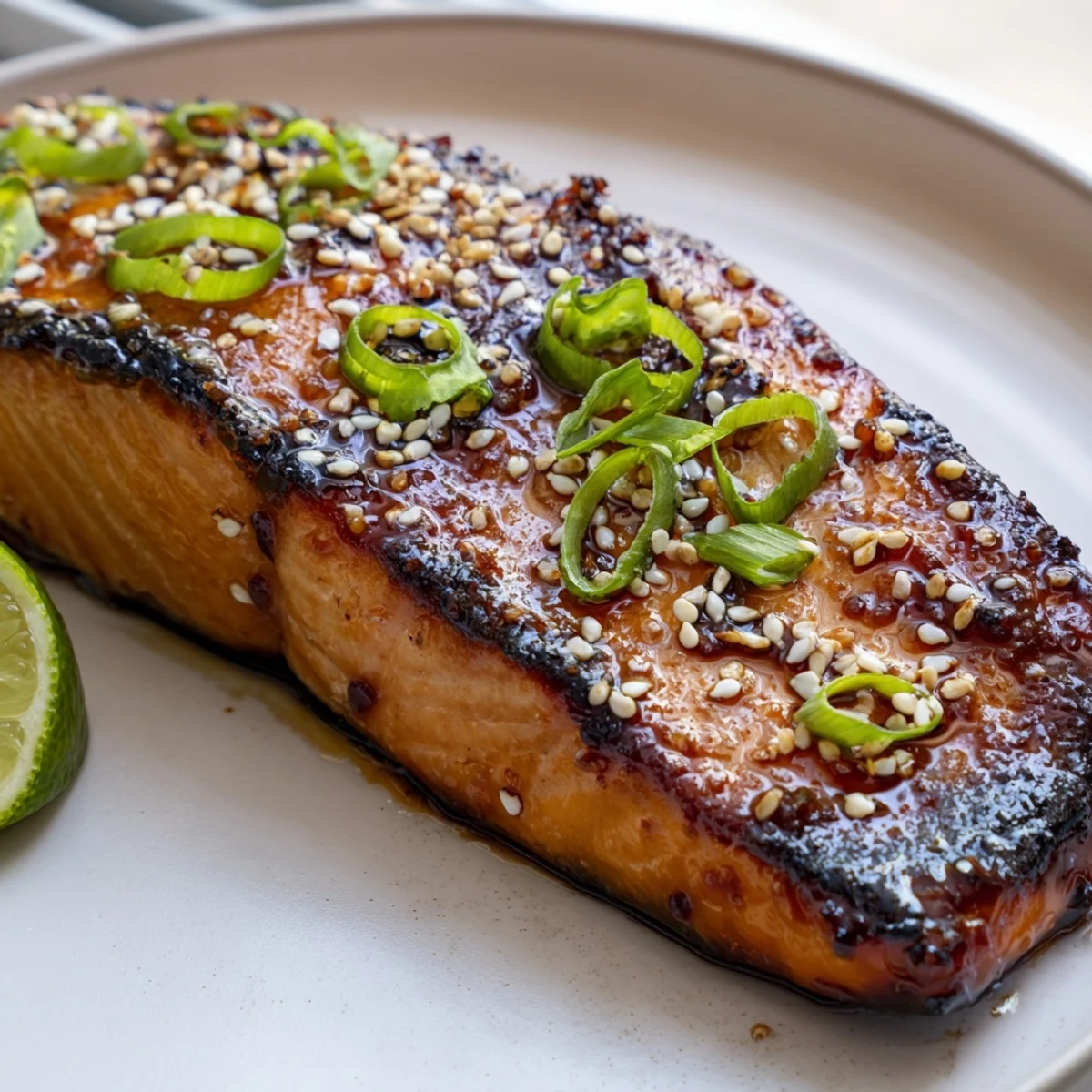
 This baked Asian salmon features tender fillets coated in a savory-sweet marinade of soy sauce, honey, rice vinegar, sesame oil, garlic, and ginger.
After a brief 10-minute marinade, the salmon bakes at 200°C for 15–18 minutes until perfectly flaky with a lightly caramelized glaze.
Finished with toasted sesame seeds, sliced scallions, and a squeeze of fresh lime, it's a vibrant main dish that pairs beautifully with steamed jasmine rice or sautéed bok choy.
The smell of toasted sesame oil hitting a hot pan is one of those scents that immediately pulls me into the kitchen, curious and hungry. My sister introduced me to this baked Asian salmon on a rainy Tuesday when we had nothing planned and even less patience for complicated cooking. We stood side by side at the counter, whisking together whatever sauces we could find in the door of the fridge, and somehow landed on something unforgettable. That dish has since become my most reliable weeknight dinner, the one I reach for when I want maximum flavor with almost no effort.
One evening my neighbor knocked on the door right as I pulled the salmon from the oven, and the aroma drifting through the hallway did all the inviting for me. She ended up staying for dinner, and we sat at the kitchen counter eating straight from the baking tray with forks and a pile of steamed rice between us. There is something about a dish that makes people want to pull up a chair and stay a while.
Ingredients
- Salmon fillets: Four skin on pieces around 150 grams each work best because the skin protects the flesh and keeps it moist during baking.
- Low sodium soy sauce: Use tamari if you need gluten free, and always go low sodium so you control the salt level rather than the bottle.
- Honey or maple syrup: Honey gives a deeper floral sweetness while maple syrup keeps things vegan friendly and adds a subtle earthiness.
- Rice vinegar: This provides the gentle acidity that balances the richness of the salmon without overpowering the glaze.
- Toasted sesame oil: A little goes a long way and it is the one ingredient you should never skip because it defines the entire flavor profile.
- Garlic and fresh ginger: Finely mince the garlic and grate the ginger on a microplane so they melt into the marinade rather than chunking up.
- Sesame seeds and scallions: These are your finishing touches that add crunch, color, and a fresh bite right at the end.
- Lime wedges: A squeeze of lime over the top brightens every single element on the plate.
Instructions
- Get the oven ready:
- Preheat to 200 degrees Celsius or 400 degrees Fahrenheit and line a baking tray with parchment paper so cleanup is effortless.
- Whisk the glaze:
- In a medium bowl, combine the soy sauce, honey, rice vinegar, sesame oil, garlic, and ginger, whisking until the honey dissolves and everything smells incredible.
- Coat the salmon:
- Place the fillets skin side down on the tray and spoon or brush the marinade generously over each piece, making sure every edge gets attention.
- Let it rest:
- Give the salmon ten minutes at room temperature to soak in the flavors while the oven finishes heating.
- Bake until golden:
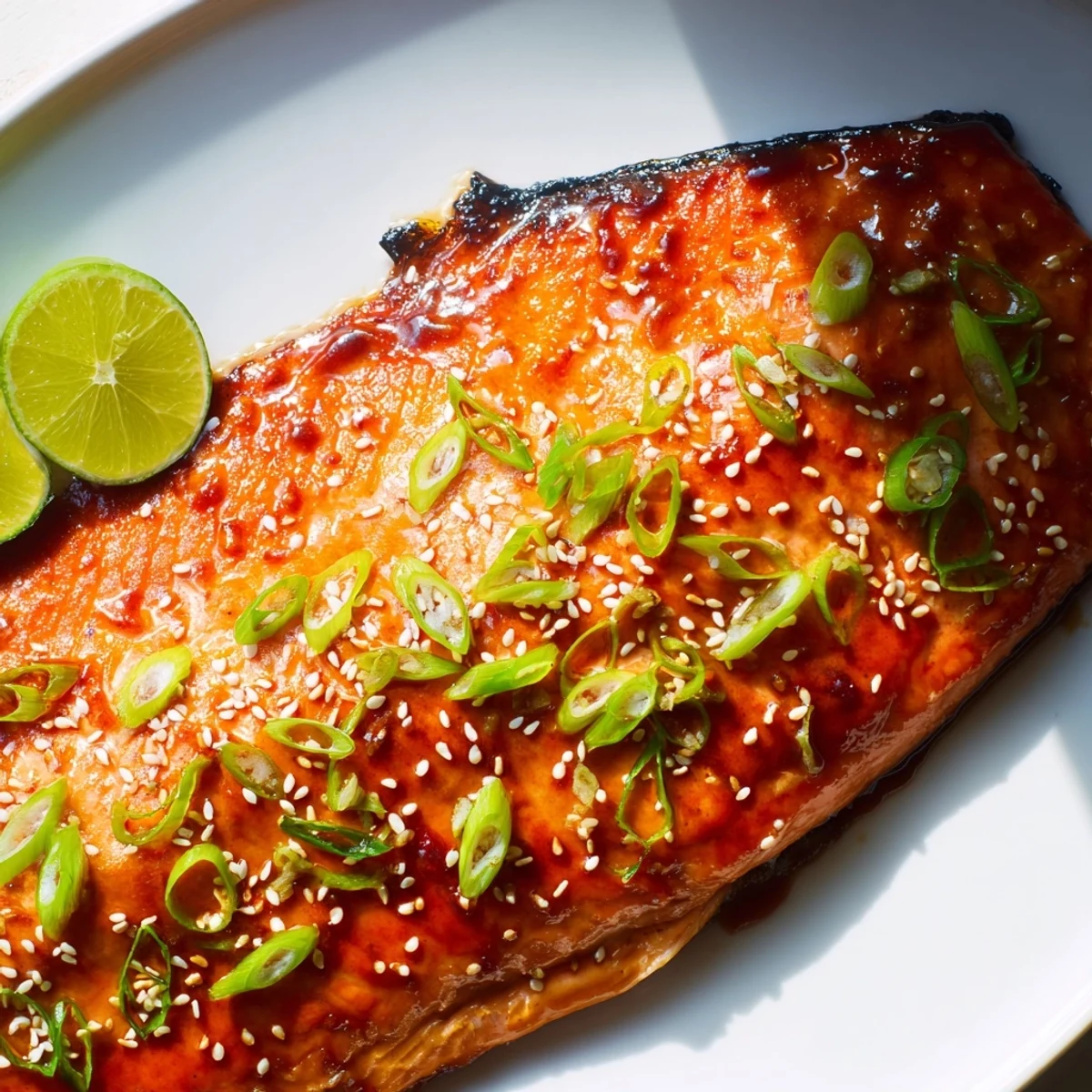
- Cook for fifteen to eighteen minutes until the fish flakes easily with a fork and the glaze turns slightly caramelized and sticky on top.
- Finish and serve:
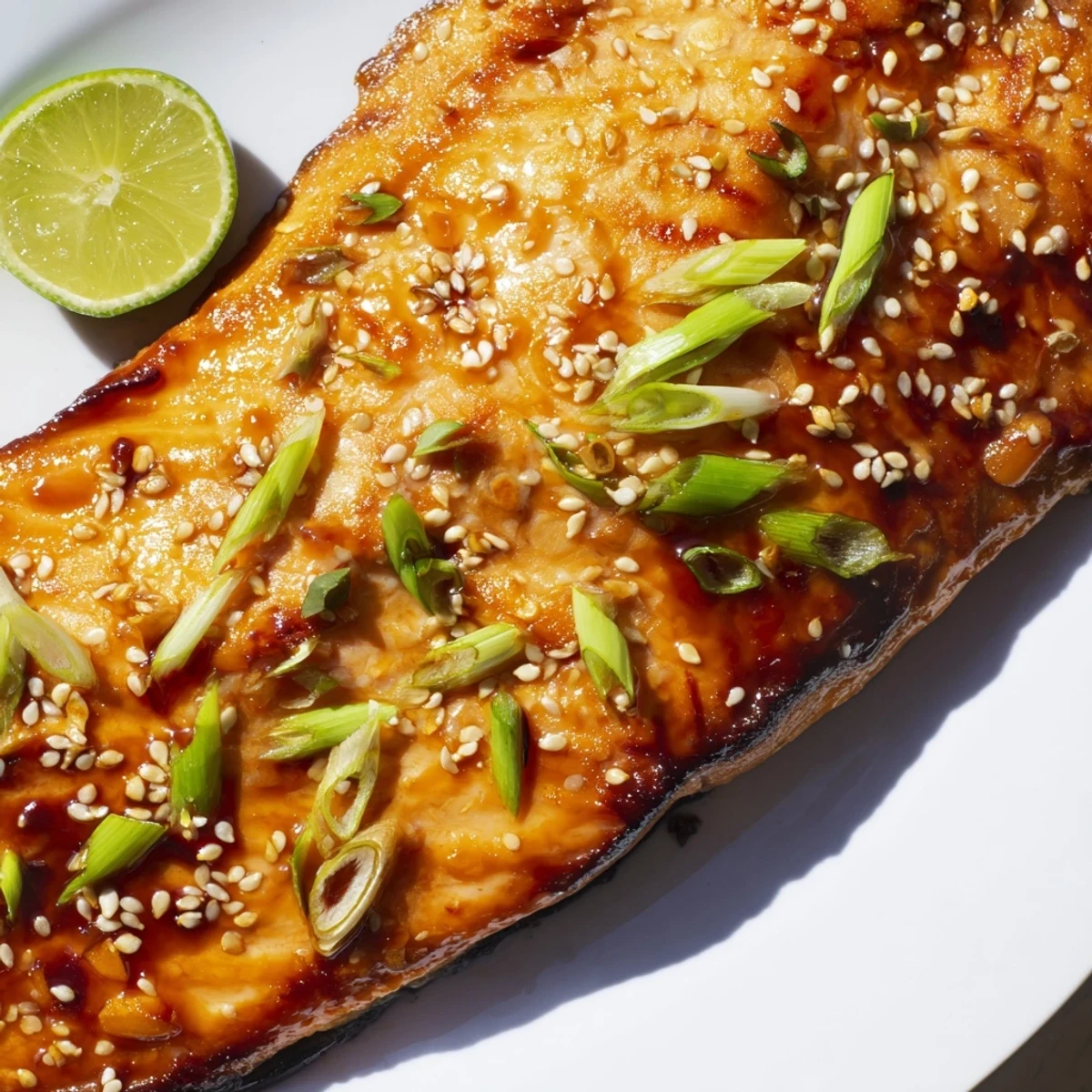
- Transfer to plates, scatter sesame seeds and sliced scallions over the top, and hand everyone a lime wedge for squeezing.
 Pin It
 I once packed leftovers of this salmon cold into a lunchbox with some rice and bok choy, and ate it on a park bench during a busy workday. It tasted even better than the night before, which is when I knew this recipe was a true keeper.
What to Serve Alongside
Steamed jasmine rice is the obvious choice because it soaks up every drop of the sticky glaze, but a bed of sauteed bok choy or even a simple cucumber salad works just as well. I have also served it over cold soba noodles in summer and it was a completely different, equally satisfying experience. Choose whatever makes you happy and fits the season.
Making It Your Own
A pinch of chili flakes in the marinade adds a gentle warmth that does not overpower but makes you notice something extra. My partner prefers a heavier hand with the ginger, almost doubling it, and the result is punchy in the best way. This recipe welcomes small personal adjustments like that without falling apart.
Storing and Reheating
Leftovers keep well in an airtight container in the fridge for up to two days and reheat gently in a low oven or even eaten cold. The glaze may darken slightly but the flavor holds up beautifully.
- Avoid microwaving on high because it will cook the fish further and dry it out.
- Flake any remaining salmon over a salad the next day for an effortless lunch.
- Always check for bones before storing leftovers, especially if serving to children.
 Pin It
 This is the kind of recipe that earns a permanent spot in your rotation because it asks almost nothing of you and gives everything back. Make it once, and you will find yourself reaching for it again on the nights you thought you were too tired to cook.
Recipe Questions
- → What temperature should I bake Asian salmon at?
-
Bake the salmon at 200°C (400°F) for 15–18 minutes, or until the fish flakes easily with a fork and the glaze has slightly caramelized on top.
- → Can I make this salmon gluten-free?
-
Yes, simply substitute regular soy sauce with tamari or a certified gluten-free soy sauce. The rest of the ingredients are naturally gluten-free.
- → How long should I marinate the salmon before baking?
-
A 10-minute marinade at room temperature works well for a quick dinner. For deeper flavor, you can marinate the salmon for up to 30 minutes before baking.
- → What sides go well with baked Asian salmon?
-
Steamed jasmine rice and sautéed bok choy are excellent pairings. You could also serve it with stir-fried vegetables, quinoa, or a simple cucumber salad.
- → Can I use maple syrup instead of honey in the glaze?
-
Absolutely. Maple syrup works as a direct substitute for honey and also makes the dish vegan-friendly while adding a slightly different depth of sweetness.
- → How do I know when the salmon is fully cooked?
-
The salmon is done when it flakes easily when gently pressed with a fork. The internal temperature should reach 63°C (145°F) for perfectly moist, tender fillets.