
 Pin It
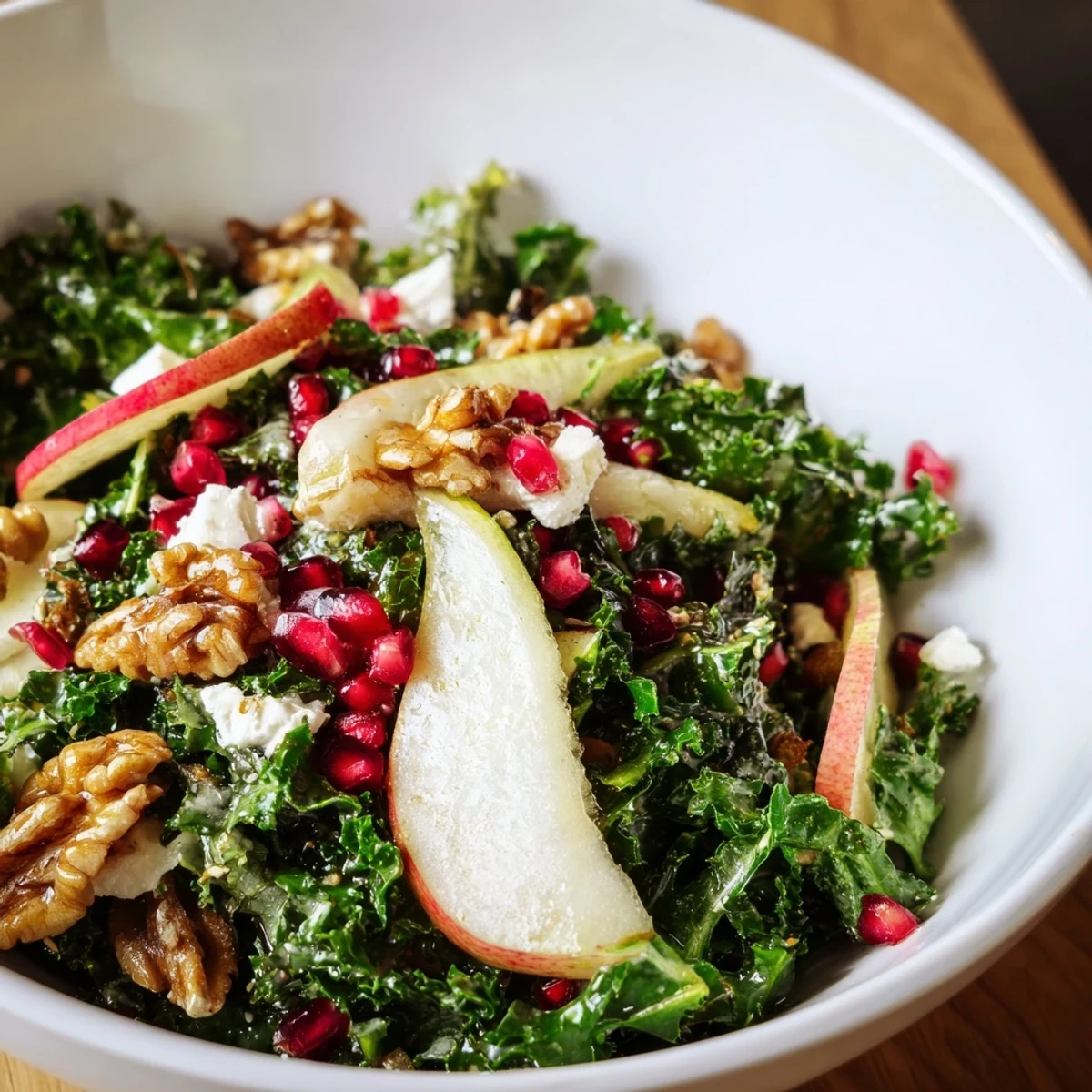
 This salad combines tender winter greens with sweet, thinly sliced pears and toasted walnuts, all brought together by a balanced vinaigrette featuring olive oil, apple cider vinegar, Dijon mustard, and a touch of honey. Optional crumbled cheese and pomegranate seeds add layers of flavor and texture. Quick to prepare and perfect as a light meal or starter, it can be easily adapted for vegan diets by omitting cheese or using plant-based alternatives. Toasting walnuts enhances their crunch and depth, complementing the crisp greens and juicy fruit for a refreshing, satisfying dish.
There's something about late afternoons in winter when the light turns golden and you realize you haven't eaten properly all day. A friend stopped by with a bag of just-picked pears, and I found myself instinctively reaching for the dark greens in my crisper drawer. That's when this salad was born—not from a recipe book, but from the simple collision of what was fresh and what my body actually craved. It's become my favorite way to eat seasonally without overthinking it.
I remember serving this to my parents on a December evening, and my mom—who normally just eats salad out of habit—actually asked for seconds. The pear juice had mingled with the vinaigrette, and everything tasted alive in a way that felt almost celebratory. That's when I knew this wasn't just another side dish.
Ingredients
- Mixed winter greens (120 g / 4 cups): Choose whatever speaks to you—kale is sturdy and earthy, arugula brings peppery bite, baby spinach melts almost immediately, and frisée adds delicate bitterness that transforms everything.
- Ripe pears (2): The sweetness and juiciness of a pear matters more than its perfection; a slightly bruised one often tastes better than a pristine supermarket version.
- Walnut halves (60 g / ½ cup): Toast them yourself for about 2 to 3 minutes in a dry skillet—the smell is incredible, and the flavor deepens in ways pre-roasted nuts simply can't match.
- Blue cheese or goat cheese (50 g / ½ cup, optional): This is where you introduce salt and funk; blue cheese brings drama, while goat cheese whispers instead of shouts.
- Extra virgin olive oil (3 tbsp): This is the backbone, so don't cheap out—use something you'd actually taste in a spoonful.
- Apple cider vinegar (1 tbsp): It's milder than red wine vinegar and plays beautifully with pears, almost like they were meant to meet in a bowl.
- Dijon mustard (1 tsp): Acts as an emulsifier and brings a subtle sharpness that prevents the dressing from tasting one-dimensional.
- Honey or maple syrup (1 tsp): Rounds out the acidity and makes the dressing feel intentional rather than accidentally tart.
- Salt and freshly ground black pepper: Taste as you go—your hand is always the best measuring tool here.
- Pomegranate seeds (2 tbsp, optional): A flash of tartness and visual joy; not essential, but they make people pause and notice.
Instructions
- Build your vinaigrette first:
- In a small bowl, whisk olive oil, vinegar, Dijon mustard, honey, salt, and pepper until the oil and vinegar stop looking like enemies and start to emulsify—you'll notice the color shift almost immediately. It takes maybe 30 seconds, and this is where your dressing goes from watery to silky.
- Prepare your greens and fruit:
- Wash your greens only if they actually need it (bagged greens usually don't), then pile them into a large salad bowl. Slice your pears thinly just before mixing—they oxidize quickly, and a salad bowl actually protects them from browning better than sitting on a plate would.
- Bring everything together:
- Add your toasted walnuts to the greens, then pour that vinaigrette over everything and toss gently but thoroughly—you want each leaf coated, not drowning. The motion of tossing is meditative, honestly.
- Finish and serve immediately:
- Top with cheese and pomegranate seeds if using, then eat it right away before the greens start to surrender. This is not a salad that improves with sitting.
 Pin It
 I made this salad for a small lunch last week, and a friend who usually avoids greens cleaned her bowl and asked if I could teach her how. There's something powerful about food that makes people forget they're 'supposed to' like vegetables. It's just a salad, but it felt like a small victory.
Why Winter Greens Matter
Winter greens have a different character than summer ones—they're more robust, more willing to stand up to bold dressings and sharp flavors. There's also something psychologically important about eating things that actually grow in winter rather than reaching for sad tomatoes shipped from somewhere else. When you buy greens that are in season, they taste like the cook cared.
The Pear and Walnut Pairing
This combination isn't accidental—the sweetness of pears has always known how to talk to the earthiness of walnuts. It's the kind of pairing that shows up in fancy restaurants, but there's no magic trick here, just chemistry. Once you understand why they work together, you'll start seeing them appear in other dishes you create.
Making It Your Own
The beauty of this salad is that it's a framework, not a rigid rule. I've made it with apples instead of pears, with pecans when I didn't have walnuts, and even skipped the cheese because I ran out. Each version feels slightly different but equally satisfying, which is exactly how cooking should feel.
- For a vegan version, skip the cheese entirely or use a cashew-based alternative that brings creaminess without dairy.
- Pomegranate seeds can be swapped for dried cranberries or even a handful of toasted seeds if you want that tartness and texture.
- If you ever have leftover salad, don't dress it until right before eating—undressed greens will last longer and taste better when you finally decide to eat.
 Pin It
 This salad has become my answer to the question 'What should I eat when I want something healthy but don't want to feel like I'm punishing myself.' It's proof that simple food, made with attention to each ingredient, is more satisfying than anything complicated ever could be.
Recipe Questions
- → What greens work best for this salad?
-
Mixed winter greens like kale, arugula, baby spinach, and frisée offer varied textures and flavors that complement the sweet pears.
- → Can I substitute the pears with another fruit?
-
Yes, apples make a great alternative, providing similar sweetness and crunch to balance the greens.
- → How can I enhance the flavor of the walnuts?
-
Lightly toasting walnuts in a dry skillet releases their oils and deepens their nutty aroma, adding more flavor and crunch.
- → What dressing is recommended for this combination?
-
A vinaigrette made with olive oil, apple cider vinegar, Dijon mustard, honey, salt, and pepper balances the freshness and sweetness beautifully.
- → Is it possible to make this dish vegan-friendly?
-
Absolutely, simply omit the cheese or swap it for a plant-based alternative without altering the core flavors.