
 Pin It
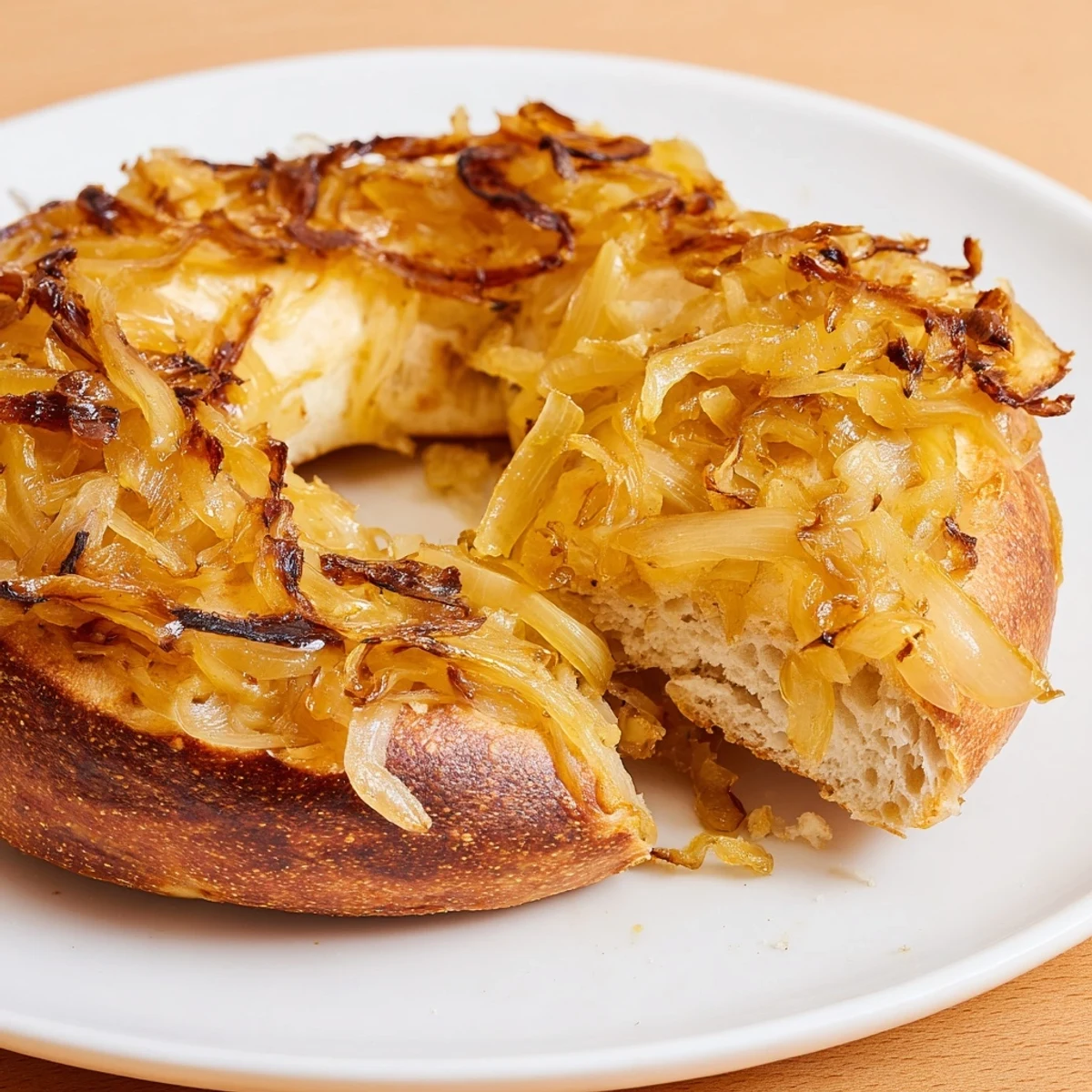
 Create bakery-quality sourdough onion bagels with a perfectly chewy texture and golden crust. These fermented beauties combine tangy sourdough starter with naturally sweet caramelized onions for depth of flavor. The overnight cold proof develops complex tang while creating that signature bagel chew. Boiling in malt syrup water ensures the shiny, blistered crust that artisan bagels are known for.
The process rewards patience—allow 13 hours from start to finish, including fermentation time. You'll shape eight uniform rings, refrigerate overnight for enhanced flavor development, then boil and bake to golden perfection. The result exceeds anything from store shelves, with a tender crumb, substantial chew, and savory-sweet onion topping that elevates every bite.
The first time I pulled these bagels from the oven, my entire apartment smelled like a cozy bakery on a Sunday morning. I'd spent the previous night obsessively checking the fridge, convinced my overnight proof had gone wrong somehow. When I bit into that first warm bagel, the chewy interior gave way to the sweet, savory crunch of caramelized onions, and I knew all that patience had paid off.
Last winter, during a particularly brutal cold snap, I made a double batch of these bagels for my roommates who were all nursing seasonal colds. Something about the warmth of fresh bread combined with those sweet, savory onions felt like genuine comfort food. They disappeared within hours, and Ive been asked to make them for every weekend breakfast since.
Ingredients
- 100 g active sourdough starter: This starter should be at its peak activity, bubbly and doubled in size, because that fermentation is what gives your bagels their characteristic tang and superior texture
- 400 g bread flour: High-protein bread flour is non-negotiable here, it creates the strong gluten network needed for that signature bagel chewiness
- 50 g whole wheat flour: Just enough whole wheat to add nutty depth and structure without making the bagels heavy or dense
- 250 ml warm water: Warm, not hot, water activates your starter and helps develop gluten during kneading
- 1 tbsp honey: This feeds the yeast and contributes to that beautiful golden-brown crust in the oven
- 10 g fine sea salt: Fine salt dissolves evenly throughout the dough, enhancing all the other flavors without any salty patches
- 1 large yellow onion: Yellow onions caramelize into the sweetest, most flavorful topping for these bagels
- 1 tbsp olive oil: For slowly cooking those onions into perfect sweetness
- 1/2 tsp salt: A little salt on the onions balances their natural sweetness as they cook down
- 1 tbsp barley malt syrup: This creates that professional bagel shine and subtle malt flavor, though honey works in a pinch
- 2 liters water: For the boiling bath that gives bagels their shiny crust and chewy exterior
Instructions
- Caramelize the onions:
- Heat olive oil in a skillet over medium-low heat, add those thinly sliced onions with a pinch of salt, then let them cook down slowly, stirring occasionally, until they turn into a deep, sweet, golden jam thats worth every minute of the 20 to 25 minutes it takes.
- Mix your dough base:
- Whisk together your active sourdough starter, warm water, and honey until the starter dissolves completely, creating a cloudy, fragrant mixture that will become the foundation of your bagels.
- Bring it together:
- Add both flours and salt to your starter mixture, stir until a rough, shaggy dough forms, then turn it out onto a lightly floured surface and knead for 8 to 10 minutes until the dough transforms into something smooth, elastic, and alive beneath your hands.
- Let it rise:
- Place your dough in a lightly oiled bowl, cover it with a damp cloth, and let it rest at room temperature for 4 to 6 hours until it has visibly puffed and doubled in size.
- Shape your bagels:
- Divide the dough into 8 equal pieces, roll each into a tight ball, then poke your finger through the center and gently stretch to form that classic bagel ring with a 2-inch hole in the middle.
- Proof overnight:
- Set your shaped bagels on a parchment-lined baking sheet, cover loosely, let them proof at room temperature for an hour, then tuck them into the fridge for that crucial 8 to 12 hour overnight rest that develops incredible flavor.
- Preheat everything:
- Get your oven to 220°C with plenty of time to heat up completely, and bring your water with malt syrup to a gentle boil in a wide pot.
- Boil for chew:
- Carefully lower each cold bagel into the boiling water, let them cook for 45 seconds per side until slightly puffed, then remove them with a slotted spoon and return them to your baking sheet.
- Top and bake:
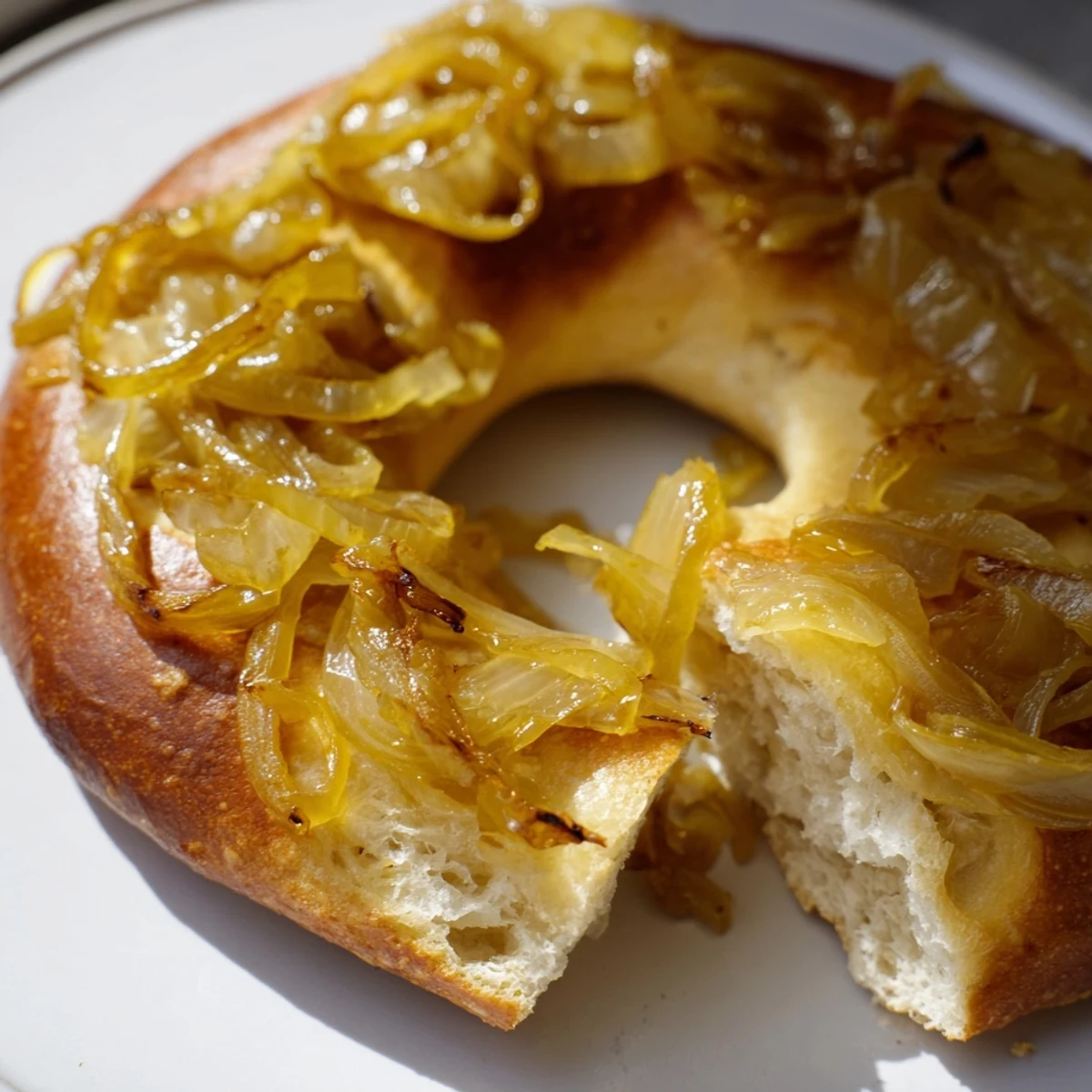
- Press those cooled caramelized onions gently onto the wet surface of each boiled bagel so they adhere, then slide them into the hot oven for 20 to 25 minutes until they are deeply golden and the onions are starting to crisp.
- Cool completely:
- Let your bagels rest on a wire rack until they are completely cool, which helps finish their internal cooking and sets that perfect texture.
 Pin It
 My sister visited last fall and watched the entire boiling process with genuine fascination, having never realized that step was part of authentic bagel making. When she tried her first warm bagel with cream cheese and those sweet onions, she immediately asked for the recipe, and now she makes them for her family every Sunday morning.
The Science Behind the Boil
That hot water bath does more than just create a shiny crust, it actually gelatinizes the surface starch, which is what gives bagels their distinctive chewy exterior and prevents them from expanding too much in the oven. The malt syrup adds color and contributes to that professional flavor profile that sets homemade bagels apart from bread shaped like bagels.
Perfect Onion Caramelization
Low and slow is the only way to get onions to transform into that sweet, jammy consistency that makes these bagels special. If you try to rush this step over high heat, you will end up with bitter, burnt onions instead of the deep, savory topping that perfectly balances the tangy sourdough base.
Make Ahead Strategy
The overnight refrigerator proof is actually doing double duty for you, developing complex sourdough flavor while also fitting conveniently into your schedule. You can shape the bagels in the evening, tuck them into the fridge, and wake up to ready-to-boil bagels that just need the oven treatment.
- Mix your onions ahead of time and keep them in the fridge for up to 3 days
- Fully baked bagels freeze beautifully when sliced first, making weekday breakfasts effortless
- Refresh day-old bagels by toasting them, which brings back some of that fresh-baked texture
 Pin It
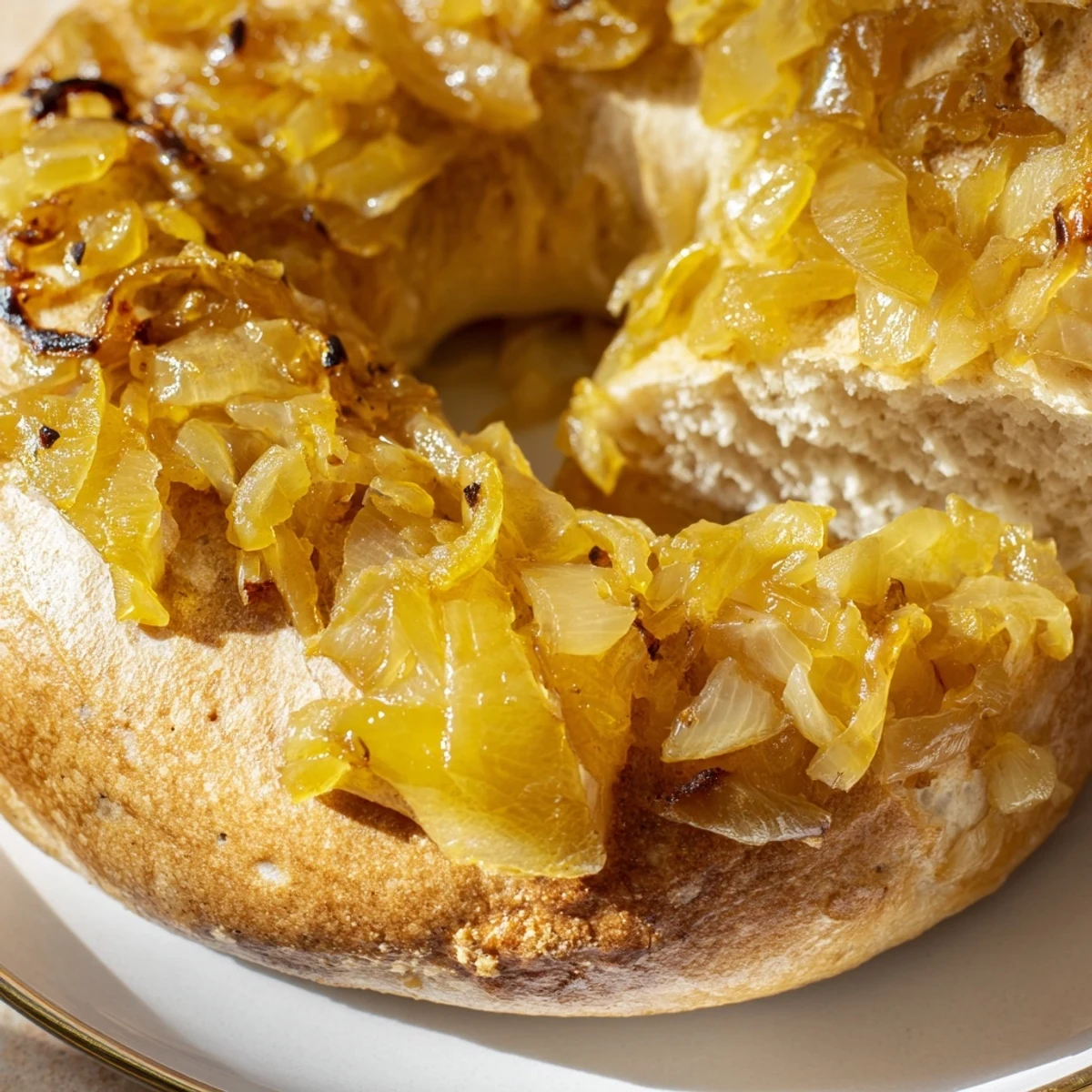
 There is something deeply satisfying about pulling a tray of golden bagels from your own oven, especially when you know the time and care that went into every step. These are worth the wait, and they will absolutely ruin you for anything from the store bakery.
Recipe Questions
- → Why do these bagels need overnight refrigeration?
-
The overnight cold proof slows fermentation, allowing sourdough flavors to develop fully while making the bagels easier to handle. This rest period also creates the characteristic chewy bagel texture and helps the dough hold its shape during boiling.
- → Can I skip the boiling step?
-
Boiling is essential for authentic bagel texture—it gelatinizes the surface starch, creating that distinctive shiny, chewy crust. Without boiling, you'll have bread rolls instead of bagels. The malt syrup in the water adds subtle sweetness and promotes browning.
- → What if my sourdough starter isn't active enough?
-
Your starter should bubble and double within 4-6 hours of feeding. If it's sluggish, feed it for 2-3 consecutive days before making the dough. A healthy starter ensures proper rise and develops those sour notes that balance the sweet onions.
- → How do I know when the onions are properly caramelized?
-
Look for deep golden-brown color and soft, jam-like consistency. This takes 20-25 minutes over medium-low heat. Don't rush—proper caramelization develops natural sweetness that complements the tangy sourdough base beautifully.
- → Can I add other toppings besides onions?
-
Absolutely. Everything bagel seasoning, poppy seeds, sesame seeds, or coarse salt all work well. Add toppings immediately after boiling while the surface is still wet so they adhere. Consider mixing onion flakes into the dough for extra flavor throughout.