
 Pin It
 This creamy hummus blends tahini, lemon and garlic into a silky chickpea spread ready in about 10 minutes. Start by whipping tahini with lemon to lighten, then add chickpeas in stages while scraping the bowl. Gradually add cold water and drizzle olive oil for a glossy finish. Peel chickpeas for extra smoothness, adjust salt and lemon to taste, and serve with pita, veg sticks or crackers. Keeps chilled up to five days; bring to room temperature before serving.
The hummus argument started on a Tuesday evening when my friend Sara declared store-bought was perfectly fine, and I took it as a personal challenge. Twenty minutes later, she was scraping the food processor bowl with a spatula and muttering about never going back to jars. The sound of chickpeas hitting the blade is oddly satisfying, a rhythmic thumping that signals something magical is about to happen.
I made a double batch for a rooftop gathering last summer and watched three adults fight over the last smear with pita chips. There is something deeply humbling about a dish so simple that it silences a room full of chatty people.
Ingredients
- Cooked chickpeas (1 can, 400 g): The foundation of everything, and rinsing them well removes the canning liquid that can taste metallic and dull your dip.
- Tahini (4 tbsp): Use a brand you trust because cheap tahini turns bitter fast, and stir it well before measuring since the oil separates.
- Fresh lemon juice (2 tbsp): Bottled juice will not give you the same brightness, so squeeze it fresh right before blending.
- Garlic (1 small clove): One clove is enough here since raw garlic can easily overpower the delicate balance of flavors.
- Cold water (3 tbsp or more): This is the secret weapon that transforms thick paste into something silky and cloud-like.
- Ground cumin (½ tsp): Just a whisper of cumin adds earthiness without announcing itself too loudly.
- Salt (¾ tsp): Start with less and taste your way up because the chickpeas and tahini already bring their own saltiness.
- Extra-virgin olive oil (2 tbsp): Added slowly at the end for a luxurious, velvety finish that you simply cannot skip.
Instructions
- Whip the tahini base:
- Drop the tahini and lemon juice into your food processor and let it run for a full minute until the mixture turns pale and looks whipped, like a creamy cloud forming before your eyes.
- Season the blend:
- Toss in the garlic, cumin, and salt, then pulse a few times until everything is evenly distributed and your kitchen already smells incredible.
- Blend the chickpeas in stages:
- Add half the chickpeas and blend for a minute, scrape down the stubborn bits clinging to the sides, then add the rest and keep going until the texture shifts from grainy to nearly smooth.
- Adjust with cold water:
- Pour in cold water one tablespoon at a time with the motor running, and watch the hummus transform from dense to fluffy, stopping when it reaches that perfect swoopy consistency.
- Finish with olive oil:
- With the processor still humming, drizzle the olive oil in slowly so it emulsifies into the dip rather than pooling on top, creating a silky texture that coats the back of a spoon.
- Taste and tweak:
- Stop and taste on a piece of pita or a spoon, adjusting salt or lemon juice until it sings the way you want it to.
- Plate and garnish:
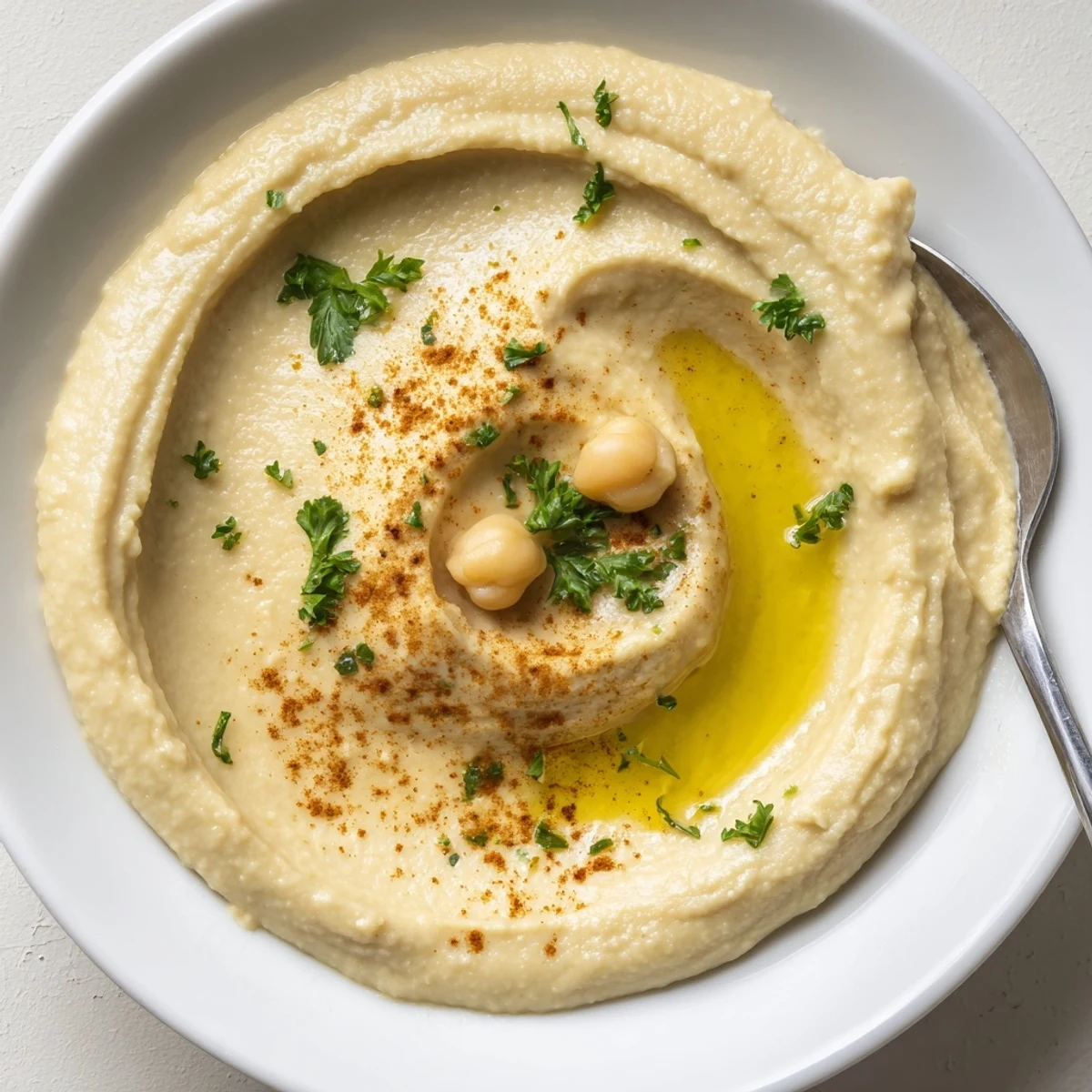
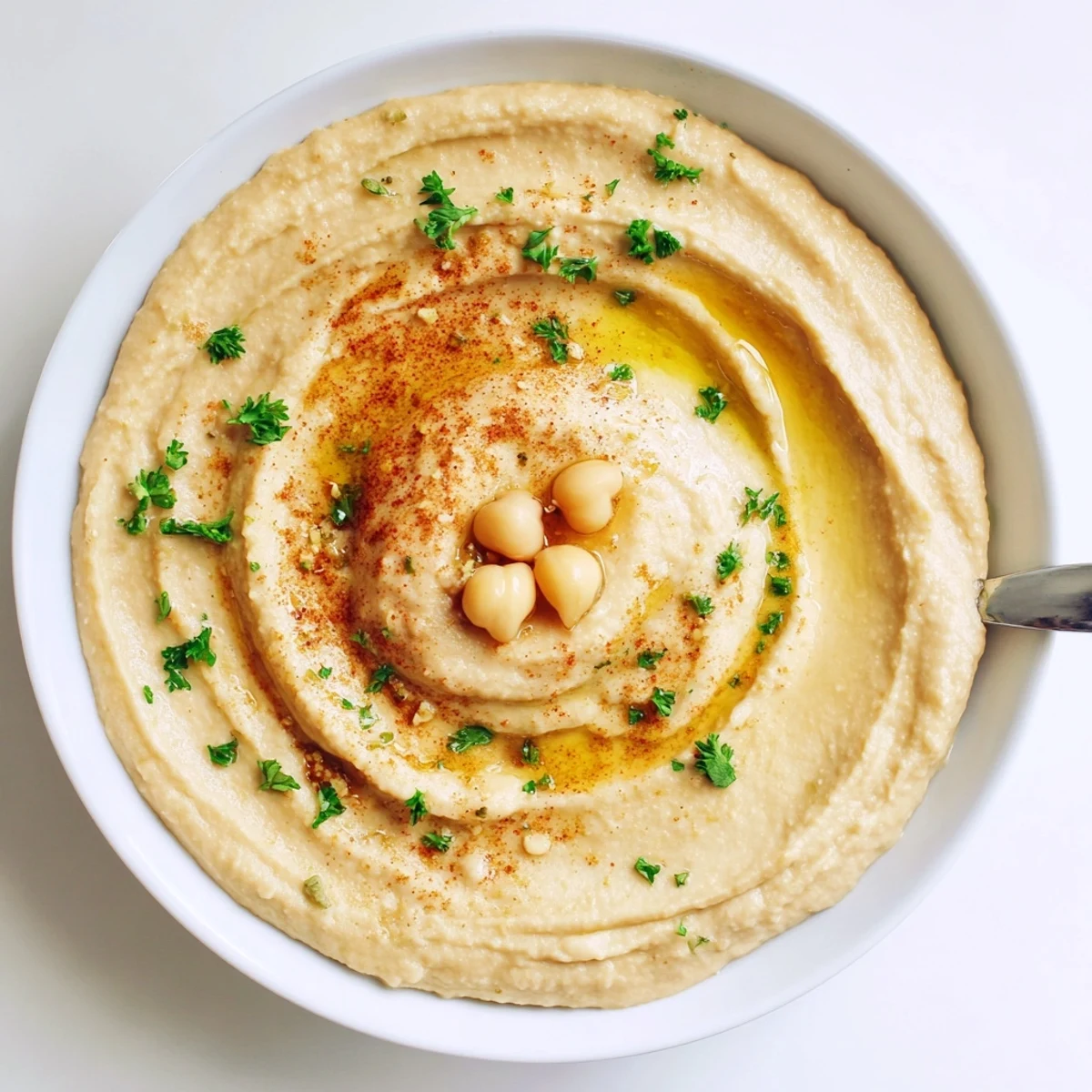
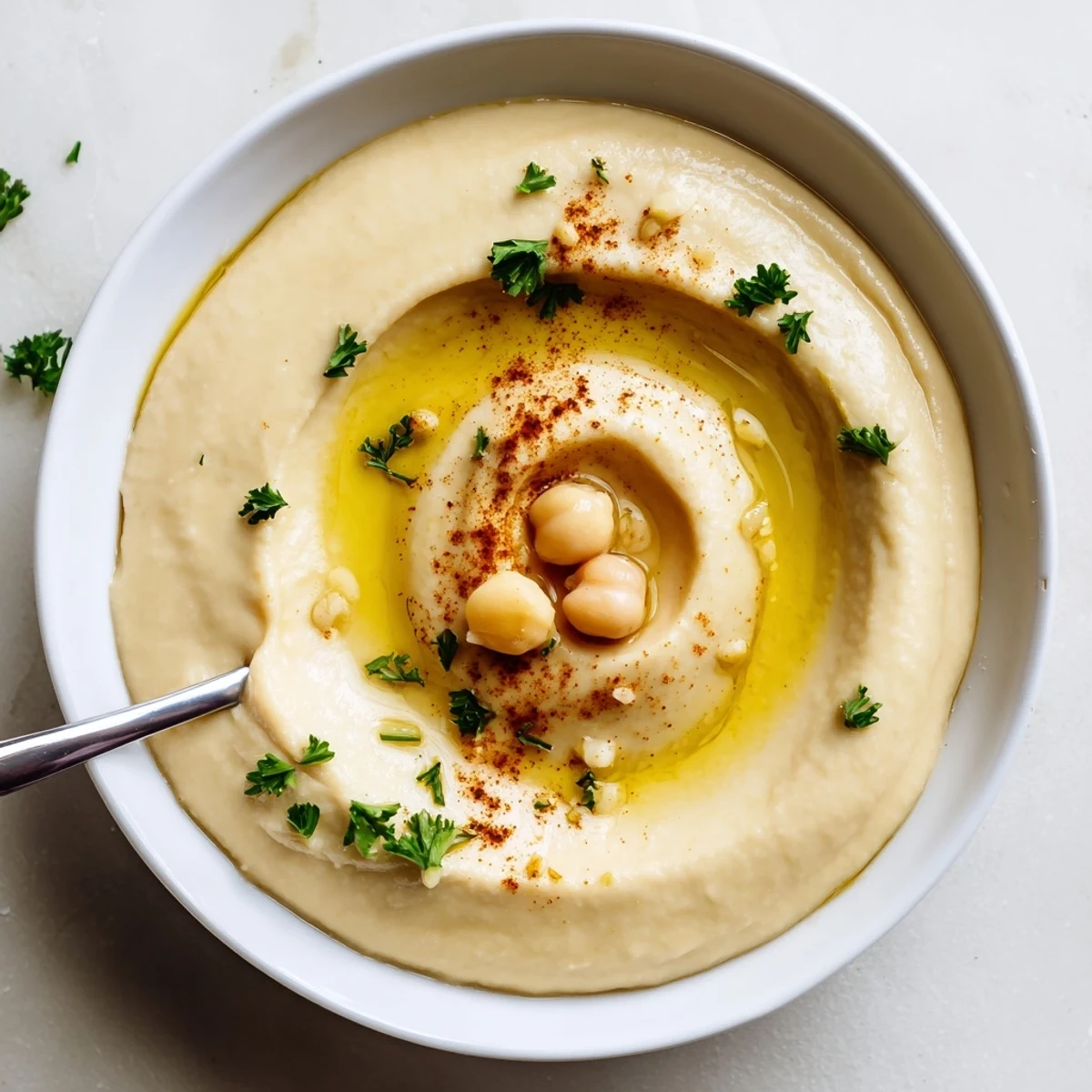
- Scoop into a shallow bowl, use the back of a spoon to create swoops and valleys, then drizzle generously with olive oil and dust with paprika or sumac and a scattering of fresh parsley.
 Pin It
 The first time I served homemade hummus to my mother, she sat quiet for a long moment, then said it tasted like the one her grandmother used to make in her tiny kitchen in Beirut. Food does that sometimes, reaching across decades and distances without any warning.
Getting That Ultra Smooth Texture
The difference between homemade hummus that tastes gritty and the kind that slides off a spoon comes down to patience and blending time. Let the food processor run longer than you think is necessary, sometimes two full minutes past when it looks done, and trust that the chickpeas will eventually surrender their texture.
Storing and Serving Right
Hummus tastes best when it has lost its refrigerator chill and come back to room temperature for about twenty minutes before serving. Stored in a sealed container with a thin layer of olive oil on top, it stays fresh and vibrant for up to five days in the fridge.
Fun Variations to Try
Once you master the basic technique, the recipe becomes a canvas for whatever flavors you are craving that day. Some of my favorite experiments happened when I was cleaning out the fridge and threw in something unexpected.
- Roasted red pepper adds sweetness and a gorgeous sunset color that makes everyone curious.
- A pinch of zaatar on top with extra lemon zest turns it into something that pairs beautifully with grilled bread.
- Do not skip the olive oil drizzle on top because it is not just garnish, it is flavor and texture working together.
 Pin It
 A bowl of homemade hummus on the table somehow makes any gathering feel more intentional and welcoming. Keep making it, keep sharing it, and let it become your own.
Recipe Questions
- → How do I achieve an ultra-smooth texture?
-
Peel the chickpeas for the silkiest result and blend in stages: whip tahini with lemon first, then add chickpeas gradually. Use cold water a tablespoon at a time and finish with a slow drizzle of olive oil while the motor runs to emulsify into a glossy texture.
- → Can I swap tahini for something else?
-
For a sesame-free option, use sunflower seed butter or a creamy nut butter thinned with a little water and lemon. Expect a slightly different flavor and color; adjust salt and acidity to balance the richness.
- → What’s the best garlic approach?
-
Use a small raw clove for a bright, sharp note. For milder flavor, roast or sauté the garlic first. Mince or press it fine so it incorporates evenly during blending.
- → Is a food processor better than a blender?
-
A food processor handles thicker blends well and won’t overheat quickly, giving great control when scraping the sides. A high-speed blender can work but may need pauses and added liquid to keep the motor running smoothly.
- → How should I store leftovers?
-
Keep hummus in an airtight container in the refrigerator for up to five days. A thin film of olive oil on top helps prevent drying. Bring to room temperature and whisk before serving for best texture and flavor.
- → Can I use dried chickpeas instead of canned?
-
Yes—soak overnight and simmer until very tender. Save a little of the cooking liquid to adjust consistency; it can replace or supplement the cold water for a silkier mouthfeel.