
 Pin It
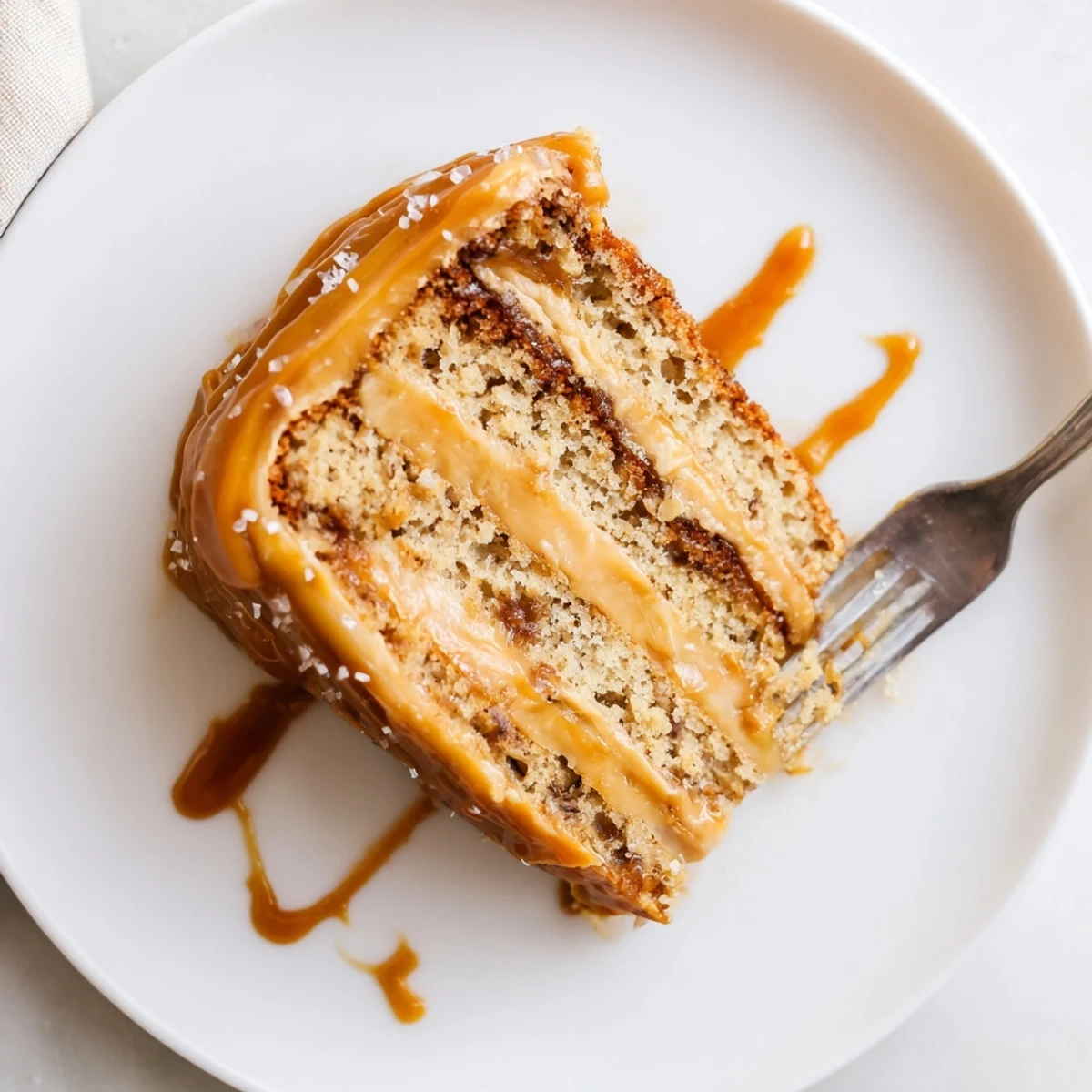
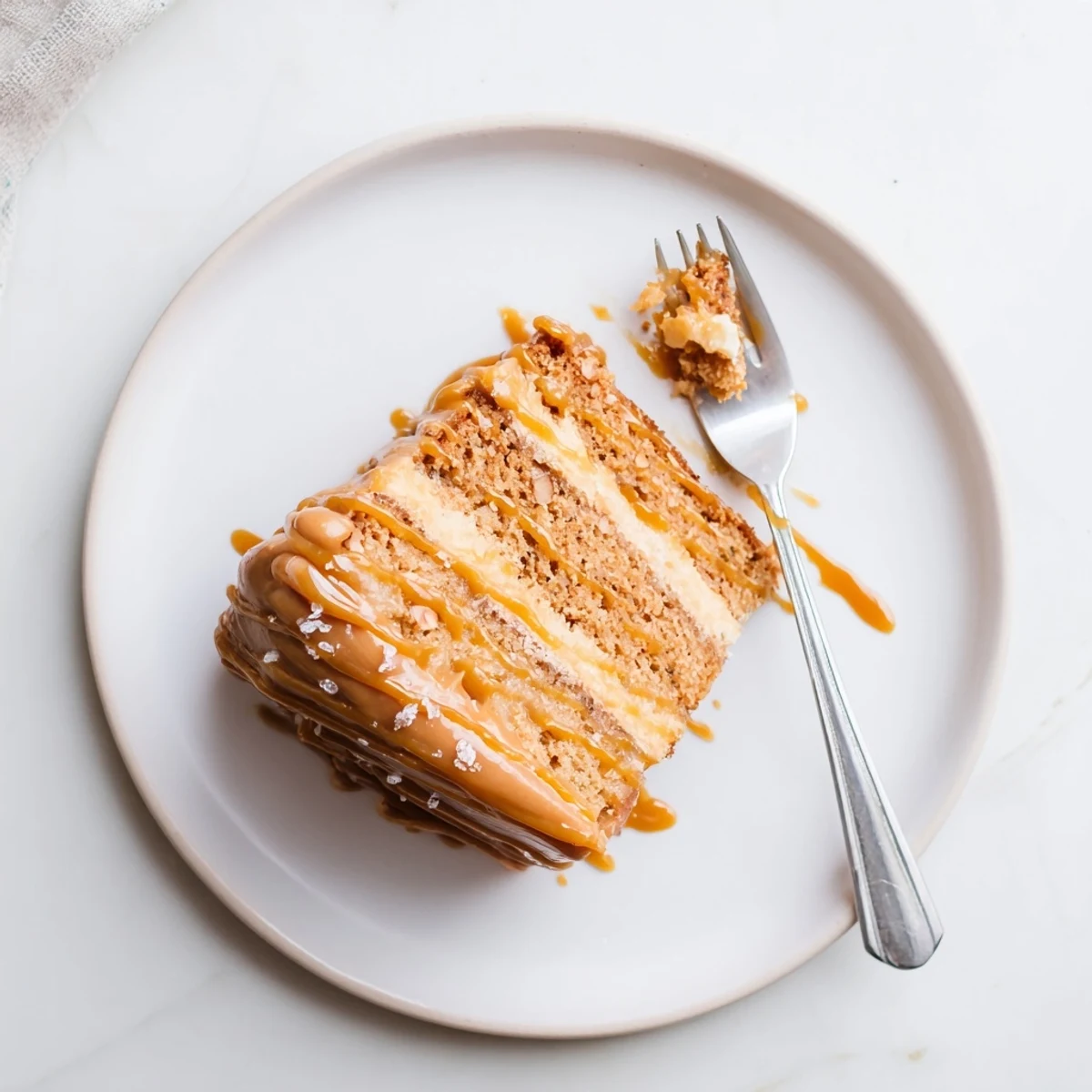
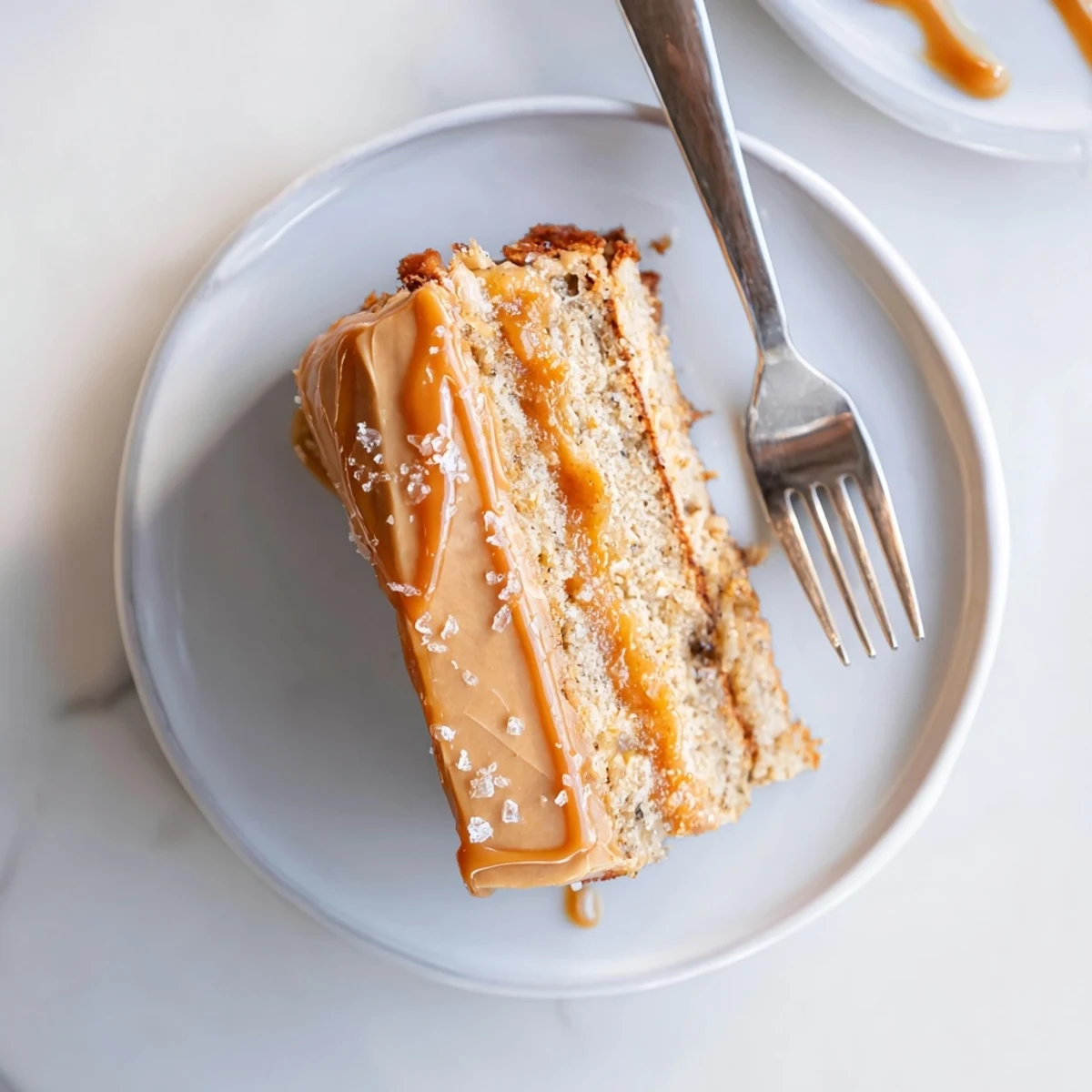
 This indulgent dessert combines the natural sweetness of ripe bananas with the nutty depth of brown butter. The moist, tender cake layers are infused with caramelized butter notes, then generously frosted with a silky caramel buttercream and drizzled with homemade salted caramel sauce. Each bite delivers a perfect balance of sweet and salty, with the banana flavor shining through the rich caramel elements. Ideal for celebrations or when you crave something truly special.
The kitchen smelled like a bakery had collided with a candy shop, and honestly I was not mad about it. Brown butter was doing its thing in the pan, fizzing and popping while bananas sat on the counter looking far too ripe for anyone elses comfort but exactly right for my purposes. This cake was born on a rainy Tuesday when the only reasonable plan was to make something ridiculous and eat it warm with a fork straight from the pan.
My neighbor stopped by halfway through assembly and ended up holding the stand mixer while I poured caramel, both of us laughing at the chaos unfolding in my small kitchen. She took one bite of the finished cake and immediately asked if I could make it for her birthday in three weeks.
Ingredients
- Unsalted butter (170 g): You will brown every single bit of this, so use a good quality butter with high fat content for the richest flavor.
- All purpose flour (300 g): Spoon and level it gently because packed flour leads to a dense crumb nobody wants.
- Baking soda (1 tsp): This is your only leavening agent, so make sure it is fresh and active.
- Salt (1/2 tsp): Fine salt blends seamlessly into the batter and sharpens every flavor.
- Ripe bananas 3 to 4 (about 1 1/2 cups mashed): The uglier and more spotted they look on the outside, the sweeter and more intense they become inside.
- Granulated sugar (200 g): Provides clean sweetness that lets the banana and caramel shine through.
- Brown sugar packed (100 g): Adds moisture and a gentle molasses warmth that pairs beautifully with the caramel.
- Large eggs (2): Room temperature eggs incorporate more evenly into the batter.
- Buttermilk (120 ml): The tang tenderizes the crumb and reacts with baking soda for a beautiful rise.
- Vanilla extract (2 tsp): Do not skip this because it ties every flavor together quietly but powerfully.
- Granulated sugar for caramel (200 g): This melts down into pure liquid gold, so be patient and do not rush it.
- Water (60 ml): Just enough to help the sugar dissolve evenly before it starts caramelizing.
- Unsalted butter cubed (115 g): Cubing it helps it melt quickly into the hot sugar without seizing.
- Heavy cream room temperature (120 ml): Cold cream will cause the caramel to seize, so let it sit out first.
- Flaked sea salt (1 tsp): This is the finishing touch that makes the caramel sing.
- Unsalted butter softened (115 g for frosting): Softened means it holds a slight indent when pressed but is not melting or greasy.
- Powdered sugar sifted (240 g): Sifting eliminates lumps and gives you a silky frosting.
- Salted caramel sauce (4 to 5 tbsp): Taken from the batch you already made, this infuses the frosting with deep caramel character.
- Milk or cream (1 to 2 tbsp): Added gradually to reach the perfect spreading consistency.
- Pinch of salt: A tiny pinch in the frosting balances everything beautifully.
Instructions
- Preheat and prepare your pans:
- Set your oven to 175 degrees Celsius (350 degrees Fahrenheit) and grease two 20 centimeter cake pans with butter before dusting them lightly with flour, tapping out any excess.
- Brown the butter:
- Melt the butter in a light colored saucepan over medium heat, swirling the pan frequently until you see golden brown flecks and smell a warm nutty aroma, then pour it into a bowl to cool slightly so it does not continue cooking.
- Whisk the dry ingredients:
- In a medium bowl, combine the flour, baking soda, and salt with a whisk until evenly distributed.
- Bring the wet ingredients together:
- Mash those gloriously overripe bananas into a large bowl, then add both sugars, eggs, buttermilk, vanilla, and the browned butter, mixing until everything is well combined and fragrant.
- Fold everything gently:
- Gradually add the dry ingredients into the wet mixture, folding with a spatula until just combined because overmixing will make the cake tough and we want it tender.
- Divide and bake:
- Pour the batter evenly between your two prepared pans, smoothing the tops, and bake for 35 to 40 minutes until a toothpick inserted in the center comes out clean.
- Cool the cakes properly:
- Let the cakes rest in their pans for 10 minutes, then turn them out onto wire racks to cool completely while you tackle the caramel.
- Make the salted caramel sauce:
- Combine sugar and water in a saucepan over medium heat and resist every urge to stir, just swirl the pan gently until the mixture turns a deep amber color, then add the cubed butter and stir until melted before carefully whisking in the cream and salt.
- Whip up the caramel frosting:
- Beat the softened butter until creamy, then gradually add sifted powdered sugar and a pinch of salt before streaming in caramel sauce and milk until you have a smooth spreadable frosting that tastes like heaven.
- Assemble your masterpiece:
- Place one cooled cake layer on a plate, spread a generous swoosh of frosting across the top, drizzle with caramel sauce, then stack the second layer and frost the entire cake before finishing with more caramel drips and a sprinkle of flaked salt.
 Pin It
 I carried this cake to a potluck once and watched three grown adults go completely silent after their first bite, which is honestly the highest compliment a baker can receive.
Storing and Keeping It Fresh
Leftover cake should be covered tightly and refrigerated because the caramel and buttermilk mean it will not hold up well at room temperature for more than a few hours.
Serving Suggestions That Take It Further
A scoop of cold vanilla bean ice cream melting against a warm slice creates a contrast that makes this cake almost unbearably good.
Tools That Make This Easier
You do not need fancy equipment but a few things will save you headaches along the way.
- Use a light colored saucepan for browning butter so you can actually see the color change before it burns.
- A stand mixer makes the frosting effortless but a hand mixer and some patience work just as well.
- Always have a heatproof spatula ready for caramel duty because sugar waits for no one.
 Pin It
 This is the kind of cake that makes people feel taken care of, and sometimes that is exactly what a rainy afternoon calls for.
Recipe Questions
- → How do I know when the brown butter is ready?
-
The butter is ready when it turns golden brown and releases a nutty aroma. This takes about 5-7 minutes over medium heat. Watch carefully as it can burn quickly—the milk solids at the bottom will brown, creating that signature flavor.
- → Can I make the caramel sauce ahead of time?
-
Yes, the salted caramel sauce can be made up to 2 weeks in advance. Store it in an airtight container in the refrigerator. Gently reheat before using to soften it for drizzling or mixing into frosting.
- → What if I don't have buttermilk?
-
You can substitute regular milk by adding 1 tablespoon of white vinegar or lemon juice to 1/2 cup of milk. Let it sit for 5 minutes until slightly thickened. This homemade version works perfectly in the batter.
- → How ripe should the bananas be?
-
Use bananas that are heavily spotted or completely brown. They should be soft to the touch and easily mashable. Overripe bananas provide the best flavor and natural sweetness for the cake.
- → Can I freeze the assembled cake?
-
It's best to freeze the unfrosted cake layers wrapped tightly in plastic wrap and foil for up to 3 months. Thaw overnight at room temperature, then frost and assemble. The caramel sauce and frosting can be frozen separately.
- → Why did my caramel seize up?
-
Caramel seizes when cold cream hits hot sugar too quickly. Ensure your cream is at room temperature and add it gradually while whisking constantly. If it seizes, gently reheat the mixture while stirring until smooth again.