
 Pin It
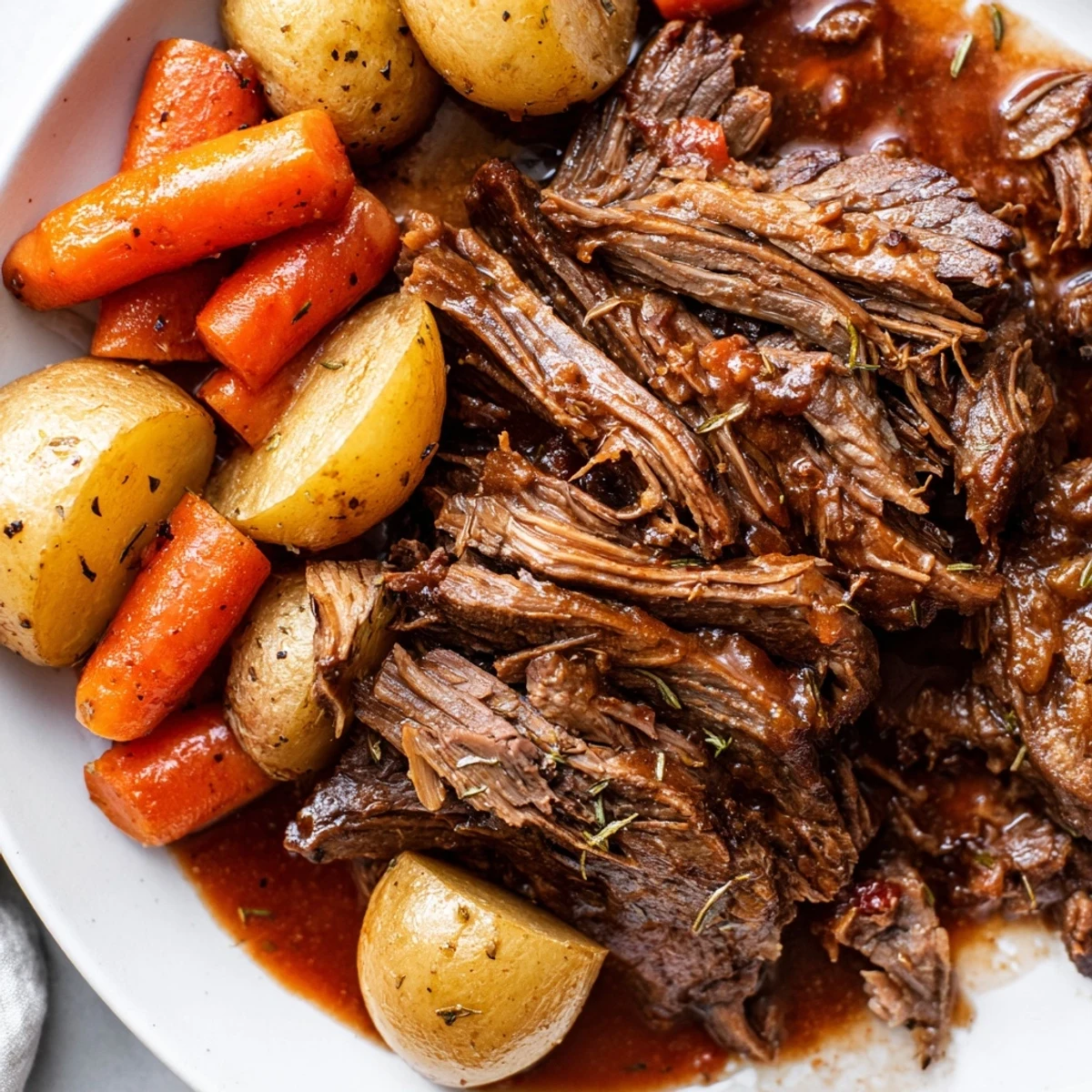
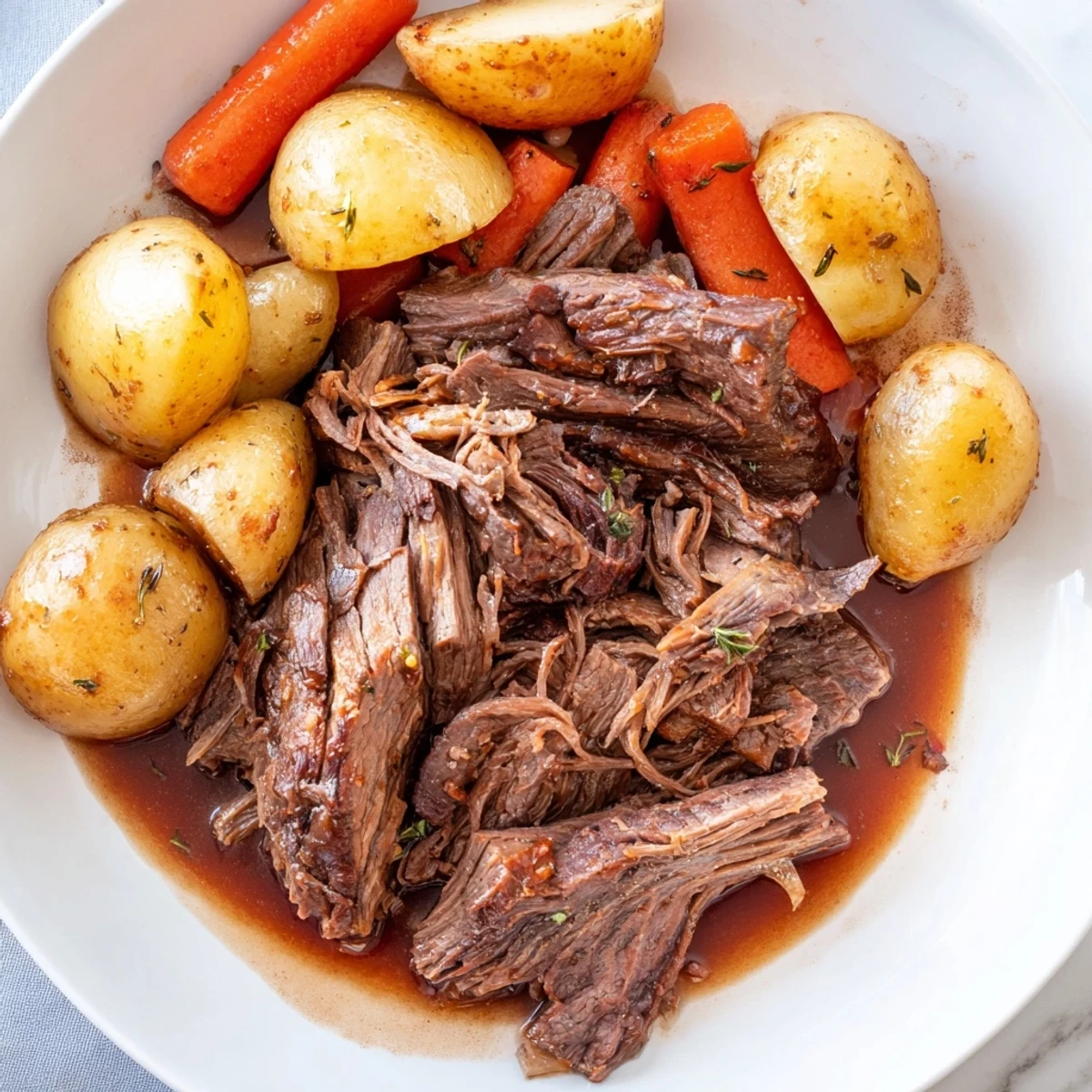
 This classic pot roast transforms a humble beef chuck into a melt-in-your-mouth centerpiece by slow-cooking it low and slow in a Dutch oven. Searing the meat first builds a deep, caramelized crust, while root vegetables like carrots, potatoes, and celery soak up the rich pan juices. A splash of dry red wine adds complexity, and fresh herbs like thyme and rosemary infuse everything with warmth.
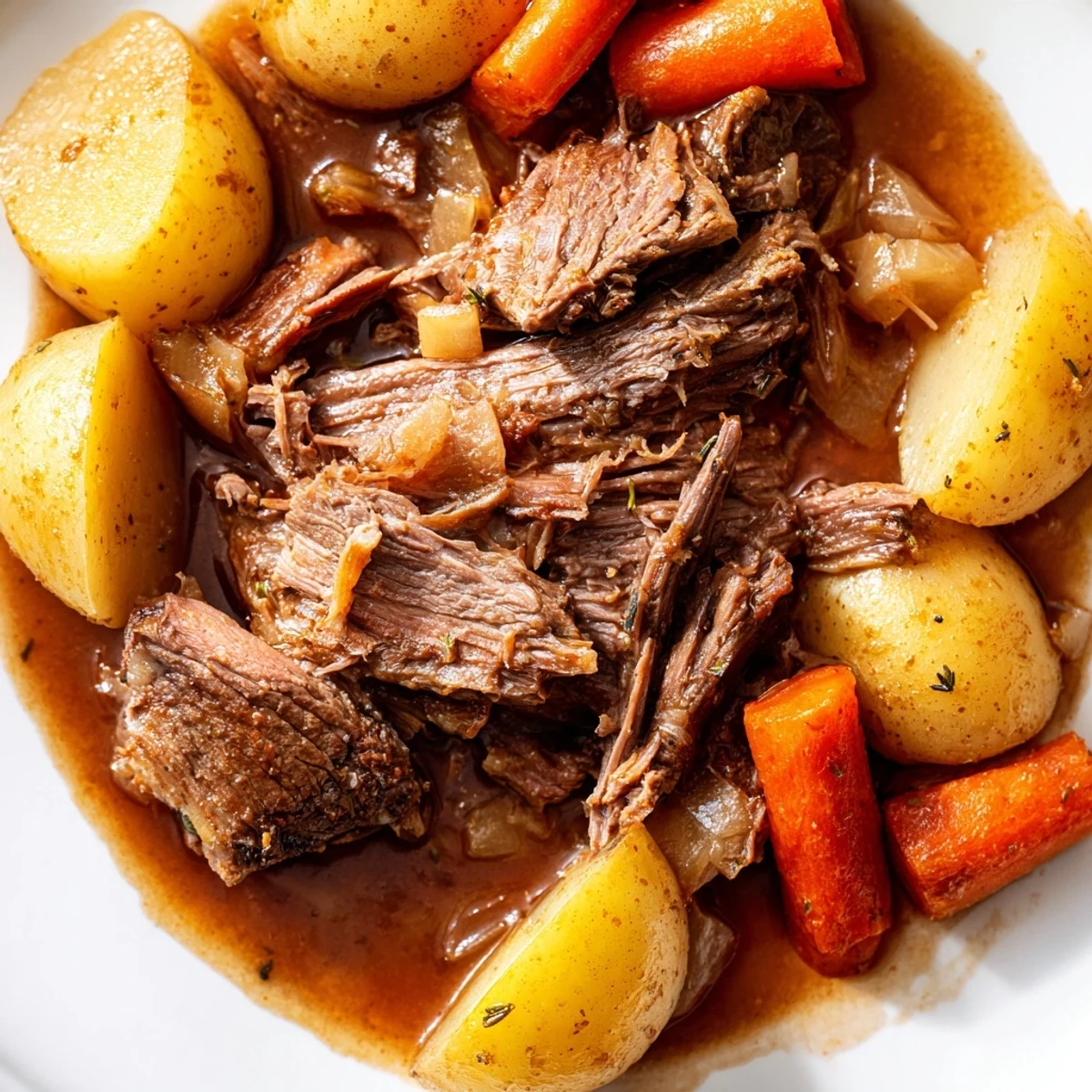
After about three hours in the oven, the beef becomes fork-tender and the vegetables are perfectly cooked. Serve it all together with the savory pan juices spooned over top for a hearty, satisfying family meal.
The smell of a pot roast in the oven is the closest thing I have to a time machine, transporting me straight to rainy Sunday afternoons when the whole house would fill with something deeply savory and unshakably warm. My mother never used a recipe, she just knew by feel when the meat would yield to a fork like butter. It took me years of tough, stringy attempts before I finally understood her secret was patience and a low, slow oven.
I once made this for a friend who had just gone through a brutal breakup, and she sat at my kitchen counter eating it straight from the bowl with tears in her eyes, insisting it was the onion. Something about a meal that can hold space for both grief and comfort makes it worth mastering.
Ingredients
- 1 (3 to 4 lb) beef chuck roast: Chuck is the undisputed king here, its marbling breaks down over hours into pure tenderness.
- 3 large carrots, peeled and cut into 2 inch pieces: Cut them thick so they hold their shape through the long braise.
- 4 medium Yukon gold potatoes, quartered: Yukon golds stay creamy without dissolving into mush.
- 2 celery stalks, cut into 2 inch pieces: Celery quietly builds the aromatic backbone of the whole dish.
- 1 large yellow onion, sliced: The onion practically melts into the sauce and sweetens everything.
- 4 garlic cloves, smashed: Smashed releases more flavor than minced for a slow cook like this.
- 2 cups beef broth: Use gluten free if needed, and go for low sodium so you control the salt.
- 1 cup dry red wine: Optional but it adds a depth you simply cannot get any other way.
- 2 tablespoons tomato paste: A small spoonful adds enormous body and color to the braising liquid.
- 2 teaspoons kosher salt: Season generously, the meat needs it.
- 1 teaspoon black pepper: Freshly cracked makes a noticeable difference.
- 1 teaspoon dried thyme: Thyme and beef are old friends who bring out the best in each other.
- 1 teaspoon dried rosemary: Crush it between your fingers before adding to wake up the oils.
- 2 bay leaves: Do not forget to remove them before serving, they are not a pleasant surprise to bite into.
- 2 tablespoons olive oil: Just enough to get a proper sear going.
Instructions
- Preheat and prepare:
- Set your oven to 325 degrees Fahrenheit and let it come to temperature while you prep the meat.
- Season the roast:
- Pat the chuck roast completely dry with paper towels and season every side with salt and pepper.
- Build the crust:
- Heat olive oil in a Dutch oven over medium high until it shimmers, then sear the roast for 3 to 4 minutes per side until deeply browned. That caramelized crust is where the richest flavor lives.
- Wake up the vegetables:
- Remove the roast and add onions, carrots, and celery to the same pot, sauteing for 5 minutes until they soften slightly. Stir in the garlic and tomato paste and cook for one more minute until fragrant.
- Deglaze the pot:
- Pour in the wine and scrape up every browned bit stuck to the bottom. Let it reduce by half, about 2 to 3 minutes.
- Bring it all together:
- Nestle the roast back in, add potatoes, thyme, rosemary, and bay leaves, then pour in broth until it reaches halfway up the meat.
- Braise low and slow:
- Bring to a simmer on the stovetop, cover tightly, and transfer to the oven for 2.5 to 3 hours. You will know it is done when a fork slides through the meat like warm jelly.
- Finish and serve:
- Remove the roast and vegetables, discard the bay leaves, and skim excess fat from the juices. Slice or shred the beef and ladle everything with pan sauce.
 Pin It
 The moment I lifted the lid and watched steam roll out, carrying the smell of wine and herbs and slow cooked beef into the room, I understood why my mother never needed a recipe. This dish teaches you to trust the process.
Choosing the Right Cut of Beef
Chuck roast is your best friend here because it has the right balance of fat and connective tissue that melts over time into silky richness. Leaner cuts like round or sirloin will dry out no matter how long you cook them. Look for well marbled pieces with good color and avoid anything looking gray or excessively wet.
Making the Sauce Extra Special
If the pan juices feel too thin, simmer them on the stove for 5 to 10 minutes and whisk in a slurry of 1 tablespoon cornstarch and 2 tablespoons cold water until it coats the back of a spoon. Adding mushrooms or parsnips during the braise is a wonderful way to layer in earthy sweetness. A glass of the same red wine you cooked with makes a surprisingly perfect pairing.
Getting Ahead and Storing Leftovers
This pot roast is one of those rare dishes that genuinely improves overnight as the flavors mingle and settle in the refrigerator. Store the meat and vegetables in their sauce in an airtight container and gently reheat on the stove over low heat. Leftovers make incredible sandwiches, hash, or even a topping for creamy polenta.
- Let the roast rest in its juices for at least 15 minutes before slicing.
- Freeze portions in individual containers for up to 3 months.
- Always reheat gently to keep the meat tender.
 Pin It
 Some meals feed the body and some feed the people you love, and this one manages to do both with almost no fuss. Set it, forget it, and let the oven do the talking.
Recipe Questions
- → What cut of beef works best for pot roast?
-
Beef chuck roast is the ideal choice because it has excellent marbling that breaks down during slow cooking, resulting in tender, flavorful meat. Brisket or round roast can also work, but chuck consistently delivers the best texture and richness.
- → Can I make pot roast without red wine?
-
Yes, simply substitute the wine with an equal amount of additional beef broth. The dish will still have plenty of depth from the tomato paste, herbs, and caramelized vegetables. You could also use a splash of balsamic vinegar for added complexity.
- → Why do I need to sear the roast before slow cooking?
-
Searing creates a Maillard reaction on the surface of the meat, building a deep browned crust and developing rich flavor compounds that infuse the entire dish. This step only takes about 15 minutes but makes a noticeable difference in the final taste.
- → How do I know when the pot roast is done?
-
The roast is ready when it is fork-tender, meaning a fork slides in and out of the meat with almost no resistance. This typically takes 2.5 to 3 hours at 325°F. The internal temperature should reach around 200°F for optimal tenderness.
- → Can I add other vegetables to the pot?
-
Absolutely. Mushrooms, parsnips, turnips, and sweet potatoes all work beautifully. Add heartier root vegetables at the same time as the potatoes, and delicate vegetables like mushrooms during the last hour to prevent them from becoming too soft.
- → How should I store and reheat leftovers?
-
Store the beef and vegetables in an airtight container with the pan juices in the refrigerator for up to 4 days. Reheat gently on the stovetop over low heat or in the oven at 300°F until warmed through. The pan juices help keep the meat moist during reheating.