
 Pin It
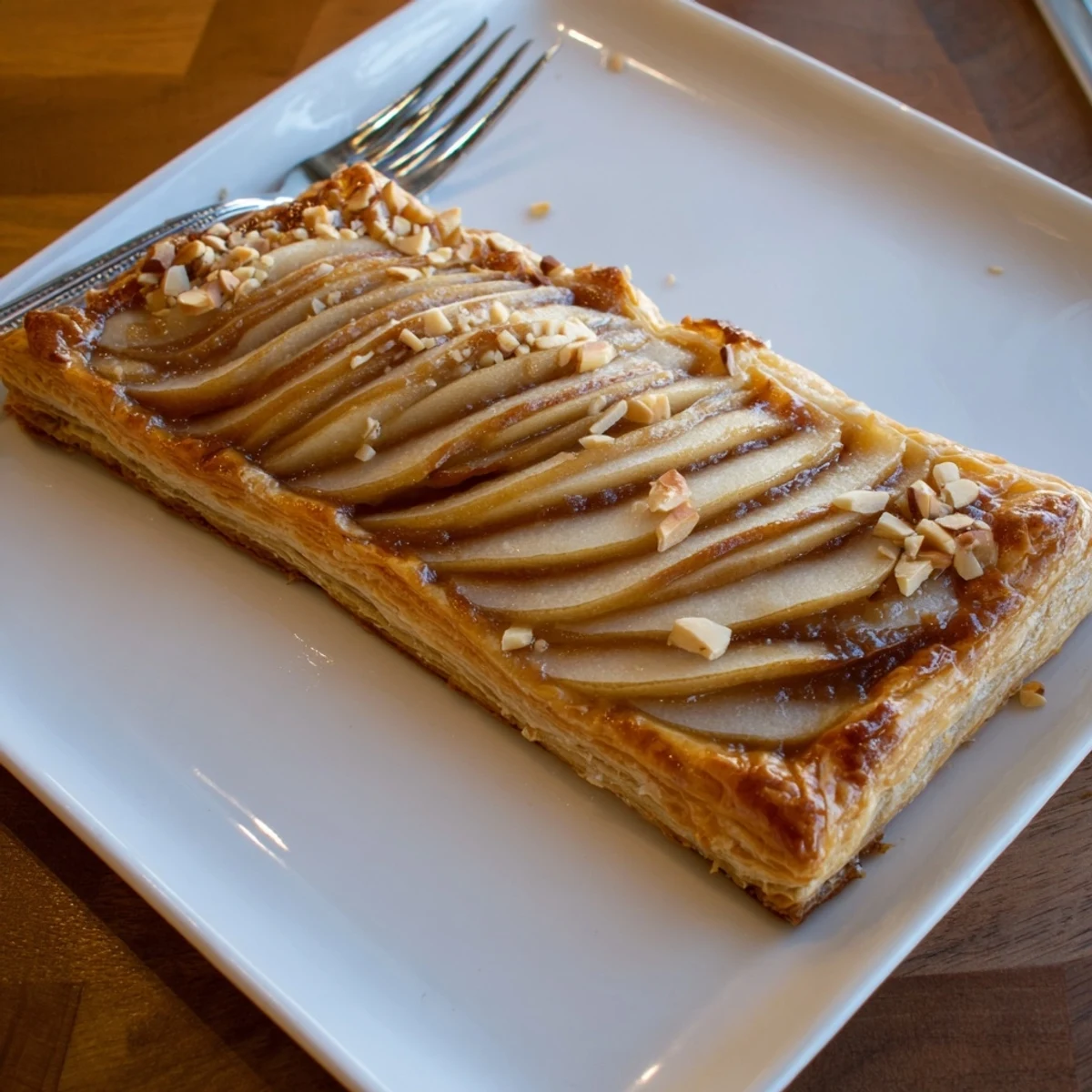
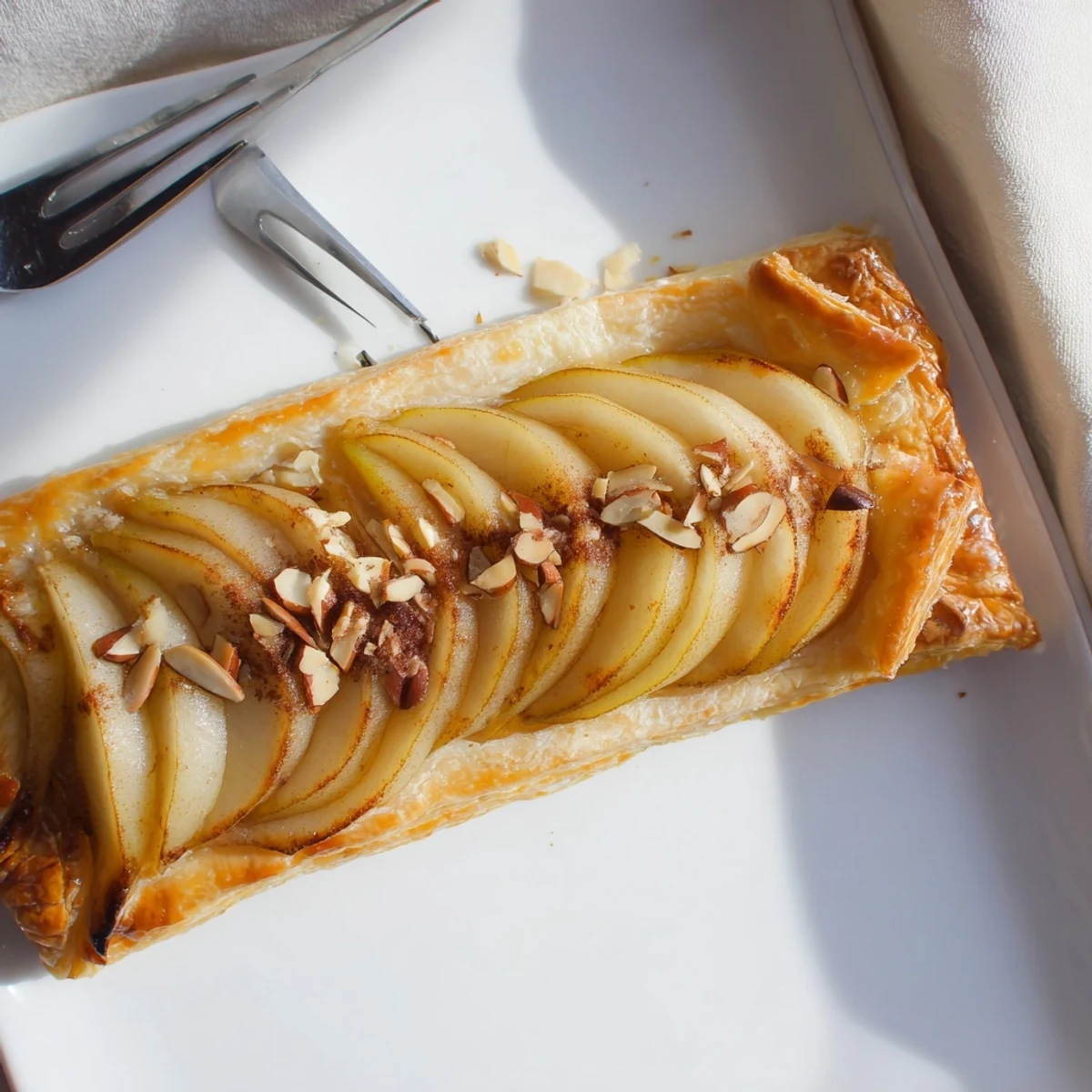
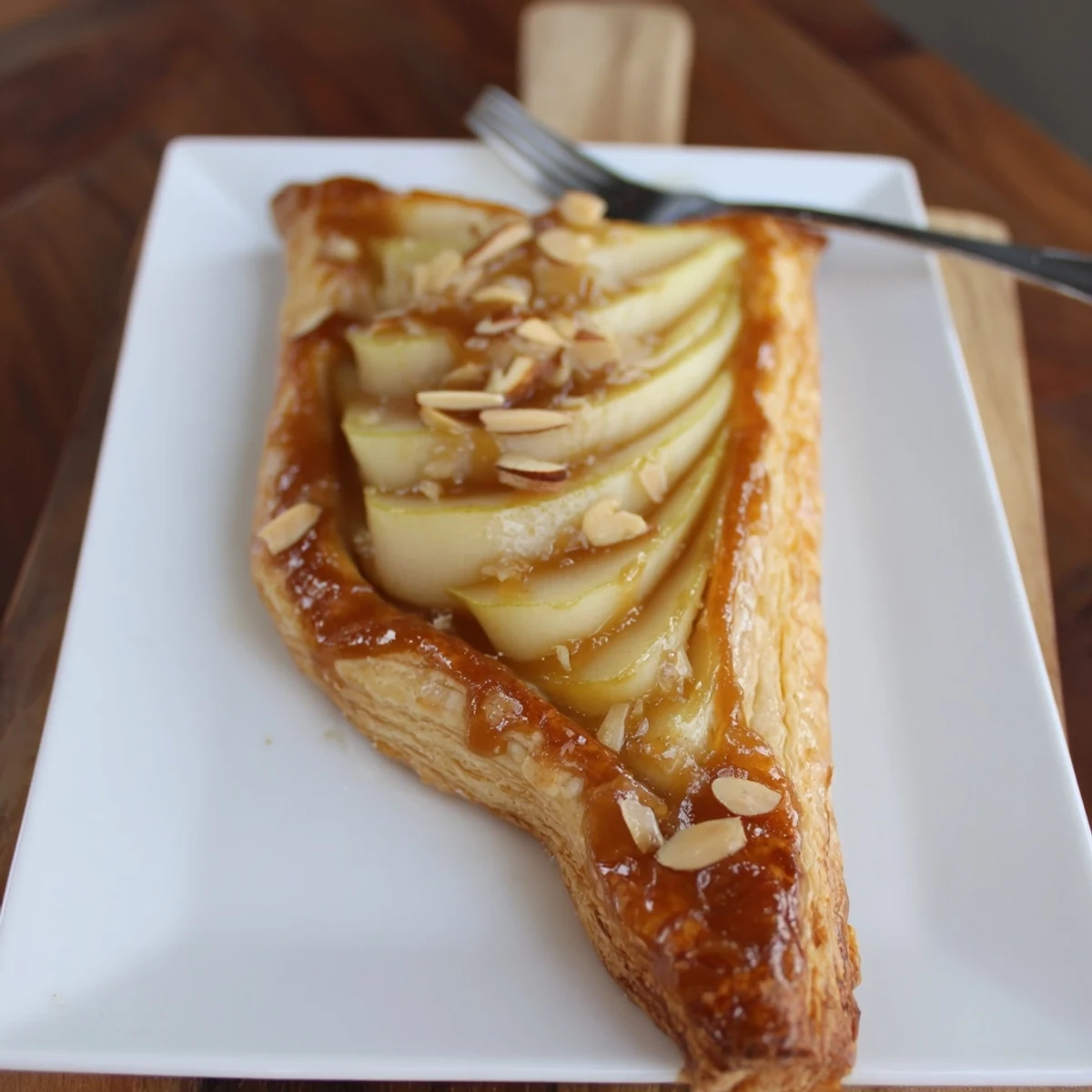
 Ready in about 45 minutes and yielding six portions, these golden puff pastry tarts showcase pear slices tossed with sugar, lemon and cinnamon. Arrange fruit on thawed pastry rectangles, fold edges to form rims, brush with beaten egg and bake until puffed and amber. Warm apricot jam makes a glossy glaze; finish with toasted nuts or a scoop of vanilla.
The autumn my neighbor left a bag of pears on my doorstep is the autumn my kitchen smelled like butter and cinnamon for a solid week. I had never worked with puff pastry before and honestly assumed it required some kind of professional training I did not have. Turns out, folding fruit into store bought dough and calling it French is one of the great confidence tricks of home cooking, and I have never looked back.
I brought these to a potluck once and watched a woman close her eyes after the first bite, which is the highest compliment a dessert can receive. My friend David asked if I had ordered them from a shop and I simply changed the subject.
Ingredients
- 3 ripe pears: You want them fragrant and slightly soft but not mushy, as they need to hold their shape inside the pastry.
- 2 tbsp granulated sugar: Just enough to coax out the natural sweetness without turning it into candy.
- 1 tbsp lemon juice: Keeps the pears from browning and adds a brightness that balances the butter.
- 1/2 tsp ground cinnamon: Warmth without overwhelming the delicate pear flavor.
- 1 sheet frozen puff pastry (250 g): Thaw it in the fridge overnight for the most reliable results.
- 1 egg beaten: The wash is what gives those gorgeous golden edges.
- 2 tbsp apricot jam: This is the secret weapon that makes everything gleam.
- 1 tbsp water: Thins the jam into a brushable glaze.
- All purpose flour: For dusting your surface so nothing sticks.
Instructions
- Get the oven ready:
- Preheat to 200 degrees Celsius (400 degrees Fahrenheit) and line a baking sheet with parchment paper so nothing sticks later.
- Tuck the pears in their coat:
- Gently toss the sliced pears with sugar, lemon juice, and cinnamon in a mixing bowl, then set them aside to mingle while you handle the pastry.
- Roll and cut:
- On a lightly floured surface, smooth out the puff pastry sheet and cut it into six even rectangles, trying not to overthink the precision.
- Fill and fold:
- Lay a few pear slices in the center of each rectangle, leaving a small border, then fold the edges up and over slightly to cradle the fruit.
- Brush with egg:
- Paint the pastry edges generously with beaten egg, which will turn a beautiful deep gold in the oven.
- Bake until proud:
- Arrange the pastries on the sheet and bake for 20 to 25 minutes until puffed, golden, and fragrant, watching closely near the end.
- Make the glaze:
- Warm the apricot jam with water in a small saucepan until it melts into a silky liquid, straining out any fruit chunks if you like it smooth.
- Finish with shine:
- While the pastries are still warm, brush the pears with the apricot glaze so it catches the light beautifully.
- Cool and serve:
- Let them rest for a few minutes before serving, either warm or at room temperature.
 Pin It
 Somewhere between pulling the first golden tray from the oven and brushing on that sticky apricot glaze, this recipe stopped being just dessert and started being the thing I make when I want someone to feel genuinely cared for.
Serving Ideas
A warm pear tart with a scoop of vanilla ice cream melting over the edge is the kind of simple indulgence that makes people put down their phones and just eat. Chopped toasted almonds or pistachios scattered on top add a crunch that makes each bite more interesting. You could also drizzle a little honey or maple syrup if you want to push the sweetness further.
Making It Vegan
Plant based puff pastry exists and works beautifully here, though you may need to check the packaging to confirm it is truly dairy free. Instead of egg wash, a thin brushing of soy milk or oat milk gives the edges a surprisingly convincing golden color.
Storage and Leftovers
These are best the day they are made, but leftovers will keep in an airtight container at room temperature for a day without losing too much of their charm. Reheating in a low oven for five minutes brings back some of the flakiness that the microwave simply cannot manage.
- Do not refrigerate them or the pastry goes soft and sad.
- Freeze unbaked assembled tarts on a sheet pan, then transfer to a bag for up to a month.
- Always check puff pastry labels for allergens if serving to others with dietary restrictions.
 Pin It
 Few things in the kitchen reward so little effort with so much beauty. Keep a box of puff pastry in your freezer and you are never more than half an hour away from impressing someone you love.
Recipe Questions
- → Which pears work best?
-
Choose ripe but firm varieties like Bosc or Bartlett; they should yield slightly to gentle pressure so slices soften in the oven without turning mushy.
- → How do I prevent a soggy base?
-
Pat pear slices dry and toss with a little sugar to draw moisture. Cut even slices, avoid overfilling, and use a hot, fully preheated oven so the pastry puffs and crisps quickly.
- → Can I prepare components ahead of time?
-
Yes. Slice pears and mix with sugar and lemon up to a day ahead, keeping them refrigerated. Cut and chill pastry rectangles briefly before baking for a better rise; assemble and bake when ready.
- → What can I use instead of egg wash?
-
For a vegan or egg-free finish, brush with unsweetened plant milk or a thin slurry of aquafaba. The apricot glaze applied after baking also adds shine and color.
- → Which puff pastry gives the best flavor?
-
All-butter puff pastry delivers the richest flavor and flakiest layers, but quality frozen sheet pastry is a convenient option—thaw fully before rolling and shaping.
- → How should leftovers be stored and reheated?
-
Keep cooled pastries in an airtight container for up to 2 days. Recrisp in a 180°C (350°F) oven for 5–10 minutes rather than microwaving to preserve flakiness.