
 Pin It
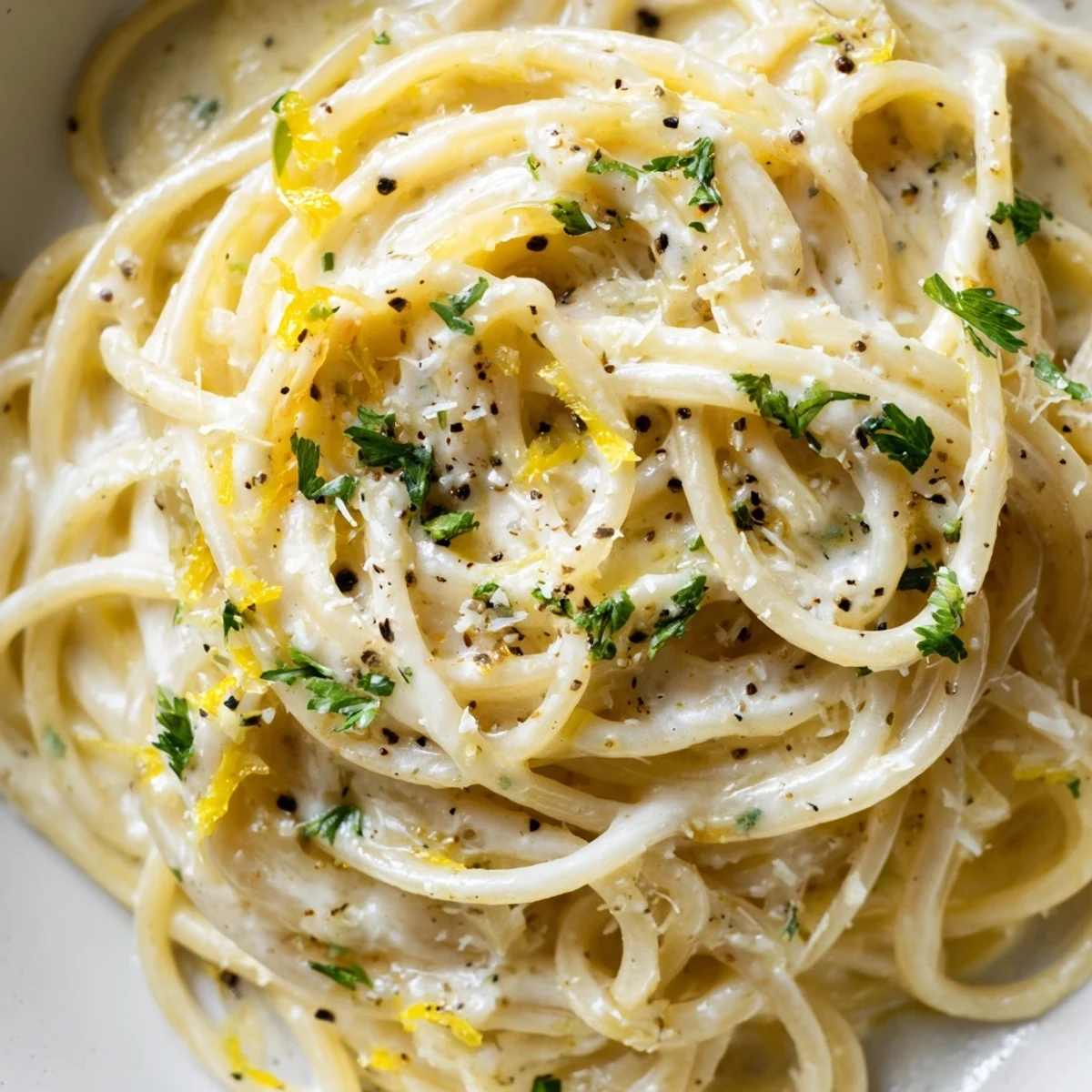
 This Italian-inspired pasta combines the bright acidity of fresh lemon with rich, nutty Parmesan for a perfectly balanced cream
y sauce. Ready in just 25 minutes, this dish comes together with simple pantry staples like olive oil, butter, and garlic. The
secret to the silky texture lies in reserving pasta water and gradually incorporating it while tossing with cheese. Versatile and
customizable, it pairs beautifully with sautéed vegetables or grilled proteins for added substance.
The first time I made this lemon Parmesan pasta was completely by accident on a Tuesday night when I had nothing but half a box of spaghetti, a lonely lemon on the counter, and a wedge of Parmesan that needed using. Something magical happened when that bright citrus hit the nutty cheese, creating this silky emulsion that I had never experienced from jarred sauce. Now it is my go-to when I need something that feels special but comes together in the time it takes to boil water.
I served this to my skeptical brother who claims he only likes red sauce on pasta, and he actually asked for seconds before even finishing his first plate. Watching him scrape up every last strand with that look of pure surprise on his face is now one of my favorite kitchen memories.
Ingredients
- 400 g (14 oz) spaghetti or linguine: Long pasta strands hold this delicate sauce beautifully, though any pasta shape will work in a pinch
- 60 g (½ cup) freshly grated Parmesan cheese: Pre grated cheese has anti caking agents that prevent that creamy emulsion you want, so buy a wedge and grate it yourself
- 2 tbsp unsalted butter: Adds richness without overpowering the bright lemon flavors
- 2 tbsp extra virgin olive oil: Creates the base for your sauce and helps carry the garlic flavor
- Zest of 1 large lemon: The essential oils in the zest contain all the aromatic compounds that make this dish sing
- Juice of 1 large lemon (about 3 tbsp): Fresh is absolutely essential here, nothing else gives that bright acidic pop
- 2 garlic cloves, finely minced: Minced by hand for even distribution, not pressed which can turn bitter
- 60 ml (¼ cup) pasta cooking water (reserved): This starchy liquid is the secret ingredient that binds everything into a silky sauce
- Freshly ground black pepper and sea salt: Taste as you go since the Parmesan is already salty
- Extra Parmesan cheese and fresh herbs: For serving and that beautiful finished restaurant look
Instructions
- Get your pasta water going:
- Bring a large pot of well salted water to a rolling boil, then add your pasta and cook until it has that perfect al dente bite, remembering to reserve that crucial pasta water before draining.
- Build your flavor base:
- While the pasta cooks, warm the olive oil and butter in a large skillet over medium heat until the butter foams, then add your minced garlic and let it sizzle for just one minute until fragrant and pale.
- Add the bright notes:
- Stir in the lemon zest and juice, letting the mixture warm through for about 30 seconds while the aroma fills your kitchen and the sauce begins to thicken slightly.
- Bring it all together:
- Add your drained pasta directly to the skillet and toss enthusiastically, then gradually sprinkle in the Parmesan while adding splashes of that reserved pasta water until the sauce clings to every strand.
- Season to perfection:
- Taste your creation and adjust with salt and plenty of freshly cracked black pepper, keeping in mind the Parmesan already brings plenty of saltiness.
- Plate with pride:
- Serve immediately while the sauce is glossy and hot, topping with extra Parmesan that melts into the warm pasta and maybe some torn fresh herbs if you have them.
 Pin It
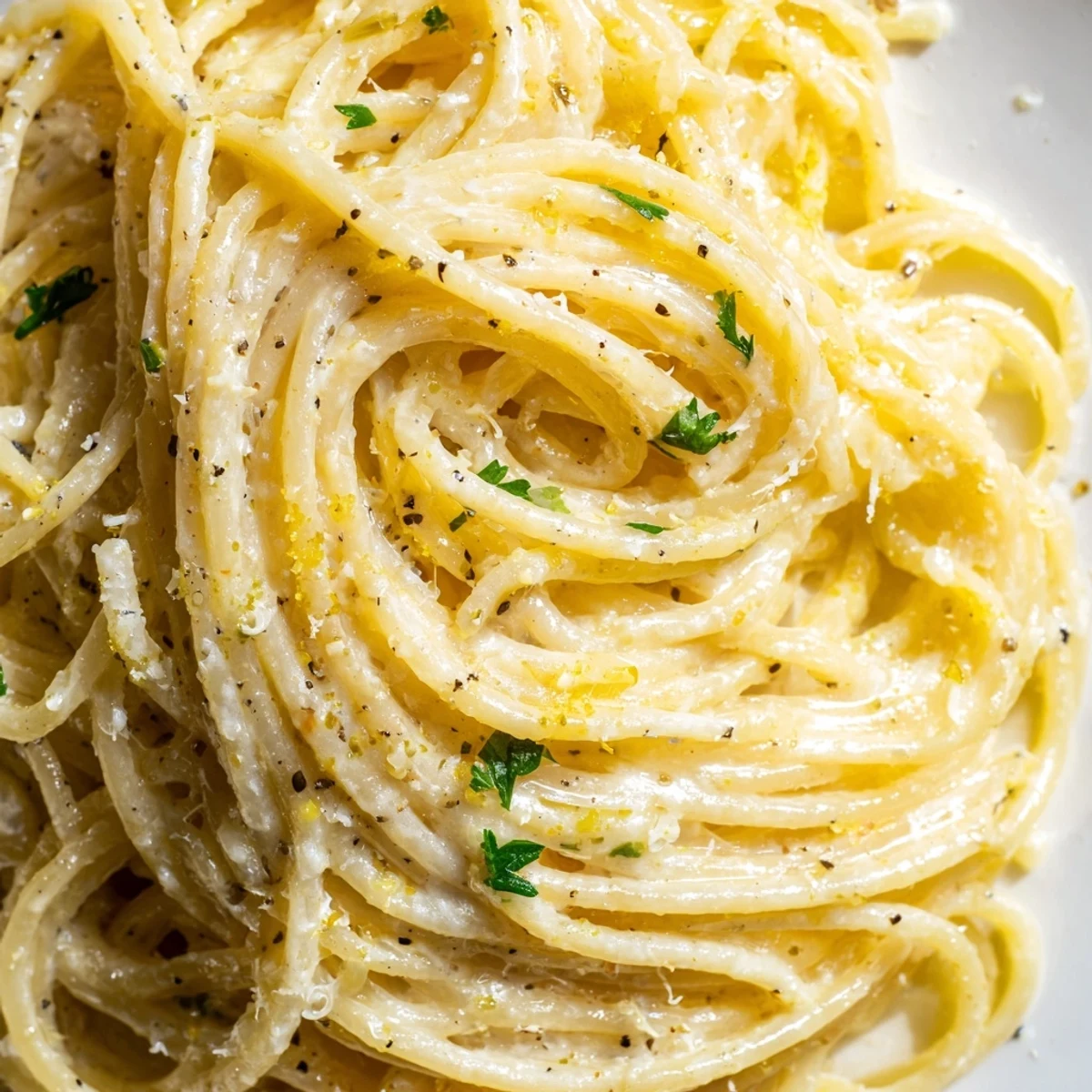
 This recipe has become my answer to every question about what to cook when friends drop by unexpectedly, when comfort food is needed but heavy dishes feel wrong, or when I simply crave something that tastes like sunshine on a plate.
Making It Your Own
The beauty of this pasta lies in its versatility while still maintaining that bright, satisfying core. I have added sautéed spinach for color, peas for sweetness, or even some grilled chicken strips when I need something more substantial.
Perfect Wine Pairings
A crisp Sauvignon Blanc cuts through the richness while complementing the citrus notes beautifully. Alternatively, a Pinot Grigio brings just enough acidity to stand up to the lemon without competing with it.
Ingredient Swaps And Variations
Gluten free pasta works perfectly here, just look for brown rice varieties that hold their texture well. You can also add a splash of heavy cream with the butter if you want an even richer sauce, though I find the original is plenty luxurious on its own.
- Try adding red pepper flakes for a gentle warmth that balances the bright lemon
- A handful of arugula wilted into the hot pasta adds peppery freshness
- Toasted pine nuts or walnuts scattered on top bring lovely crunch
 Pin It
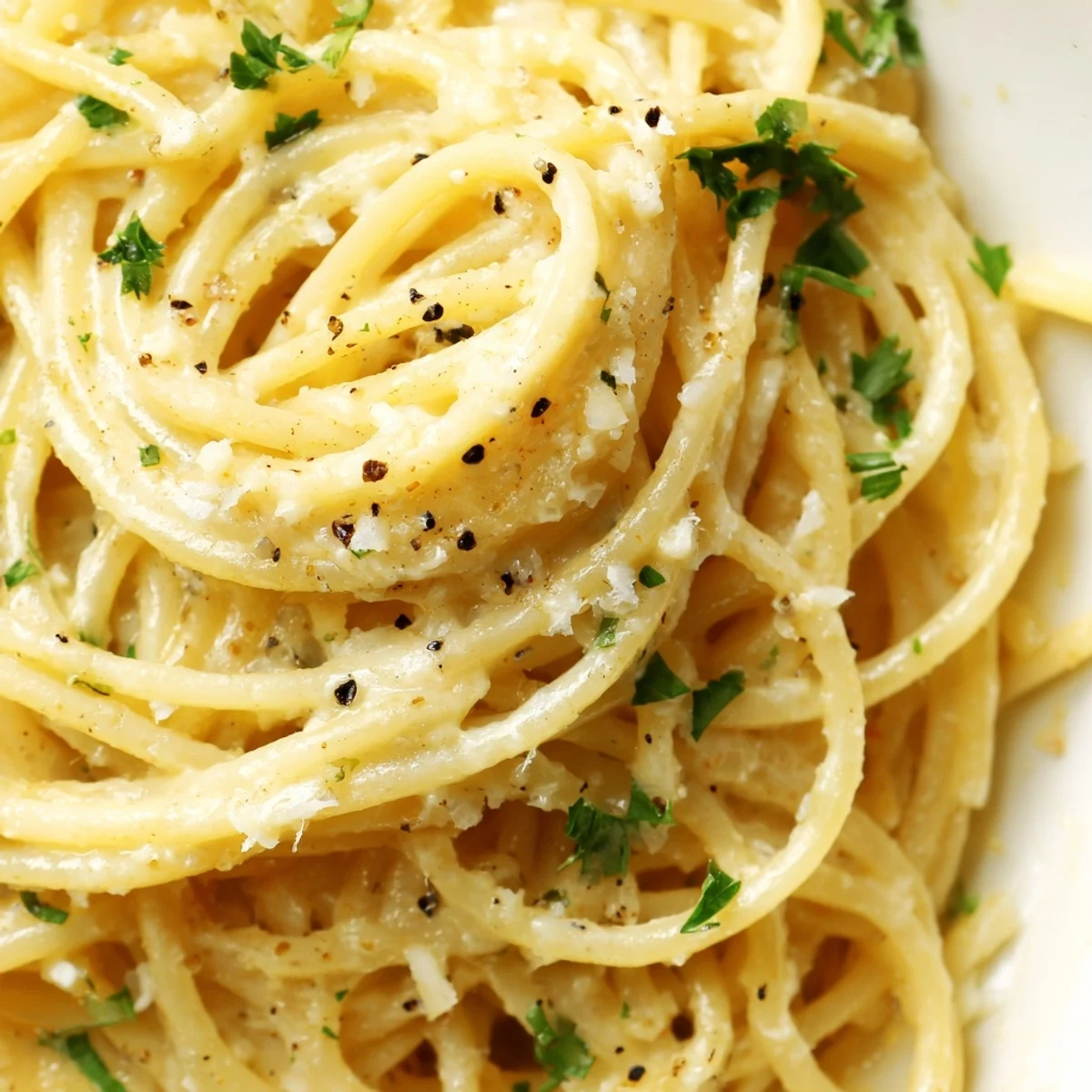
 There is something deeply satisfying about turning such humble ingredients into something so utterly delicious. This pasta reminds me that sometimes the simplest dishes are the ones that bring the most joy to the table.
Recipe Questions
- → Can I make this pasta ahead of time?
-
Best served immediately while the sauce is creamy and hot. Leftovers can be stored refrigerated for up to 2 days, though the sauce may thicken when cold. Reheat gently with a splash of water or olive oil.
- → What pasta shapes work best?
-
Spaghetti or linguine are traditional choices that coat well with the lemon-cream sauce. Fettuccine, tagliatelle, or penne also work beautifully. The key is choosing a shape with enough surface area to hold the light sauce.
- → Can I use bottled lemon juice?
-
Fresh lemon juice provides the brightest, most vibrant flavor. Bottled juice can be used in a pinch but may lack the fresh citrus notes and brightness that make this dish special.
- → Why reserve pasta water?
-
The starchy pasta water is essential for creating a silky, emulsified sauce that clings to the noodles. It helps the cheese melt smoothly and binds the lemon juice and oil into a cohesive coating.
- → How do I prevent the sauce from separating?
-
Keep the heat at medium or lower when combining ingredients. Add the cheese gradually while tossing constantly, and incorporate the pasta water slowly. This gentle process ensures a smooth, creamy consistency.
- → Can I add vegetables or protein?
-
Excellent with sautéed spinach, peas, or asparagus. Grilled chicken, shrimp, or pan-seared salmon make wonderful protein additions. Add vegetables during the garlic step and proteins after plating.