
 Pin It
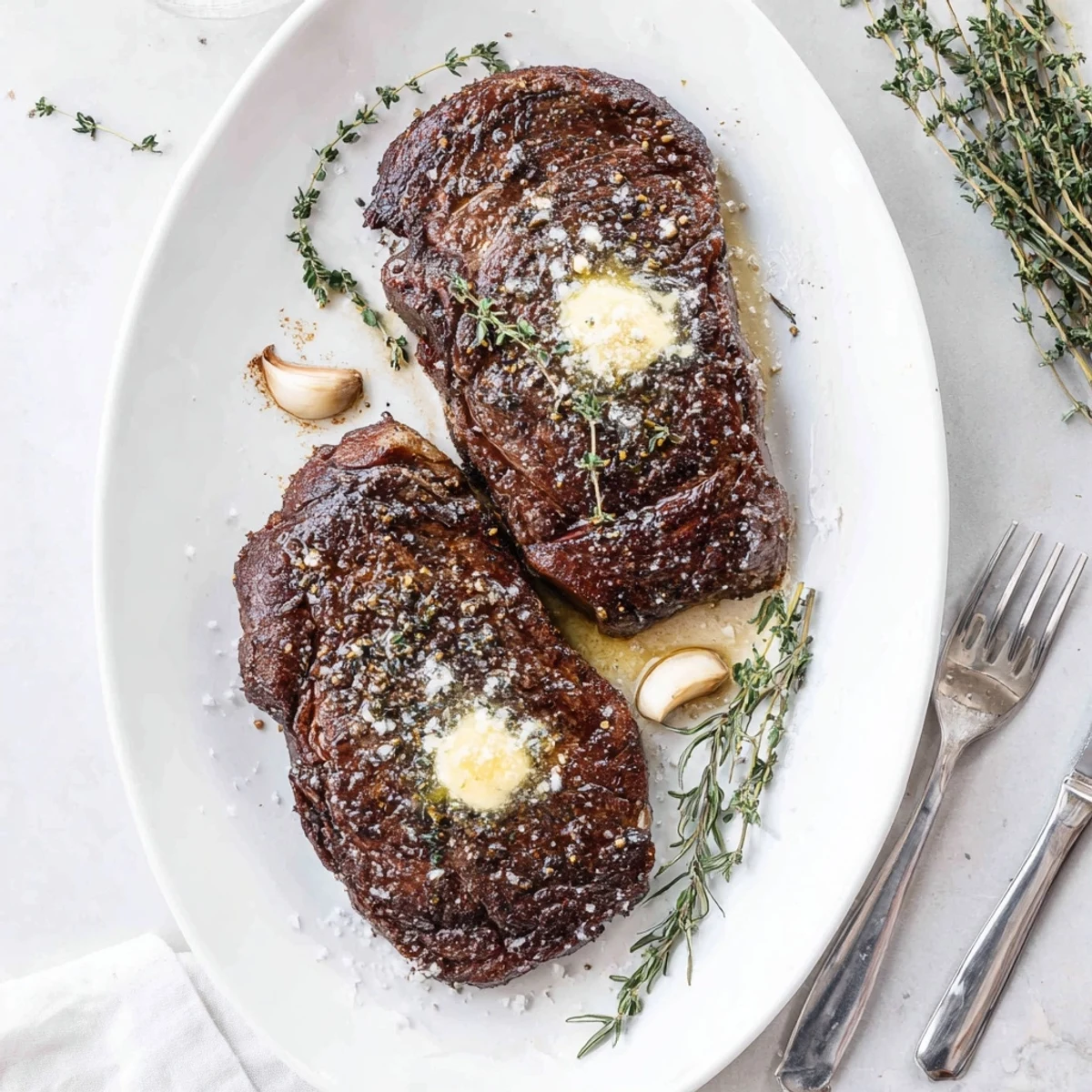
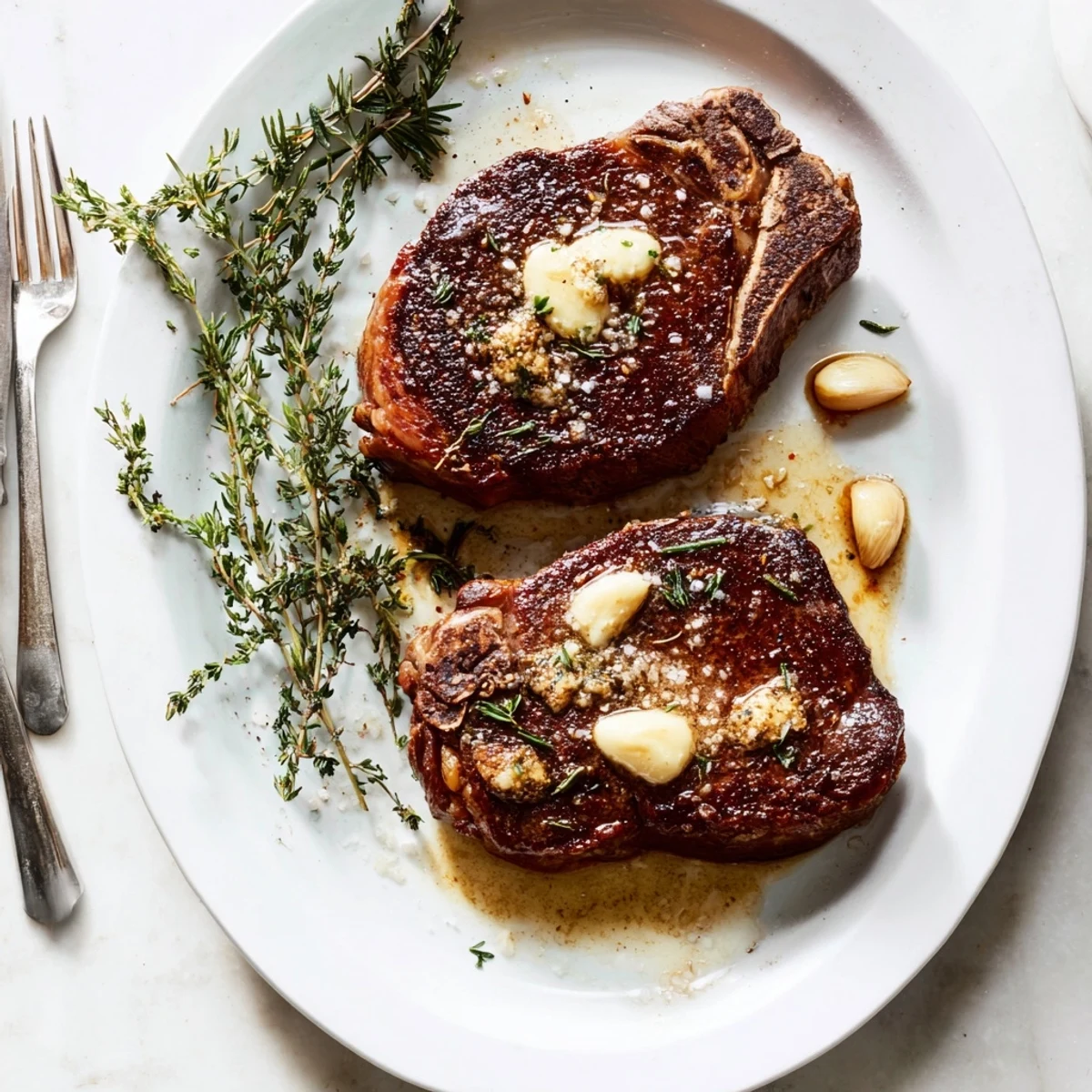
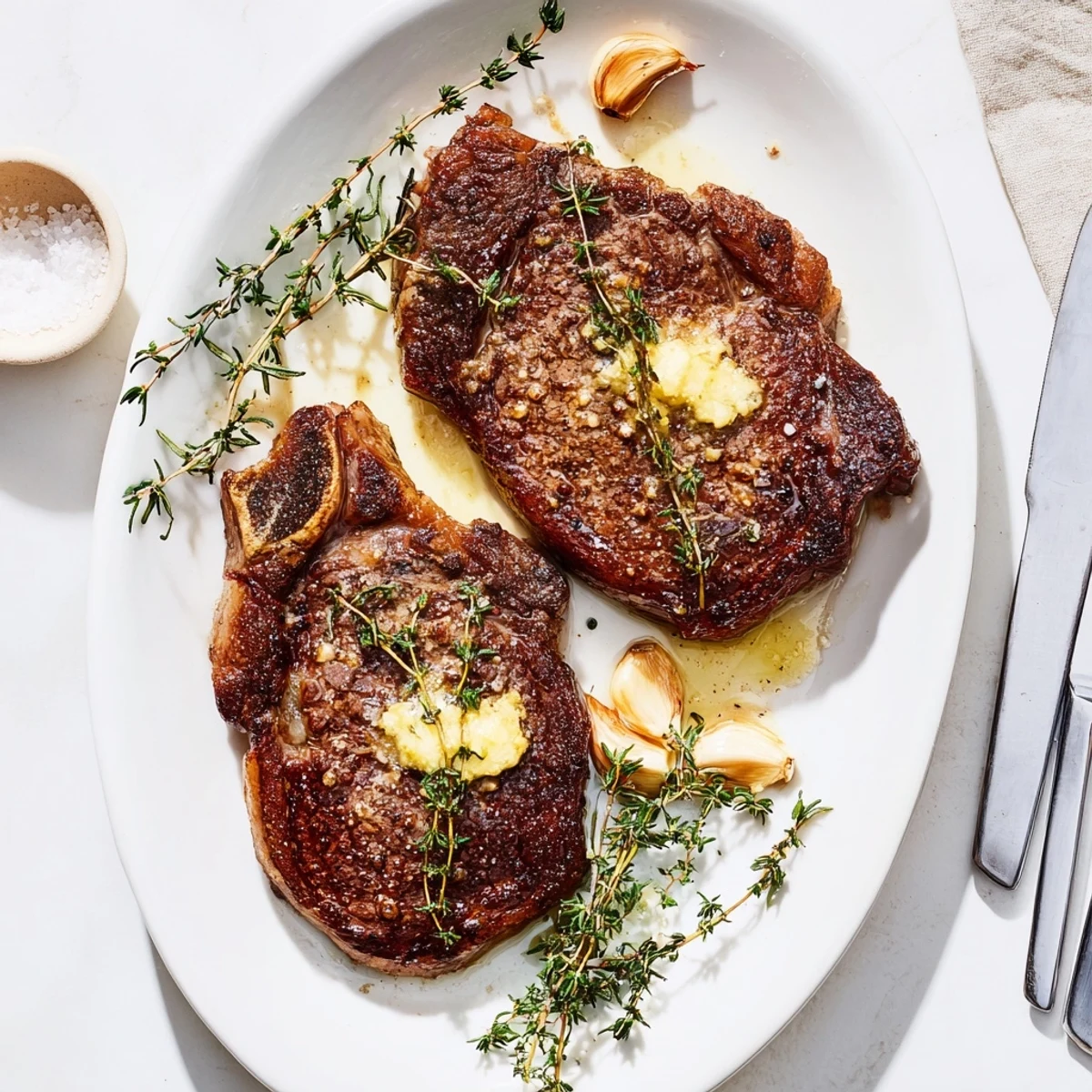
 Master the art of pan-searing ribeye steak for restaurant-quality results at home. This method creates a beautiful caramelized exterior while keeping the interior tender and juicy. The finishing touch of melted garlic butter with fresh thyme and rosemary adds incredible depth of flavor.
The technique works best with thick-cut steaks at room temperature, ensuring even cooking. Letting the meat rest after cooking is crucial for maximum tenderness and juiciness.
The kitchen was quiet except for the sizzle when that first ribeye hit the screaming-hot cast iron. I'd been intimidated by steak for years, convinced restaurants held some secret I couldn't replicate at home. Turns out, the secret is just patience and really good butter.
My dad taught me that sound—that proper sear sizzle—during a Sunday dinner where he stubbornly refused help. He'd mastered the art of not touching the meat, letting the pan do its work. Now every time I make ribeye, I hear his voice saying 'just wait for it' in my head.
Ingredients
- 2 ribeye steaks (about 1 inch thick): Room temperature is non-negotiable here—cold steak cooks unevenly and you'll miss that perfect edge-to-edge pink center
- Kosher salt: Season generously like you're salting a sidewalk in winter, then add a little more
- Freshly ground black pepper: Grind it right before seasoning for maximum punch
- 2 tablespoons unsalted butter: This creates your basting liquid and carries all those garlic herb flavors
- 3 garlic cloves, smashed: Smashing releases more oil than mincing, infusing your butter faster
- 3 sprigs fresh thyme and 2 sprigs fresh rosemary: These woody herbs can take the high heat without turning bitter
- 1 tablespoon high-heat oil: Avocado or canola won't burn at searing temperatures like olive butter would
Instructions
- Prep your steaks:
- Pat them completely dry with paper towels—any surface moisture will steam instead of sear. Season both sides aggressively with salt and pepper.
- Get your pan ripping hot:
- Heat that cast iron over high heat for about 2 minutes. You should feel the heat radiating when you hover your hand above it.
- Sear the first side:
- Add your oil, swirl to coat, then lay in the steaks. Do not touch them for 3 to 4 minutes. Let that crust develop.
- Flip and add your flavor builders:
- Turn the steaks over, then toss in butter, garlic, and herbs. The butter will foam and smell incredible immediately.
- Baste like a pro:
- Tilt your pan and spoon that melting, herb-infused butter over the steaks continuously for 2 to 3 minutes. Aim for 125°F for rare or 135°F for medium-rare.
- The rest that matters:
- Move steaks to a cutting board and walk away for 5 full minutes. This lets juices redistribute so they stay in the meat, not on your board.
 Pin It
 This recipe turned Sunday dinners into something my family actually talks about beforehand. The ritual of gathering around the stove to watch the basting has become its own event.
Choosing The Right Steak
I've learned that marbling matters more than the fancy label on the package. Those white streaks of fat are what self-bastes the meat from the inside out. Look for consistent distribution throughout rather than just one big fat cap.
Temperature Timing
Your steak keeps cooking after it leaves the pan, usually climbing another 5 degrees during rest. Pull it early rather than late—you can always put it back, but you can't un-cook a perfect medium-rare.
Pan Selection Secrets
Cast iron holds heat differently than stainless steel or non-stick, creating that aggressive sear you're after. A heavy pan also stays hot when cold meat hits it, maintaining the cooking temperature. If you only have stainless, crank the heat a little higher and extend the initial sear by about 30 seconds.
- Preheat your oven to warm and place plates inside for restaurant-style serving
- Keep a small bowl of kosher salt nearby for re-seasoning after flipping
- Clean your cast iron while it's still warm with hot water and a stiff brush
 Pin It
 There's something deeply satisfying about cooking steak well, like you've unlocked some fundamental kitchen skill. Get the sear right once, and you'll never order steak at a restaurant again.
Recipe Questions
- → What temperature should ribeye steak be cooked to?
-
For rare, aim for 125°F (52°C). Medium-rare reaches 135°F (57°C). Use an instant-read thermometer for accurate results.
- → Why must steak rest before serving?
-
Resting allows juices to redistribute throughout the meat, ensuring maximum tenderness and preventing them from running out when cut.
- → Can I use a different pan?
-
Cast-iron is ideal for high heat and even searing. A heavy stainless steel pan works too, but avoid non-stick which cannot handle the high temperatures needed.
- → How do I know when the crust is ready?
-
The steak will release easily from the pan when a golden-brown crust forms, typically after 3–4 minutes. Don't move it early for the best sear.
- → What herbs work best with steak?
-
Fresh thyme and rosemary are classic choices. Sage and rosemary also pair beautifully with beef, adding earthy notes that complement the rich flavor.