
 Pin It
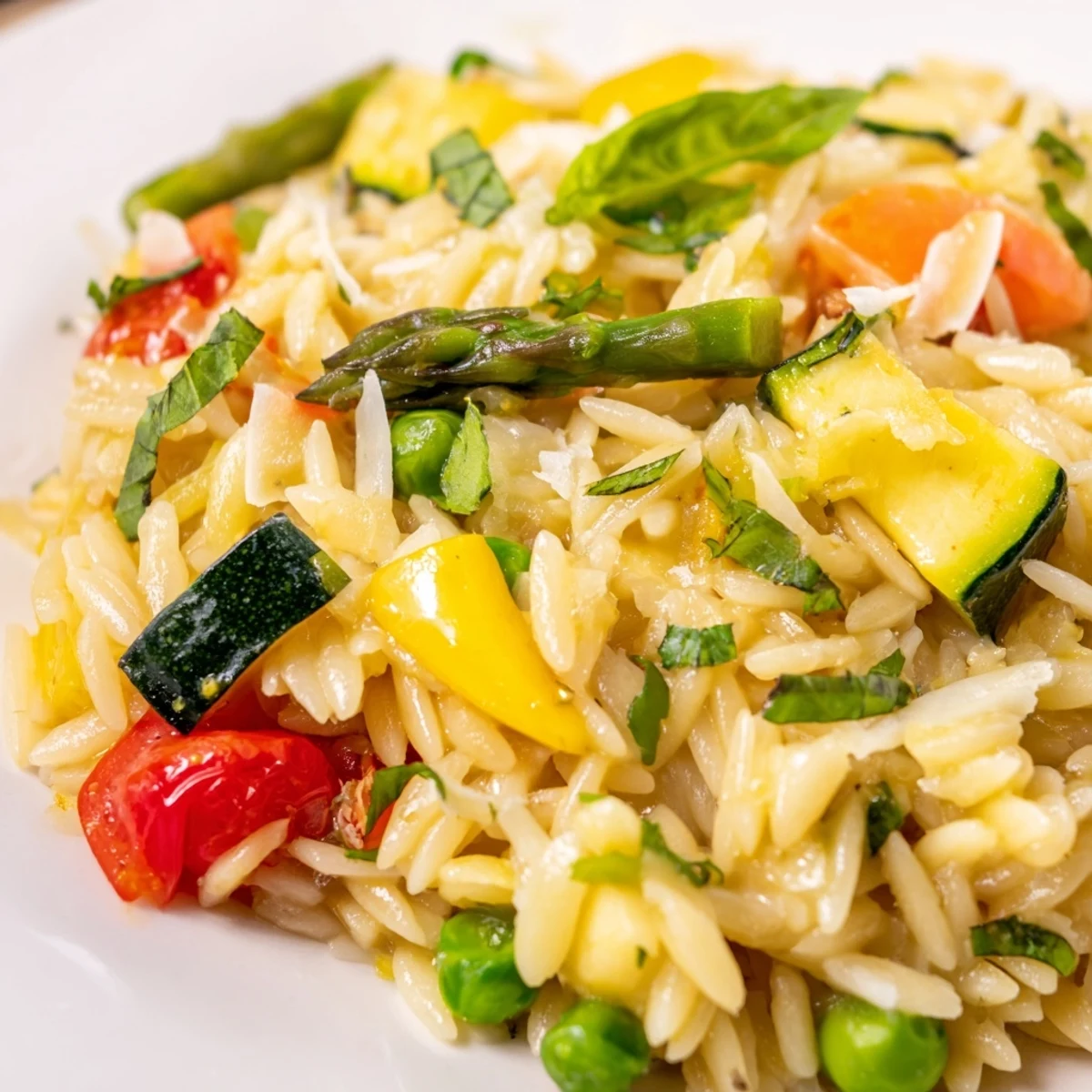
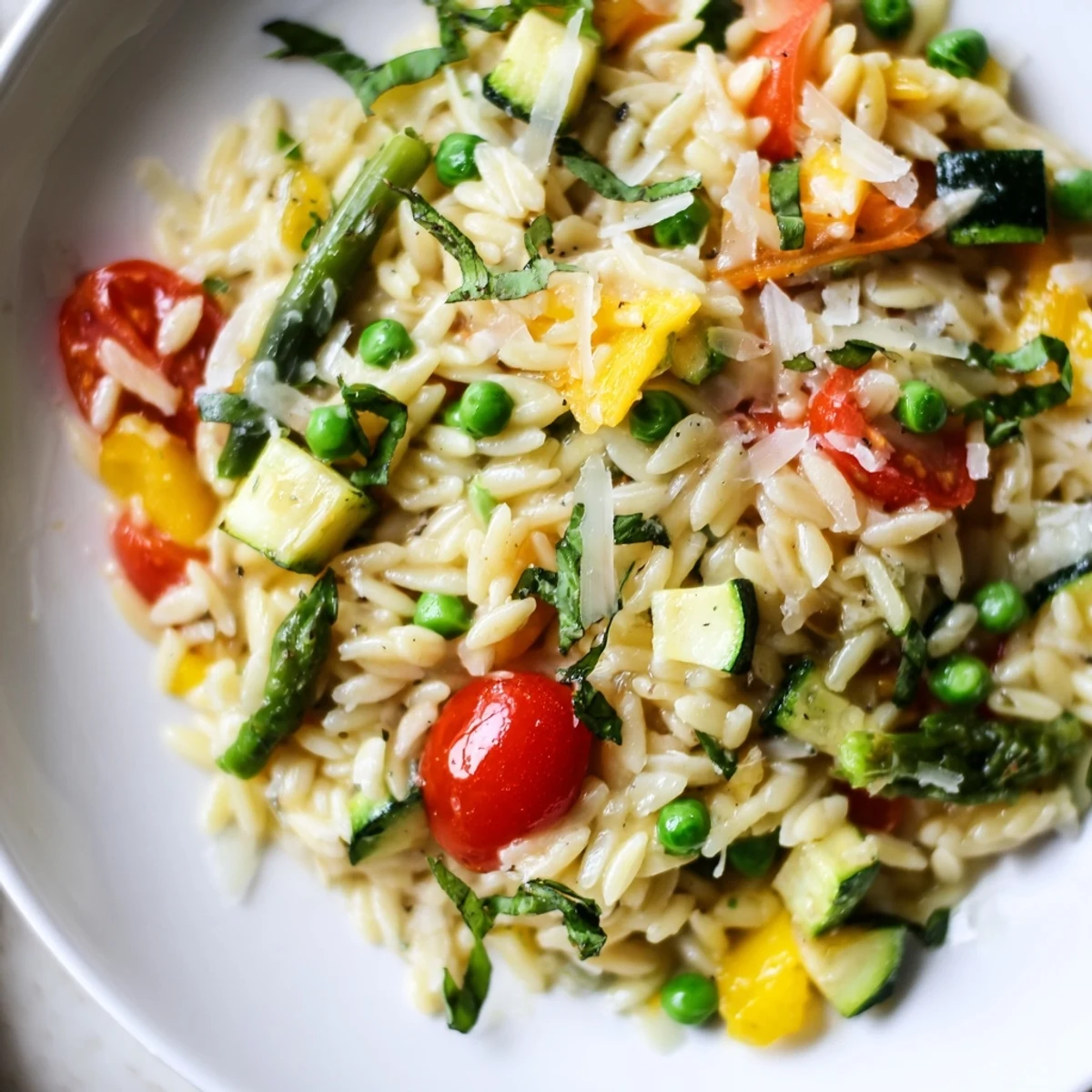
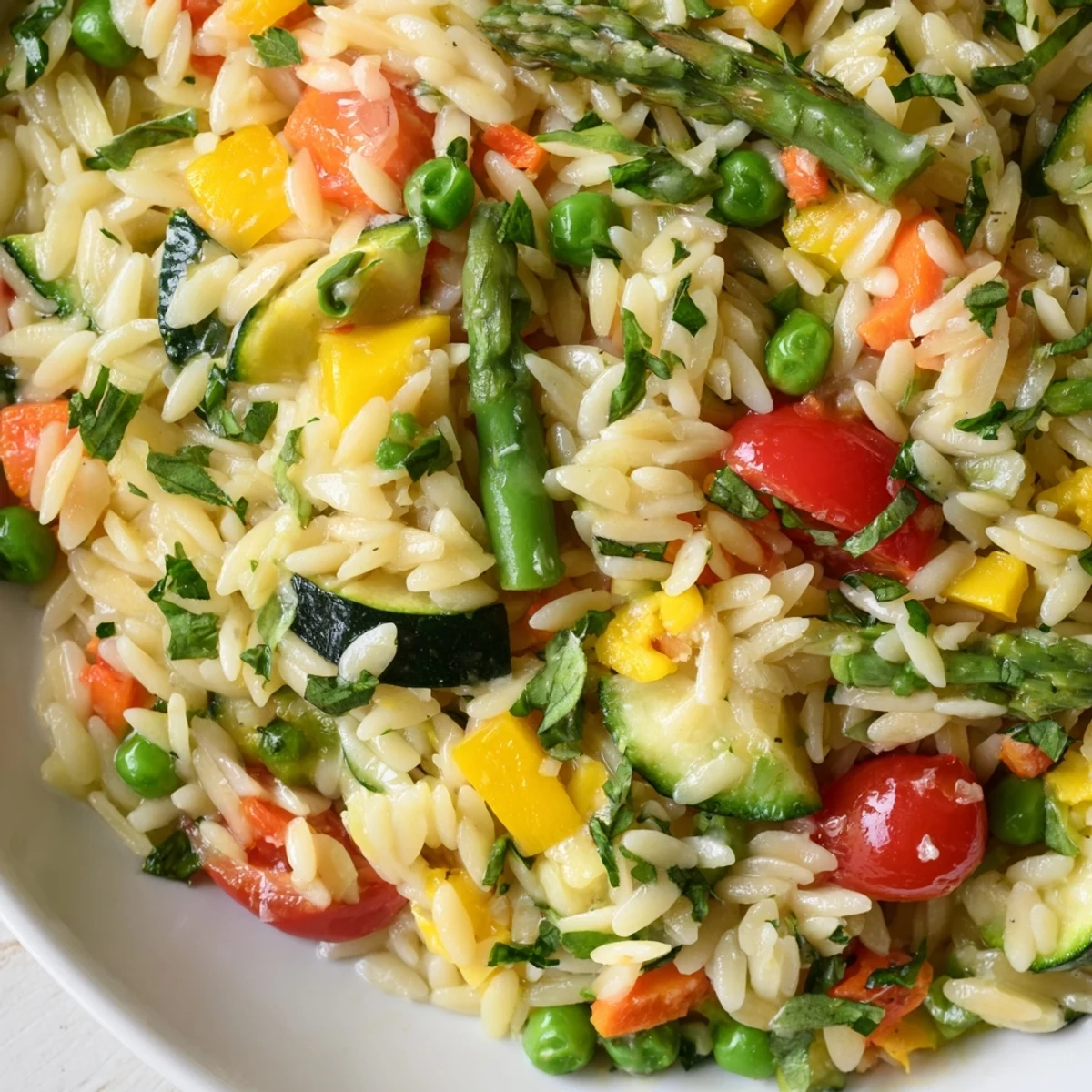
 This vibrant Italian-inspired dish combines tender orzo pasta with a colorful medley of fresh spring vegetables. The orzo cooks in just 10 minutes while crisp-tender zucchini, cherry tomatoes, bell pepper, asparagus and peas sauté separately with fragrant garlic.
Everything comes together in a light, creamy sauce enriched with reserved pasta water, grated Parmesan, bright lemon zest and juice. Fresh basil and parsley add the perfect finishing touch. The entire dish comes together in 35 minutes, making it ideal for busy weeknights yet elegant enough for entertaining.
Serve hot with extra Parmesan and crusty bread to soak up the flavorful sauce. The dish naturally pairs beautifully with crisp white wines like Pinot Grigio.
The first time I made orzo primavera, I was hosting a last-minute dinner for friends who showed up unexpectedly. I raided my fridge for whatever vegetables I had on hand, and somehow this colorful, chaotic bowl became the star of the evening. Now it's my go-to when I want something that feels fancy but comes together in under half an hour.
Last spring, my neighbor dropped off a basket of vegetables from her garden, and this dish was born from that abundance. We ate it on her back porch while the sun went down, and I remember thinking how something so simple could taste so extraordinary. The lemon zest was my daughter's idea, and she was absolutely right about it.
Ingredients
- 250 g orzo pasta: This rice-shaped pasta absorbs sauce beautifully and feels elegant without any extra effort
- 1.5 L water: Plenty of water prevents the orzo from clumping together as it cooks
- 1 tsp salt: Salting the cooking water is the only chance to season the pasta itself
- 1 small zucchini, diced: Adds a mild sweetness and holds its shape beautifully when sautéed
- 1 cup cherry tomatoes, halved: They burst slightly in the pan, creating little pockets of juicy sweetness
- 1 yellow bell pepper, diced: Brings crunch and a bright pop of color to the dish
- 1 cup asparagus, cut into 2 cm pieces: Spring's best vegetable, adding a fresh grassy flavor
- 1 cup fresh or frozen peas: Tiny bursts of sweetness that make the dish feel playful
- 2 tbsp olive oil: The foundation that carries all the garlic and vegetable flavors
- 3 cloves garlic, minced: Don't be shy with garlic, it's the aromatic backbone of the whole dish
- 1/2 cup grated Parmesan cheese: Creates a creamy sauce without any cream, plus extra for serving because you'll want more
- Zest of 1 lemon: This brightens every element and cuts through the richness
- 2 tbsp fresh lemon juice: Adds just enough acidity to make all the flavors sing
- Salt and black pepper, to taste: Finish with a generous hand, especially freshly ground pepper
- 2 tbsp chopped fresh basil: Tear it by hand for the most aromatic result
- 2 tbsp chopped fresh parsley: Adds a fresh, herbal finish that makes the dish taste garden-fresh
Instructions
- Get the orzo going:
- Bring your water and salt to a rolling boil, then cook the orzo until it's al dente, usually about 8 minutes. Don't forget to reserve that half cup of cooking water before draining, it's liquid gold for making everything come together.
- Start the aromatics:
- While the pasta cooks, warm your olive oil in a large skillet over medium heat. Add the garlic and let it sizzle for just one minute until you can smell it, watching carefully so it doesn't brown.
- Cook the vegetables:
- Add all your prepared vegetables to the pan and sauté them for 4 to 5 minutes. You want them tender but still with some crunch, nothing sadder than mushy spring vegetables.
- Bring it all together:
- Add the cooked orzo to the skillet along with that precious reserved pasta water. Stir in the Parmesan, lemon zest, and lemon juice, tossing until the cheese melts and creates a silky sauce that coats everything.
- Season and finish:
- Taste and adjust your salt and pepper, then remove from heat. Stir in the fresh basil and parsley just before serving to keep their flavor bright and vibrant.
 Pin It
 This recipe became my daughters most requested birthday dinner after she helped me make it for the first time. Something about the colorful vegetables and the bright lemon flavor just makes people happy around the table. I've started making double batches because leftovers disappear the next day.
Making It Your Own
I've made this with whatever vegetables are in season, and somehow it always works. Summer corn cut from the cob, diced eggplant in late summer, or even roasted butternut squash in fall all find their way into this forgiving dish. The key is keeping the vegetables in similar-sized pieces so they cook evenly.
Getting The Texture Right
The contrast between tender orzo and vegetables with a bit of crunch is what makes this dish sing. I've learned the hard way that overcrowding the pan steams the vegetables instead of sautéing them, so use your largest skillet. A truly hot pan creates those delicious caramelized edges that add depth to every bite.
Serving Suggestions
This dish stands alone beautifully as a light vegetarian main, but I love serving it alongside grilled fish or chicken for heartier appetites. A crisp white wine like Pinot Grigio cuts through the Parmesan and complements the vegetables perfectly. I always set out extra Parmesan at the table because everyone wants to add more.
- Grate your Parmesan fresh from a block, pre-grated cheese doesn't melt the same way
- Room temperature vegetables cook more evenly than cold ones straight from the fridge
- Let the dish rest for 5 minutes before serving, this allows the flavors to meld together
 Pin It
 There's something deeply satisfying about a bowl of pasta that tastes like sunshine and spring all at once. Hope this brings as much joy to your table as it has to mine.
Recipe Questions
- → Can I make orzo primavera ahead of time?
-
Yes, you can prepare this dish up to a day in advance. Store it in an airtight container in the refrigerator. When reheating, add a splash of water or olive oil to refresh the creamy texture. The flavors often meld together beautifully overnight.
- → What vegetables work best in orzo primavera?
-
Spring vegetables shine here—asparagus, peas, zucchini, and cherry tomatoes are classic choices. You can also substitute or add snap peas, artichoke hearts, or young green beans. The key is using vegetables that cook quickly and stay vibrant.
- → How do I prevent orzo from becoming mushy?
-
Cook orzo until al dente according to package instructions, usually 8-10 minutes. Drain immediately and reserve some pasta water before rinsing with cool water to stop cooking. The starchy pasta water helps create a silky sauce when added back to the skillet.
- → Can I use other pasta shapes instead of orzo?
-
While orzo's small rice-like shape is traditional, you can substitute other small pasta shapes like orecchiette, small shells, or ditalini. Adjust cooking time accordingly and remember that different shapes may hold sauce differently.
- → Is there a protein-free way to add substance?
-
Absolutely. You can add white beans like cannellini or chickpeas during the last few minutes of cooking. These provide protein and creaminess while maintaining the vegetarian profile. Another option is stirring in fresh mozzarella pearls before serving.
- → What herbs complement lemon-Parmesan sauce?
-
Fresh basil and parsley are classic Italian choices that brighten the dish. You can also add fresh mint for a springtime twist, or tarragon for subtle anise notes. Dried herbs like oregano or Italian seasoning work if fresh aren't available.