
 Pin It
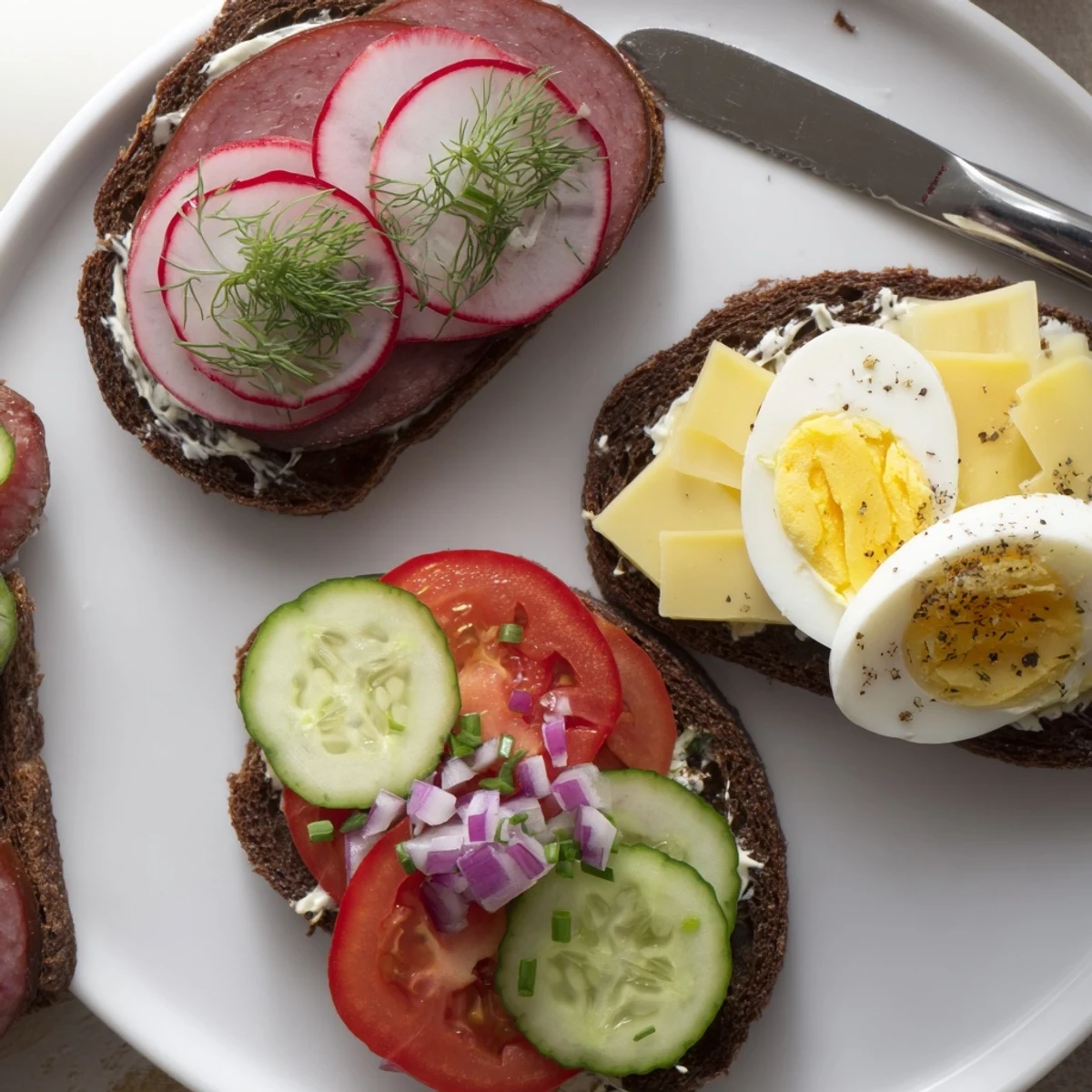
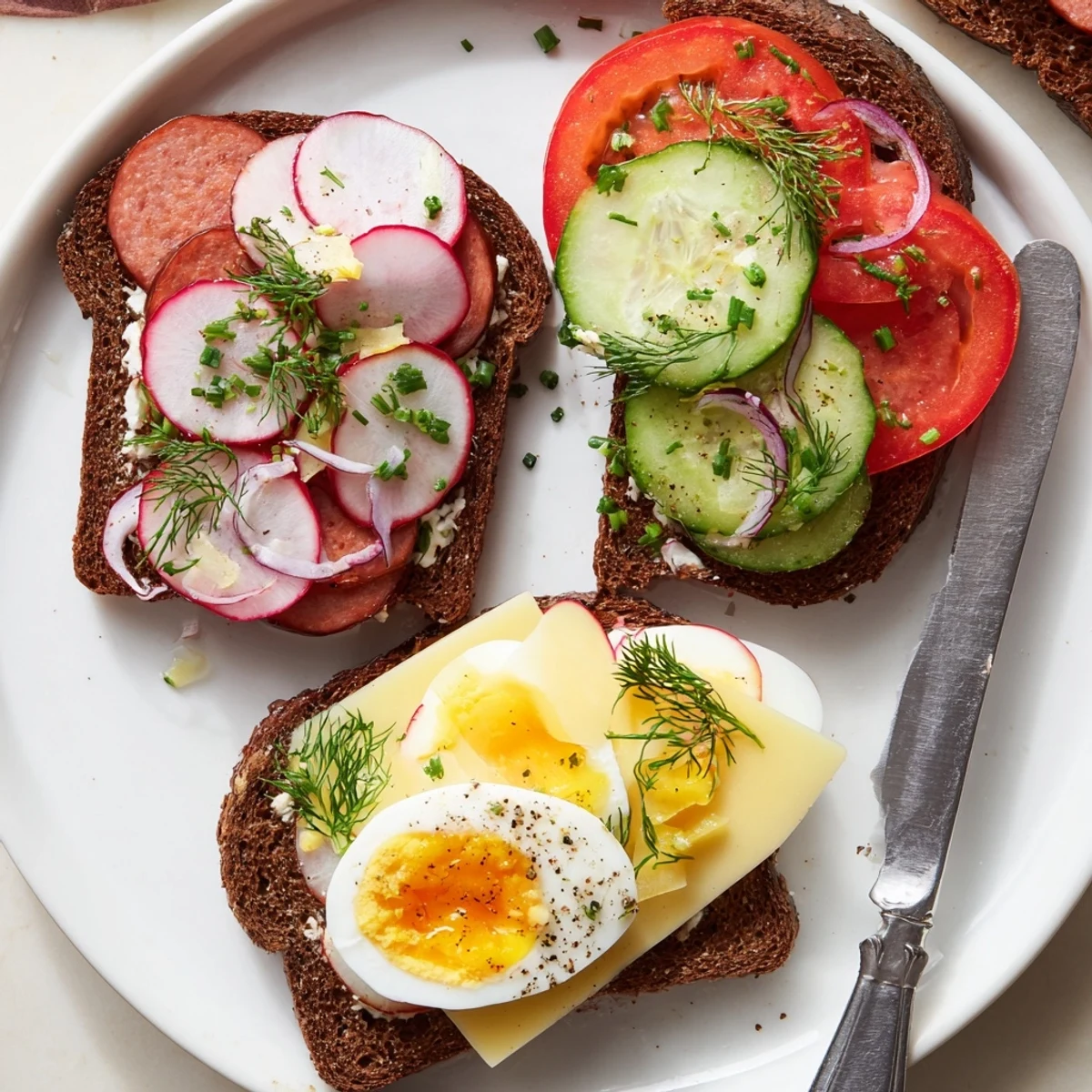
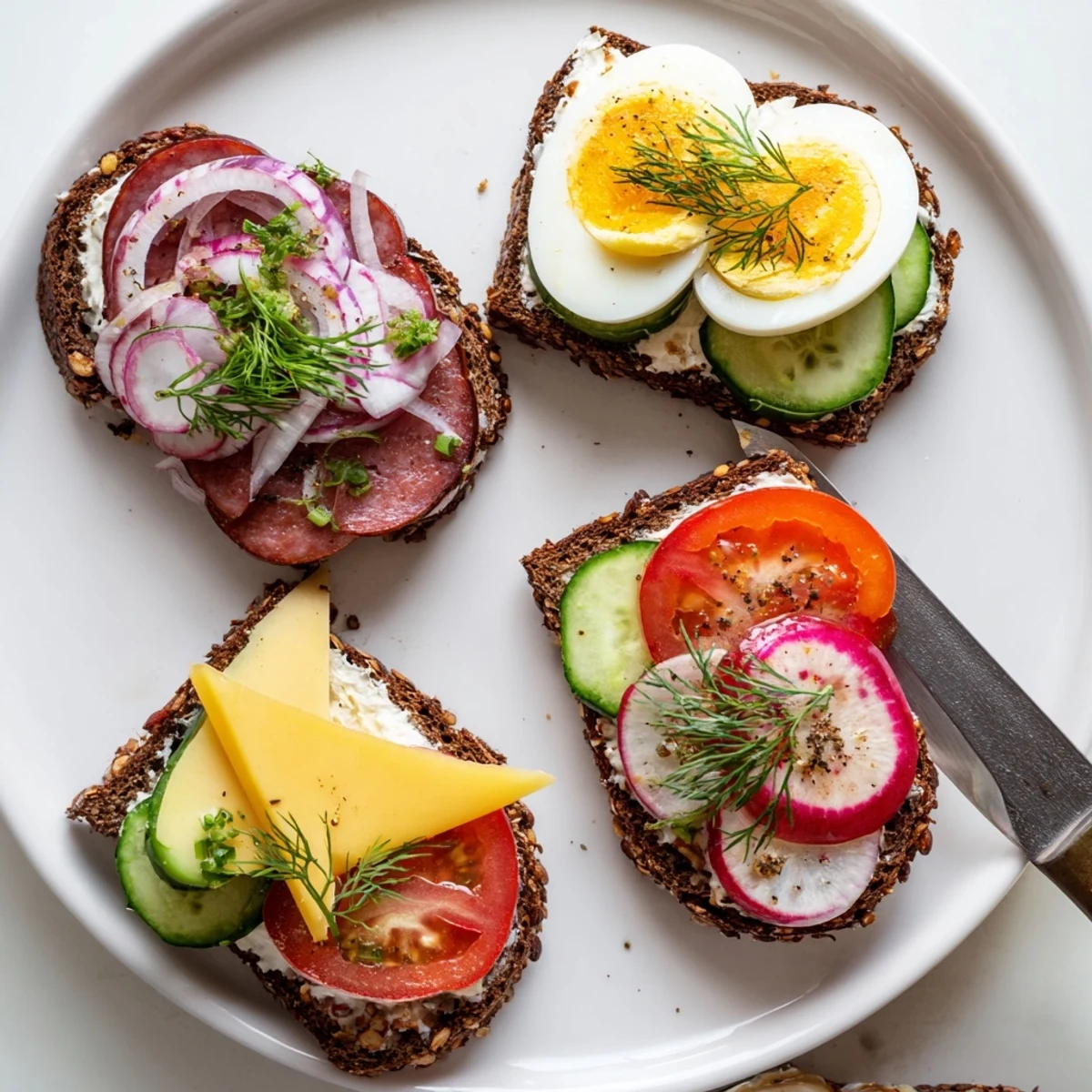
 Polish kanapki are vibrant open-faced sandwiches built on slices of hearty rye bread or baguette, generously spread with butter or cream cheese. Each piece is layered with your choice of kielbasa, smoked ham, hard-cooked egg, or melted yellow cheese, then finished with crisp vegetables like tomato, cucumber, radish, and red onion.
These sandwiches come together in just 15 minutes with zero cooking required, making them an effortless option for busy mornings, casual lunches, or entertaining guests. A sprinkle of fresh chives or dill and a crack of black pepper ties everything together beautifully.
Highly customizable and served immediately after assembling, kanapki are a staple of Polish hospitality and everyday eating alike.
My babcia would line up slices of rye bread on her worn wooden board every Sunday morning, and we would all crowd around the kitchen table building our own kanapki with whatever she had pulled from the icebox that day.
I once watched my uncle carefully construct a kanapka with ten different toppings stacked so high he had to tilt his head sideways to take the first bite, and the whole room erupted laughing.
Ingredients
- 8 slices rye bread or baguette: Rye is the traditional backbone here, and its sour depth holds up beautifully under heavy toppings without collapsing.
- 3 tbsp unsalted butter, softened: Let it sit at room temperature for thirty minutes so it spreads without tearing the bread.
- 2 tbsp cream cheese (optional): A thin layer adds a mild tang that works especially well under egg or vegetable toppings.
- 4 slices kielbasa or smoked ham: The smoky saltiness of good kielbasa is what gives these sandwiches their Polish soul.
- 4 slices cooked egg: Hard boil them until just set, then cool completely so the slices hold their shape on the bread.
- 4 slices yellow cheese (Edam or Gouda): A mild cheese lets the other flavors speak while adding a creamy layer of richness.
- 1 tomato, thinly sliced: Use a serrated knife for clean cuts and let the slices drain on paper towel first to avoid soggy bread.
- 1 small cucumber, thinly sliced: Polish cucumbers are smaller and sweeter, but any fresh cucumber with the skin on works nicely.
- 1/4 red onion, thinly sliced: Soak the slices in cold water for five minutes if you want a gentler bite.
- 8 radishes, thinly sliced: Their peppery crunch is a quiet surprise most people do not expect on a sandwich.
- Fresh chives or dill, chopped: Dill is practically a food group in Poland, and it ties everything together beautifully.
- Salt and freshly ground black pepper: Just a pinch on the vegetables makes all the difference between flat and vibrant.
Instructions
- Lay the foundation:
- Arrange all eight bread slices on a clean cutting board or tray so you have a clear workspace and can see how many you are building at once.
- Spread the base:
- Use a butter knife to cover each slice evenly with softened butter or cream cheese, making sure to reach the edges so every bite carries that richness.
- Build the protein layer:
- Lay one piece of kielbasa, ham, egg, or cheese on each slice, folding gently if needed to fit without hanging too far over the edges.
- Add the fresh vegetables:
- Arrange tomato, cucumber, onion, and radish slices on top, overlapping slightly for color and making each sandwich look abundant and inviting.
- Finish with herbs and seasoning:
- Sprinkle chopped chives or dill across the top, add a small pinch of salt and pepper, and step back to admire your work before serving immediately.
 Pin It
 There is something profoundly comforting about a meal that requires no heat, no timing, and no real skill, yet still gathers everyone around the table with bright eyes and ready hands.
Choosing the Right Bread
Dense, seeded rye from an Eastern European bakery will always give you the most authentic result, but a good sourdough or a crusty baguette sliced on the bias works in a pinch.
Making It Your Own
The real beauty of kanapki is that there are no rules, only preferences passed down and then quietly abandoned by each generation in favor of whatever is in the fridge.
Serving and Pairing Suggestions
Arrange the finished sandwiches on a long platter with garnishes tucked between them and watch how people gravitate toward the table before you have even announced the food is ready.
- A pot of strong black tea with lemon is the traditional Polish accompaniment and somehow makes the whole spread feel more complete.
- A cold crisp lager works just as well for evening gatherings.
- Always make two or three extra sandwiches because someone will inevitably come back for more.
 Pin It
 These humble open faced sandwiches carry the warmth of every Polish kitchen I have ever sat in, and now they are yours to build however you see fit.
Recipe Questions
- → What type of bread works best for kanapki?
-
Traditional Polish kanapki are most commonly made with dense, dark rye bread, which provides a sturdy base and a slightly sour flavor that complements the toppings. A fresh baguette, sourdough, or wholegrain loaf also works well if rye isn't available.
- → Can I prepare the toppings ahead of time?
-
Yes, you can slice all vegetables, cheeses, and proteins in advance and store them separately in airtight containers in the refrigerator. Assemble the sandwiches just before serving to keep the bread from becoming soggy and the vegetables crisp.
- → Are kanapki served cold or warm?
-
Kanapki are typically served at room temperature or cold. Since all the components are ready-to-eat without additional cooking, they're assembled fresh and served immediately for the best texture and flavor.
- → What are common variations of Polish kanapki?
-
Popular variations include using pâté, smoked fish like mackerel or salmon, pickled herring, or mushrooms as the protein base. Some versions incorporate horseradish, pickled cucumbers, or lettuce for extra crunch and tanginess.
- → Can kanapki be made vegetarian?
-
Absolutely. Skip the kielbasa and ham, and instead load up on sliced hard-boiled eggs, cheese, and an generous amount of fresh and pickled vegetables. Cream cheese seasoned with herbs makes an excellent vegetarian spread.
- → How do I keep assembled kanapki from drying out?
-
Cover the assembled sandwiches loosely with a damp paper towel or plastic wrap if you need to hold them for a short time before serving. The butter or cream cheese spread also acts as a moisture barrier between the bread and toppings.