
 Pin It
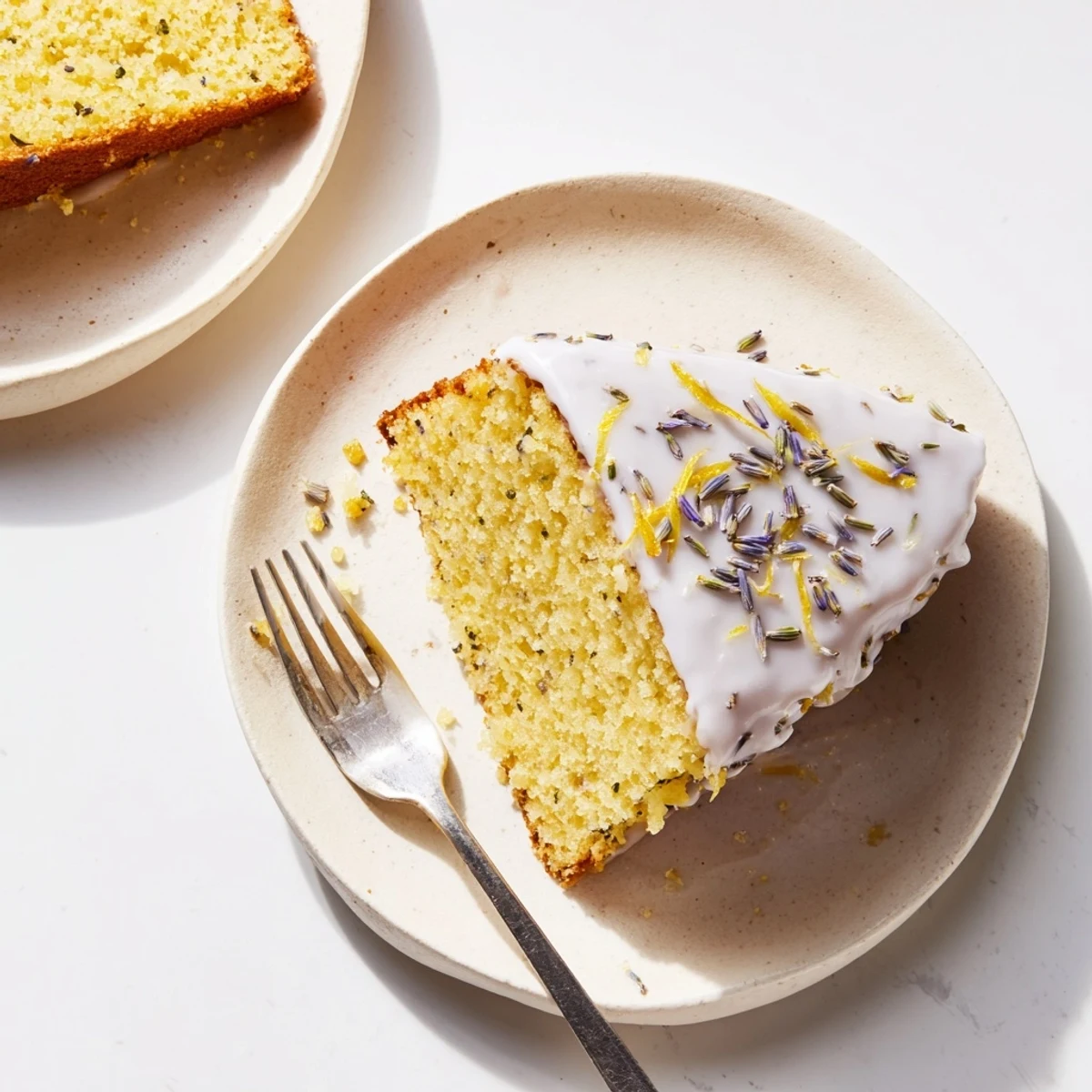
 This elegant dessert brings together the bright, zesty essence of fresh lemons with the gentle floral aroma of culinary lavender. The result is a wonderfully moist tender cake that feels special enough for spring celebrations yet simple enough for everyday baking.
The key lies in rubbing the lemon zest into the sugar first, which releases the citrus oils throughout the batter. A final drizzle of tangy lemon glaze adds the perfect sweet finish, making each bite feel like a treat from a European patisserie.
My neighbor's lavender bushes spill over our shared fence, and last spring she finally convinced me to bake something floral instead of just admiring the purple blooms from afar. I was skeptical about flowers in dessert, but one bite of this cake changed everything. The way lemon and lavender dance together makes complete sense, bright and comforting all at once. Now I keep a jar of dried lavender in my pantry year round.
My sister requested this for her birthday instead of chocolate, which honestly shocked everyone in the family. We sat on her back porch with tea and slices, and the conversation kept circling back to how something so pretty could taste so down to earth good. The cake was gone before the sun went down.
Ingredients
- 2 cups all-purpose flour: The foundation that holds everything together without overshadowing delicate flavors
- 1 ½ teaspoons baking powder: Gives the cake just enough lift without being too airy
- ½ teaspoon baking soda: Works with the acidic lemon juice for perfect rise
- ¼ teaspoon salt: Enhances both lemon and lavender without making the cake taste salty
- 1 tablespoon dried culinary lavender: Rub the flowers between your palms before measuring to release their aromatic oils
- 1 cup granulated sugar: Cream this with lemon zest first to infuse every crystal with citrus essence
- Zest of 2 lemons: Use a microplane and avoid the white pith for pure bright flavor
- ½ cup unsalted butter: Room temperature butter creates the perfect tender crumb
- 2 large eggs: Room temperature eggs incorporate better and prevent curdling
- 1 teaspoon vanilla extract: Pure vanilla rounds out the floral notes beautifully
- ¾ cup whole milk: Whole milk creates a richer texture than low-fat alternatives
- ⅓ cup fresh lemon juice: Adds moisture and tang that balances the sweetness
- 1 cup powdered sugar: Sift before making the glaze to avoid any lumps
- 2–3 tablespoons fresh lemon juice: Adjust to reach your perfect drizzling consistency
- ½ teaspoon dried lavender: A light sprinkle on top tells people exactly what magical flavor awaits inside
Instructions
- Get your oven ready:
- Preheat to 350°F and grease your 9-inch pan, then dust it with flour for extra insurance against sticking
- Whisk the dry team:
- Combine flour, baking powder, baking soda, salt, and chopped lavender in a medium bowl
- Infuse the sugar:
- Rub lemon zest into the granulated sugar with your fingertips until it smells like lemon heaven
- Build the base:
- Beat butter into the lemon sugar until fluffy, then add eggs one at a time followed by vanilla
- Bring it all together:
- Add dry ingredients and milk in alternating batches, finishing with lemon juice until just barely combined
- Bake to golden:
- Pour into your prepared pan and bake 30 to 35 minutes until a toothpick emerges clean from the center
- Cool completely:
- Let the cake rest 10 minutes in the pan before turning it onto a wire rack to cool fully
- Make the magic glaze:
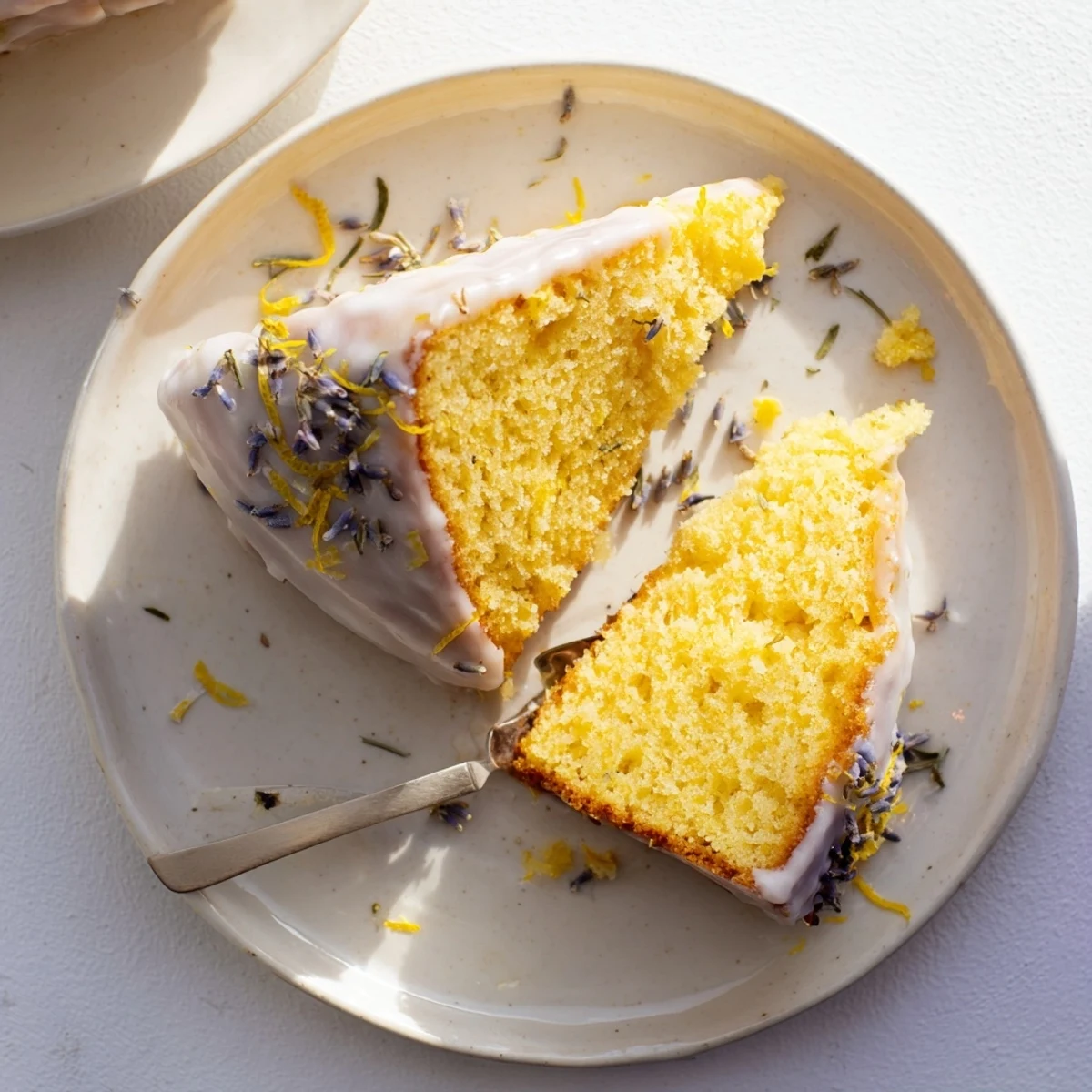
- Whisk powdered sugar with lemon juice until smooth and pourable, then drizzle generously over the cooled cake
 Pin It
 My friend confessed she normally skips glazes to save time, but after trying this cake she said the tart lemon icing is what makes the whole thing sing. Sometimes those extra five minutes in the kitchen are absolutely worth it.
Getting the Lavender Balance Right
I once accidentally doubled the lavender and ended up with a cake that tasted like soap. Trust me when I say one tablespoon is plenty. The lavender should whisper, not shout, and the lemon should still be the star of the show.
When to Glaze
Warm cake melts the glaze right off and cool cake can make it set too quickly. Wait until the cake feels completely room temperature, about an hour after cooling on the rack. The glaze will spread beautifully and set just enough to be perfect.
Serving Suggestions
This cake loves company and shows off best on a pretty cake stand. The flavors bloom even more the next day, so it is a brilliant make-ahead dessert for brunch.
- Serve with Earl Grey tea to bring out the floral notes
- A dollop of lightly sweetened whipped cream makes it extra special
- Store covered at room temperature for up to three days
 Pin It
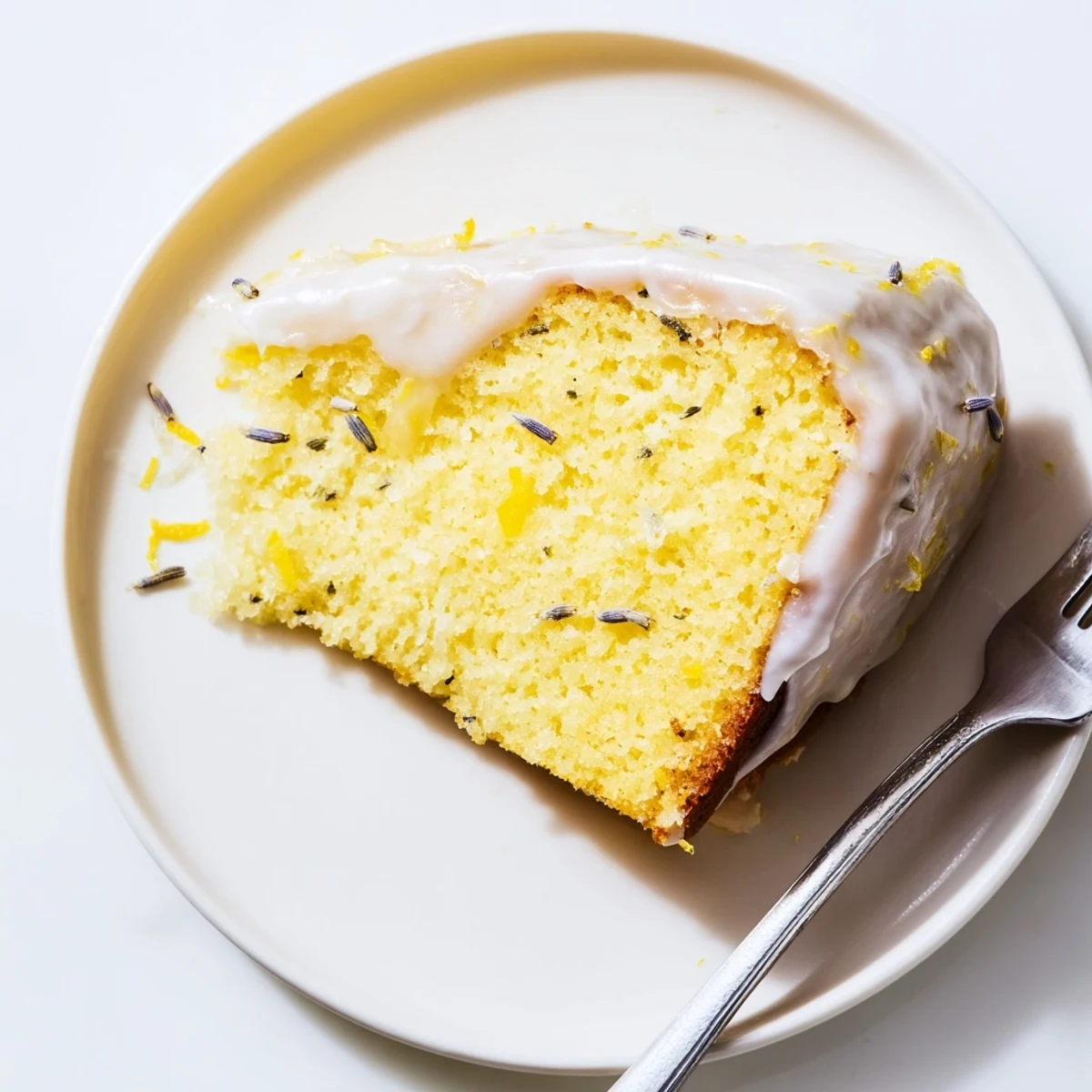
 There is something almost magical about cutting into a cake that looks as pretty as it tastes. This recipe reminds me that the best things in life really do bloom from patience and a little bit of creativity.
Recipe Questions
- → Can I use fresh lavender instead of dried?
-
Yes, but use three times the amount of fresh lavender since it's less potent than dried. Make sure it's culinary-grade and has been grown without pesticides.
- → How should I store this cake?
-
Keep at room temperature in an airtight container for up to 3 days. Refrigerate if your kitchen is particularly warm, though this may affect the texture slightly.
- → Can I make this ahead of time?
-
The cake layers can be baked and frozen for up to a month. Thaw overnight before glazing. The glaze is best applied the day you plan to serve.
- → What pairs well with this cake?
-
Earl Grey tea, chamomile, or a delicate green tea complement the floral notes beautifully. A dollop of crème fraîche or clotted cream also works wonderfully.
- → Why is my cake dense?
-
Overmixing the batter once flour is added can create a dense texture. Mix just until combined, and ensure your ingredients are at room temperature before beginning.
- → Can I make cupcakes instead?
-
Absolutely. Fill lined cupcake tins two-thirds full and reduce baking time to 18-22 minutes. You'll get approximately 18-20 cupcakes.