
 Pin It
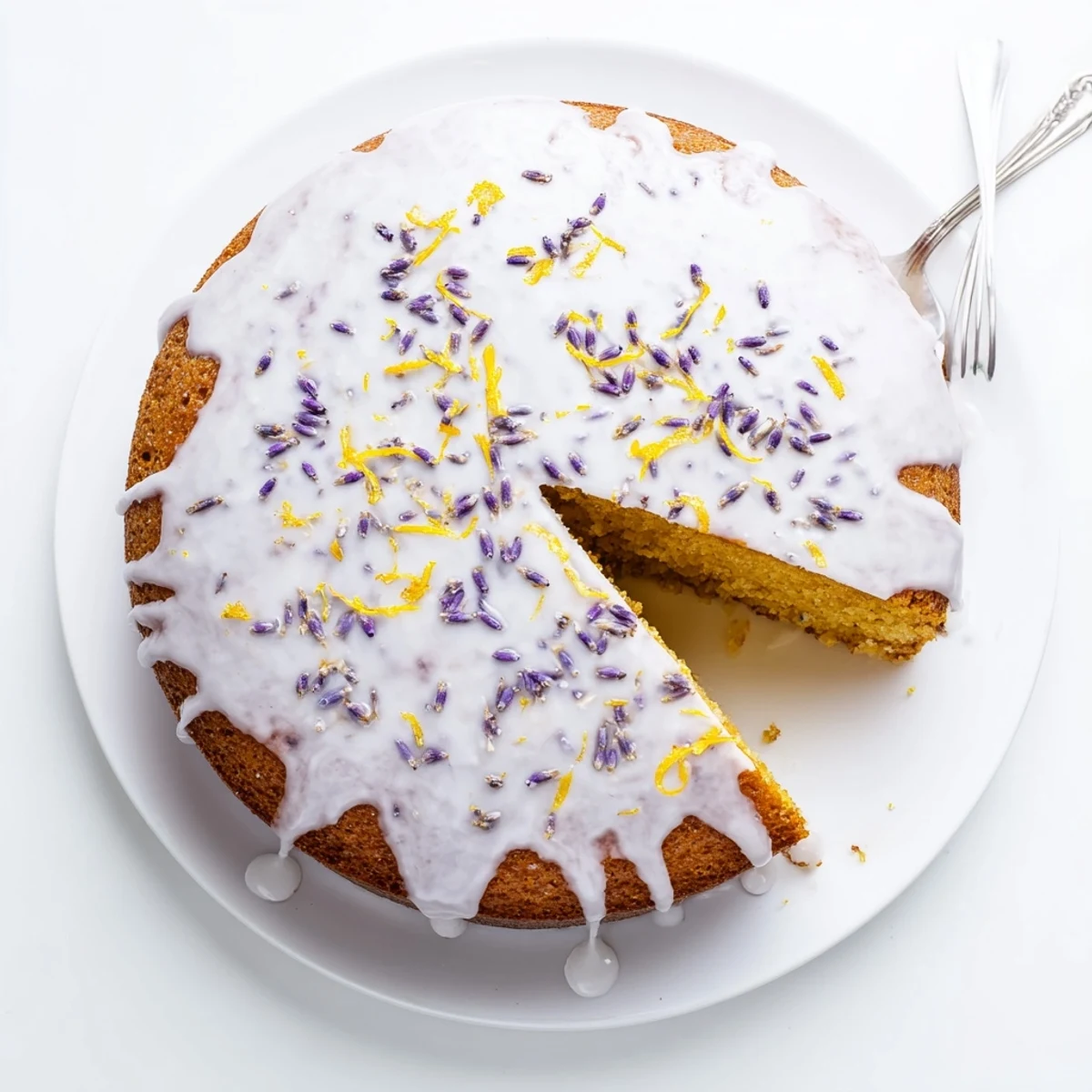
 This elegant dessert combines bright citrus flavors with delicate floral undertones. The infused sugar technique releases lavender oils while lemon zest adds fresh aromatic notes. A tender crumb structure emerges from careful alternating wet and dry ingredient incorporation. The soaking syrup adds moisture and intensifies flavors, while the final glaze provides a sweet finishing touch. Perfect for serving with Earl Grey tea or sparkling wine.
The first time I baked with lavender, I was convinced it would taste like soap. My grandmother had sent me a jar of dried buds from her garden in Provence, and they sat in my pantry for months until a rainy Sunday afternoon demanded something adventurous. That cake emerged from the oven with this perfume that made the entire house feel like a garden in bloom, and my skeptical husband took one bite and asked if I could make it every weekend. Now I keep lavender stocked year round just for those moments when ordinary cake simply won not do.
Last spring, my neighbor Sarah stopped by while I had a cake cooling on the counter. She took one sniff and immediately asked what bakery I had visited, looking genuinely shocked when I told her it came from my own oven. We ended up sitting at the kitchen table for two hours, slicing thin wedges and talking about her trip to France, while the lavender scent wrapped around us like a soft blanket. That afternoon taught me that some recipes are not just about feeding people but about creating moments that linger in memory long after the last crumb disappears.
Ingredients
- All-purpose flour: Provides the structure for this tender cake, and I have found that measuring by weight gives the most consistent results
- Baking powder and baking soda: Work together to give the cake its rise, with the soda also reacting with the acidic lemon juice for extra lift
- Salt: Just a quarter teaspoon enhances all the other flavors and prevents the cake from tasting flat
- Granulated sugar: When rubbed with lavender and lemon zest, it becomes an aromatic base that infuses the entire batter with fragrance
- Culinary dried lavender buds: Use only culinary grade lavender, as some ornamental varieties can taste bitter or have been treated with chemicals
- Lemon zest: The essential oils in the zest carry the brightest lemon flavor, so zest your lemons before juicing them
- Unsalted butter: Softened to room temperature, this creates the tender crumb structure and rich mouthfeel
- Large eggs: Room temperature eggs incorporate more easily into the batter and help achieve proper aeration
- Whole milk: Adds moisture and richness, and I recommend using full fat for the best texture
- Freshly squeezed lemon juice: Provides acidity that balances the sweetness and brightens the floral notes
- Vanilla extract: Rounds out all the flavors and adds a warm, comforting base note
- Water for syrup: Creates a simple syrup base that will keep the cake incredibly moist
- Powdered sugar for glaze: Creates the smooth, pourable topping that adds sweetness and a beautiful finish
Instructions
- Prepare your oven and pan:
- Preheat oven to 350F (175C) and grease a 9 inch round pan with butter, then dust it with flour, tapping out any excess
- Infuse the sugar:
- Combine the sugar, lavender buds, and lemon zest in a small bowl, then use your fingers to rub them together until the sugar becomes fragrant and takes on a pale yellow color
- Mix the dry ingredients:
- Whisk together the flour, baking powder, baking soda, and salt in a medium bowl until thoroughly combined
- Cream the butter and sugar:
- Beat the softened butter with the lavender sugar until light and fluffy, about 3 minutes, then add the eggs one at a time, beating well after each addition
- Combine wet and dry ingredients:
- Mix in the vanilla, then gradually add the flour mixture in three additions, alternating with the milk and lemon juice, starting and ending with the flour and mixing only until just combined
- Bake the cake:
- Pour the batter into your prepared pan, smooth the top with an offset spatula, and bake for 30 to 35 minutes until a toothpick inserted in the center comes out clean
- Make the syrup:
- While the cake bakes, simmer the water, sugar, lemon juice, and lavender in a small saucepan until the sugar dissolves, then let it steep for 5 minutes before straining out the buds
- Brush with syrup:
- Cool the cake in the pan for 10 minutes, then remove it to a wire rack and brush the warm lemon lavender syrup all over the top and sides
- Add the glaze:
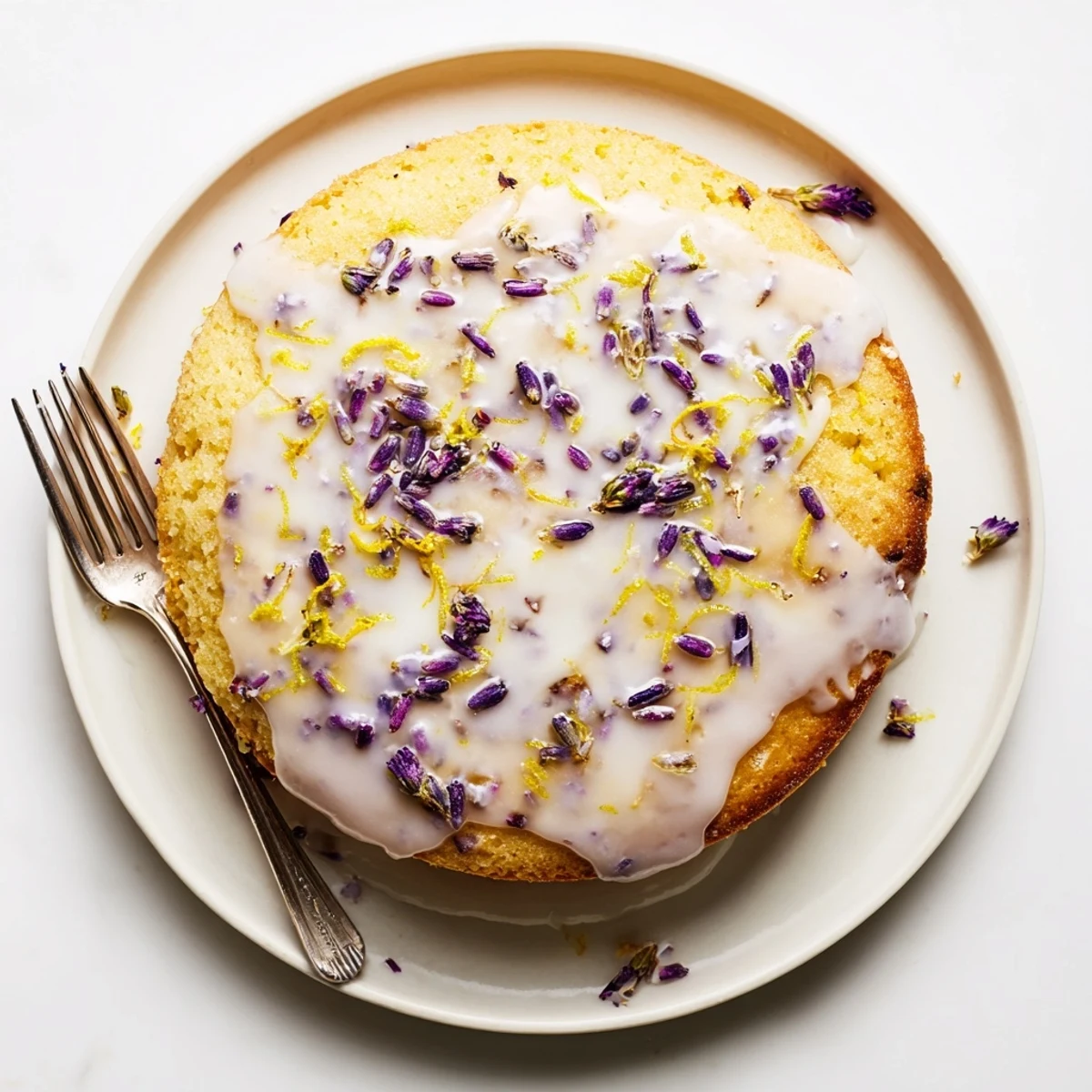
- Once the cake is completely cool, whisk together the powdered sugar, lemon juice, and enough milk to reach a pourable consistency, then drizzle it generously over the cake
 Pin It
 My daughter requested this cake for her birthday instead of the usual chocolate, and when she blew out the candles, she told me it tasted like sunshine and gardens all mixed together. Watching her friends tilt their heads, trying to place the familiar yet mysterious flavor, reminded me why I fell in love with baking in the first place. Food can transport us to places we have never been and memories we have not yet made.
Making It Ahead
This cake actually tastes better on day two, once the lavender has had time to mellow and mingle with the lemon. Wrap the unglazed cake tightly in plastic wrap and store at room temperature for up to 24 hours, then add the syrup and glaze just before serving. I have also frozen the naked cake layers for up to a month, thawing them overnight on the counter before finishing with syrup and glaze.
Serving Suggestions
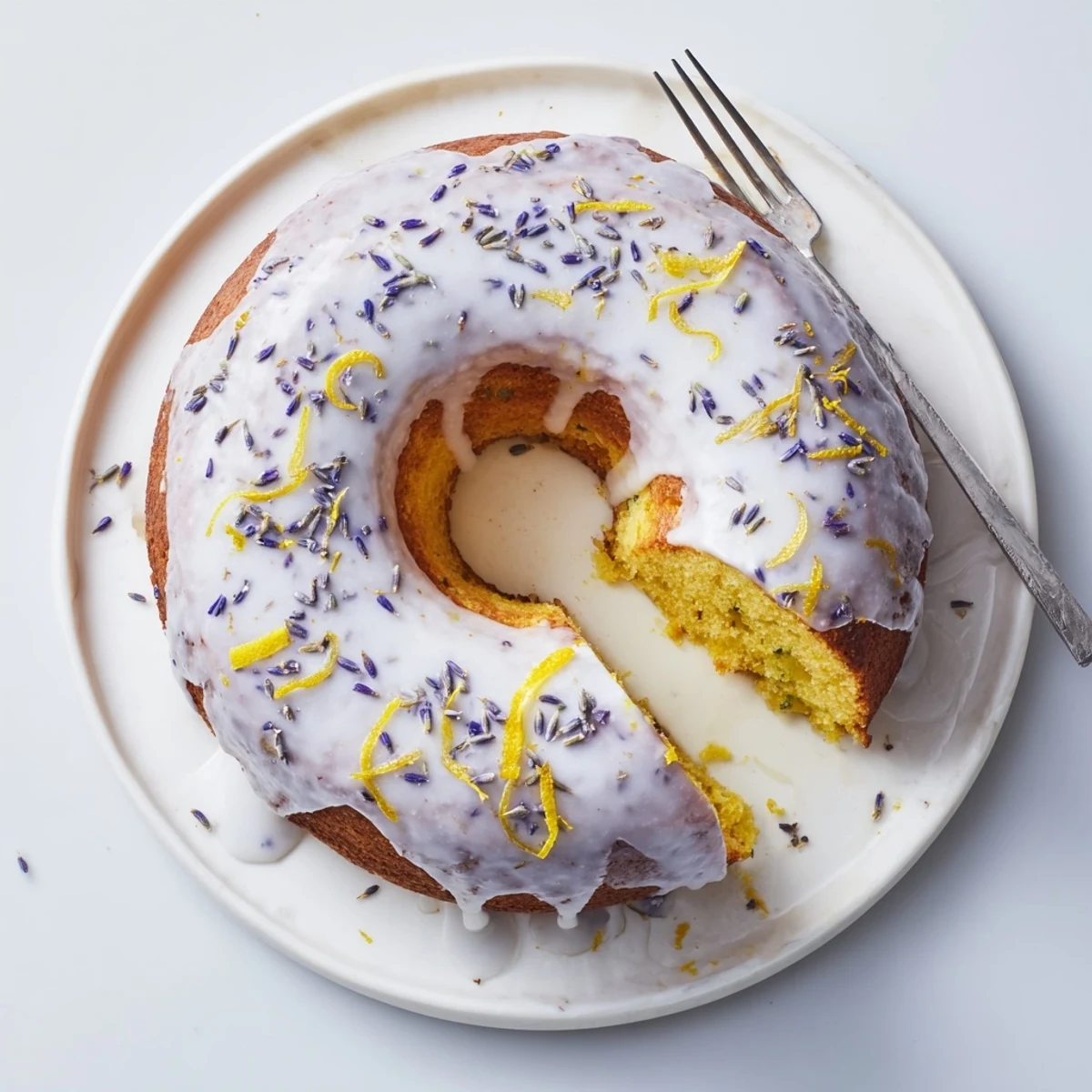
Slice this cake into thin wedges, as the flavor is concentrated and satisfying in modest portions. A cup of Earl Grey tea brings out the lavender notes beautifully, while a glass of sparkling Moscato echoes the lemon sweetness. For special occasions, I like to garnish each slice with fresh lavender buds and a thin twist of lemon zest.
Flavor Variations
Try replacing the lemon with orange for a warmer, more rounded flavor profile that pairs exceptionally well with lavender. Swap half the all purpose flour for almond flour to add a subtle nuttiness that complements the floral notes. Fresh berries, especially blueberries or raspberries, folded gently into the batter before baking add lovely pockets of tart sweetness.
- Add 1 tablespoon of poppy seeds for a slight crunch and visual interest
- Replace the vanilla with almond extract for a more complex flavor profile
- Brush the cake with a mixture of lemon curd and syrup for extra tang
 Pin It
 This recipe has become my go to for bringing a touch of elegance to ordinary afternoons, and I hope it fills your kitchen with the same quiet magic it brings to mine.
Recipe Questions
- → What type of lavender should I use?
-
Use only culinary-grade dried lavender buds intended for cooking. Regular lavender from gardens may contain pesticides or have an overpowering flavor. Start with the recommended amount and adjust to taste.
- → Can I make this ahead of time?
-
Yes, the cake stays moist for up to 2 days when covered at room temperature. The flavors actually develop and intensify overnight. Add the glaze shortly before serving for the freshest appearance.
- → Why do I need to rub the sugar with lavender and zest?
-
This infusion technique releases the essential oils from both the lavender buds and lemon zest into the sugar crystals, ensuring even distribution of flavor throughout the batter rather than concentrated pockets.
- → How do I know when the cake is done baking?
-
Insert a toothpick into the center of the cake. If it comes out clean or with just a few moist crumbs, the cake is ready. The edges should pull slightly away from the pan and the top should spring back when gently touched.
- → Can I substitute ingredients for dietary needs?
-
Replace half the butter with Greek yogurt for a lighter texture with reduced fat. For a gluten-free version, use a 1-to-1 baking flour blend. Note that substitutions may alter the final texture and flavor profile slightly.
- → What's the purpose of the soaking syrup?
-
The warm syrup penetrates the warm cake, adding moisture and amplifying the lemon-lavender flavors throughout. This technique ensures every bite is equally flavorful and helps keep the dessert fresh longer.