
 Pin It
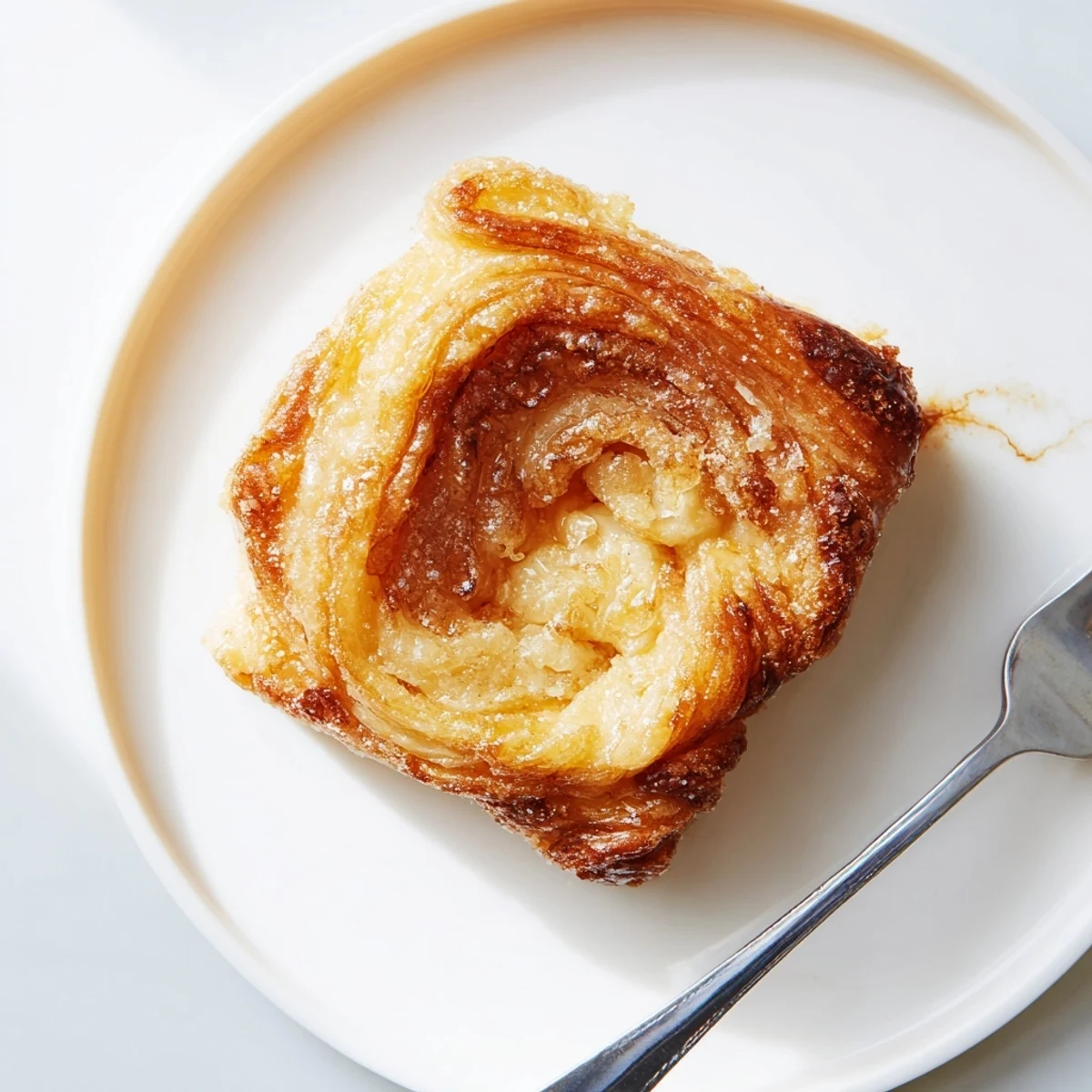
 Kouign Amann (pronounced 'queen-ah-mon') translates to 'butter cake' in Breton, originating from Brittany, France in the 19th century. This labor-intensive pastry combines a simple yeast dough with cold butter and sugar through a traditional lamination process, creating dozens of alternating layers.
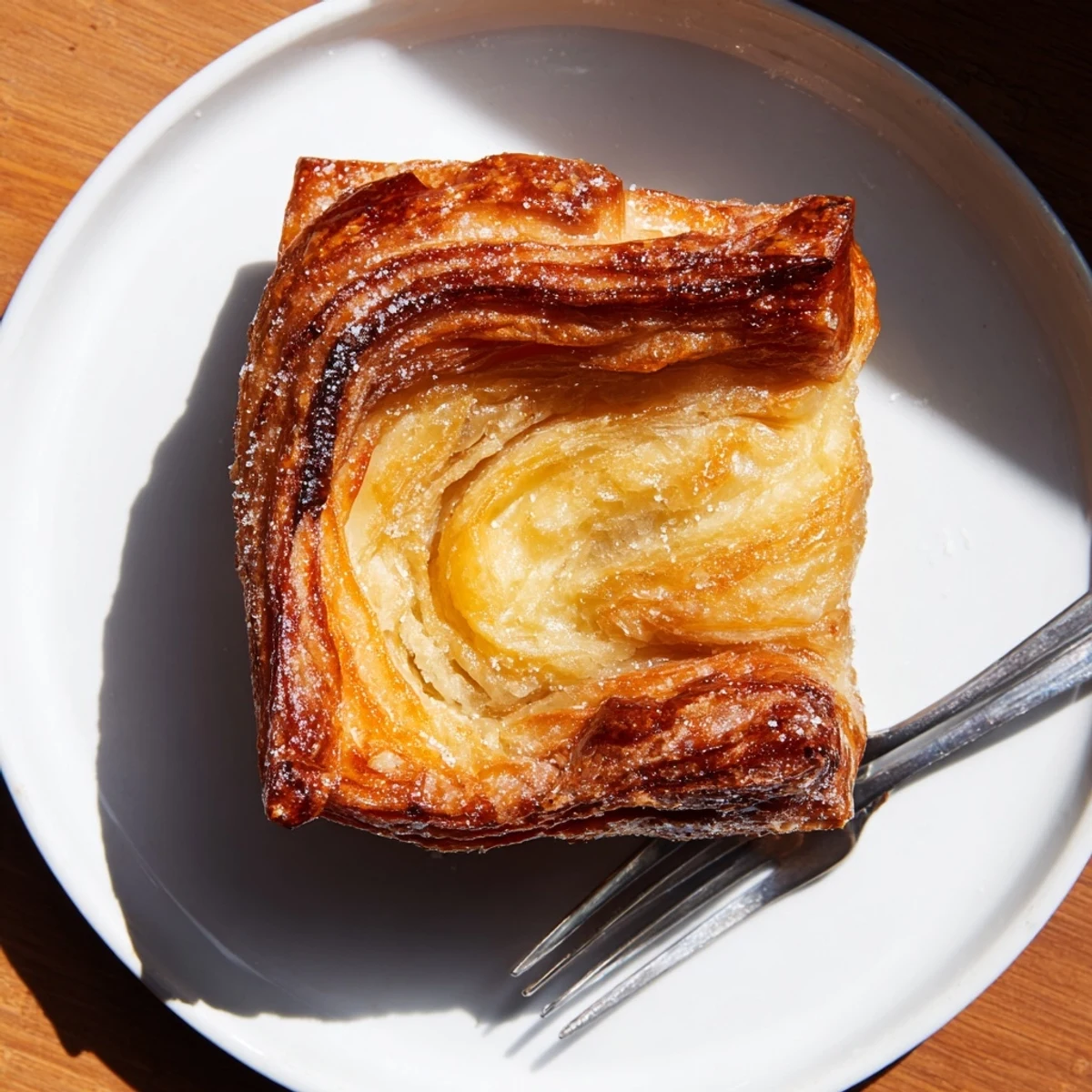
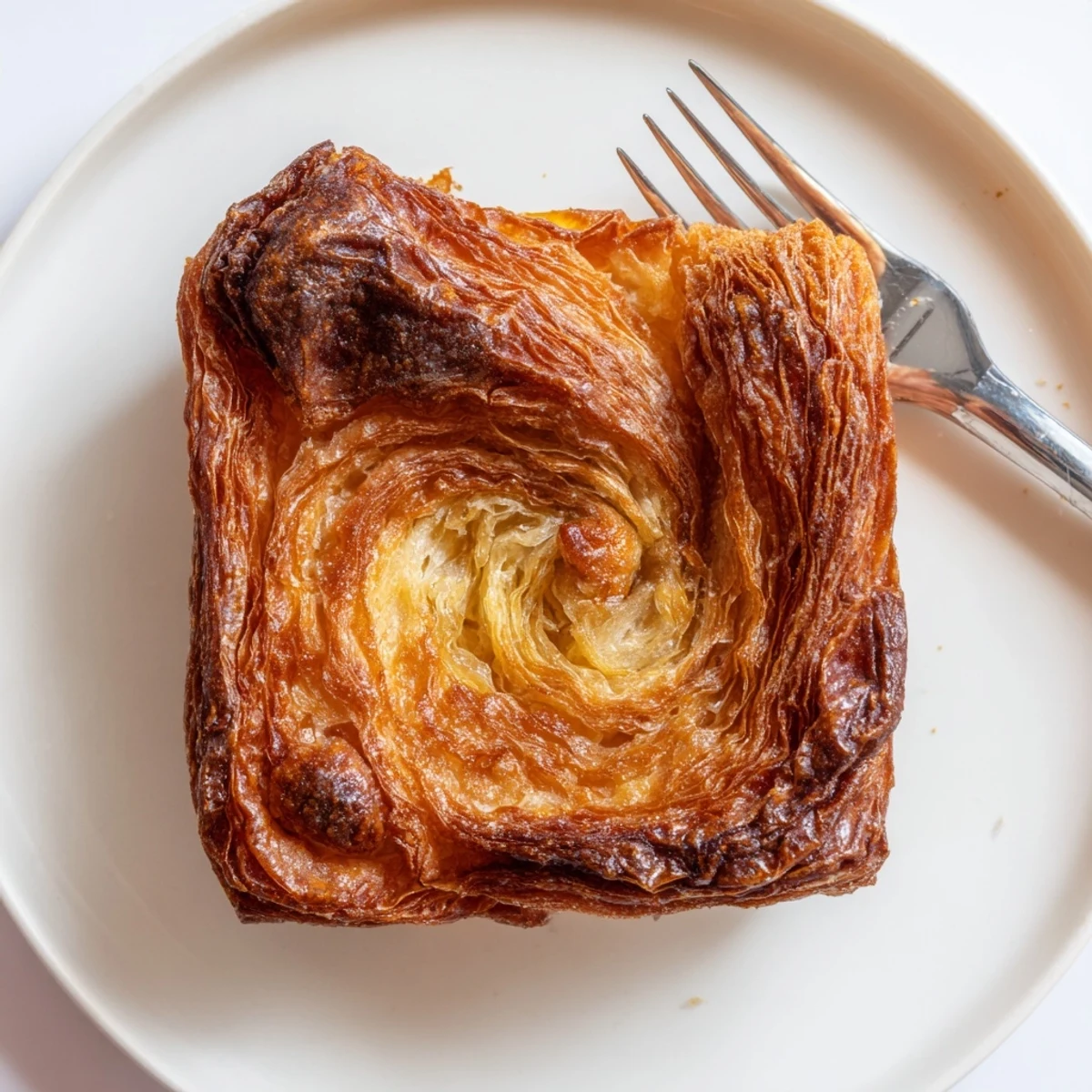
The technique involves rolling, folding, and chilling the dough three times while incorporating sugar between folds. During baking, the sugar caramelizes deeply, creating the signature dark amber crust that shatters deliciously. The interior remains tender and buttery with countless flaky layers.
Key success factors include using European-style butter (higher fat content), keeping dough and butter cold during lamination, and allowing proper rising time. The result is a pastry that balances sweet caramel notes with rich buttery flavor, achieving the perfect contrast between crispy exterior and delicate interior.
The rain was coming down in sheets that Saturday morning, the kind of weather that practically begs you to turn on the oven and stay indoors all day. I had been obsessively watching French pastry tutorials for weeks, and something about the impossible crunch and caramelized depths of kouign amann had lodged itself in my brain. By noon, my kitchen was covered in a fine dusting of sugar, and I was absolutely certain I had made a terrible mistake. But then they came out of the oven, golden and crackling like a caramelized dream, and I understood why people travel to Brittany just to taste them.
My sister dropped by unexpectedly just as I was pulling the first batch from the oven, timing that could only be described as suspiciously perfect. We stood at the counter with steam rising between us, breaking off pieces that were still too hot to eat properly, making those quiet sounds people make when something is unexpectedly delicious. She asked for the recipe immediately, and I told her it was complicated and time consuming and probably not worth it, even as I was already mentally planning when I would make them again.
Ingredients
- All purpose flour: The protein structure here does important work supporting all those buttery layers, so do not be tempted to swap in bread flour which can make the pastry tough
- Fine sea salt: A tiny amount balances all the sugar and enhances the butter flavor, making each taste more complex than just sweet
- Instant dry yeast: This variety does not need proofing and distributes evenly through the dough for reliable rising every single time
- Lukewarm water: The temperature should feel like a pleasantly warm shower, activating the yeast without killing it
- European style butter: The higher butterfat content creates those distinct, flaky layers that separate properly during lamination
- Granulated sugar: This becomes the caramelized magic that creates the signature crunchy exterior and sticky, sweet interior
- Cake pan butter: A thin coating ensures nothing sticks and helps the bottom caramelize beautifully
Instructions
- Mix and knead the dough:
- Combine the flour, salt, and yeast in a large bowl before adding the lukewarm water, mixing until a rough, shaggy dough forms. Turn it out onto a clean surface and knead for 5 to 7 minutes until the dough feels smooth and elastic, then cover it and let it rise for 1 hour until it has doubled in size.
- Prepare the butter block:
- Place the cold butter between two sheets of parchment paper and pound it with a rolling pin until pliable, then roll it into a precise 6 inch square. Keep it refrigerated until firm but still flexible, which is crucial for successful lamination.
- Encase the butter:
- On a lightly floured surface, roll your risen dough into a 12 inch square and place the chilled butter square directly in the center. Fold the dough edges over the butter like an envelope, pinching tightly to seal completely so the butter cannot escape during rolling.
- First laminate with sugar:
- Roll the dough into a 16 by 8 inch rectangle and sprinkle one third of the sugar evenly across the surface. Fold the dough into thirds like a letter, rotate 90 degrees, and repeat the rolling and sprinkling process two more times, using all the sugar.
- Chill and prepare the pan:
- Wrap the laminated dough tightly and refrigerate for 30 minutes to let the gluten relax while you butter and sugar a 9 inch round cake pan thoroughly.
- Shape and final rise:
- Roll the chilled dough into a 14 inch circle, fold the edges inward to form a rough square, then flip it seam side down and press gently into the prepared pan. Cover loosely and let it rise for 30 to 45 minutes until puffy.
- Bake to perfection:
- Preheat your oven to 400 degrees Fahrenheit and bake for 30 to 35 minutes until deeply golden brown and caramelized, tenting with foil if the top browns too quickly.
- Cool and serve:
- Let the kouign amann cool in the pan for exactly 5 minutes before inverting onto a wire rack, which prevents the caramelized bottom from sticking permanently.
 Pin It
 I brought a batch to a dinner party where the host happened to be French, and I watched nervously as she took her first bite, convinced I had butchered her national treasure. She closed her eyes for a long moment and then told me they were better than the ones she grew up eating in Brittany, which might have been politeness but I am choosing to believe it was the truth.
The Butter Matters
European style butter with at least 82 percent butterfat makes a noticeable difference in how the layers separate and the depth of flavor. American butter with its lower fat content and higher water content can make the pastry less flaky and more bread like than you want.
Patience With Lamination
The rolling process can feel endless, especially when the butter starts squishing out the sides and you think you have ruined everything. Just patch it back together, keep the dough chilled between turns, and trust that the oven will fix any imperfections.
Timing Your Bake
Watch closely during the last 10 minutes because the line between perfectly caramelized and burnt is incredibly thin. The exterior should be a deep, burnished gold while the interior feels tender when you gently press the center.
- Sugar on the top adds extra crunch but can burn faster
- These are absolutely best within hours of baking
- Reheating in a 350 degree oven for 5 minutes revives the texture beautifully
 Pin It
 There is something profoundly satisfying about taking something so simple and transforming it through patience and technique into something extraordinary.
Recipe Questions
- → What makes Kouign Amann different from croissants?
-
While both use laminated dough, Kouign Amann incorporates granulated sugar between layers during folding, creating deep caramelization. Croissants rely on butter alone for lamination. Kouign Amann also has a higher ratio of dough to butter, resulting in a denser, sweeter final product with a distinctive crunchy sugar crust.
- → Why is my Kouign Amann not caramelized properly?
-
Insufficient caramelization usually results from not enough sugar between layers or underbaking. Ensure you're using the full amount of sugar and distributing it evenly during each fold. Bake at 400°F until deeply golden—the dark color is essential for proper flavor and texture. Don't fear the browning!
- → Can I make Kouign Amann dough ahead of time?
-
Yes, after the final 30-minute chill, you can refrigerate the dough overnight (well-wrapped). Let it come to room temperature for about 20 minutes before rolling and shaping. This can actually improve flavor development. However, once baked, it's best enjoyed fresh within 24 hours.
- → What if my butter breaks through the dough during lamination?
-
If butter protrudes, dust the area with flour and continue. If the dough becomes too warm or sticky, stop immediately and refrigerate for 20-30 minutes. Working with cold butter and dough is crucial. A warm kitchen can make lamination difficult—consider working quickly or chilling tools.
- → Can I freeze Kouign Amann?
-
Freeze unbaked shaped pastries in the pan, wrapped well, for up to 2 weeks. Thaw overnight in refrigerator, complete the final rise, then bake. Baked Kouign Amann can be frozen for 1 month but loses some crispness. Reheat in a 350°F oven for 5-7 minutes to restore texture.
- → Is special equipment needed for Kouign Amann?
-
A rolling pin and 9-inch round pan are essential. While some bakers use special molds, a standard cake pan works perfectly. Parchment paper helps with butter pounding. No stand mixer is needed—the dough is kneaded by hand. The technique relies more on patience and temperature control than specialty tools.