
 Pin It
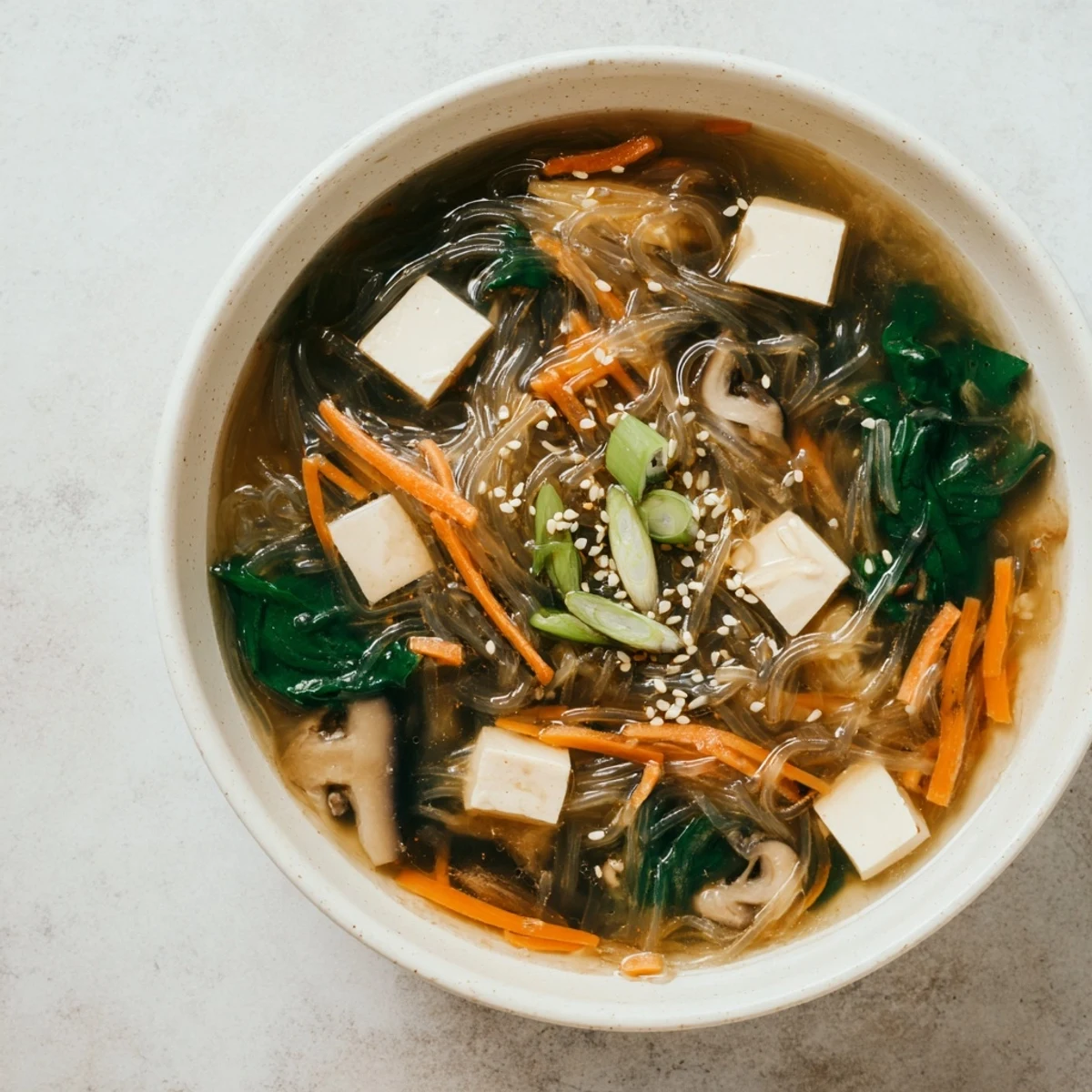
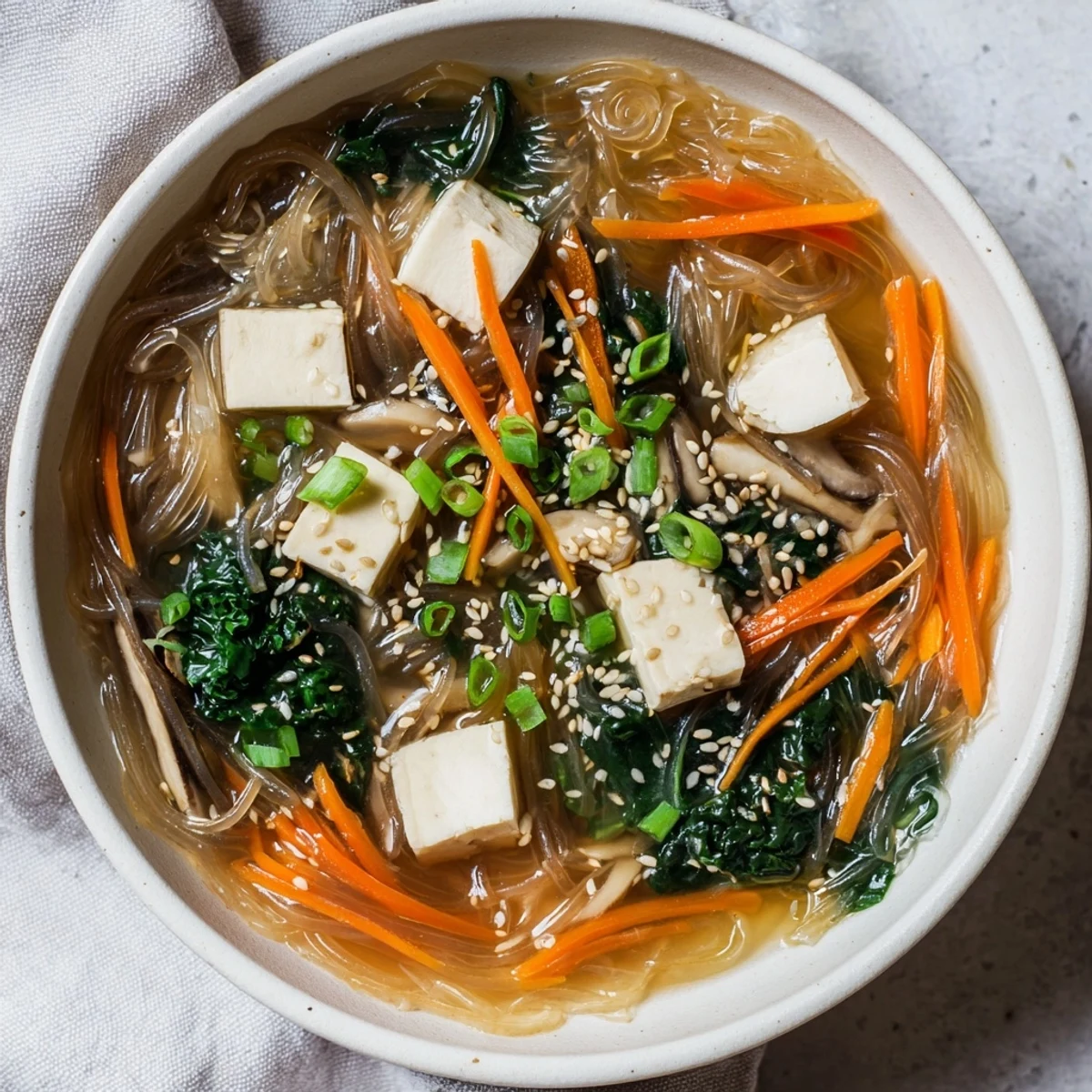
 This warming Japanese bowl features translucent harusame glass noodles swimming in a delicate dashi broth infused with soy sauce, mirin, and toasted sesame oil. The soup is packed with julienned carrots, earthy shiitake mushrooms, vibrant spinach, and silken tofu cubes that create satisfying texture in every spoonful. Ready in just 25 minutes, this light yet nourishing dish comes together effortlessly—simmer the aromatic broth with vegetables, prepare the tender noodles, and ladle everything together for a comforting meal. Garnish with crunchy toasted sesame seeds and fresh spring onions for added depth and visual appeal.
The first time I made harusame soup was during a rainy Tuesday when I needed something that wouldn't weigh me down but still felt like a proper meal. These delicate glass noodles have this magical way of turning simple broth into something elegant without any fuss. My apartment smelled like simmering dashi and toasted sesame, and I remember thinking this is exactly what comfort food should be.
I served this to my friend who was recovering from a bad cold, and she messaged me the next day asking for the recipe. There is something about the clarity of the broth and the warmth of slippery noodles that just makes everything feel better. Now it is my go-to when someone needs a little extra care but I do not have hours to spend at the stove.
Ingredients
- 5 cups dashi stock: The foundation of Japanese cooking, but low-sodium chicken or vegetable broth works perfectly if you are in a pinch
- 2 tbsp soy sauce: Gives that deep umami base, so do not be tempted to reduce it
- 1 tbsp mirin: Adds a subtle sweetness that balances the salty elements beautifully
- 1 tsp sesame oil: A tiny amount goes such a long way for that aromatic finish
- 1/2 tsp salt: Start here and adjust, remembering soy sauce already brings saltiness
- 100 g harusame noodles: These glass noodles are translucent and cook up springy, absorbing whatever flavors they touch
- 1 medium carrot, julienned: Adds sweetness and color, plus they stay pleasantly tender in the broth
- 100 g shiitake mushrooms: Their earthy flavor deepens the entire soup
- 60 g baby spinach: Wilts instantly and turns the soup into something more substantial
- 1 spring onion: Fresh brightness against the warm broth
- 100 g firm tofu: Optional but adds protein without changing the delicate character
- 1 tsp toasted sesame seeds: The crunch factor that makes each spoonful interesting
Instructions
- Build your broth base:
- Combine the dashi, soy sauce, mirin, sesame oil, and salt in a large saucepan and let it come to a gentle simmer over medium heat.
- Start the vegetables:
- Add your carrots and shiitake mushrooms to the simmering broth, letting them cook for about 5 minutes until they start softening.
- Add the tofu:
- Drop in those tofu cubes if you are using them and let them warm through for another 2 minutes.
- Prep the noodles separately:
- Place the harusame in a heatproof bowl and cover with boiling water, letting them soak for 4 to 5 minutes until tender, then drain and divide among serving bowls.
- Finish with greens:
- Stir the spinach or bok choy into the broth and cook for just 1 minute until it wilts.
- Assemble and serve:
- Ladle that hot, fragrant broth over the noodles in each bowl and finish with sesame seeds and extra spring onion.
 Pin It
 This soup has become my version of a hug in a bowl, the kind of meal that feels restorative without being heavy. The way the translucent noodles catch the light in the broth makes even a weeknight dinner feel special.
Making It Yours
Sometimes I add a handful of wakame seaweed or enoki mushrooms when I want more texture in the spoonful. A few drops of chili oil or shichimi togarashi wakes everything up if you like a little heat with your comfort.
Broth Wisdom
Traditional dashi contains bonito flakes, so use vegetable broth if you are keeping this vegetarian. The broth quality matters here since it is the main flavor carrier, so taste as you go and trust your palate over exact measurements.
Timing Everything Right
I have found that having everything prepped before I start heating the broth makes the difference between a relaxed cooking experience and a frantic one. The vegetables cook quickly, and the noodles soak fast, so misjudging the timing means serving one bowl while another sits waiting.
- Set out your serving bowls before you begin
- Have the boiling water ready for the noodles
- Keep the garnish within arm's reach for serving
 Pin It
 There is something profoundly satisfying about a soup that nourishes without leaving you weighed down, and this one has become my answer to almost any craving. Simple, elegant, and always exactly what I need.
Recipe Questions
- → What are harusame noodles made from?
-
Harusame are Japanese glass noodles typically made from mung bean starch, potato starch, or sweet potato starch. They're naturally gluten-free, translucent when cooked, and have a delicate springy texture that absorbs flavors beautifully in soups and stir-fries.
- → Can I make this soup vegetarian?
-
Yes, simply substitute traditional dashi stock (which contains bonito flakes) with vegetarian dashi or a quality vegetable broth. The remaining ingredients including soy sauce, mirin, and vegetables are all plant-based, making this easily adaptable for vegetarian diets.
- → How do I prevent the noodles from getting mushy?
-
Soak harusame noodles separately in boiling water for just 4-5 minutes until tender, then drain well. Avoid cooking them directly in the broth as they'll continue softening and become overly soft. Serve immediately after combining with hot broth for the best texture.
- → What vegetables work well in this soup?
-
Beyond carrots and shiitake mushrooms, try adding enoki mushrooms, sliced bamboo shoots, snow peas, baby corn, or wakame seaweed. Leafy greens like bok choy, napa cabbage, or spinach wilt beautifully and add vibrant color to the finished bowl.
- → Can I add protein besides tofu?
-
Absolutely. Shredded cooked chicken, thinly sliced pork belly, poached shrimp, or even soft-boiled eggs work wonderfully. For vegetarian options, add edamame, extra firm tofu, or tempeh cubes. Add proteins during the last few minutes of simmering to maintain texture.
- → How long does this soup keep in the refrigerator?
-
The broth and vegetables can be stored separately in airtight containers for 3-4 days. However, it's best to cook fresh noodles when serving, as they'll absorb liquid and become soft. Reheat the broth gently and add freshly prepared noodles just before eating.