
 Pin It
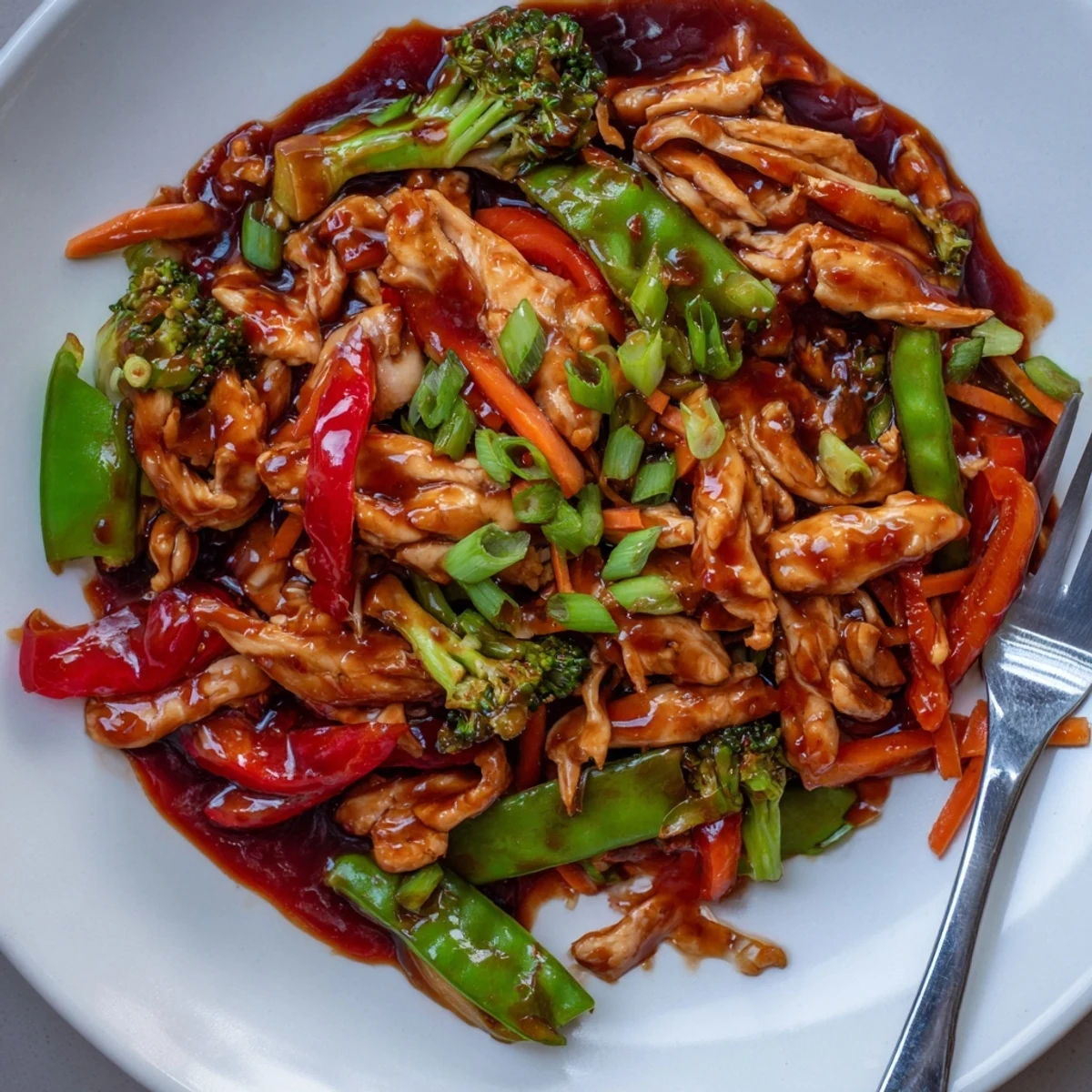
 Hunan chicken brings the heat with a bold, garlicky chili sauce that coats every bite of tender sliced chicken and crisp-tender vegetables. This stir-fry comes together in just 35 minutes, making it perfect for busy weeknights when you crave something fiery and satisfying.
The dish features a vibrant mix of bell peppers, broccoli, snow peas, and carrots, all wok-tossed at high heat for that signature smoky char. A Shaoxing wine marinade keeps the chicken incredibly juicy, while the chili garlic sauce delivers an authentic kick.
Serve it over steamed jasmine rice to soak up every drop of that rich, spicy sauce.
The sizzle of chicken hitting a scorching wok is one of those sounds that instantly transports me back to a tiny apartment kitchen where my friend Li taught me the real secret to Hunan cooking. She never measured anything, just tossed and tasted with an confidence I envied. This recipe captures that bold, fiery spirit with a sauce that clings to every bite and vegetables that snap between your teeth.
I once made this for a crowd during a summer blackout, cooking on a camping stove set on the porch while everyone gathered around with paper plates. The chili paste glowed orange in the candlelight and people went back for thirds despite the heat.
Ingredients
- 500 g boneless skinless chicken breast thinly sliced: Slice against the grain on a slight bias for pieces that stay tender and cook evenly in the wok.
- 1 tbsp soy sauce for marinade: This first splash seasons the meat from within and helps the cornstarch adhere.
- 1 tbsp Shaoxing wine or dry sherry for marinade: It tenderizes and adds a subtle depth that plain chicken desperately needs.
- 1 tsp cornstarch for marinade: This is the velveting step that keeps chicken silky through high heat.
- 1 red bell pepper sliced: Red brings sweetness that balances the chili fire beautifully.
- 1 green bell pepper sliced: Green adds a slightly bitter edge that keeps the dish from tasting one dimensional.
- 100 g broccoli florets: Cut them small so they cook through without losing their bright color.
- 100 g snow peas: These cook in seconds and add a fresh snap that makes the whole dish feel lighter.
- 1 carrot sliced thinly: Thin coins soften fast and soak up the sauce like tiny orange sponges.
- 2 spring onions chopped: Save a few raw slices for garnish if you want a pretty finish.
- 2 cloves garlic minced: Fresh garlic is nonnegotiable here, the jars simply will not do.
- 1 tsp ginger minced: Grate it fine so nobody bites into a fibrous chunk mid bite.
- 2 tbsp soy sauce for the sauce: This second round builds the bold salty backbone of the finished dish.
- 1 tbsp oyster sauce: Think of this as your secret weapon for savory umami richness.
- 1 tbsp rice vinegar: A hit of acid wakes up every other flavor in the bowl.
- 1 tsp sugar: Just enough to round the sharp edges off the vinegar and chili.
- 2 tsp chili paste or chili garlic sauce: Start here and taste before adding more, you can always turn up the heat.
- 2 tbsp chicken stock or water: Loosens the sauce so it coats rather than clumps.
- 1 tsp cornstarch dissolved in 1 tbsp water: This slurry is what turns a watery puddle into a glossy glaze.
- 2 to 3 tbsp vegetable oil: Use a neutral oil with a high smoke point because this wok gets screaming hot.
Instructions
- Marinate the chicken:
- Toss the sliced chicken with soy sauce, Shaoxing wine, and cornstarch in a bowl until every piece is evenly coated, then let it sit for 10 minutes while you prep the rest.
- Mix the sauce:
- Combine soy sauce, oyster sauce, rice vinegar, sugar, chili paste, and stock in a separate bowl, stirring until the sugar dissolves, but keep the cornstarch slurry aside for later.
- Sear the chicken:
- Heat a tablespoon of oil in your wok over the highest heat your stove allows, spread the chicken in a single layer, and let it sear without stirring for a minute before tossing until just cooked through, about 3 to 4 minutes total.
- Bloom the aromatics:
- With the wok still screaming hot, add another splash of oil and throw in the garlic, ginger, and spring onions, stirring constantly until your kitchen smells incredible, about 30 seconds.
- Stir fry the vegetables:
- Add the bell peppers, broccoli, snow peas, and carrot all at once, tossing them vigorously for 2 to 3 minutes so they blister slightly but stay bright and crunchy.
- Bring it all together:
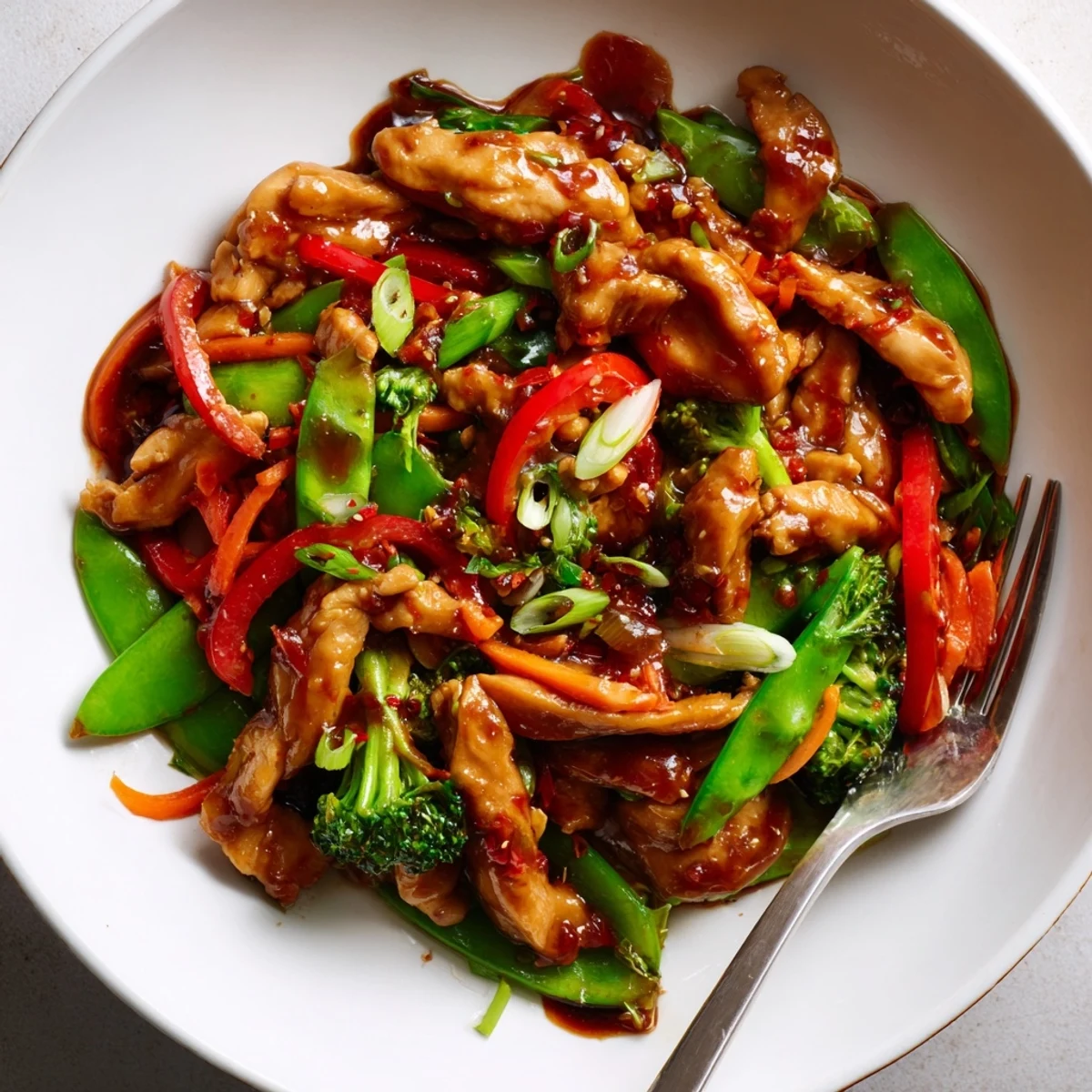
- Return the chicken to the wok, pour in the sauce, and toss everything enthusiastically, then drizzle in the cornstarch slurry and keep stirring for 1 to 2 minutes until the sauce thickens into a shiny glaze that clings to every piece.
 Pin It
 There is something about a plate of glossy, chili slicked chicken over steamy white rice that turns an ordinary Tuesday into a small celebration worth savoring.
Customizing the Heat Level
Chili paste brands vary wildly in intensity, so taste yours plain before deciding how much to use. A half teaspoon of a fierce brand can outperform two tablespoons of a mild one. Dried red chilies toasted in oil alongside the aromatics add a smoky dimension that paste alone cannot match. If you are cooking for someone sensitive to spice, serve the chili on the side as a drizzle.
Choosing the Right Pan
A carbon steel wok is the gold standard because it conducts heat fast and develops a natural nonstick patina over time. If you only have a large stainless steel or cast iron skillet, that works too, just preheat it thoroughly before adding oil. Avoid nonstick pans for this recipe because they cannot handle the high heat that creates those coveted charred edges.
Serving Suggestions and Storage
Jasmine rice is the classic pairing because its floral aroma complements the assertive sauce without competing with it. Noodles tossed with a splash of sesame oil also make a wonderful base if you want something different.
- Leftovers keep well in the refrigerator for up to three days and the flavors deepen overnight.
- Reheat gently in a skillet over medium heat rather than a microwave to preserve the vegetable texture.
- Always serve with extra chili paste on the table so everyone can dial in their own perfect level of fire.
 Pin It
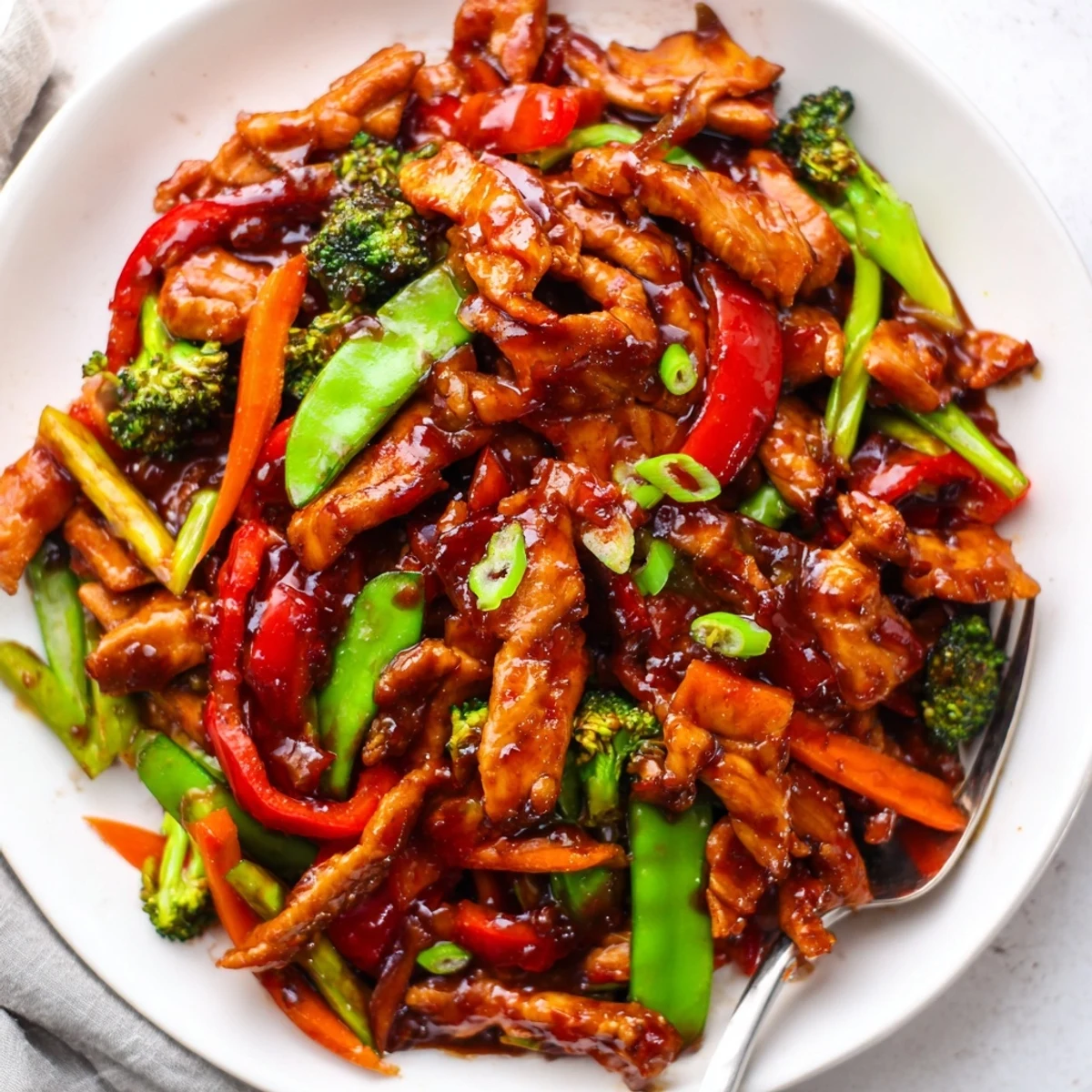
 Share this with someone who thinks homemade Chinese food is too complicated, and watch them change their mind after the first bite. That is really the highest compliment a recipe can earn.
Recipe Questions
- → What makes Hunan chicken different from Szechuan chicken?
-
Hunan chicken relies on fresh chili paste and garlic for a straightforward, fiery heat, while Szechuan chicken features Szechuan peppercorns that create a numbing, tingling sensation. Hunan cuisine tends to be hotter and uses more smoked and cured ingredients.
- → Can I use chicken thighs instead of breast?
-
Yes, boneless chicken thighs work wonderfully and stay even juicier during the high-heat stir-frying. Slice them thinly just like you would breast meat, and adjust the cooking time by an extra minute if needed.
- → How do I get the best wok hei flavor at home?
-
Use a carbon steel wok preheated until it just starts to smoke. Cook in small batches to avoid steaming the ingredients, and keep the heat as high as possible. A splash of Shaoxing wine around the wok's edge also helps build that smoky aroma.
- → What can I substitute for Shaoxing wine?
-
Dry sherry is the closest substitute for Shaoxing wine. You can also use mirin with a pinch of salt, or dry white wine with a few drops of rice vinegar. Avoid cooking wine with added salt if possible.
- → How do I keep the vegetables crisp and vibrant?
-
Stir-fry vegetables over very high heat for no more than 2-3 minutes. Cut them into uniform pieces so they cook evenly, and avoid overcrowding the wok. Adding them to a screaming hot wok ensures that quick char without going soft.
- → Is this dish gluten-free?
-
Not by default. Soy sauce and oyster sauce both contain wheat. Swap in tamari or coconut aminos for the soy sauce, and look for a gluten-free oyster sauce. The cornstarch and other ingredients are naturally gluten-free.