
 Pin It
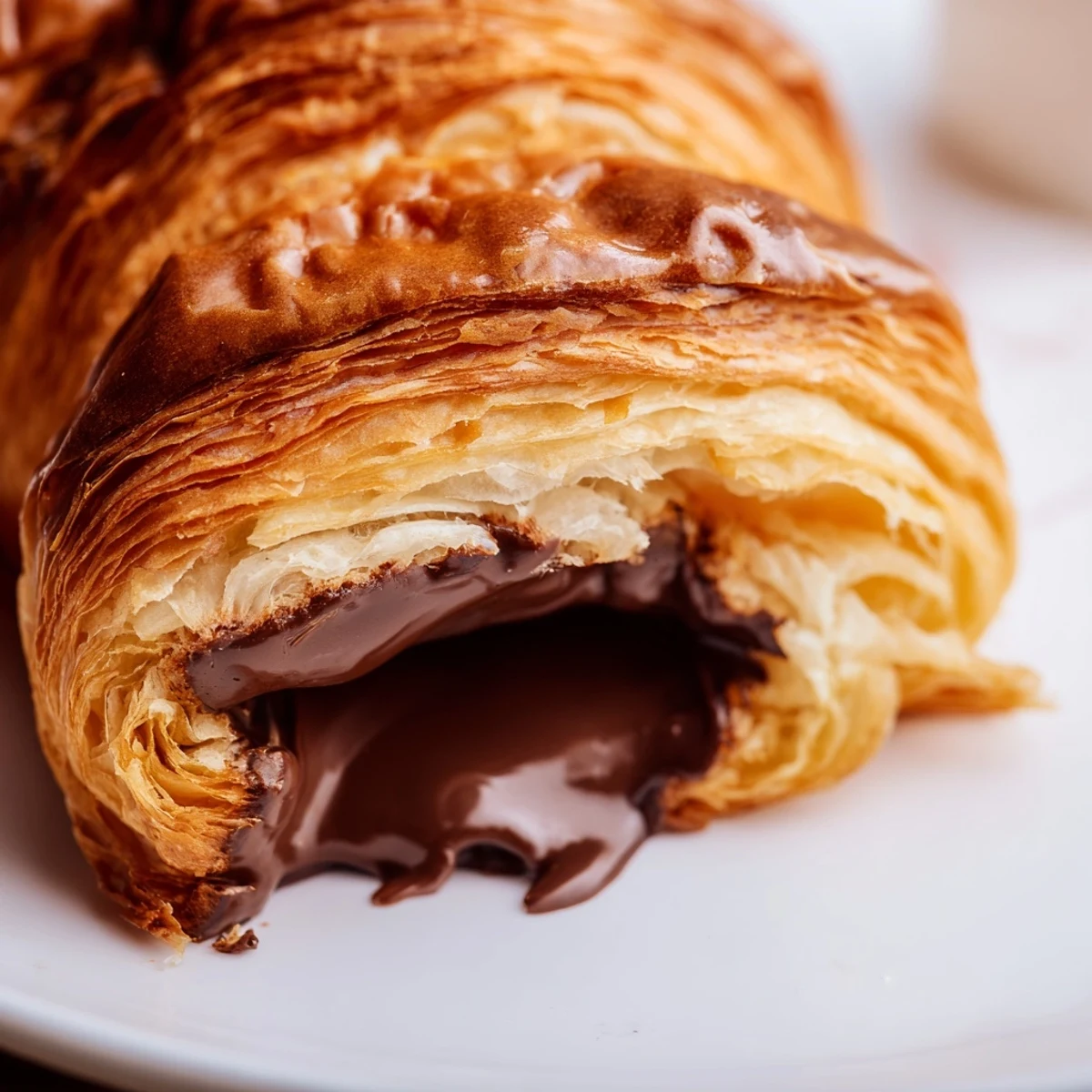
 These homemade chocolate croissants feature flaky, buttery layers wrapped around rich chocolate centers. The classic French pastry technique involves creating a laminated dough through multiple folds, resulting in that signature flakiness. Perfect for weekend breakfasts or afternoon treats, these croissants require patience but deliver impressive results with their golden, crisp exterior and tender interior.
The Sunday my youngest daughter turned six, she announced she wanted chocolate croissants for her birthday breakfast instead of cake. I laughed, then panicked, realizing I'd never attempted laminated dough before. The kitchen was still dark when I started, and somewhere around the third fold, with butter creeping out the edges, I considered scrapping the whole idea for donuts. But when that first tray emerged from the oven, filling the house with an impossibly rich aroma that pulled everyone from their beds, I understood why people attempt these.
My friend Marie, who spent a semester in Paris, told me the secret is never rushing the chilling periods. She learned the hard way that warm butter means leaking layers and dense, bread-like croissants instead of airy, honeycombed perfection. Now I set timers and find something else to do during those thirty minute intervals, usually drinking coffee and wondering if this batch will be the one that finally achieves those dramatic Instagram worthy layers.
Ingredients
- 2 1/4 cups all purpose flour: I weigh my flour because laminated dough is precise work and too much flour makes these tough instead of tender
- 2 tbsp granulated sugar: Just enough to balance the dark chocolate without making these taste like dessert
- 1 tsp salt: Dont skip this, salt is what makes the butter flavor sing
- 2 1/4 tsp active dry yeast: Make sure your yeast is fresh because theres nothing sadder than dough that wont rise
- 3/4 cup whole milk: Warm this to about body temperature, like a comfortable baby bottle
- 2 tbsp unsalted butter softened: This goes into the dough itself, not the butter layer
- 1 cup cold unsalted butter: European style has less water content and makes for flakier layers
- 4 oz bittersweet chocolate: I use chunks from a good bar because chocolate chips dont melt quite right
- 1 large egg: Room temperature eggs brush on more evenly
Instructions
- Wake up the yeast:
- Stir the yeast into your warm milk and let it sit until it looks foamy on top, about 5 minutes
- Make the dough:
- Mix in the flour, sugar, salt, and softened butter until it comes together in a rough shaggy mass, then knead until smooth and elastic
- First chill:
- Shape the dough into a neat rectangle, wrap it tightly, and refrigerate for an hour to relax the gluten
- Prepare the butter:
- Pound your cold butter between parchment paper until it flattens into an even rectangle, keeping it cold but pliable
- First fold:
- Roll the dough out, place the butter on one half, fold the other half over like a book, and roll gently to seal
- Create layers:
- Fold the dough into thirds, roll it out, and repeat this process twice more, chilling for 30 minutes between each turn
- Shape the croissants:
- Cut the dough into rectangles, place chocolate at one end, and roll tightly into logs with the seam facing down
- The final rise:
- Let them proof until theyre puffy and jiggle slightly when you shake the pan, about 2 hours in a warm spot
- Bake until golden:
- Brush with egg wash and bake at 400 degrees until they are deeply browned and crisp, roughly 20 minutes
 Pin It
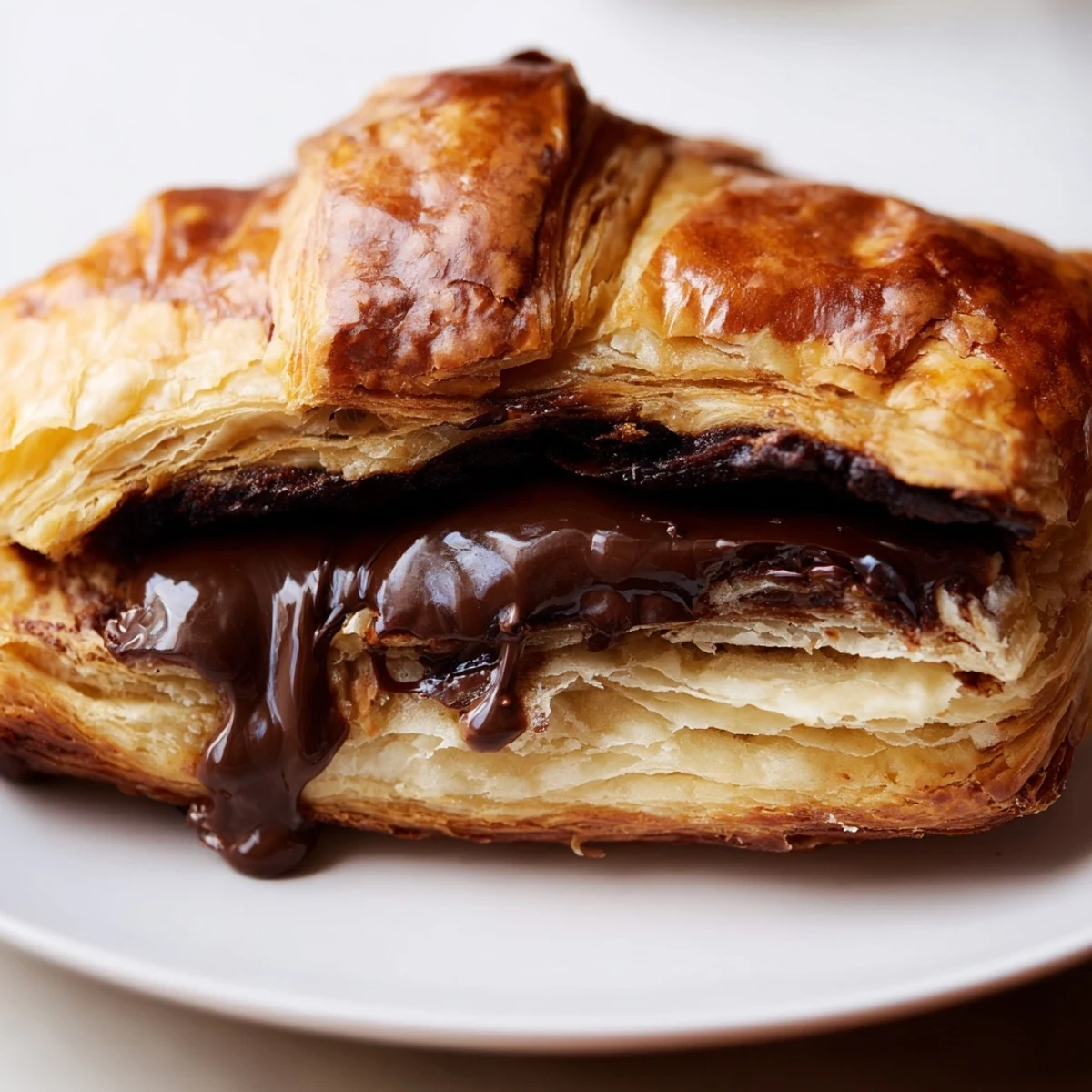
 Last Christmas morning, my sister-in-law took one bite of these fresh from the oven and actually went quiet for a full minute. She later admitted she'd been skeptical about homemade chocolate croissants, thinking they were the sort of thing best left to French grandmothers and professional bakers. Seeing her reaction made every early morning hour worth it.
Making These Ahead
You can freeze shaped, unbaked croissants right after you roll them. Wrap the baking sheet tightly with plastic and freeze for up to a month. The night before you want them, transfer to the fridge and let thaw and proof overnight.
Getting The Best Rise
I've learned that proofing is where most people stumble. The dough should feel fragile and slightly wobbly, like a water balloon, before baking. Underproofed croissants will be dense and tight, while overproofed ones will lose their shape in the oven.
Serving Ideas
These are incredible straight from the oven, but they also reheat beautifully at 350 degrees for about 5 minutes. I've served them with everything from fresh berries to espresso, though they need nothing else to feel special.
- Sprinkle powdered sugar over the top for a bakery style finish
- Warm leftover croissants in the oven, never the microwave, to restore crispness
- Pair with black coffee to cut through all that buttery richness
 Pin It
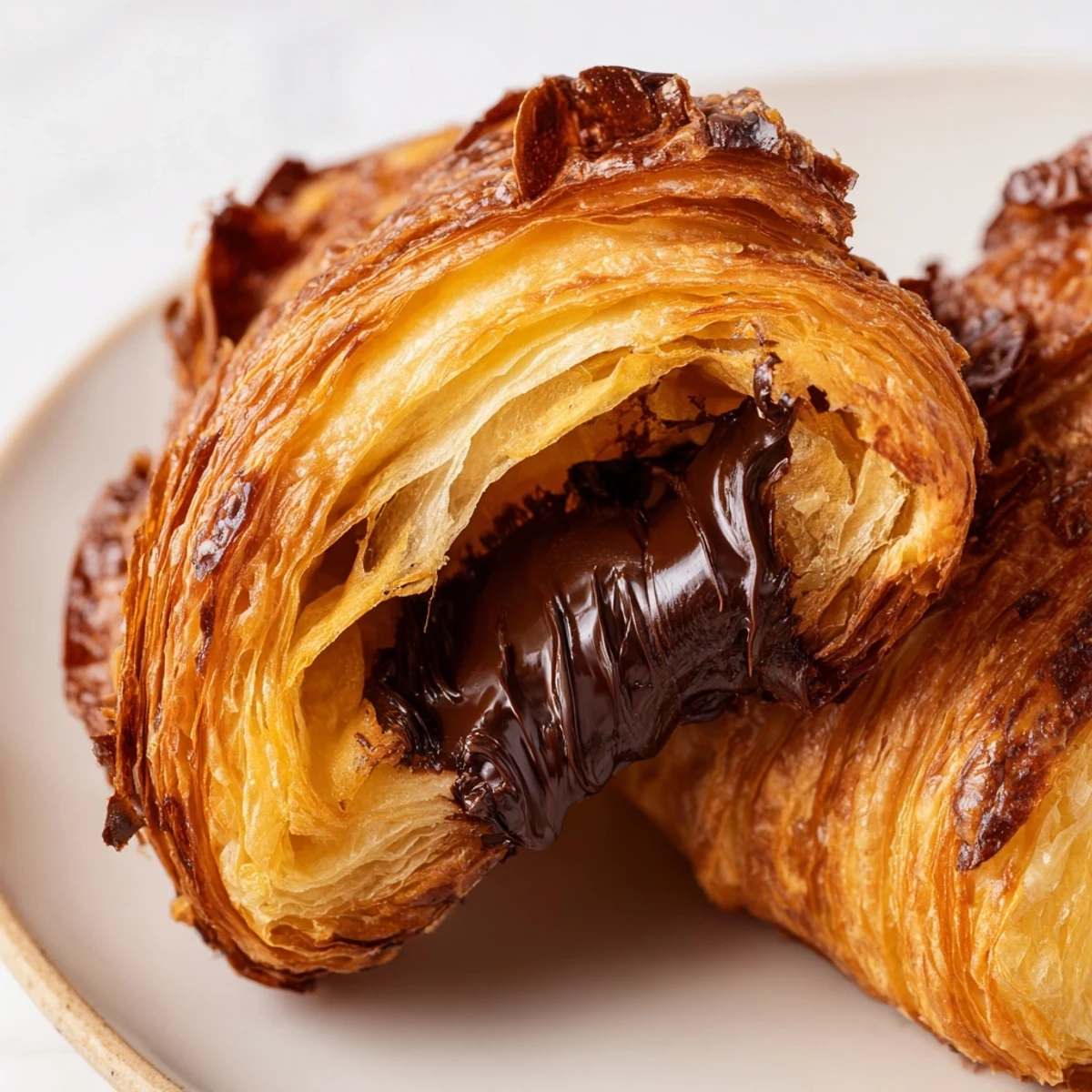
 There is something deeply satisfying about pulling a tray of these from your own oven, smelling that impossibly rich combination of butter and chocolate, knowing you created something that usually requires a Parisian boulangerie.
Recipe Questions
- → What type of butter works best for croissant dough?
-
European-style butter with higher fat content (82%+) is ideal as it creates better layers and flakiness during the lamination process. Regular butter can be used, but the texture may be slightly less dramatic.
- → Can I freeze the shaped croissants before baking?
-
Yes, you can freeze the shaped but unbaked croissants for up to one month. Simply place them on a baking sheet, freeze until solid, then transfer to a freezer bag. Thaw overnight in the refrigerator before allowing them to proof at room temperature before baking.
- → How do I know when the croissants are properly proofed?
-
The croissants should look noticeably puffy and doubled in size. They should feel light and airy to the touch. When gently pressed, they should spring back slowly rather than immediately collapsing.
- → What chocolate is recommended for the filling?
-
Good quality bittersweet or semisweet chocolate works best. You can use chopped chocolate pieces or chocolate batons. The chocolate should be firm enough to handle during rolling but melt nicely during baking.
- → Why is chilling time important in croissant making?
-
Chilling the dough and butter layers prevents the butter from melting into the dough during rolling. This temperature control is crucial for creating distinct, flaky layers through the lamination process.