
 Pin It
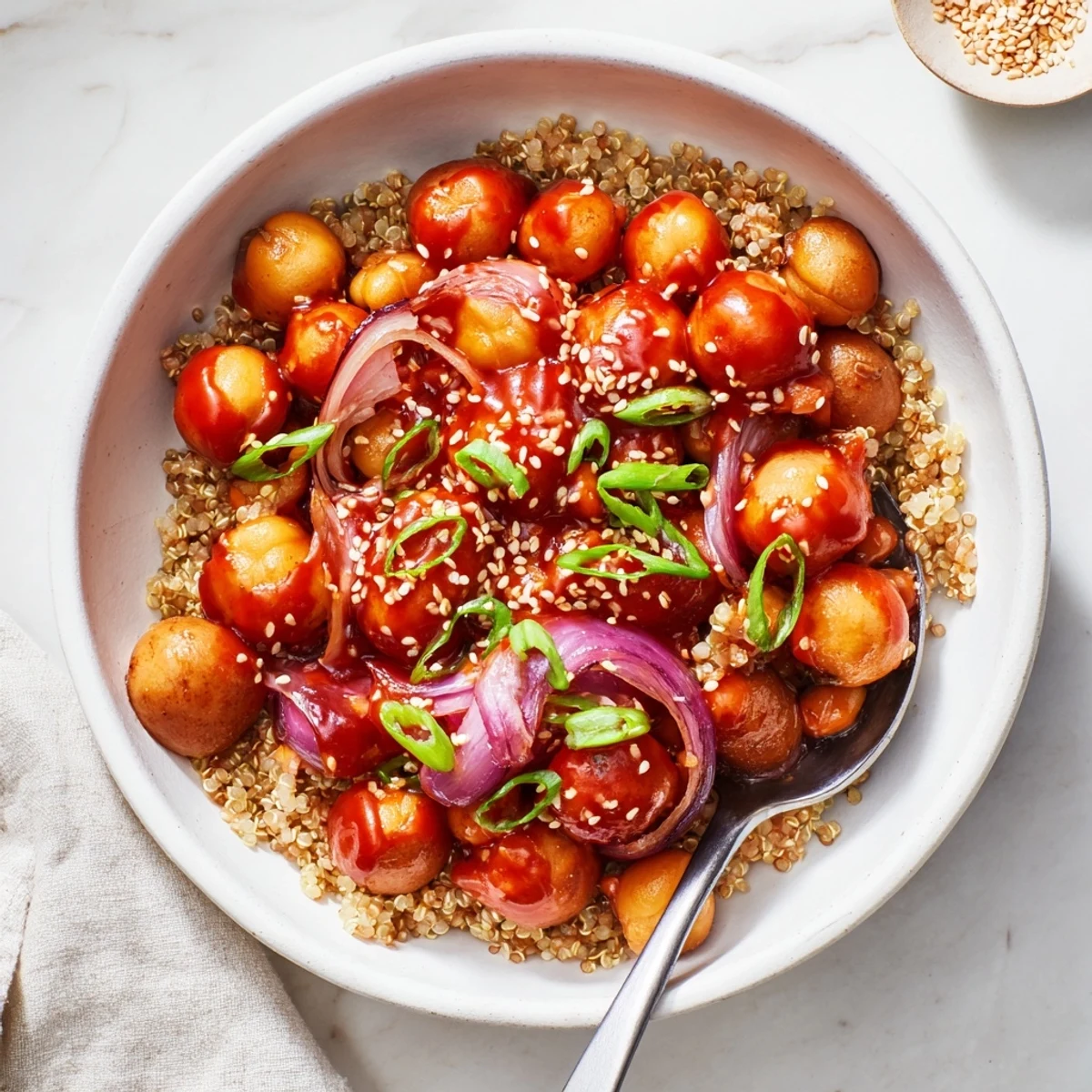
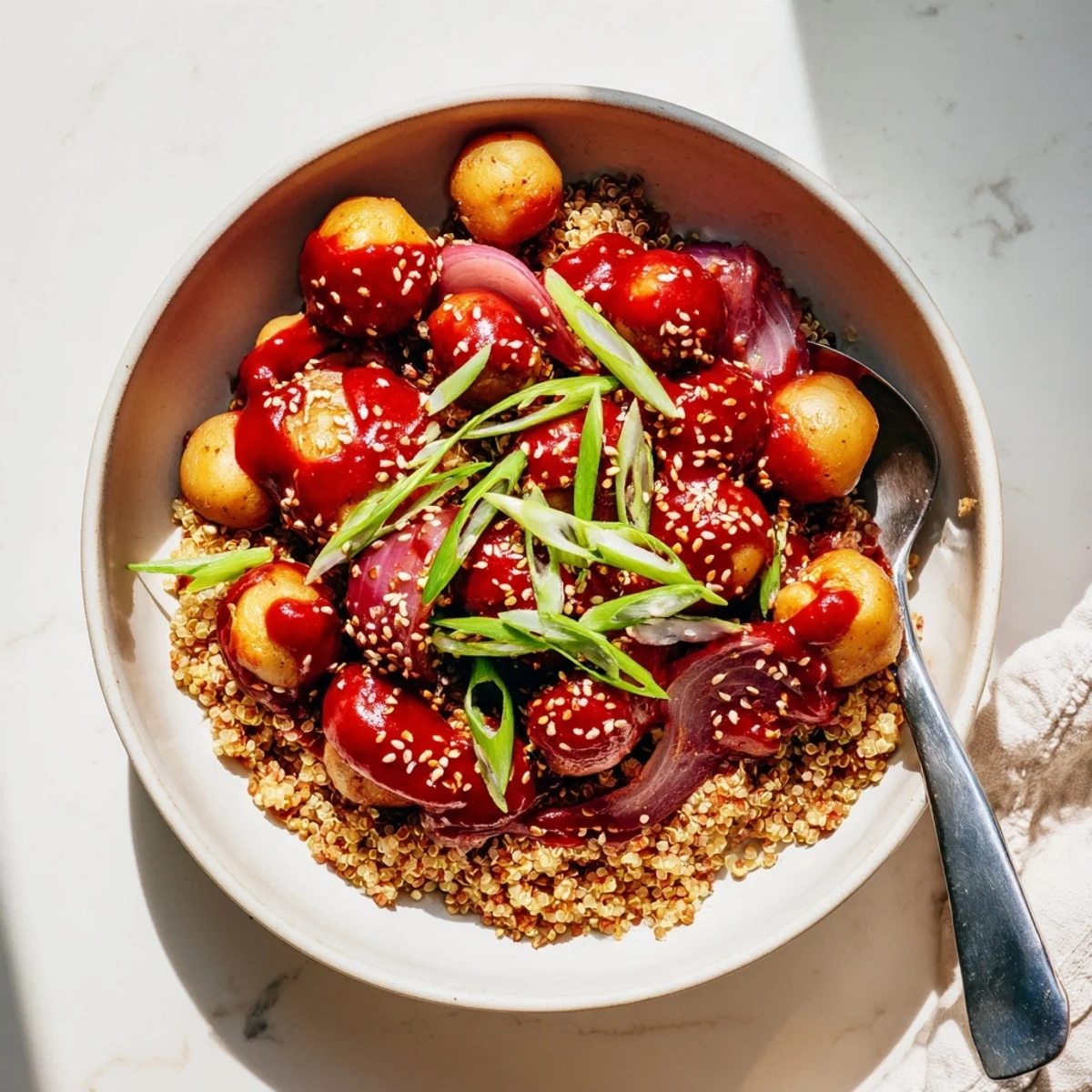
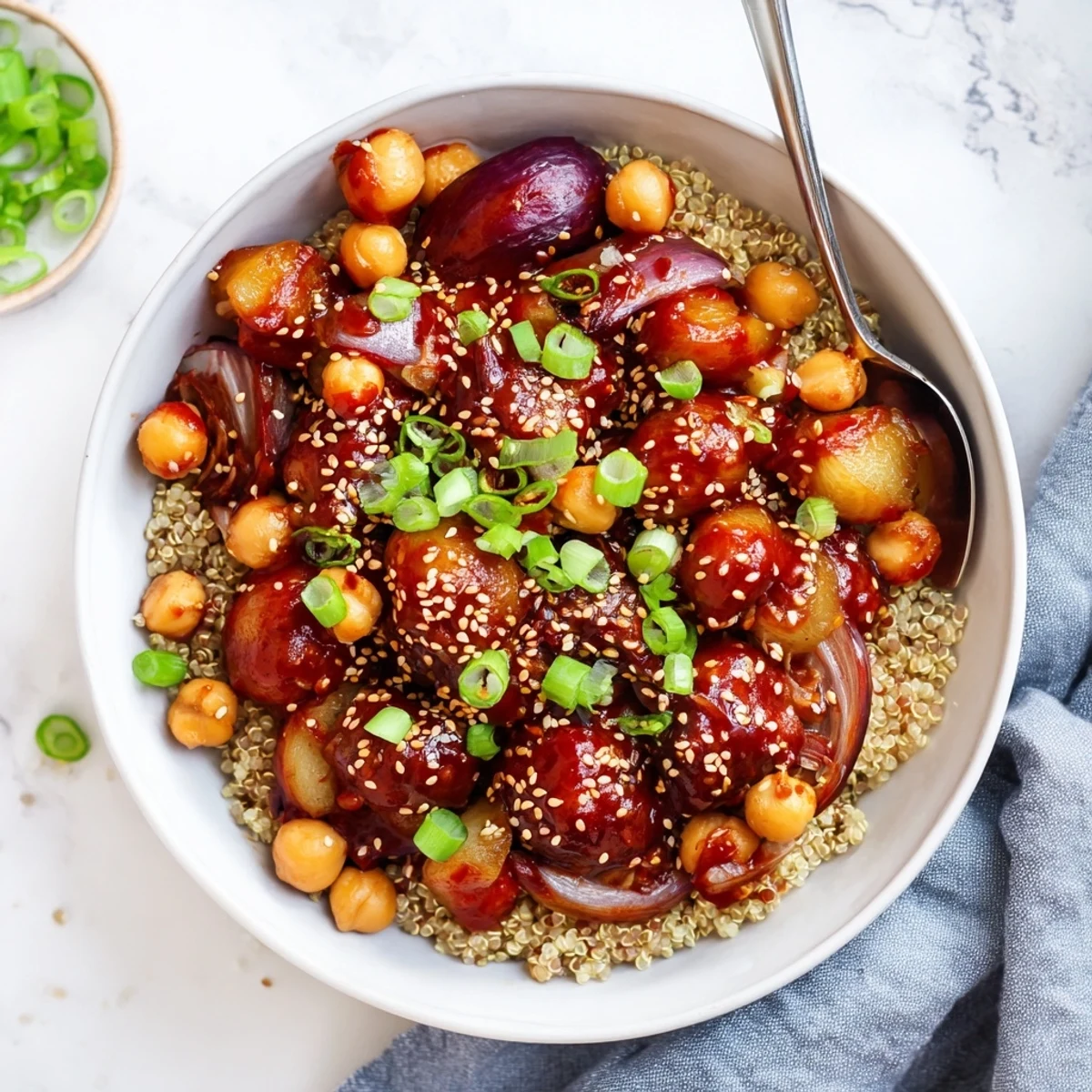
 This vibrant bowl brings together crispy roasted baby potatoes and golden chickpeas, all coated in a rich, spicy-sweet gochujang glaze. The Korean-inspired sauce balances heat from the chili paste with subtle sweetness from maple syrup, while sesame oil adds nutty depth. Served over fluffy quinoa, each bite offers satisfying texture contrast—creamy potatoes, tender chickpeas, and light grains. Ready in under an hour, this nourishing bowl delivers bold flavors while keeping things simple. Perfect for meal prep, the components hold up beautifully and the flavors actually deepen over time. Adjust the gochujang to control spice level, add your favorite vegetables, or swap quinoa for brown rice based on preference.
I stumbled onto this combination during a weeknight cooking session when my pantry was running low but I was craving something bold. The way gochujang hugs crispy roasted potatoes became an instant obsession in my kitchen. It is one of those bowls that looks impressive but comes together with such satisfying rhythm. My roommate kept wandering in asking what smelled so incredible.
Last winter I made this for friends who claimed they did not like spicy food. They went back for seconds and then asked for the recipe before even leaving the table. Watching someone discover gochujang for the first time is pure joy. The balance of heat, sweet, and savory just hits differently.
Ingredients
- Baby potatoes: Halving them gives more surface area for that irresistible crispy edge I have learned to love
- Chickpeas: They get wonderfully crunchy in the oven and add protein without any prep work
- Red onion: The slight sweetness when sautéed balances the heat beautifully
- Gochujang: This Korean chili paste is the soul of the dish, look for one in a red tub
- Quinoa: Rinsing it thoroughly removes any bitter coating and keeps it fluffy
- Sesame oil: Just a tablespoon adds that nutty richness that makes the sauce sing
Instructions
- Get the oven going:
- Preheat to 220°C with the rack in the middle position while you prep everything else
- Roast the base:
- Toss those halved potatoes and drained chickpeas with olive oil, garlic, salt, and pepper on a parchment-lined tray. Spread them out so they can actually crisp instead of steam. Roast for 25 to 30 minutes, giving the tray a good shake halfway through.
- Simmer the quinoa:
- Rinse your quinoa until the water runs clear, then cook it with two cups of water. Bring to a boil, cover tightly, turn down to low, and let it do its thing for about 15 minutes. Walk away and do not peek. Let it steam off the heat for 5 more minutes before fluffing with a fork.
- Whisk the magic sauce:
- Combine gochujang, soy sauce, sesame oil, rice vinegar, maple syrup, and water in a small bowl. Whisk until completely smooth, tasting as you go. This is your moment to adjust the heat or sweetness to your liking.
- Bring it all together:
- Sauté the sliced red onion in a large skillet until it softens and smells amazing. Add those roasted potatoes and chickpeas, then pour in the sauce. Toss everything until coated and glossy and heated through, about 2 or 3 minutes.
- Assemble your bowls:
- Scoop fluffy quinoa into bowls and pile that glazed mixture on top. Sprinkle with sesame seeds and fresh spring onions. Stand back and admire what you just created.
 Pin It
 This recipe became my go-to for potlucks after I watched my friend literally lick her bowl clean at a dinner party. There is something about the combination of textures and flavors that makes people pause and really enjoy their food.
Make It Your Own
I have experimented with adding roasted broccoli or spinach for extra color and nutrition. Sometimes I throw in chopped peanuts or cashews for crunch that takes this over the top. The base formula is so forgiving that you can really play around.
Perfecting The Quinoa
After years of gummy quinoa, I finally learned that rinsing is non-negotiable and the off-heat resting period is crucial. Treat it like rice and do not rush that final steam step. Good quinoa makes the whole bowl feel more substantial and satisfying.
Sauce Wisdom
The gochujang mixture doubles beautifully and keeps in the fridge for at least a week. I drizzle it on roasted vegetables, grain bowls, even morning tofu scrambles. Having it ready means spicy weeknight dinners are never more than minutes away.
- Taste your gochujang before measuring, some brands pack more heat than others
- Maple syrup adds depth but honey works in a pinch if that is what you have
- The sauce should be thick enough to coat a spoon but thin enough to pour easily
 Pin It
 I hope this bowl brings as much excitement to your table as it has to mine. There is nothing quite like that first spicy, sweet, crispy bite.
Recipe Questions
- → What does gochujang taste like?
-
Gochujang is a Korean chili paste with a complex flavor profile—savory, slightly sweet, and moderately spicy. It has deep umami notes from fermented soybeans, a subtle sweetness from rice, and a pleasant warmth that builds without being overwhelming. The paste is thicker and more flavorful than sriracha, adding rich depth to whatever it touches.
- → Can I make this ahead for meal prep?
-
Absolutely. This bowl is ideal for meal prep—roasted potatoes and chickpeas maintain their texture beautifully, and the flavors continue to develop over time. Store components separately in airtight containers for up to 5 days. Reheat the potato-chickpea mixture in a skillet or microwave, and warm the quinoa before assembling. The gochujang sauce keeps well in the refrigerator for up to two weeks.
- → How can I adjust the spice level?
-
Gochujang brands vary significantly in heat. Start with the recommended amount and taste the sauce before coating the vegetables. For milder flavor, reduce gochujang to 2 tablespoons and increase maple syrup slightly. To amp up the heat, add gochujang in small increments or incorporate Korean chili flakes (gochugaru). Remember that the spice mellows slightly when cooked with other ingredients.
- → What protein alternatives work well?
-
While chickpeas provide plant-based protein and excellent texture, you can easily substitute or add other proteins. Tofu cubes roasted alongside the potatoes absorb the gochujang glaze beautifully. For a heartier version, add tempeh or your favorite plant-based sausage. If you eat meat, shredded chicken or thin-sliced beef would complement the Korean-inspired flavors wonderfully.
- → Can I grill instead of roast the potatoes?
-
Grilling adds delicious smoky char that pairs perfectly with gochujang's bold flavors. Thread halved potatoes and drained chickpeas onto skewers or use a grill basket. Cook over medium-high heat for 15-20 minutes, turning occasionally, until potatoes are tender and lightly charred. Finish by brushing with the gochujang sauce during the last few minutes of grilling for a caramelized, sticky glaze.
- → Is gochujang gluten-free?
-
Traditional gochujang contains fermented wheat, so it's not gluten-free. However, many brands now offer gluten-free versions—always check the label carefully. This dish calls for tamari instead of soy sauce to accommodate gluten-free needs. If you're strictly avoiding gluten, verify both your gochujang and tamari are certified gluten-free, as cross-contamination can occur during manufacturing.