
 Pin It
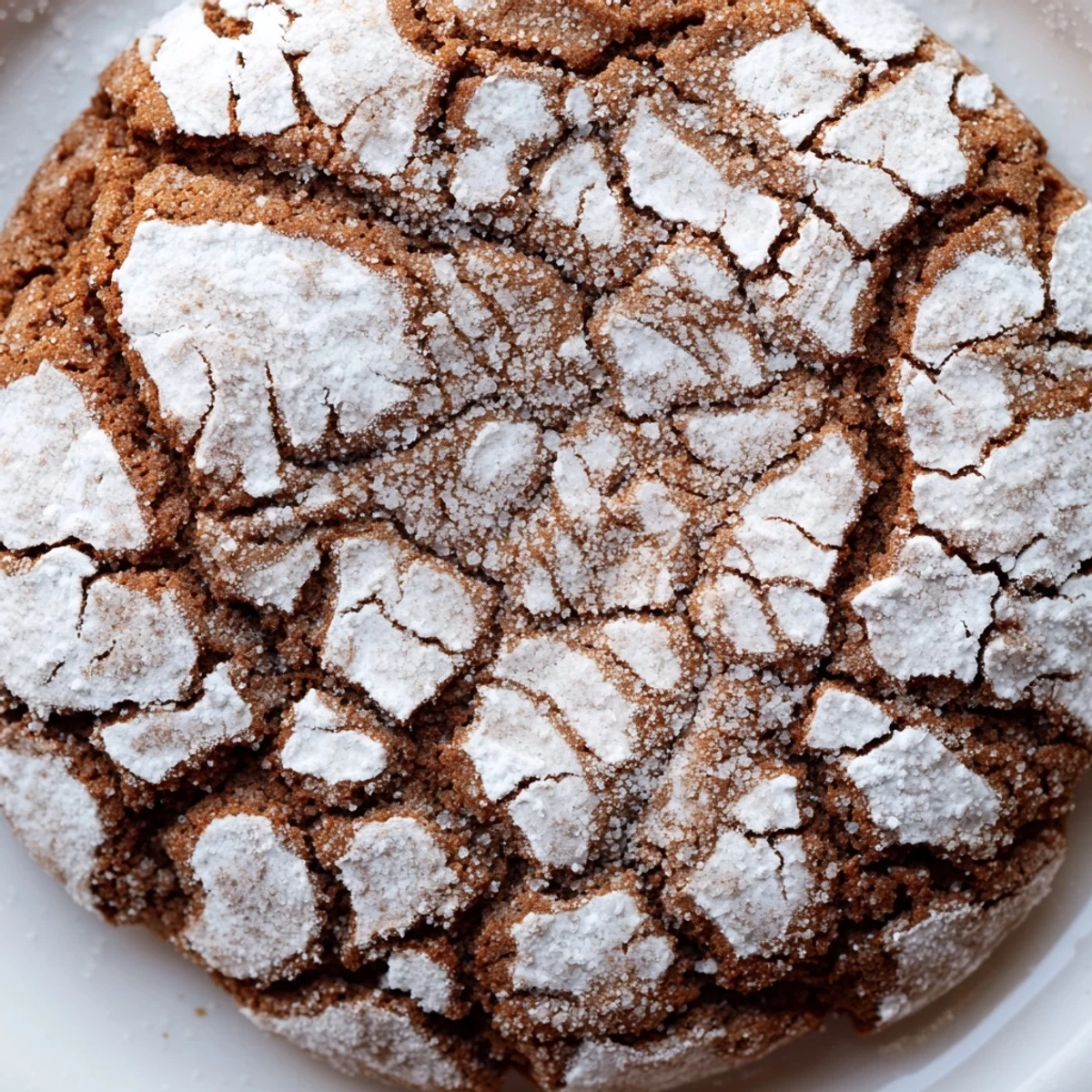
 These soft gingerbread cookies feature warming spices like ginger, cinnamon, cloves, and nutmeg combined with rich molasses. The dough requires chilling for proper texture, then gets rolled in granulated and powdered sugar before baking. As they bake, the surface creates beautiful crinkles underneath the snow-white sugar coating.
The result is a chewy, spiced cookie with crispy edges and soft centers. Perfect for holiday gatherings, cookie exchanges, or gifting. The molasses provides authentic gingerbread flavor while the double sugar coating creates the signature cracked appearance.
My kitchen still smells like molasses and spices from the first batch I made last December. I had nowhere special to take them, just wanted to see if I could capture that gingerbread flavor without all the rolling and cutting drama. The way they crack in the oven while the powdered sugar settles into those white crevices makes them look like little edible snowstorms.
My sister called me mid-December absolutely panicked about her cookie exchange party. She had forgotten it was her turn to host until three hours before guests arrived. I walked her through these over the phone while she panicked her way through a doubled batch, and every single person there asked for the recipe.
Ingredients
- All-purpose flour: The structure that holds all those melting spices together, 2 1/4 cups measured properly
- Baking soda: Just one teaspoon gives them the perfect lift for that soft center
- Ground ginger: Two teaspoons might seem aggressive but this is the backbone of the whole flavor profile
- Cinnamon: One teaspoon warms up the ginger without competing with it
- Cloves and nutmeg: A quarter teaspoon each adds that deep holiday complexity people notice but cannot quite name
- Salt: A quarter teaspoon wakes up all the spices and balances the molasses sweetness
- Unsalted butter: Half a cup at room temperature makes the cookies tender rather than crisp
- Brown sugar: Half a cup packed creates that chewy texture and subtle caramel notes
- Unsulphured molasses: This is non-negotiable, quarter cup gives the distinct gingerbread flavor nothing else can replicate
- Egg: One large egg binds everything together while adding richness
- Vanilla extract: One teaspoon rounds out all the bold spices
- Granulated sugar: Half cup for rolling helps create that crackled texture foundation
- Powdered sugar: Half cup generously coats each ball to create those signature white crinkles
Instructions
- Whisk your dry ingredients:
- Combine flour, baking soda, ginger, cinnamon, cloves, nutmeg, and salt in a medium bowl until everything is evenly distributed
- Cream the butter and sugar:
- Beat butter and brown sugar in a large bowl until light and fluffy, which takes about 2 to 3 minutes of serious mixing
- Add the wet ingredients:
- Pour in the molasses, crack in the egg, and add vanilla, then beat until you have a smooth dark mixture
- Combine everything:
- Gradually stir in the dry ingredients just until the dough comes together, do not overwork it
- Chill the dough:
- Cover the bowl and refrigerate for at least 30 minutes because warm dough will spread too thin in the oven
- Prepare for baking:
- Preheat your oven to 350°F and line two baking sheets with parchment paper
- Portion the dough:
- Scoop tablespoon-sized portions of the chilled dough and roll each one into a smooth ball between your palms
- Double coating:
- Roll each ball first in granulated sugar, then immediately and generously in powdered sugar until completely white
- Arrange and bake:
- Place the coated balls 2 inches apart on your prepared sheets and bake for 10 to 12 minutes until set but still soft in the center
- Cool completely:
- Let them rest on the baking sheets for 5 minutes before transferring to a wire rack to finish cooling
 Pin It
 These became my go-to office party contribution after the year I brought store-bought cookies and everyone politely pretended not to notice. Now coworkers actually ask me in November if I am making them again this year, which is the best kind of feedback.
Getting The Perfect Crinkles
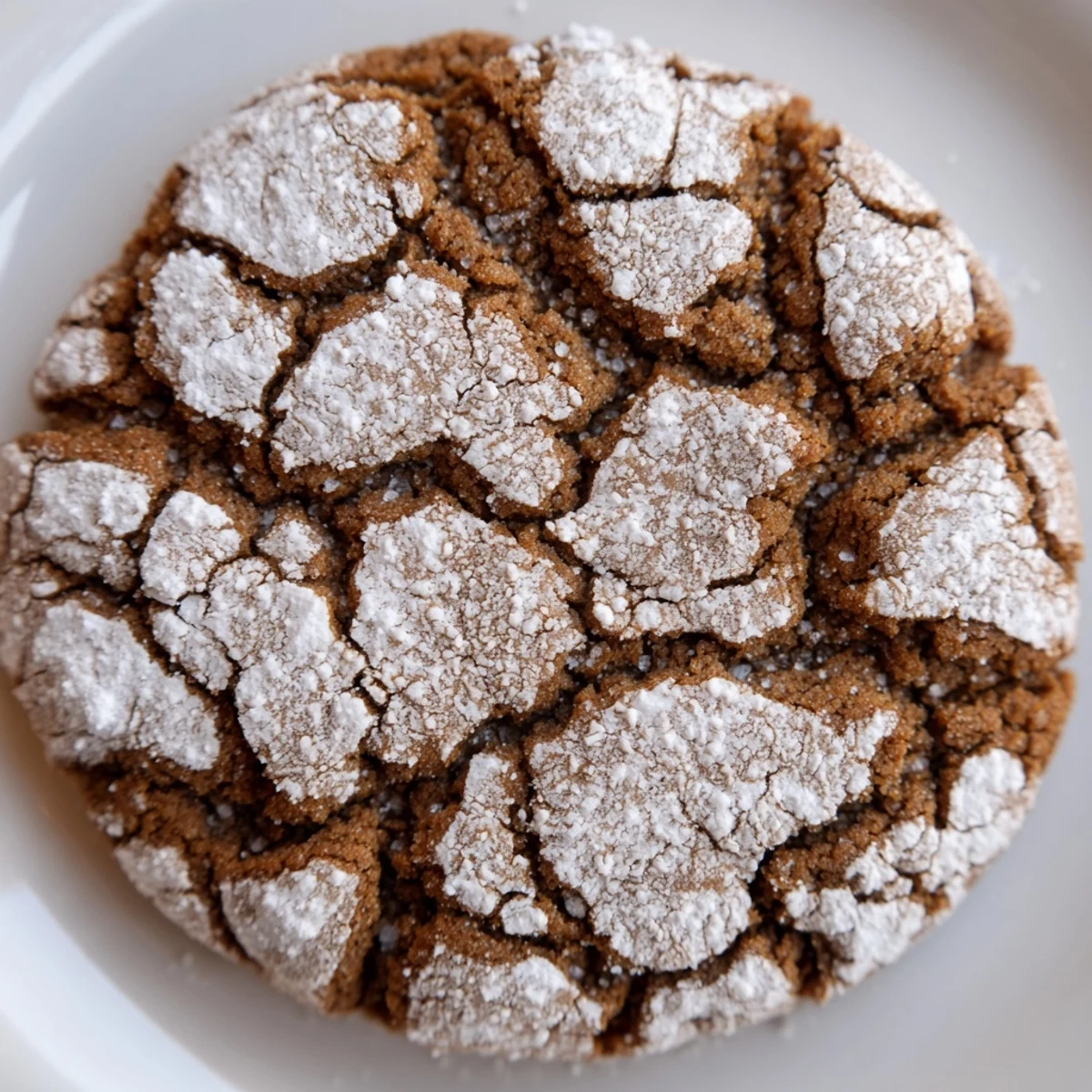
The crackling effect happens because the powdered sugar sets first while the dough expands in the oven. I learned that rolling the balls quite firmly and coating them thoroughly in both sugars makes the difference between pretty crinkles and disappointing ones.
Making Them Ahead
The dough actually improves after a day in the refrigerator, and you can freeze the rolled balls for up to a month before baking. Just add an extra minute to the baking time if they go straight from freezer to oven.
Serving Suggestions
These are sturdy enough to pack in gift tins and ship without turning into a complete mess. I like tucking a few into clear bags with ribbon for last-minute host gifts that look way more impressive than they should.
- Try dipping one corner in melted white chocolate for extra holiday flair
- A pinch of black pepper in the dough adds surprising warmth people never quite identify
- These freeze beautifully once baked if you need to get ahead of holiday madness
 Pin It
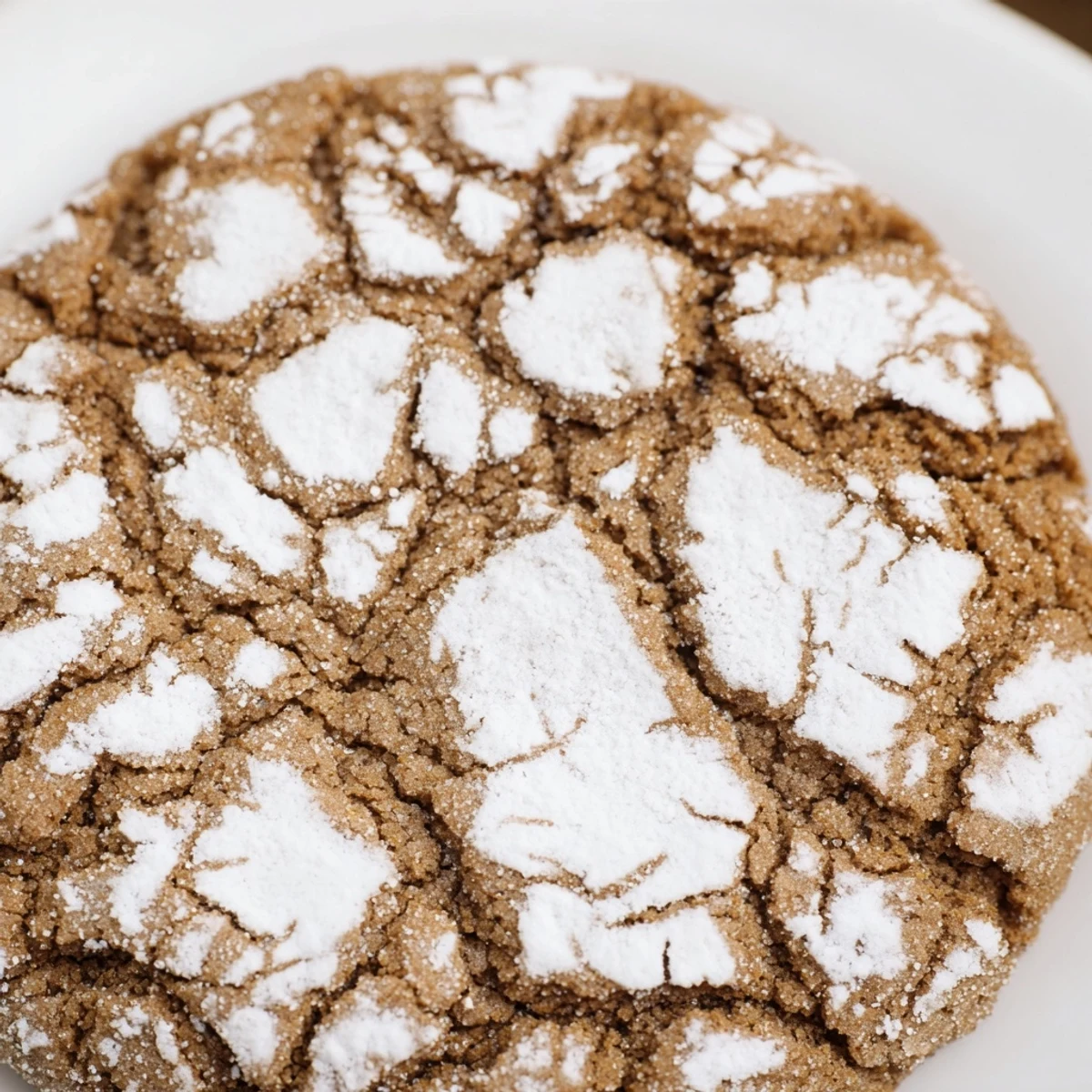
 Nothing beats pulling a tray of these from the oven and watching that powdered sugar crackle right before your eyes.
Recipe Questions
- → Why do gingerbread crinkle cookies crack?
-
The crinkle effect happens because the dough balls are coated in powdered sugar before baking. As the cookies spread in the oven, the surface expands and cracks, revealing the contrasting dark dough underneath the white sugar.
- → Can I skip the chilling time?
-
Chilling is essential for proper texture. Without refrigeration, the dough spreads too much in the oven, losing the thick, chewy center and pronounced crinkles. Minimum 30 minutes in the refrigerator is recommended.
- → What makes gingerbread cookies authentic?
-
Molasses is the key ingredient that gives gingerbread its distinctive deep flavor and dark color. Combining molasses with warming spices like ginger, cinnamon, cloves, and nutmeg creates the classic taste profile.
- → How do I know when they're done baking?
-
Bake until the edges are set and slightly firm, but the centers still feel soft to the touch, about 10-12 minutes at 350°F. They'll continue cooking on the hot baking sheet, so removing them while slightly soft ensures chewy results.
- → Can I freeze the dough or baked cookies?
-
Both freeze well. Scoop dough balls and freeze on a baking sheet, then transfer to a freezer bag for up to 3 months. Bake from frozen, adding 1-2 minutes. Baked cookies freeze in an airtight container for up to 2 months.
- → Why roll in both granulated and powdered sugar?
-
The granulated sugar layer helps the powdered sugar adhere better while also creating a slight crunch. The powdered sugar provides the signature snowy coating that contrasts beautifully with the dark, spiced cookie.