
 Pin It
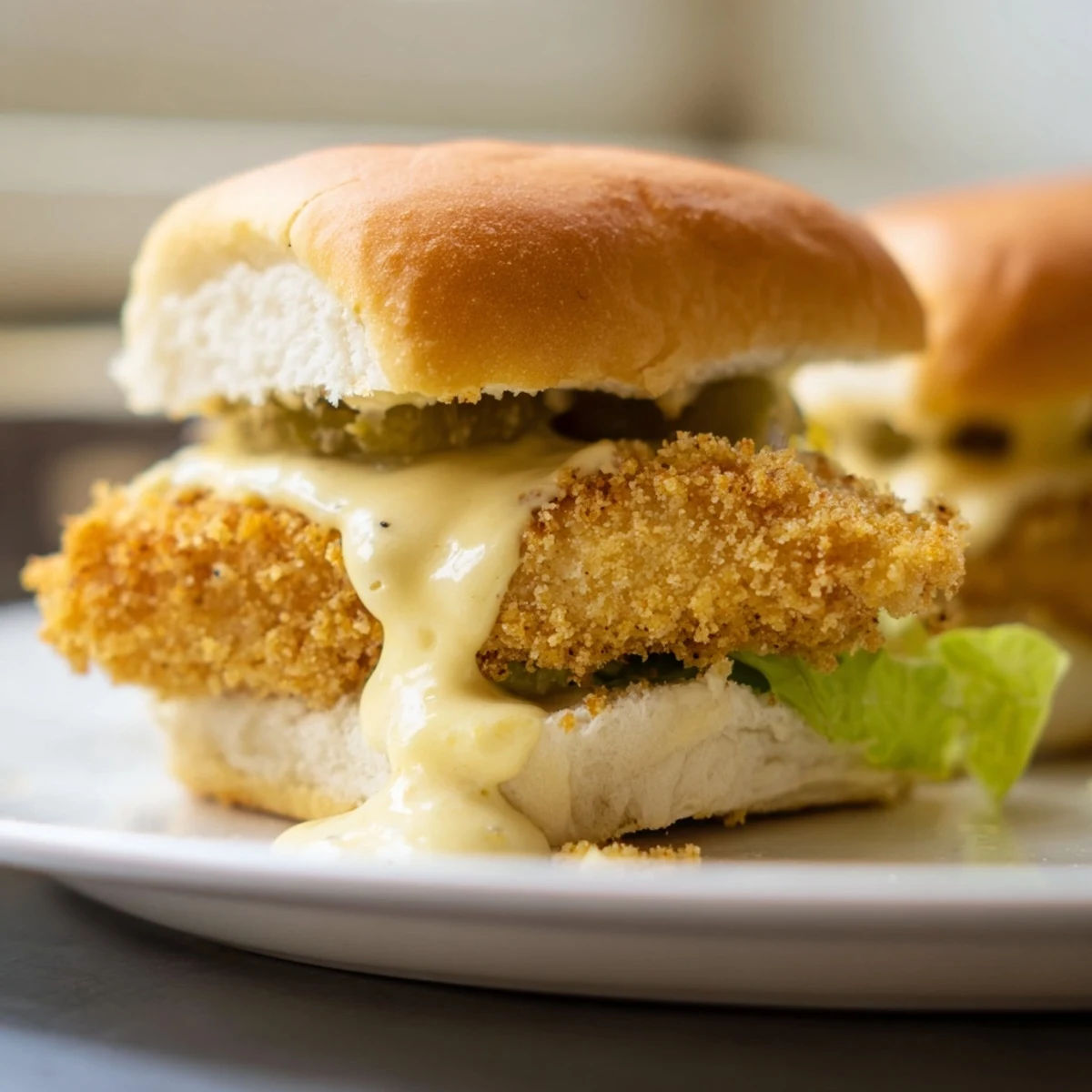
 These bite-sized fish sandwiches capture everything beloved about the classic fast-food version, upgraded with homemade touches. White fish fillets get a crispy golden coating from panko and cornmeal, then nestle into toasted slider buns with sharp cheddar, crisp lettuce, and a zesty tartar sauce you can whip up in minutes. Ready in just over half an hour, they're perfect for feeding a crowd or enjoying a nostalgic favorite made better.
It was a rainy Friday evening when my teenager admitted they'd been craving those fish sandwiches from the drive-thru, and something about that confession sparked a challenge in my kitchen. Instead of grabbing the car keys, I raided the freezer and pantry, determined to create something that would make those fast-food wrappers seem unnecessary. The smell of frying fish and toasted buns brought everyone downstairs, skeptical at first but suddenly very interested in what was happening on the counter.
Last summer, I made these for a backyard get-together and watched them disappear faster than anything else on the table. My neighbor's son, who claims to dislike fish, took a tentative bite and then immediately asked for seconds. There's something about mini sandwiches that makes people try things they might otherwise skip, plus the crispy golden coating gives way to such tender fish that even skeptics get converted.
Ingredients
- White fish fillets (400 g): Cod or haddock work beautifully here because they hold their shape during cooking and have a mild sweetness that lets the breading shine. Cutting them into slider-sized portions before cooking means everything fits perfectly on those little buns.
- Salt and pepper: A simple seasoning base that enhances the fish without competing with the crispy coating.
- All-purpose flour (1/2 cup): The first step of the breading station, creating that essential foundation that helps everything adhere.
- Eggs (2): The binding agent that bridges the flour and breadcrumbs, ensuring your coating stays put through frying or baking.
- Panko breadcrumbs (1 cup): These Japanese-style breadcrumbs create that extra-crispy, airy crunch that makes these sliders so satisfying to bite into.
- Cornmeal (1/2 cup): Optional but recommended if you want that extra texture layer that reminds you of classic fried fish.
- Mayonnaise (1/2 cup): The creamy base for your tartar sauce, providing richness that balances the crisp fish.
- Finely chopped pickles (2 tbsp): These bring the essential tang and crunch that makes tartar sauce sing.
- Capers (1 tbsp): Little bursts of briny flavor that elevate the sauce beyond ordinary condiment status.
- Lemon juice (2 tsp): Bright acidity that cuts through the fried elements and freshens each bite.
- Dijon mustard (1 tsp): Just enough sharpness to keep the sauce from being too heavy or one-note.
- Fresh parsley (1 tbsp): Adds color and a fresh herbal note that makes the sauce taste homemade and thoughtful.
- Slider buns (8): The foundation that holds everything together, lightly toasted so they don't get soggy.
- Cheese slices (8): Mild cheddar creates that perfect melty bridge between hot fish and cool sauce.
- Lettuce (8 pieces): Adds a crisp fresh element and prevents the sauce from making the bottom bun too soggy too quickly.
Instructions
- Get your heat ready:
- Preheat that oven to 200°C (400°F) if you're baking, or pour enough oil in your skillet for shallow frying over medium-high heat. Having your cooking method sorted before you start breading means less stress when things move quickly.
- Season your fish:
- Sprinkle those fillets with salt and pepper on both sides, letting them sit while you set up your breading station. This simple step builds flavor from the inside out.
- Set up your coating station:
- Arrange three shallow bowls: one with flour, one with beaten eggs, and one with your panko and cornmeal mixture. I learned the hard way that keeping this setup organized prevents cross-contamination and messy hands.
- Create the crispy coating:
- Dredge each fish piece in flour, shaking off excess, then dip in egg until fully coated, and finally press into the panko mixture. The pressing motion is crucial for getting that breading to really stick and create those beautiful crunchy edges.
- Cook to golden perfection:
- Fry in batches for 2 to 3 minutes per side until deep golden and fish flakes easily, or bake on a lined tray for 10 to 12 minutes, turning once halfway through. Don't crowd the pan, or your fish will steam instead of crisp up.
- Whip up that sauce:
- Mix all your tartar sauce ingredients in a small bowl and refrigerate until you're ready to assemble. Making this ahead lets the flavors meld together beautifully.
- Bring it all together:
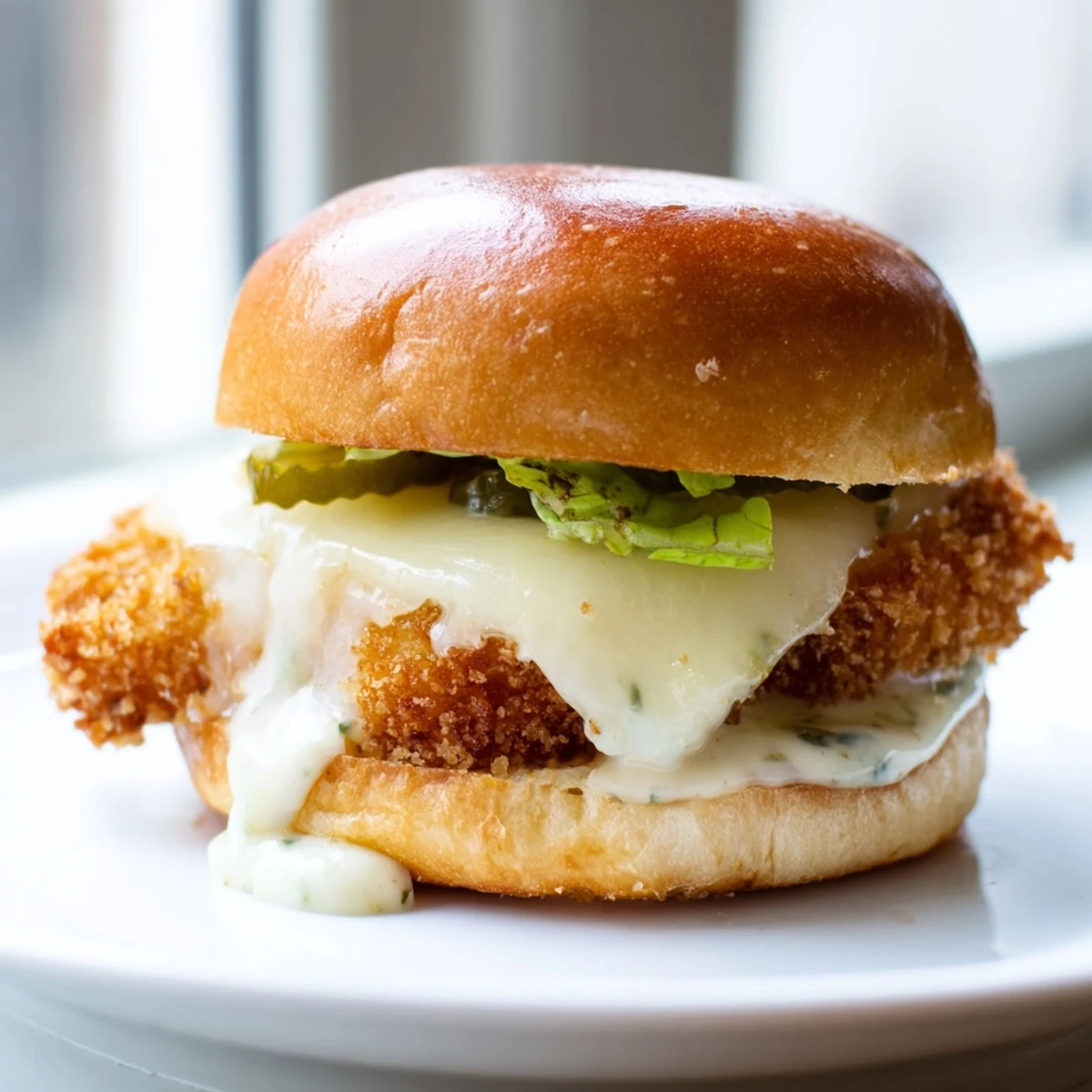
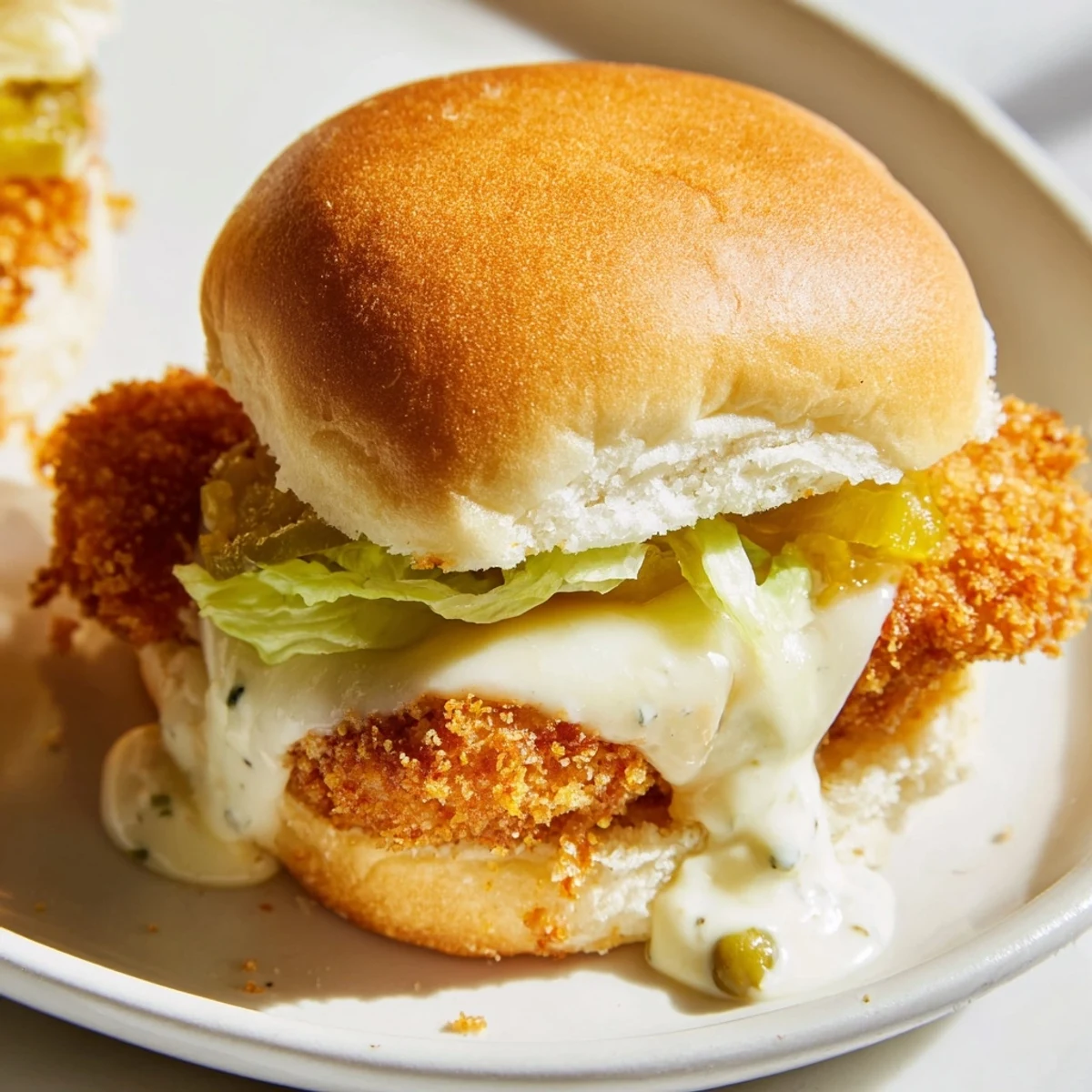
- Lightly toast those slider buns until just golden, then place a crispy fish fillet on each bottom half. Top with cheese while the fish is still hot so it melts perfectly, add lettuce, and finish with a generous dollop of that homemade tartar sauce.
- Final assembly:
- Crown with the top buns and serve immediately while everything is at its crispy, melty best. These don't sit well, so gather everyone around before you start building.
 Pin It
 These became our Friday night tradition during Lent one year, and somehow they stuck around long after the season ended. There's something joyful about food that feels both nostalgic and freshly made at the same time, plus the hands-on assembly process makes it feel like an event rather than just dinner.
Making Them Lighter
Baking these sliders instead of frying cuts down significantly on oil while still delivering satisfying crunch. I actually prefer the baked version sometimes because the fish stays incredibly moist and the cleanup is so much simpler, plus you can cook all eight fillets at once instead of in batches.
Tartar Sauce Variations
Sometimes I swap the fresh parsley for dill if I'm craving that classic flavor profile, or add a pinch of smoked paprika for depth. A tiny amount of minced garlic or shallot can transform the sauce entirely, just be sure to let it sit for at least 30 minutes so those raw flavors mellow and blend.
Serving Suggestions
Crispy oven fries or sweet potato wedges make these feel like a complete restaurant-quality meal at home. A simple coleslaw with a vinegar-based dressing cuts through the richness perfectly, and lemon wedges on the side let everyone add their own bright finish to each bite.
- Set up a toppings bar and let people customize their own sliders
- These reheat surprisingly well in a toaster oven if you have leftovers
- Double the tartar sauce because you'll want it for fries too
 Pin It
 Hope these sliders bring as much joy to your table as they've brought to ours over the years. There's something magical about turning a fast-food craving into a homemade memory that tastes even better than you imagined.
Recipe Questions
- → What type of fish works best?
-
White fish fillets like cod, haddock, pollock, or tilapia are ideal choices. They're mild, flake beautifully when cooked, and hold up well during frying. Avoid oily fish like salmon for this preparation.
- → Can I bake these instead of frying?
-
Absolutely. Arrange the coated fish on a lined baking sheet and bake at 200°C (400°F) for 10-12 minutes, turning once halfway through. The coating stays crispy while using less oil.
- → How long does homemade tartar sauce keep?
-
Stored in an airtight container in the refrigerator, your tartar sauce will stay fresh for up to one week. The flavors often meld and improve after a day or two.
- → What can I substitute for panko breadcrumbs?
-
Regular breadcrumbs work, though they won't be quite as light and crunchy. Crushed cornflakes or even crushed crackers make excellent alternatives for added texture and flavor.
- → Can I make these ahead of time?
-
The components can be prepped in advance—coat the fish and prepare the sauce. For best results, fry the fish fresh and assemble just before serving to maintain that signature crunch.
- → What sides pair well with these sliders?
-
Crispy oven fries, sweet potato wedges, or a simple coleslaw are classic choices. Lemon wedges brighten everything up, while pickles on the side reinforce the tangy notes.