
 Pin It
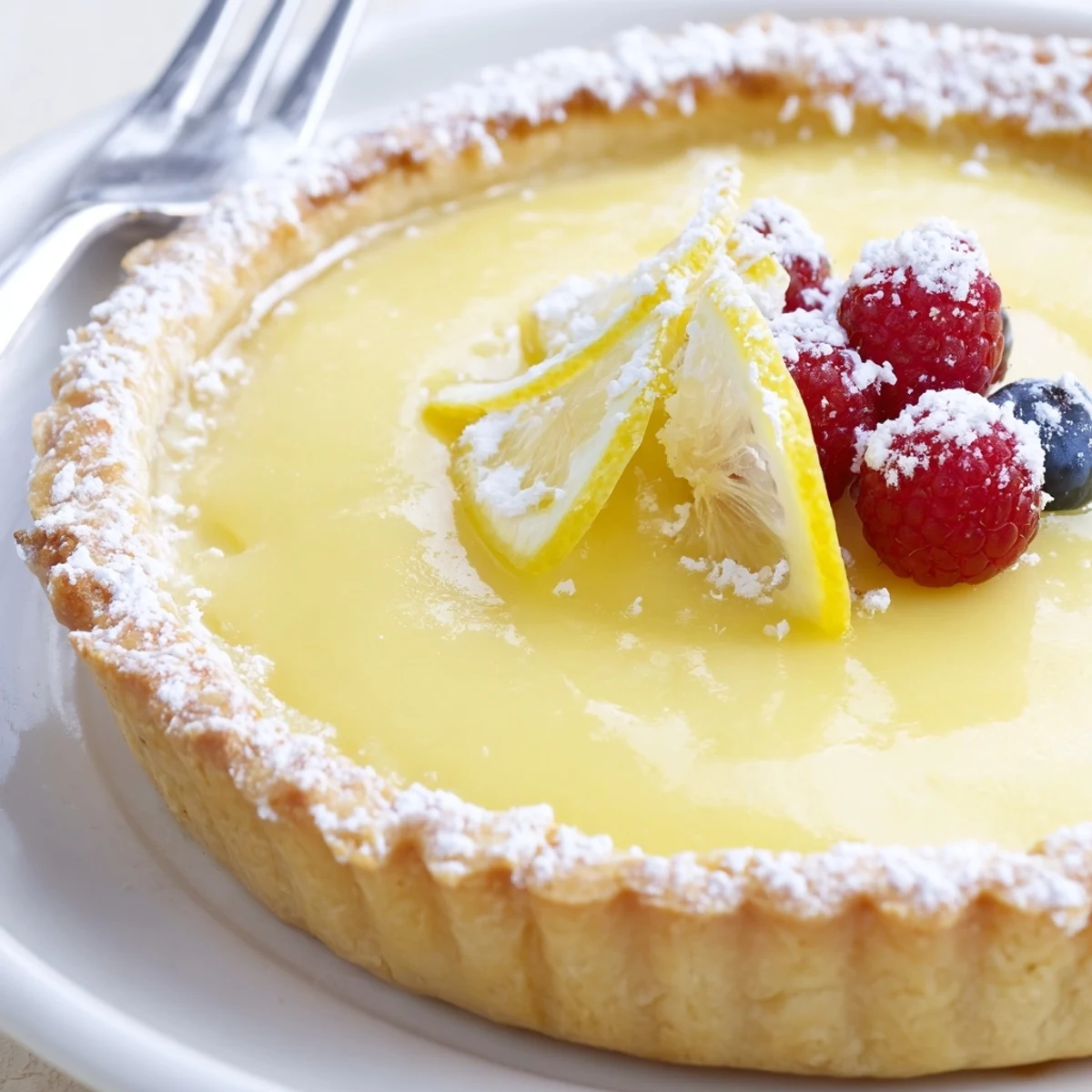
 This luscious lemon tart pairs a crisp, buttery crust with a silky, creamy lemon filling brightened by fresh zest and juice. The pastry is pulse-mixed, chilled and blind-baked to hold its shape; the filling is gently whisked and baked until just set, then refrigerated to firm. Serve chilled, dusted with powdered sugar and accented with berries for a bright finish.
If you listen closely as you zest lemons, there’s a little fizz—the aroma bursting out like sunlight. That’s what pulled me straight from a sleepy afternoon into the cheery project of making this creamy lemon tart. The whisk clacks, the dough flakes under my fingertips, and suddenly the kitchen feels bright even on a gray day. Tart making turned into a moment of clarity and simple joy.
The first time I brought this lemon tart to a friend’s brunch, I nearly dropped it when my shoe stuck to the doormat. We all ended up eating it slightly askew but with plenty of laughs. Even lopsided, everyone went quiet with their first bite—then begged for the recipe. That’s when I realized this tangy treat belonged in my go-to dessert rotation.
Ingredients
- All-purpose flour: Using a fresh bag keeps the crust extra crisp.
- Powdered sugar: Sifts in effortlessly, and helps the pastry melt in your mouth.
- Salt: Just a pinch wakes up all the buttery flavors.
- Unsalted butter, cold and cubed: Keep it cold; icy bits mean flakier layers in the finished crust.
- Egg yolk: A single yolk makes the crust extra tender—you can save the white for a breakfast omelet.
- Cold water: Splash it in gently, just enough for the dough to form a ball.
- Heavy cream: This is the secret to the custard’s silkiness, don’t skimp.
- Granulated sugar: Not only sweetens, but helps the filling set up into perfect creamy slices.
- Large eggs and egg yolks: The combo adds richness and sets the custard just right.
- Lemon zest: Zest straight over the bowl to catch every fragrant oil and essence.
- Fresh lemon juice: Bottled juice just won’t sing here—squeeze them fresh for a truly bright tart.
- Pinch of salt: It counters any bitterness from the zest and sharpens the lemon.
- Powdered sugar for dusting: Delicate snowfall for the final touch.
- Fresh berries or candied lemon slices for garnish: Adds a pop of color and another layer of tart-sweet.
Instructions
- Heat the Oven:
- Set your oven to 350°F and let it get cozy while you prep the dough.
- Pulse the Dry Ingredients:
- Blend flour, powdered sugar, and salt in your food processor until combined and nearly whisper-fine.
- Add Butter and Bind:
- Scatter in cold butter cubes and pulse until the mix looks like rough sand, then add your egg yolk and a splash of cold water—pulse again until it begins clumping together.
- Shape and Chill:
- Tip the dough onto a lightly floured counter, form it into a disk, wrap tightly, and chill for half an hour.
- Roll and Line:
- Roll the dough into a slim sheet (about 1/8-inch thick), tuck it into your tart pan, trim excess, prick the bottom, and freeze for ten minutes for extra flake.
- Blind Bake:
- Cover the crust with parchment, fill it with pie weights or beans, then bake for 15 minutes; remove the weights and bake another 8 to 10 minutes until golden and dry to the touch.
- Lower the Temperature:
- Drop the oven to 300°F so your filling bakes gently and stays creamy.
- Make the Lemon Filling:
- Whisk together cream, sugar, eggs, yolks, zest, lemon juice, and a touch of salt—aim for smooth, no-fuss batter.
- Bake the Tart:
- Pour the filling carefully into your baked shell and bake until the edges are set, but the center still jiggles a little, about 20-25 minutes.
- Cool and Chill:
- Let the tart cool completely on the counter, then refrigerate for at least an hour; this is where the magic happens for ultra-smooth slices.
- Garnish and Serve:
- Just before serving, dust with powdered sugar and decorate with berries or candied lemons if you like.
 Pin It
 I remember slicing into this tart on my birthday, only to realize everyone had gathered around the kitchen island, forks ready, claiming just a sliver but always coming back for more. The lemon aroma seemed to draw a crowd, and suddenly the kitchen was full of laughter. In that moment, dessert truly felt like the centerpiece, not just an afterthought.
Choosing and Preparing Lemons
Select the firmest, brightest lemons you can find—thinner skins mean juicier fruit and more zest. Zesting directly over the bowl captures the essential citrus oils. If you cut a lemon and it smells floral, you know it's at peak ripeness. I once tried waxy, pale lemons and the flavor was so flat, so always trust your nose at the market.
How to Get That Buttery Crust
Work quickly with the cold butter—the less it melts in your hands, the more flaky the crust. I find pressing the dough in with my knuckles helps even out the thickness. Freeze it before baking so it keeps its shape. Don’t be afraid to patch cracks with a bit of spare dough as needed.
Serving Suggestions Everyone Loves
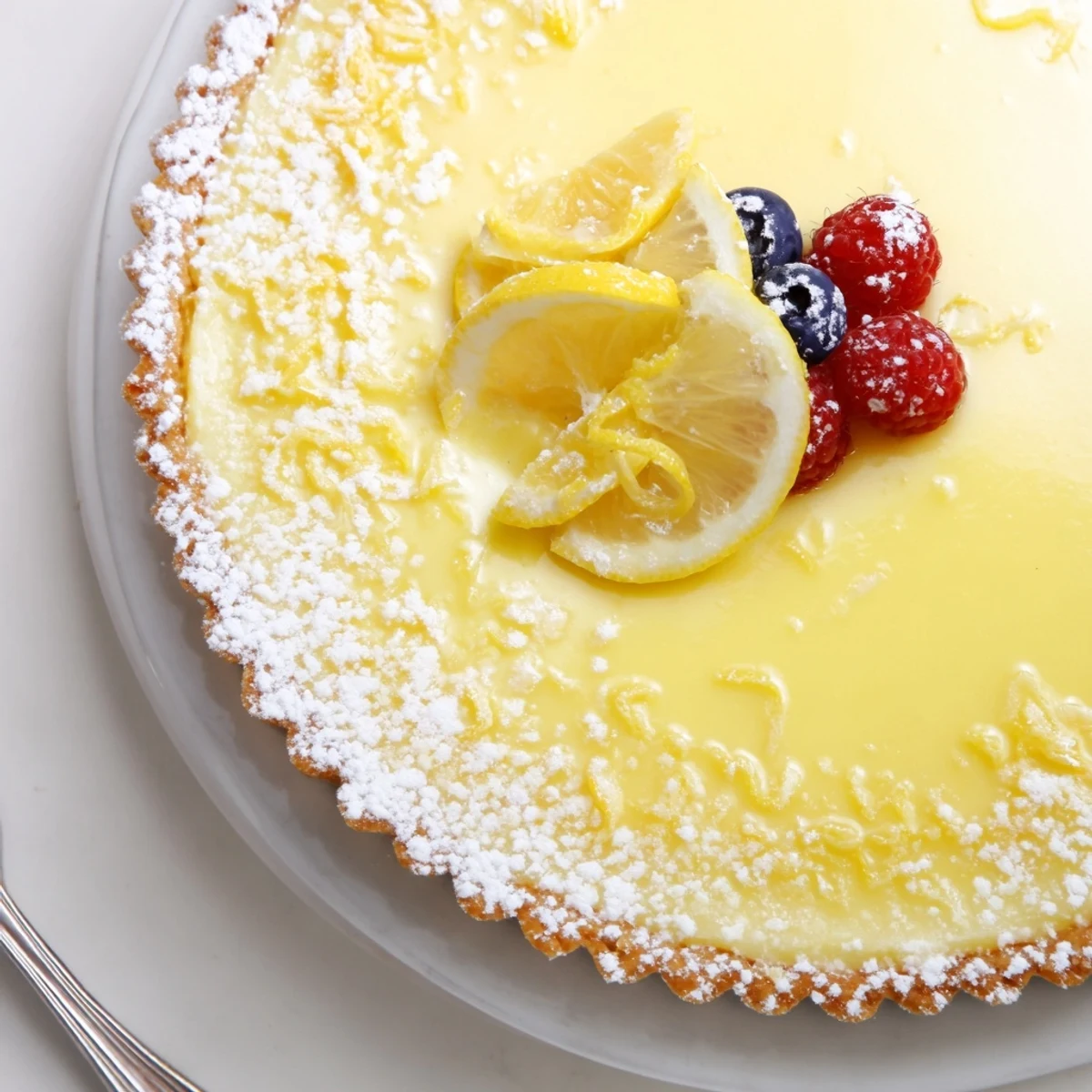
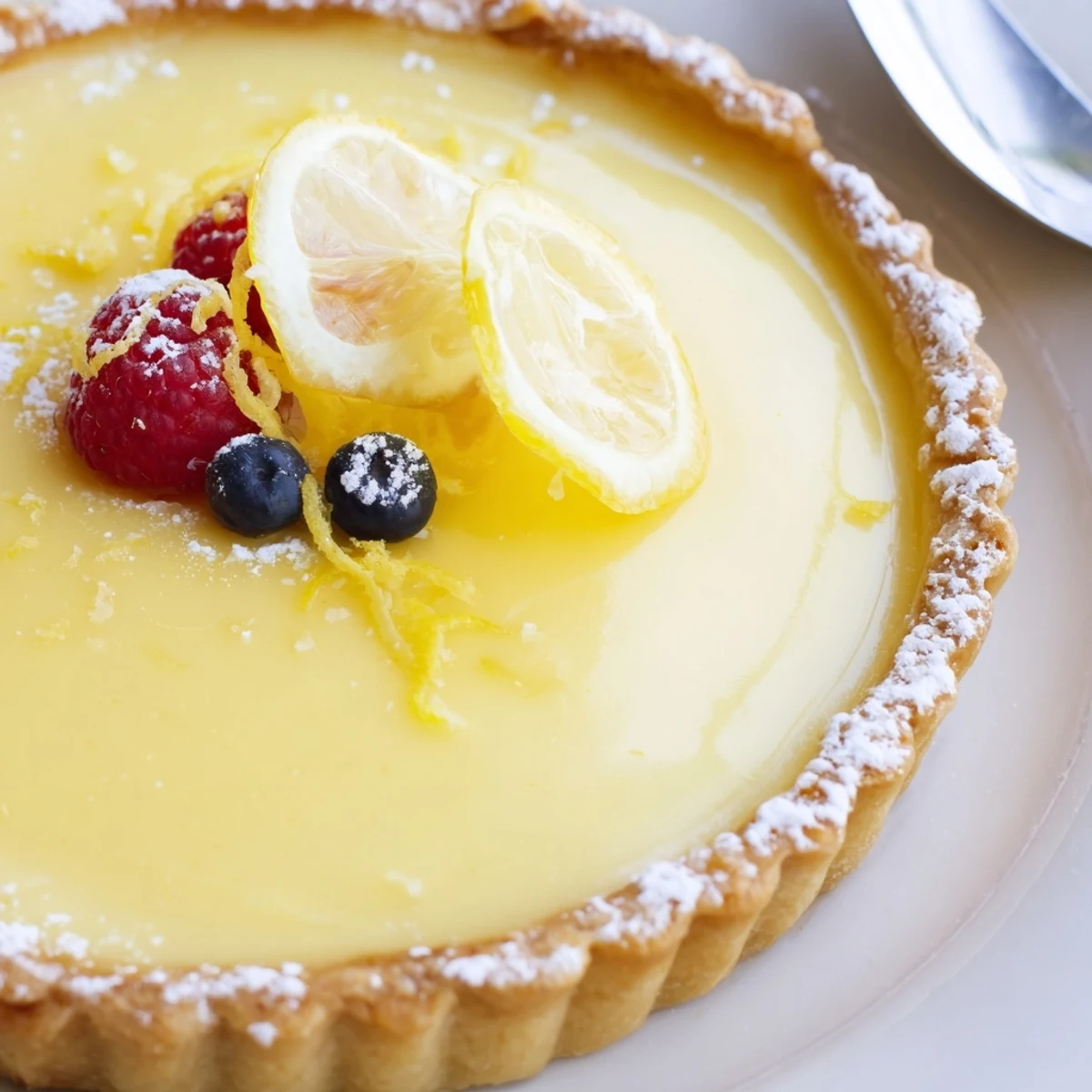
This tart shines with the lightest dusting of powdered sugar, a scatter of fresh raspberries, or a few candied lemon twists for a special touch. Serve cold on a summer afternoon, or slightly warmed with a dollop of whipped cream in winter. Every leftover slice holds up perfectly for breakfast the next day.
- Store leftovers covered in the fridge for up to three days
- Pair with a glass of sparkling wine or sweet Sauternes
- Let it sit out a few minutes before slicing for the cleanest cuts
 Pin It
 There’s something truly uplifting about serving a homemade lemon tart, especially when everyone’s faces light up with that first bite. Here’s hoping your kitchen fills with laughter, tangy aroma, and maybe the occasional crumbly mess too.
Recipe Questions
- → How do I prevent a soggy crust?
-
Blind-bake the chilled crust: line with parchment, add weights, bake until edges are set, then finish baking uncovered. Proper chilling and docking also help keep the base crisp.
- → How can I tell when the lemon filling is done?
-
The edges should be set and the center slightly jiggly when you give the pan a gentle shake. Carryover cooking and refrigeration will finish the set without overbaking.
- → Can I reduce the sugar without affecting texture?
-
You can lower sugar slightly, but sugar contributes to texture and shine. Reduce in small increments and taste—too little sugar can yield a more tart, looser custard.
- → Are there good substitutions for the crust?
-
Use a gluten-free flour blend 1:1 for a similar pastry, or press a nut-and-butter base for a different flavor and texture. Adjust liquid if the dough feels dry.
- → Can this be made ahead of time?
-
Yes. Bake and cool completely, then refrigerate the tart for up to 48 hours. Dust with powdered sugar and add fresh berries just before serving to keep them vibrant.
- → What oven temperature is best for the filling?
-
Bake the filled tart at a lower temperature (about 300°F / 150°C) so the custard sets gently without curdling, yielding a smooth, silky texture.